

 English
 Français
 Deutsch
 Русский
 Español
 Português
 عربي
عربي Tiếng Việt
 Indonesia
 हिन्दी
Serving the world
Phone : +86 -18005440164
Phone : +86 -15621270096
Whatsapp : +86 -18005440164
Whatsapp : +86 -15621270096
Email : luna@nuokungeo.com
Email : jone@nuokungeo.com
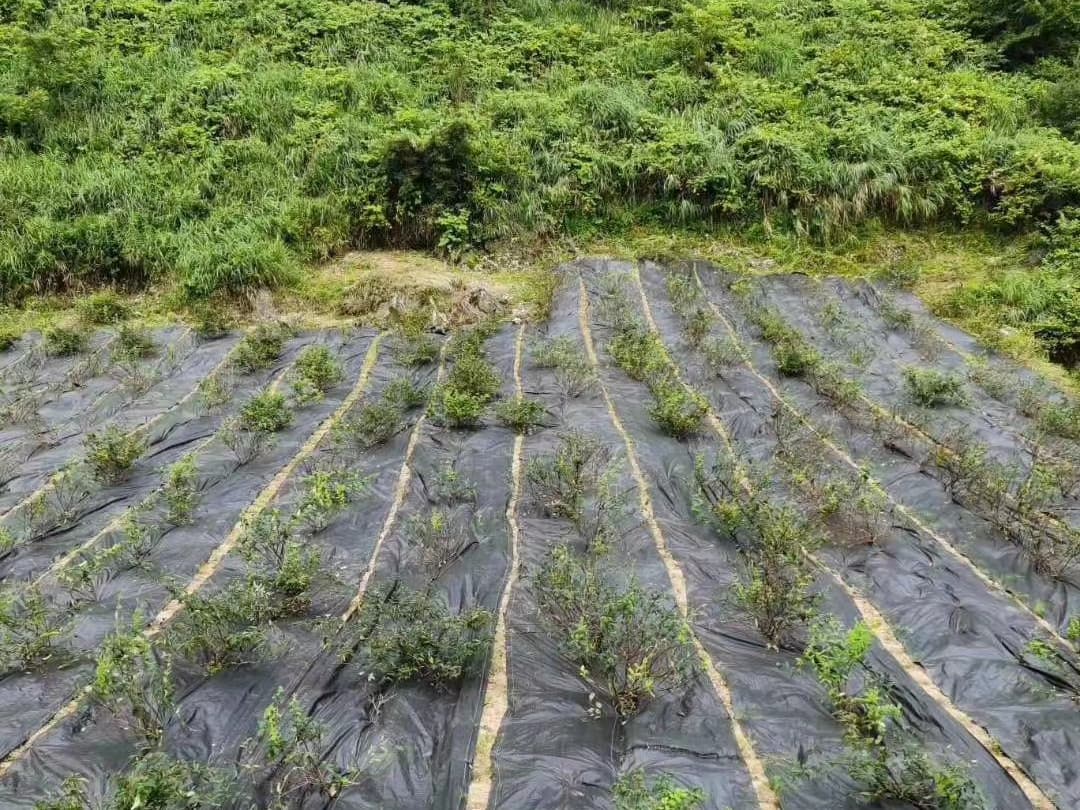
Different weed barrier fabrics can look almost identical when you compare them side by side. But appearance alone tells you very little about how a fabric will perform after months or years outdoors.
For buyers, the real questions are more practical: Is the fabric strong enough for installation? Will it maintain its performance under sunlight? Does the actual weight and thickness match the specification? And can a quick site check catch obvious quality problems before the material is installed?
A reliable evaluation should combine laboratory data with simple on-site checks. The lab results help verify the material’s basic performance, while field inspection gives you a quick way to spot inconsistencies, damage, or poor workmanship before they become a larger problem.
Part 1: 4 Core Laboratory Metrics Suppliers Should Provide
A good weed barrier should be backed by measurable performance data, not just a product photo or specification sheet. For procurement teams, third-party test reports are especially useful because they provide an independent reference for checking whether the material meets the stated requirements.
1. Mass Per Unit Area (GSM)
Mass per unit area is one of the simplest indicators to verify. A fabric labeled as 150 gsm, for example, should be reasonably close to the stated specification rather than significantly underweight. GSM also affects the fabric’s handling, strength, and expected service performance.
What to ask: Request the supplier’s specified weight tolerance and, where available, the actual test result for each production batch. For example, a specification may state 150 gsm ±5%.
2. UV Resistance and Strength Retention
For outdoor weed barrier fabric, UV performance is critical. Look for test data showing tensile strength retention after accelerated UV exposure, rather than simply a statement such as “UV resistant.”
Testing may be carried out using recognized accelerated-weathering methods, such as ASTM G154, depending on the material and test program. The reported exposure time and strength-retention result should always be reviewed together, because laboratory exposure hours do not translate directly into a fixed number of outdoor service years.
For long-term outdoor use, UV stabilization should be incorporated into the polymer formulation rather than relying only on a surface treatment.
3. Tensile Strength and Elongation at Break
Tensile performance shows how well the fabric can withstand pulling forces during installation and service.
For woven weed barrier fabrics, check both machine direction (MD) and cross-machine direction (CD) tensile strength, usually reported in kN/m or another specified unit. For nonwoven materials, grab tensile strength and puncture or CBR puncture resistance may be more relevant.
These figures help indicate whether the fabric can withstand handling, anchoring, soil or mulch loads, and normal installation traffic without excessive stretching or tearing.
4. Permeability and Opening Size
Drainage is another important factor, particularly when the fabric is installed beneath mulch, gravel, or planting areas. Check the vertical permeability coefficient and, where applicable, the Equivalent Opening Size (O90).
A fabric with insufficient permeability can slow water drainage, while an opening structure that is not suited to the application may affect soil retention and weed-control performance. Rather than relying on a single “ideal” O90 value, compare the reported opening size with the soil type, installation method, and drainage requirements of the project.
Part 2: 3 On-Site Quick Tests You Can Perform
You do not always need laboratory equipment to spot obvious quality issues. When samples or rolls arrive, a few simple checks can help you compare the actual material with the supplier’s specifications.
1. Tear and Inspect the Fabric
Take a small sample and carefully pull or tear it in both the machine and cross-machine directions.
For nonwoven fabric, a very loose structure that separates easily with little resistance may indicate poor fiber bonding or low material density. A well-made nonwoven fabric should show a relatively dense fiber structure and stronger resistance to tearing.
For woven fabric, look closely at the weave. The yarns should be evenly distributed, with no obvious thin areas, loose sections, missing yarns, or inconsistent weaving.
Important: This is a quick comparison test, not a substitute for a formal tensile or puncture test.
2. Light and Water Check
Hold the fabric in front of a bright LED light and look for obvious differences in light transmission. Large bright spots, uneven areas, or visible gaps may indicate inconsistent structure or manufacturing defects.
You can also place a few drops of water on the surface and observe how the fabric handles water. For permeable landscape fabrics, water should generally pass through the material rather than remaining on the surface for an extended period.
However, the result should be compared with the product specification. Coated or specially treated fabrics may behave differently, so a simple water test should not be used alone to judge permeability.
3. Check the Edges and Packaging
Inspect the roll edges before installation. They should be reasonably straight and consistent, without excessive fraying, loose yarns, or obvious cutting defects.
The packaging should also provide clear product information, such as the manufacturer or brand, product type, dimensions, mass per unit area, production batch, and other relevant specifications.
Missing information, unclear labels, damaged packaging, or unexplained differences between the delivered product and the purchase specification are all good reasons to ask the supplier for clarification before installation.
Part 3: From Test Results to a Better Purchasing Decision
--Testing a weed barrier is only useful if the results help you make a better purchasing decision. Instead of focusing on one number or one quick test, compare the material from several angles and check whether the actual product matches the supplier’s stated specifications.
1. Compare the Actual Product with the Specification
Start with the basic information: mass per unit area, thickness, tensile strength, dimensions, and material type. Check the delivered product against the technical data sheet and purchase specification. A small variation may be normal, but significant differences should be clarified before installation.
2. Ask for Batch-Level Test Information
A general product brochure does not always tell you how a specific production batch performed. For larger projects, ask the supplier for relevant test reports or quality records associated with the delivered batch. This gives you a better basis for checking consistency and traceability.
3. Check Consistency Between Rolls
Do not inspect only one roll if you are receiving a large shipment. Compare several rolls for weight, thickness, color, weave or fiber structure, edge quality, and packaging information. Significant differences between rolls may indicate inconsistent production or material handling.
4. Look at the Supplier’s Quality Process
The fabric itself is only part of the equation. A reliable supplier should be able to explain how raw materials are controlled, how production is monitored, what tests are performed, and how finished rolls are inspected before shipment.
The best procurement decision is rarely based on the lowest price or a single laboratory number. It comes from a combination of verified specifications, consistent product quality, practical inspection, and transparent supplier communication.
The simple Rule: Don't Buy on Appearance Alone
A weed barrier may look simple, but its long-term performance depends on material quality, manufacturing consistency, and resistance to real outdoor conditions. The lowest price per roll does not always mean the lowest project cost—premature failure can lead to replacement, additional labor, and landscape damage.
A more reliable approach is to combine laboratory data with practical inspection. Check the key performance metrics, compare the delivered material with the agreed specifications, inspect several rolls for consistency, and carry out simple on-site checks when possible.
Most importantly, choose a supplier that is willing to provide clear specifications, relevant test data, batch information, and transparent quality-control procedures. When the supplier can support its claims with measurable data, you have a much stronger basis for making a confident purchasing decision.
leave a message
Scan to Wechat/Whatsapp :




 IPv6 network supported