leave a message
If you are interested in our products and want to know more details,please leave a message here,we will reply you as soon as we can.
LLDPE Textured Geomembrane – Built for Ground That Won’t Stay Still
Not every project is built on stable ground. Soft soils, uneven foundations, and long-term settlement can place continuous stress on a liner system. In these conditions, choosing the right geomembrane is just as important as selecting the right foundation.
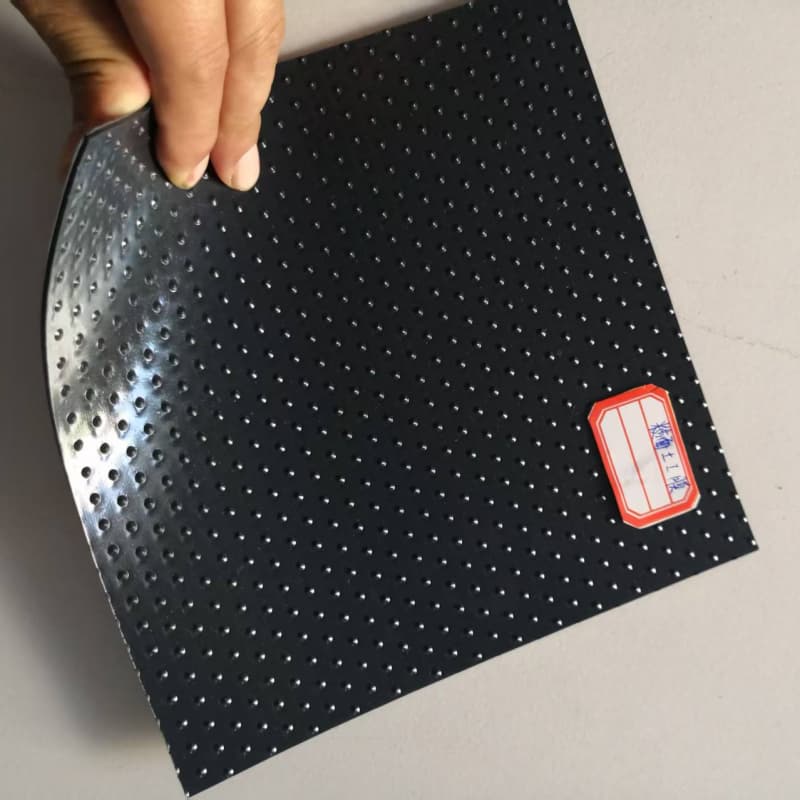
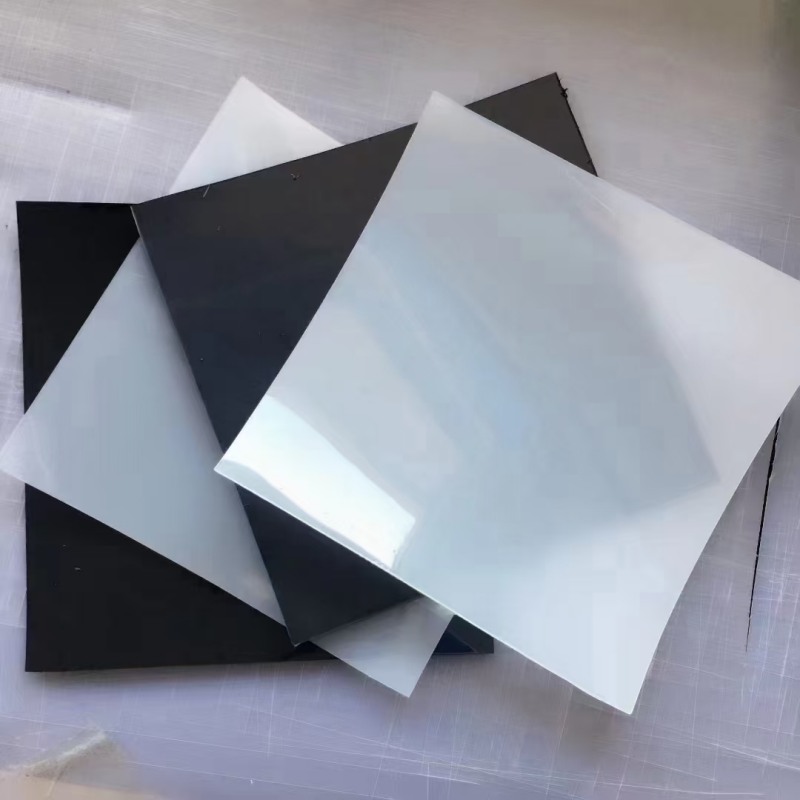
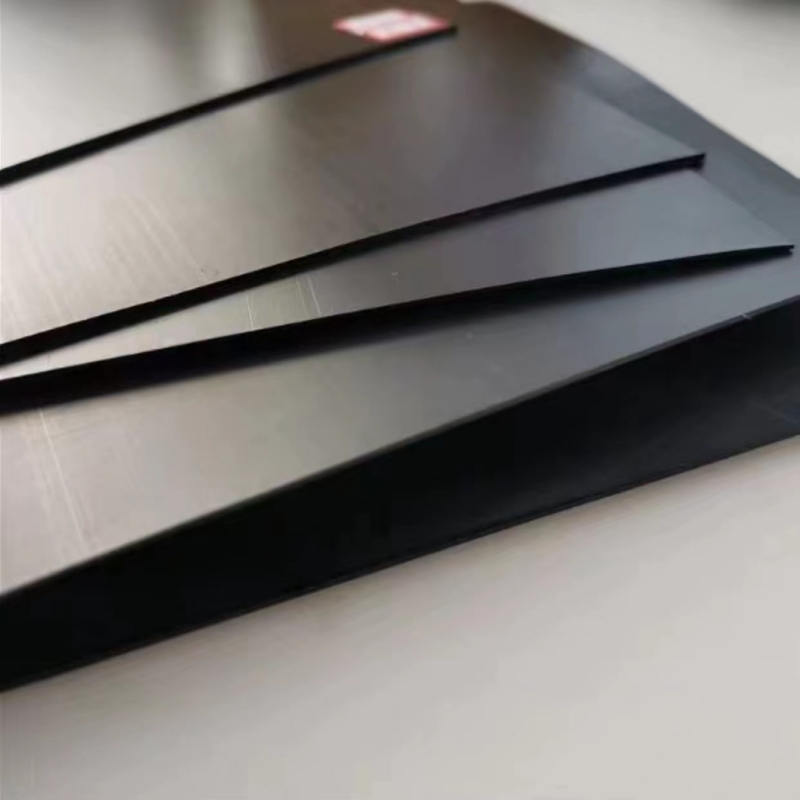
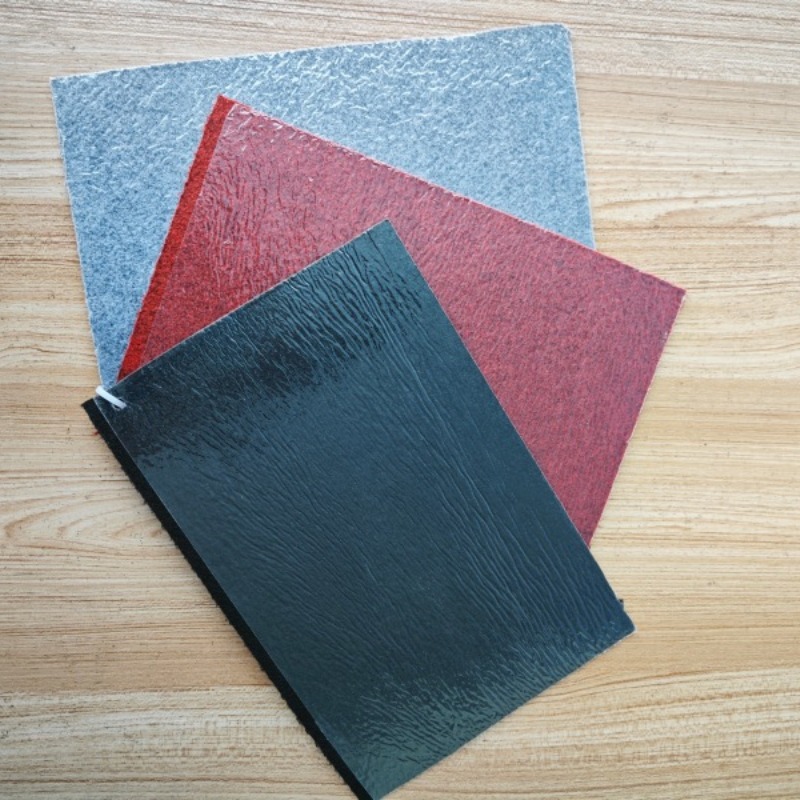
LLDPE Textured Geomembrane is designed for projects where flexibility and surface friction matter. Compared with standard HDPE geomembranes, it offers higher elongation and better adaptability to ground movement, allowing the liner to flex with minor settlement without compromising its integrity.
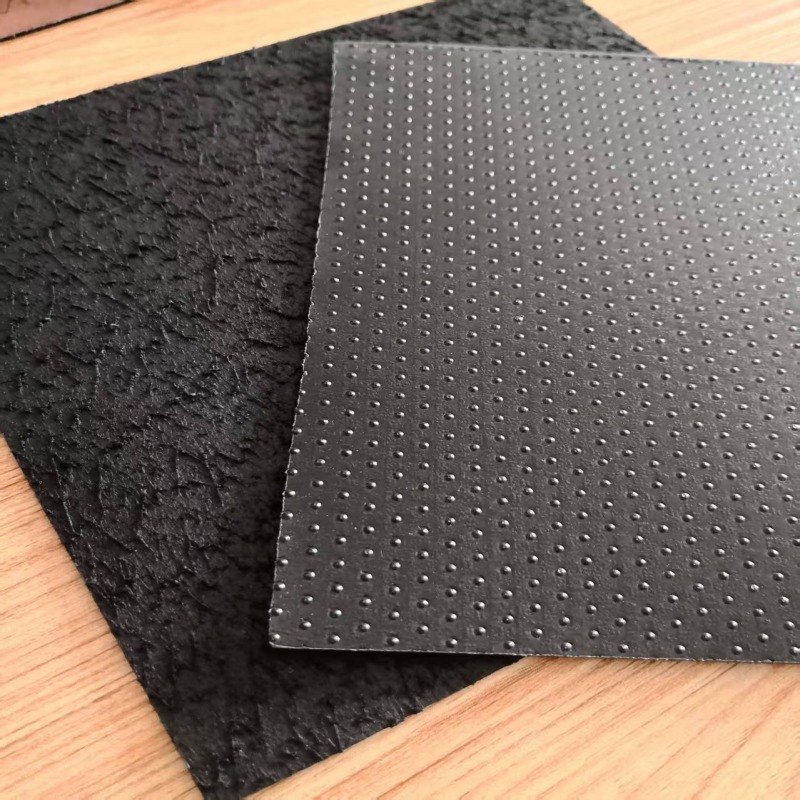
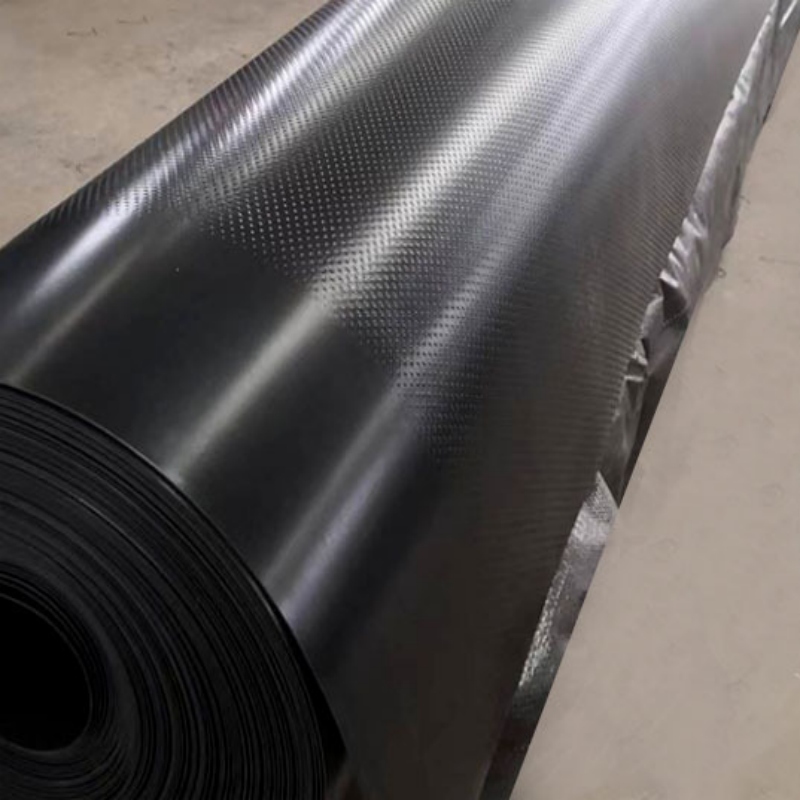
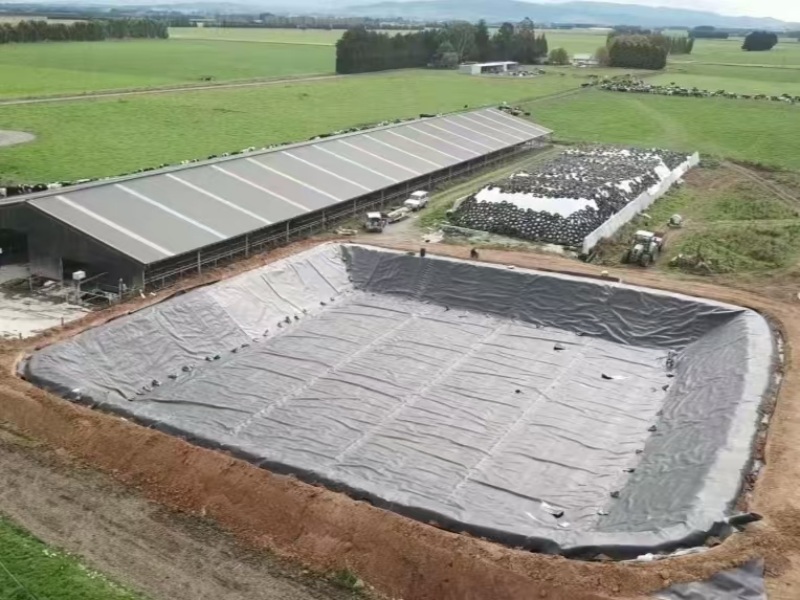
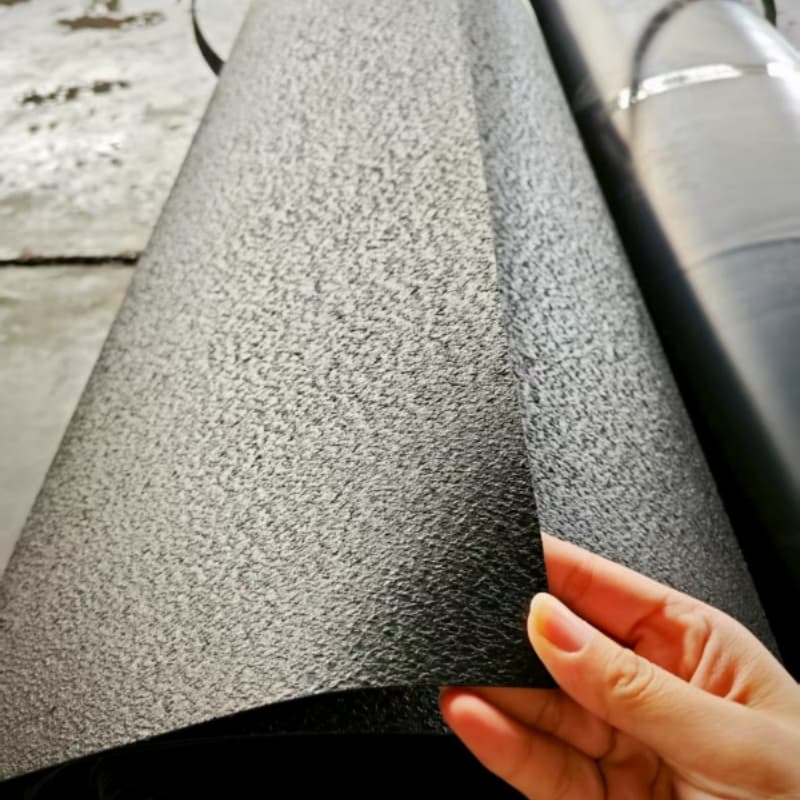
The textured surface increases friction against soil and geotextiles, helping improve stability on slopes during both installation and long-term service. This makes it a reliable choice for ponds, canals, mining facilities, reservoirs, and other containment projects built on uneven or challenging terrain.
Specifications :
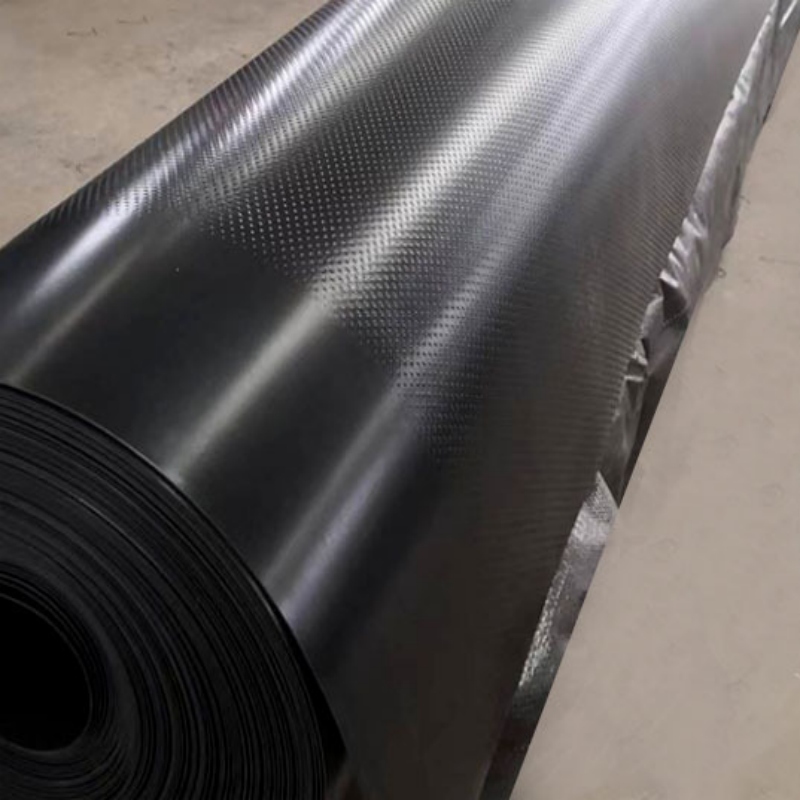
Single or double-sided texture/bump-like geomembraneThickness :
0.5-3.0mmWidth :
1-8mLead Time :
7-14 days after deposit paymentOrder(MOQ) :
2000㎡Payment :
FOB (Can communicate and negotiate)Product Origin :
ChinaShipping Port :
QingDao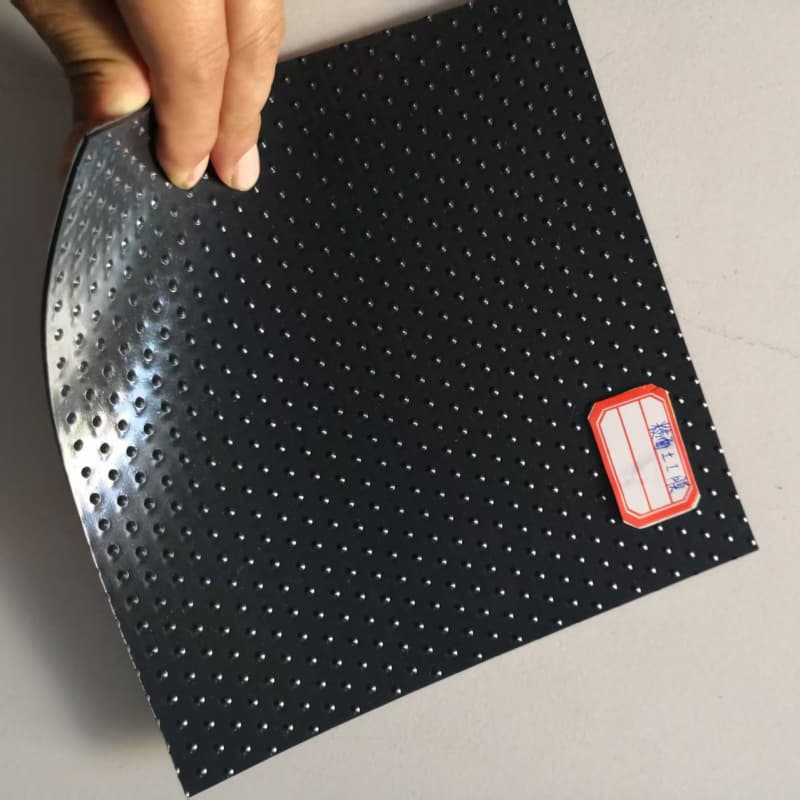
Why Choose LLDPE over HDPE?
High tensile strength is important, but it is not the only factor to consider. For projects with uneven foundations or potential ground movement, flexibility can be just as critical.
LLDPE Textured Geomembrane offers higher elongation and greater flexibility than standard HDPE, allowing it to better accommodate temperature changes and minor subgrade settlement. It also provides excellent puncture resistance, reliable weldability, and a textured surface that improves friction and slope stability.
In projects where long-term ground settlement is expected, a more flexible liner can help reduce stress within the geomembrane and maintain reliable containment performance throughout its service life.
Types & Specifications
| Parameter | Value Range | Notes |
| Thickness | 1.0mm – 3.0mm | Common specifications: 1.0mm, 1.5mm, 2.0mm |
| Width | 1m – 8m | Customizable, commonly used 7m, 8m |
| Length | 30m – 80m per roll | Depends on thickness |
| Tensile breaking strength | ≥ 10 – 32N/mm | Compliant with GRI/ASTM standards |
| Elongation at Break | ≥ 100% | High flexibility |
| Carbon Black Content | 2% – 3% | Enhanced UV and anti-aging properties |
| Tensile yield strength | 15– 44N/mm | Depends on thickness |
| Surface | Texture/bump-like | Single or double-sided texture |
| Standard | ASTM / GRI | International testing standards |
Typical Applications
LLDPE Textured Geomembrane is designed for projects where flexibility, puncture resistance, and surface friction are important. Its excellent elongation and textured surface make it suitable for a wide range of containment and anti-seepage applications.
Fish and Shrimp Ponds
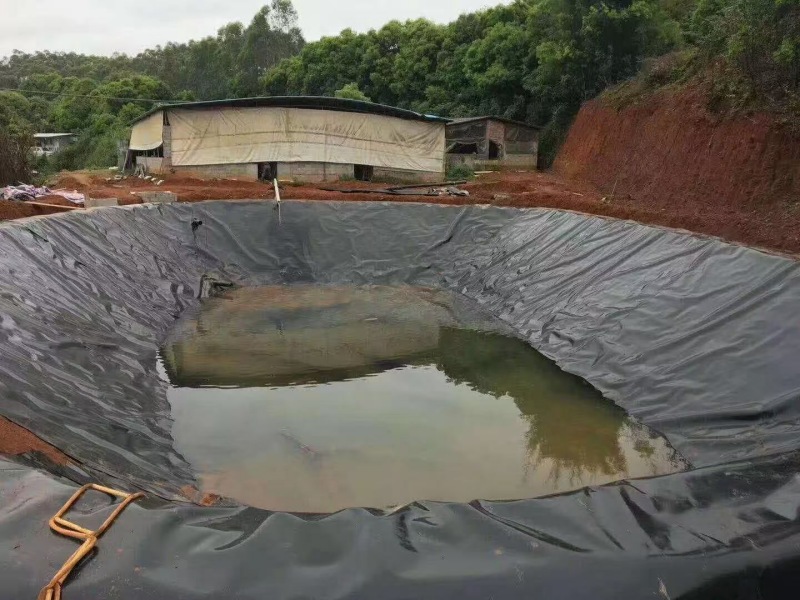
In aquaculture projects, the liner must withstand water level changes, soil movement, and long-term outdoor exposure. The flexibility of LLDPE Textured Geomembrane allows it to adapt to minor settlement and uneven pond foundations, while the textured surface improves friction on side slopes, helping prevent liner movement during operation.
Irrigation Reservoirs
Agricultural reservoirs often experience seasonal water level fluctuations and changing soil conditions. LLDPE Textured Geomembrane provides reliable water containment by reducing seepage loss and adapting to ground deformation. Its UV resistance and durability make it suitable for long-term outdoor irrigation systems.
Mining Evaporation Ponds
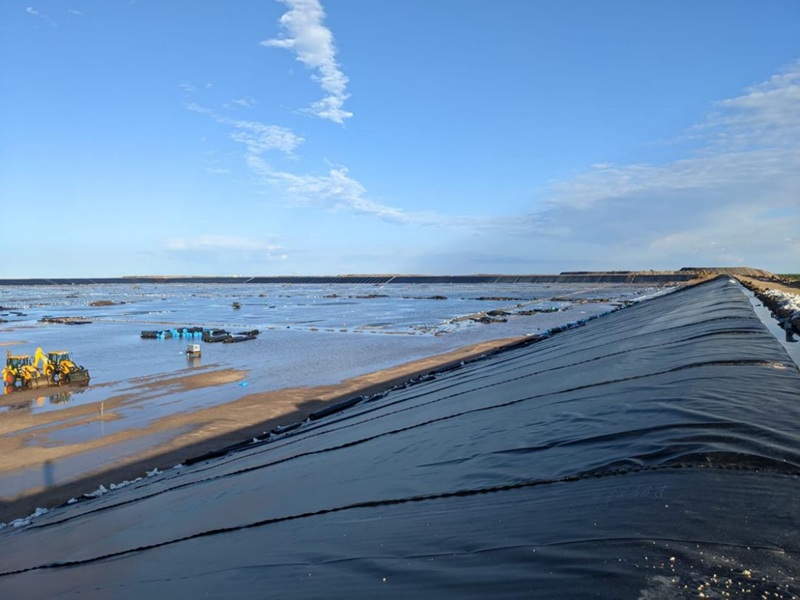
Mining evaporation ponds require geomembranes that can perform under harsh environmental conditions. LLDPE Textured Geomembrane offers excellent flexibility and chemical resistance, helping maintain liner integrity under temperature changes, uneven subgrades, and exposure to mining solutions.
Canal Lining Systems
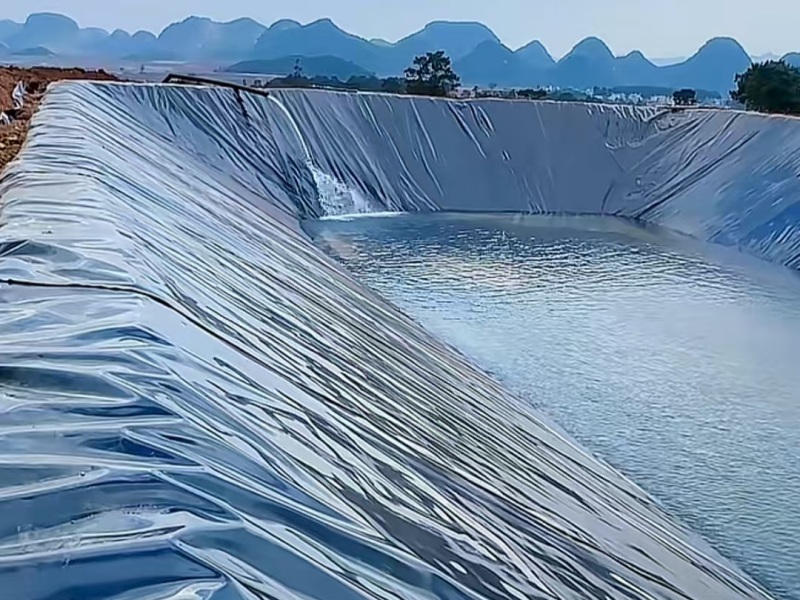
Canals are often constructed on varying soil conditions where settlement and slope movement may occur. The high elongation of LLDPE helps the liner accommodate minor ground changes, while the textured surface improves interface friction, supporting slope stability and reducing installation risks.
Wastewater Lagoons
Wastewater containment systems require reliable anti-seepage performance and chemical resistance. LLDPE Textured Geomembrane provides a durable barrier against leakage while maintaining flexibility in environments where soil movement or temperature variation may affect the liner system.
Decorative Ponds and Landscape Water Features
For landscape water projects, installation conditions are often irregular and require materials that can easily adapt to curved surfaces and complex shapes. LLDPE Textured Geomembrane provides flexible installation, reliable waterproofing, and long-term resistance to outdoor exposure.
Temporary Containment Areas
Temporary storage and containment projects require materials that are easy to install, remove, and reuse. The lightweight flexibility of LLDPE makes it easier to handle on-site while still providing effective liquid containment and protection against leakage.
Environmental Cleanup Sites
Environmental remediation projects often involve contaminated soil, irregular terrain, and challenging working conditions. LLDPE Textured Geomembrane provides a dependable containment layer that helps isolate pollutants and prevent further migration into surrounding soil and groundwater.
 |
 |
Smooth vs Textured Geomembrane – How to Choose the Right Option?
The right geomembrane surface depends on site conditions, slope design, and interface stability requirements.
Flat bottom areas: Smooth geomembrane is usually sufficient, providing reliable impermeability and easier installation.
Moderate slopes: Single-sided textured geomembrane can improve friction performance between the liner and adjacent materials, helping maintain stability during installation and operation.
Steep or challenging slopes: Double-sided textured geomembrane provides higher interface friction on both surfaces, making it suitable for applications where additional slope stability is required.
The textured surface increases friction between the geomembrane and surrounding layers, including soil, geotextiles, and drainage materials. For steep embankments, landfill side slopes, or areas with potential movement, textured geomembrane helps reduce sliding risks and improves the overall reliability of the containment system.
Choosing the Right Geomembrane Thickness
The required geomembrane thickness depends on the application, site conditions, installation environment, and expected service requirements. Selecting the right thickness helps balance project cost, durability, and long-term containment performance.
Fish and Shrimp Ponds: 0.75–1.0 mm
For aquaculture applications, 0.75mm to 1.0mm LLDPE geomembrane is commonly used. This thickness provides sufficient flexibility for pond construction, adapts well to minor ground movement, and offers reliable waterproofing performance for long-term water retention.
Irrigation Reservoirs: 1.0–1.5 mm
Agricultural reservoirs typically require stronger protection against outdoor exposure, water level changes, and possible subgrade movement. A 1.0mm to 1.5mm geomembrane provides improved puncture resistance and durability for long-term irrigation systems.
Mining Evaporation Ponds: 1.5–2.0 mm
Mining applications often involve more demanding conditions, including chemical exposure, temperature fluctuations, and heavy operational requirements. Thicker geomembranes provide enhanced mechanical strength and greater resistance against damage during installation and service.
Industrial Containment: 2.0 mm and Above
Industrial containment projects may require thicker geomembranes due to higher loading conditions, chemical contact, and stricter environmental protection requirements. Increased thickness provides additional safety margins for critical containment systems.
For projects located in cold climates, areas with uneven subgrades, or sites where long-term settlement is expected, selecting a thicker geomembrane is often recommended. Additional thickness helps reduce stress caused by ground movement and improves the overall reliability of the liner system.
LLDPE Geomembrane Installation Tips
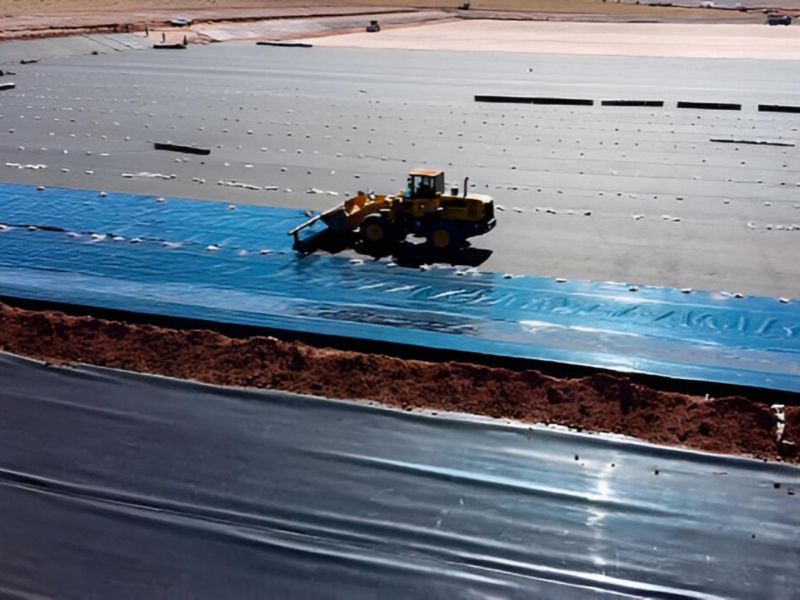
Proper installation plays an important role in achieving long-term performance of LLDPE Textured Geomembrane. Attention to site preparation, temperature conditions, and installation methods can help reduce potential issues during service.
Prepare the Subgrade Properly
Before installation, the subgrade should be cleaned, leveled, and free from sharp rocks, debris, or other materials that may damage the liner. Proper surface preparation helps prevent punctures and improves the overall reliability of the containment system.
Adjust Welding Settings According to Temperature
Ambient temperature can affect geomembrane welding performance. Installation teams should adjust welding temperature and speed according to weather conditions, as morning and afternoon temperatures may require different welding parameters.
Avoid Excessive Tension During Installation
Geomembrane should not be stretched tightly during placement. Allowing appropriate slack helps the liner accommodate future settlement, temperature changes, and minor ground movement without creating unnecessary stress.
Use Geotextile Protection on Rough Subgrades
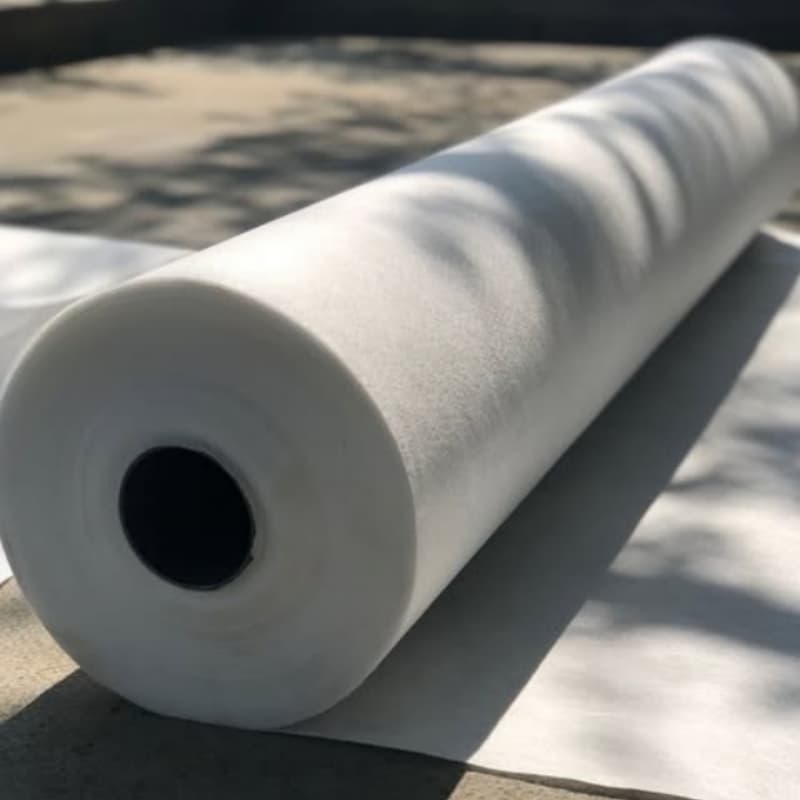
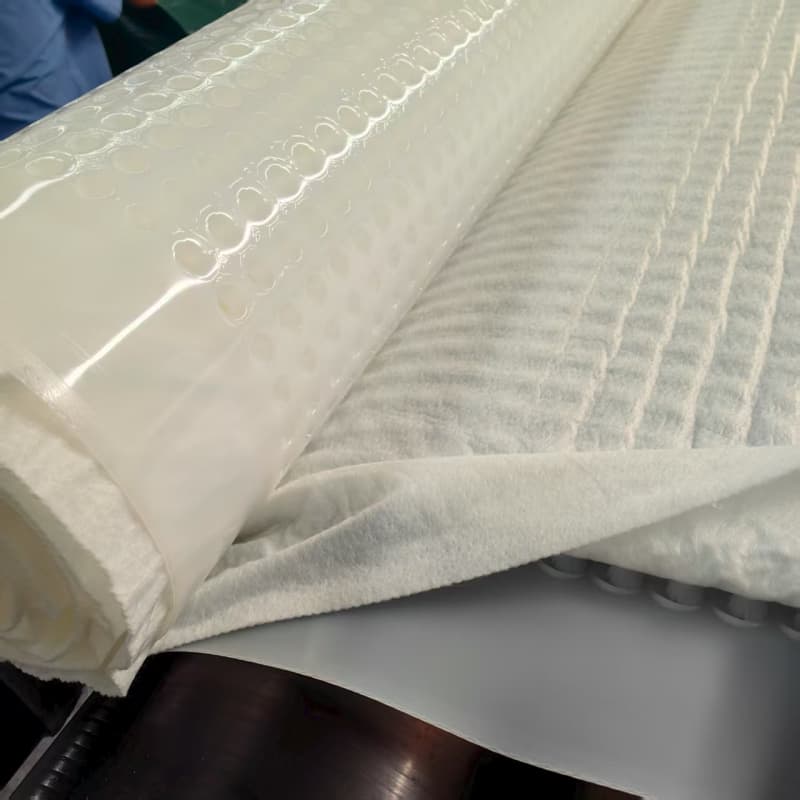
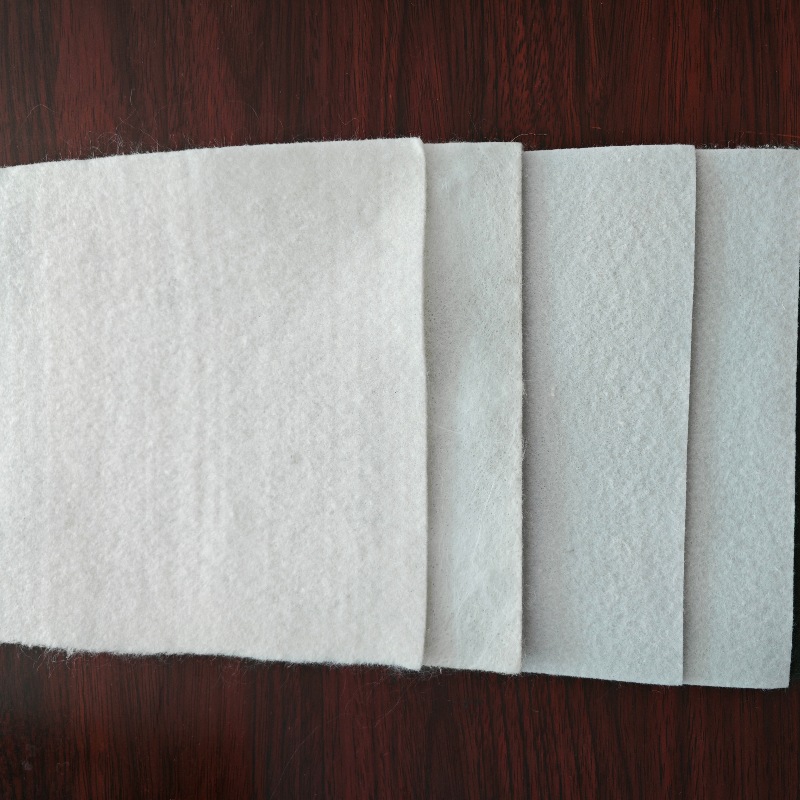
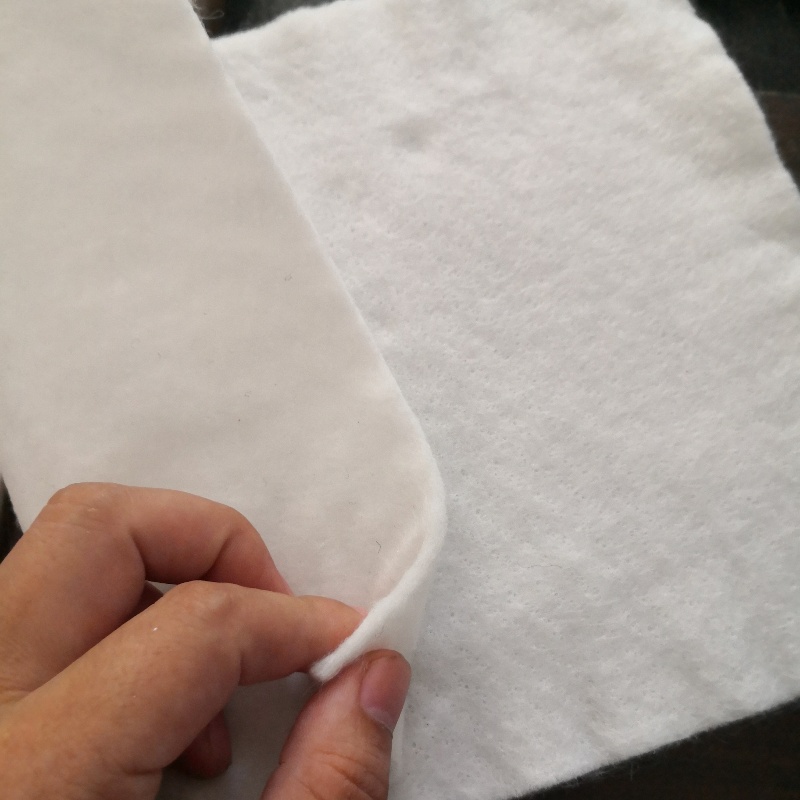
For areas with rocky, uneven, or abrasive ground conditions, installing a nonwoven geotextile beneath the geomembrane provides additional cushioning and puncture protection. This extra protection layer helps improve long-term liner performance and reduces the risk of damage.
Case Study: shrimp pond Liner Project Southeast Asia
A shrimp farm project in Southeast Asia faced challenging site conditions, including uneven soil conditions, frequent rainfall, and significant temperature fluctuations throughout the year. The reservoir slopes required a liner system that could adapt to ground movement while maintaining long-term stability.
The project selected LLDPE Textured Geomembrane due to its combination of flexibility, high elongation, slope friction, and weather resistance. The flexible structure allowed the liner to better accommodate minor subgrade settlement, while the textured surface increased interface friction between the geomembrane and supporting layers.
During periods of heavy rainfall, the textured surface helped maintain liner stability on wet reservoir slopes by reducing the risk of sliding. Compared with smooth geomembrane, the textured surface provided better slope performance under challenging site conditions.
With faster installation, reliable UV resistance, and improved adaptability to uneven terrain, LLDPE Textured Geomembrane provided an effective containment solution for the shrimp farming reservoir.
Key Quality Requirements for LLDPE Geomembrane
Before selecting a geomembrane supplier, project owners and contractors typically review several critical performance indicators. These factors help ensure the liner system meets design requirements and performs reliably throughout its service life.
Important quality parameters include:
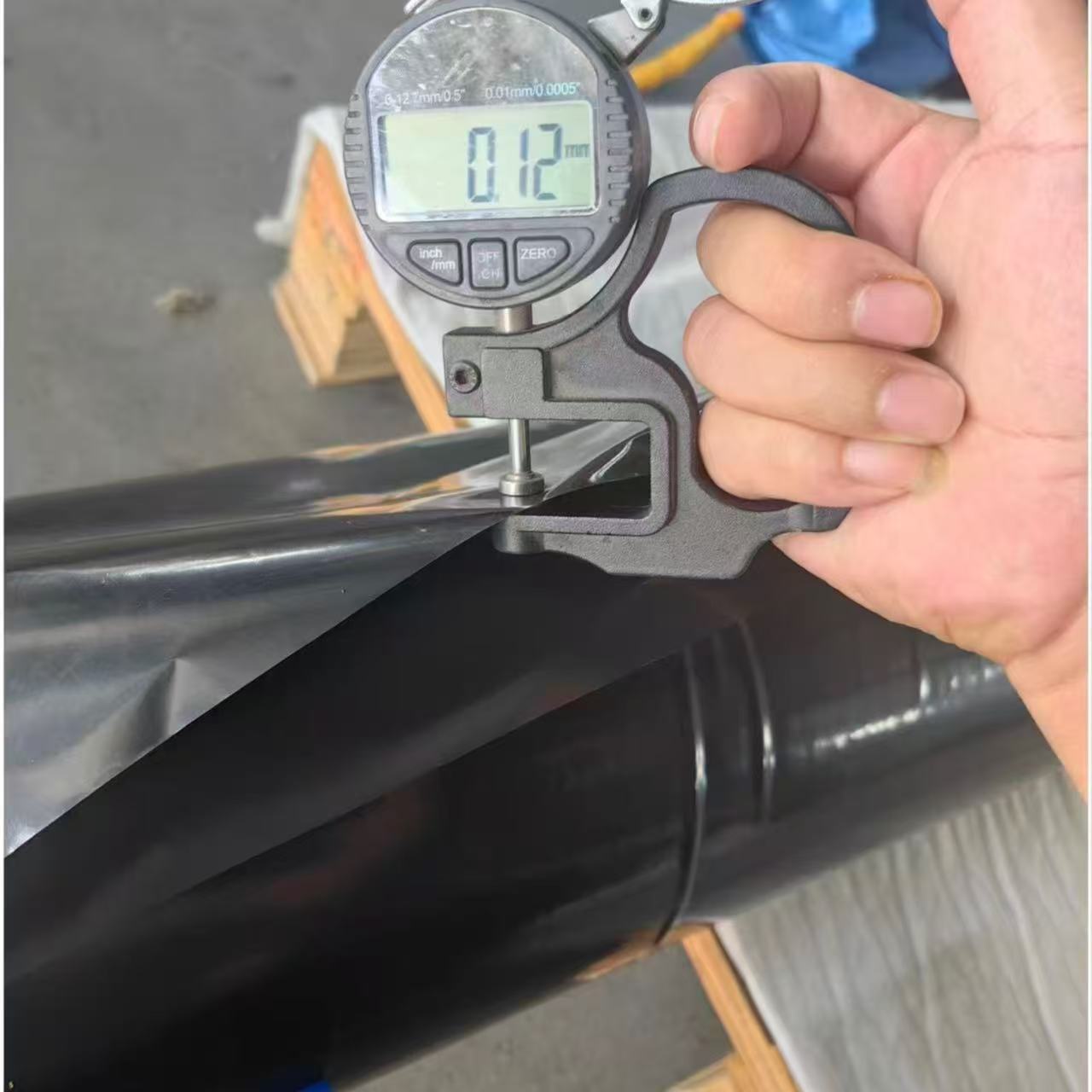
Thickness tolerance – Ensures consistent material performance and reduces weak points during installation and operation.
Tensile strength and elongation – Indicates the geomembrane’s ability to withstand stress, deformation, and ground movement.
Carbon black content – Provides long-term UV resistance for outdoor applications exposed to sunlight.
Seam testing performance – Verifies welding quality and helps ensure reliable leak prevention after installation.
UV resistance and aging performance – Supports long-term durability under harsh environmental conditions.
Many international projects refer to recognized standards such as ASTM and GRI to evaluate geomembrane quality and manufacturing consistency.
Choosing a geomembrane based on verified technical performance and quality control requirements helps reduce installation risks and ensures more reliable long-term containment performance.
Choosing the Right Geomembrane Supplier: Quality Over Price
When selecting a geomembrane supplier, price should not be the only consideration. A reliable supplier should provide consistent material quality, technical support, and stable project delivery.
Key factors to evaluate include:
Raw Material Quality
Verify the use of high-quality virgin resin and consistent material formulation. Quality raw materials are the foundation of long-term geomembrane performance.
Surface Texture Consistency
For textured geomembranes, uniform surface patterns and reliable friction performance are essential for maintaining slope stability and installation quality.
Production Capacity and Quality Control
A supplier with stable manufacturing capability can ensure consistent product supply, batch-to-batch performance, and reliable delivery for large-scale projects.
Welding Compatibility
Before large orders, conduct welding tests to confirm compatibility with standard installation equipment and ensure reliable seam performance in the field.
Export Experience and Technical Support
Experienced suppliers understand international shipping requirements, project documentation, and provide assistance with material selection, installation guidance, and quality control.
For large-scale engineering projects, consistent quality, reliable supply, and professional technical support provide greater long-term value than choosing a supplier based only on the lowest price.
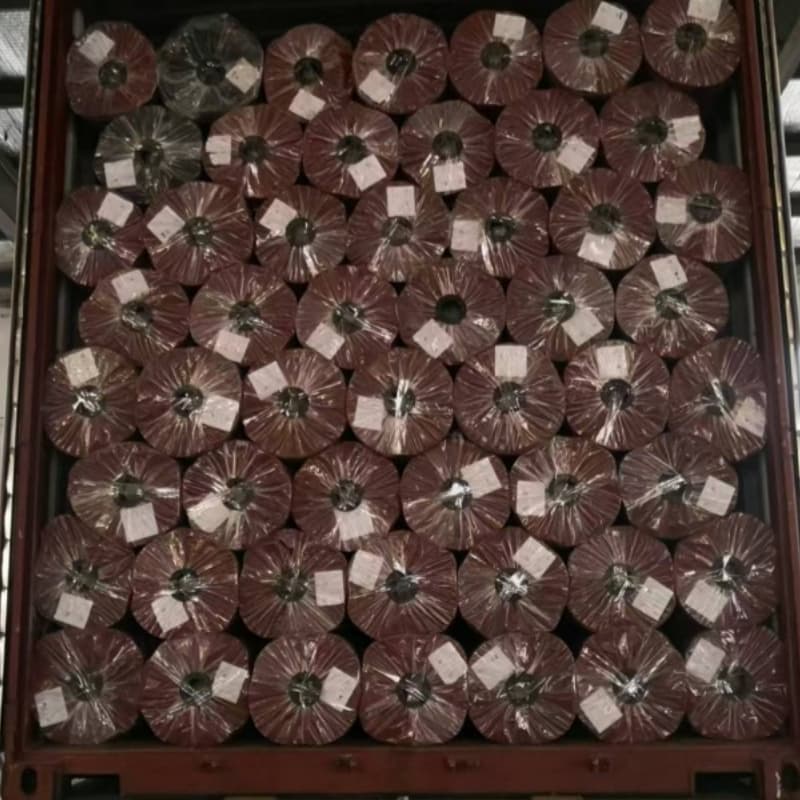
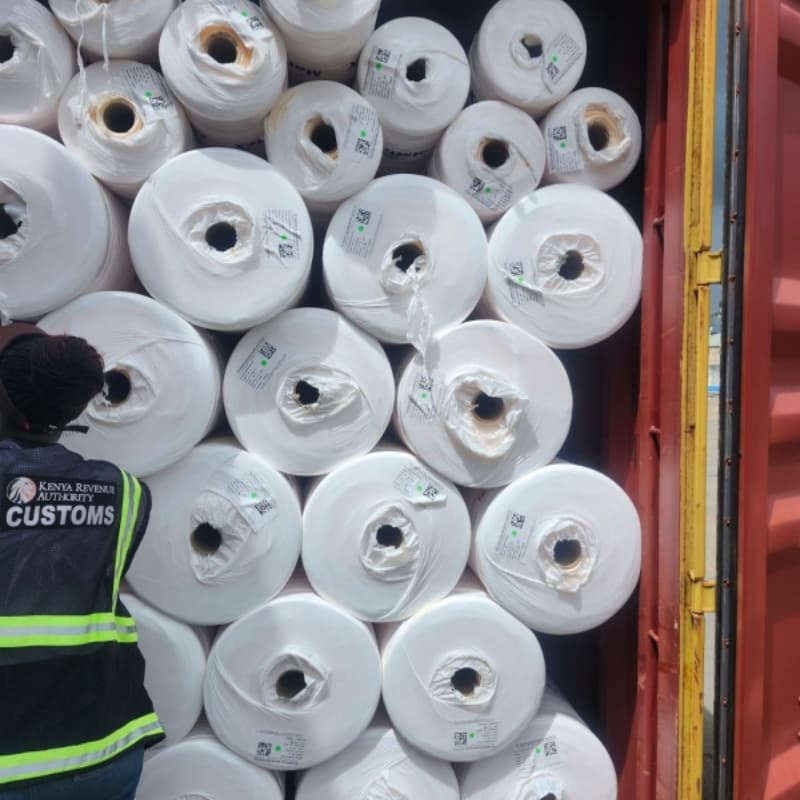
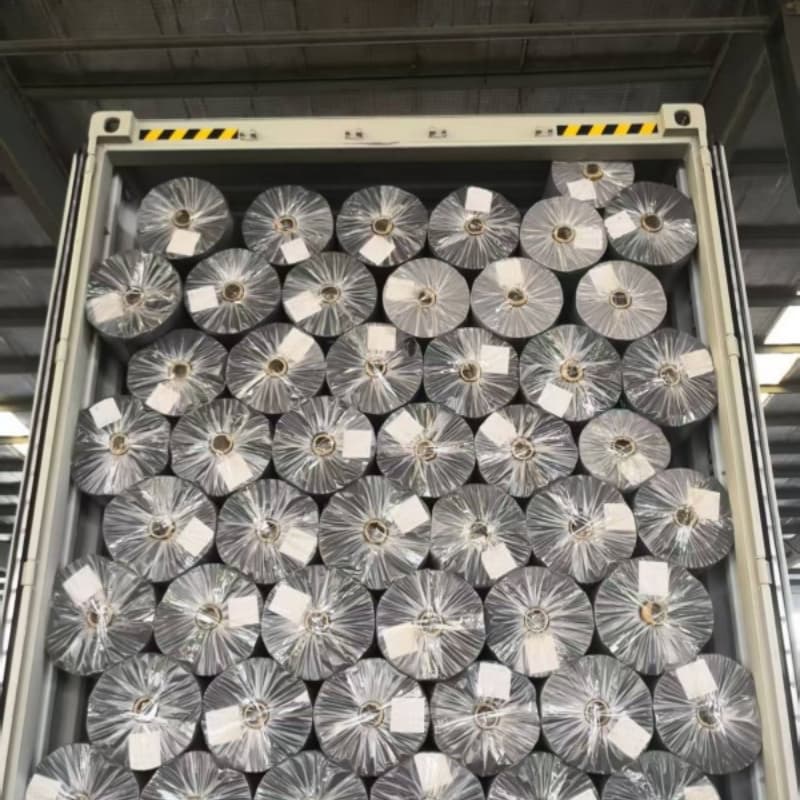
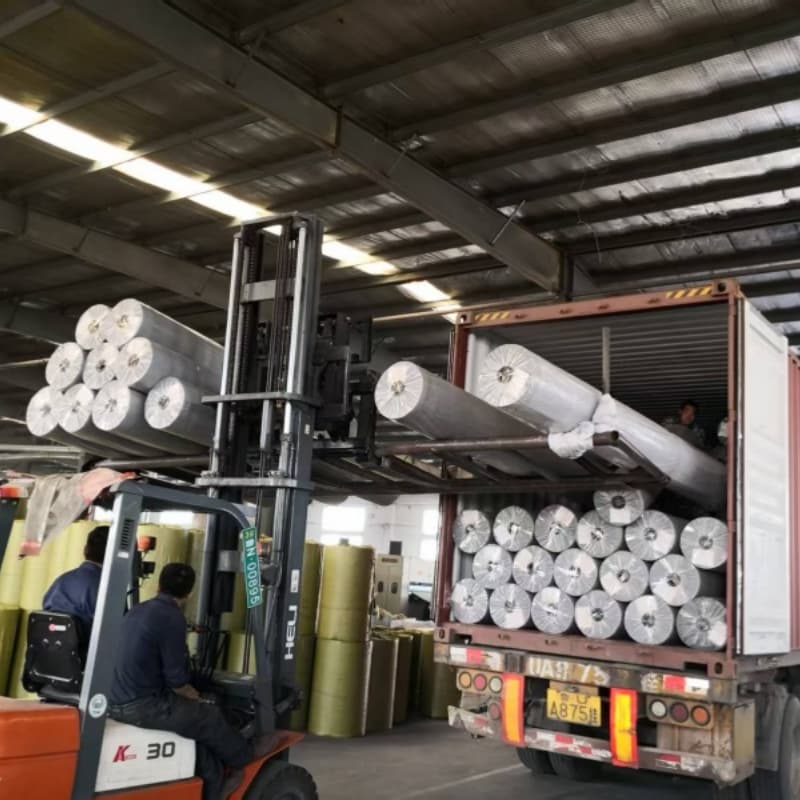
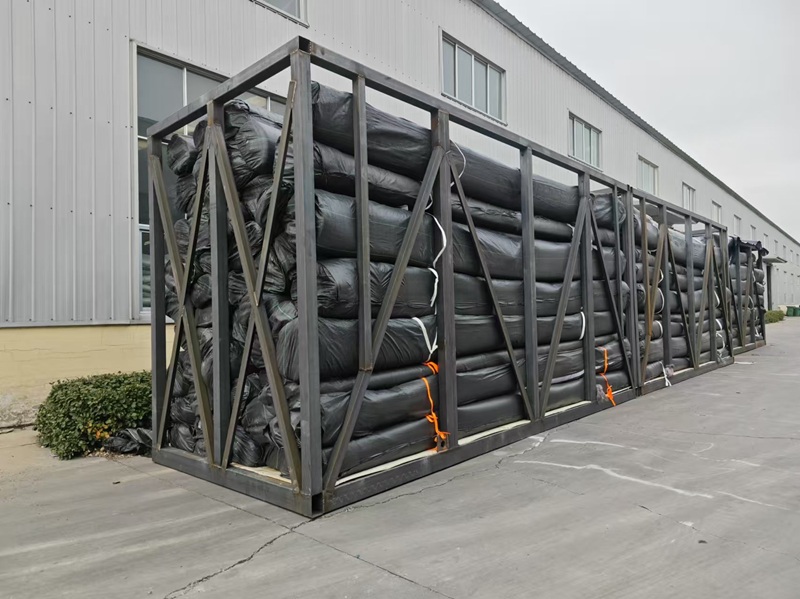
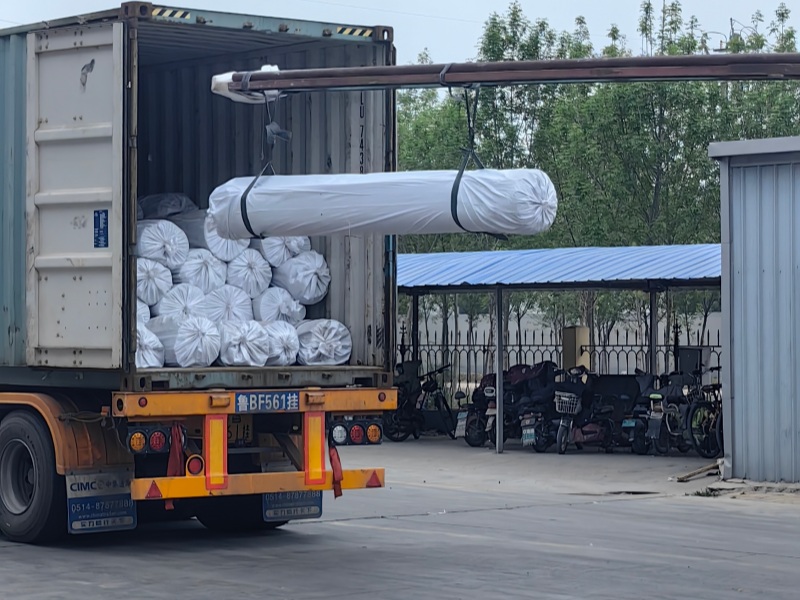
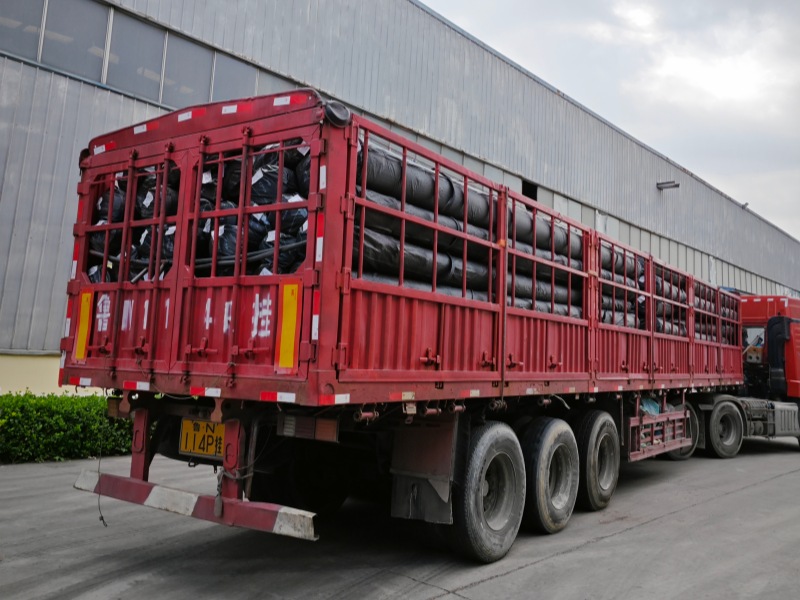
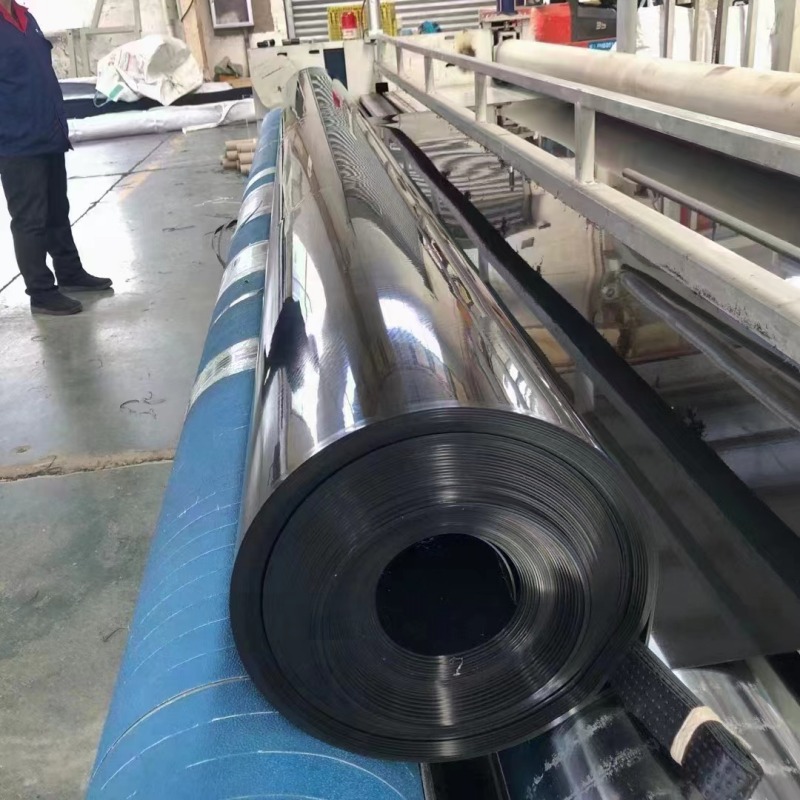
Packing And Delivery
 |
 |
 |
 |
 |
 |
 |
 |
FAQ
HDPE vs. LLDPE: What Is the Difference?
HDPE geomembrane offers higher stiffness, excellent chemical resistance, and strong mechanical properties, making it suitable for demanding applications such as landfills, mining facilities, and industrial containment.
LLDPE geomembrane provides higher flexibility and elongation, allowing it to better adapt to uneven subgrades, temperature changes, and minor ground movement. It is often preferred for applications where flexibility is a key requirement.
Why Use Textured Geomembrane on Slopes?
Textured geomembrane increases interface friction between the liner and surrounding materials, including soil, geotextiles, and drainage layers. This improved friction helps enhance slope stability and reduces the risk of liner movement during installation and long-term operation.
Is LLDPE Suitable for Fish Ponds?
Yes. LLDPE geomembrane is commonly used for fish ponds and shrimp ponds because of its flexibility, waterproof performance, and ability to adapt to minor ground deformation. It provides reliable water containment while reducing stress caused by uneven pond foundations.
What Thickness Is Recommended for Fish Pond Liners?
For most fish pond applications, 0.75–1.0 mm LLDPE geomembrane is commonly selected. The final thickness depends on site conditions, subgrade quality, installation environment, and expected service requirements.
Can LLDPE Geomembrane Be Welded On Site?
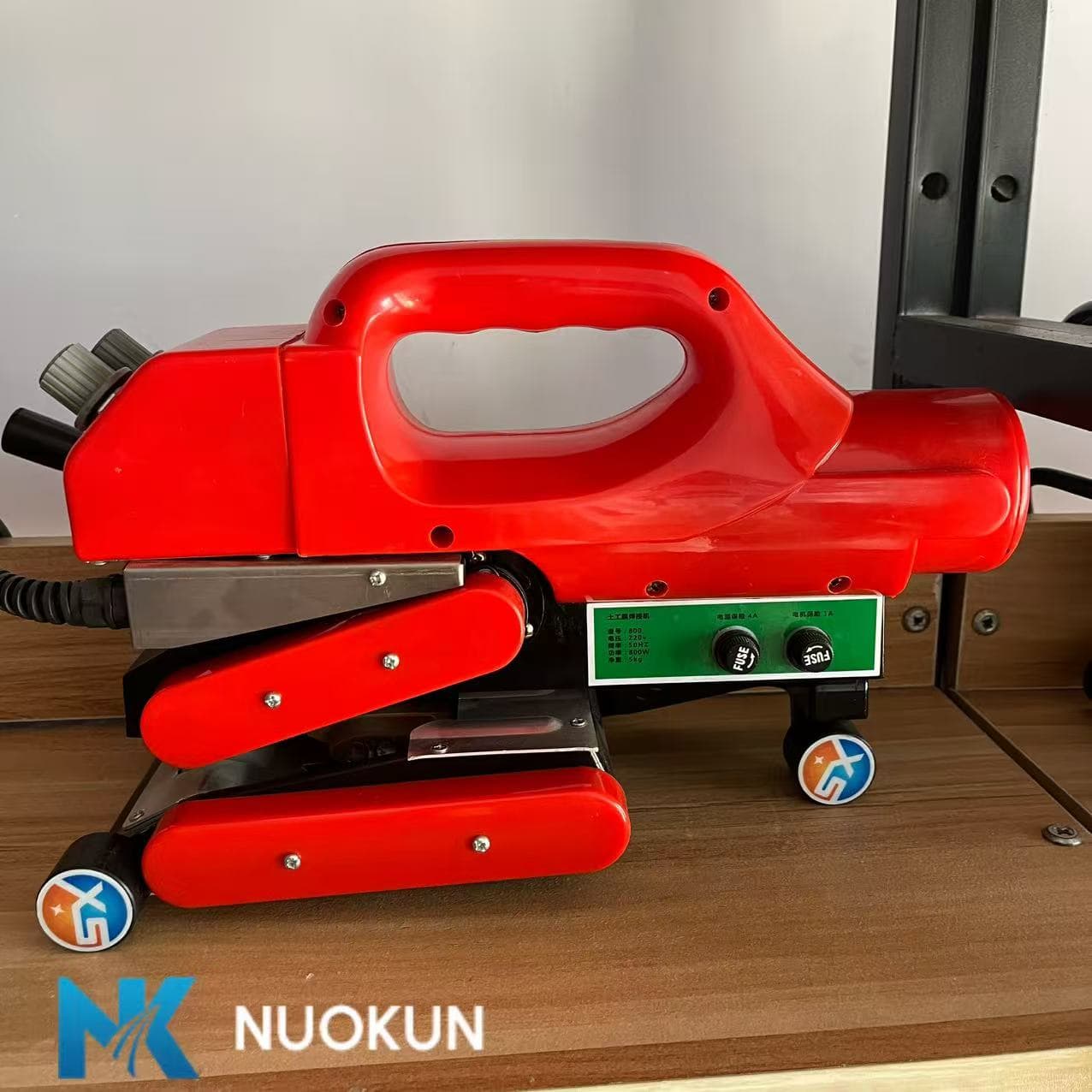
Yes. LLDPE geomembrane can be welded using standard hot wedge welding machines or extrusion welding equipment. Welding parameters, including temperature and speed, should be adjusted according to material thickness, ambient temperature, and site conditions to achieve reliable seam performance.
leave a message
Scan to Wechat/Whatsapp :



 English
 Français
 Deutsch
 Русский
 Español
 Português
 عربي
عربي Tiếng Việt
 Indonesia
 हिन्दी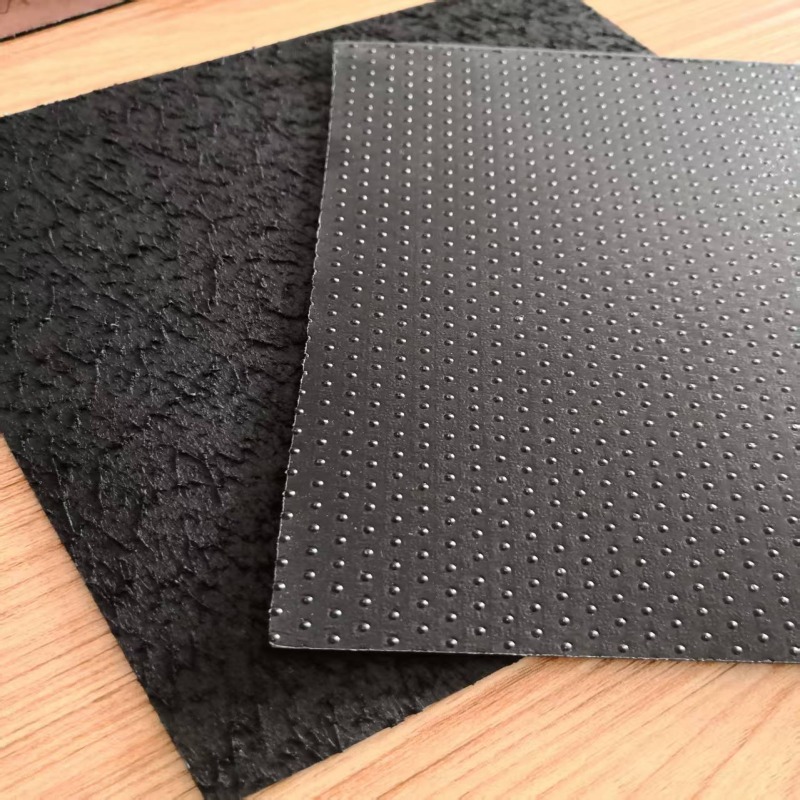


 IPv6 network supported