leave a message
If you are interested in our products and want to know more details,please leave a message here,we will reply you as soon as we can.
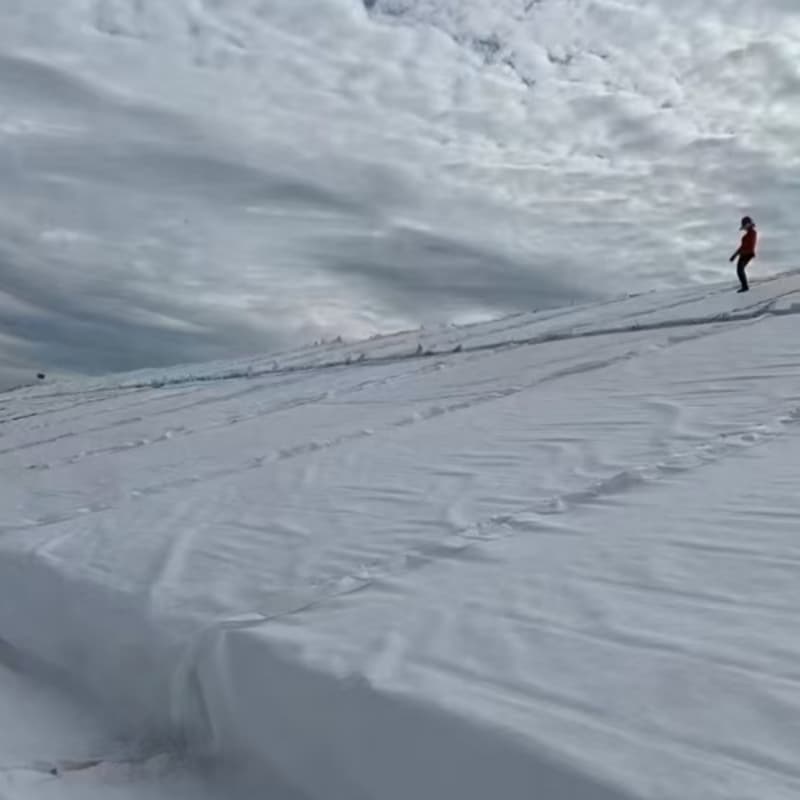
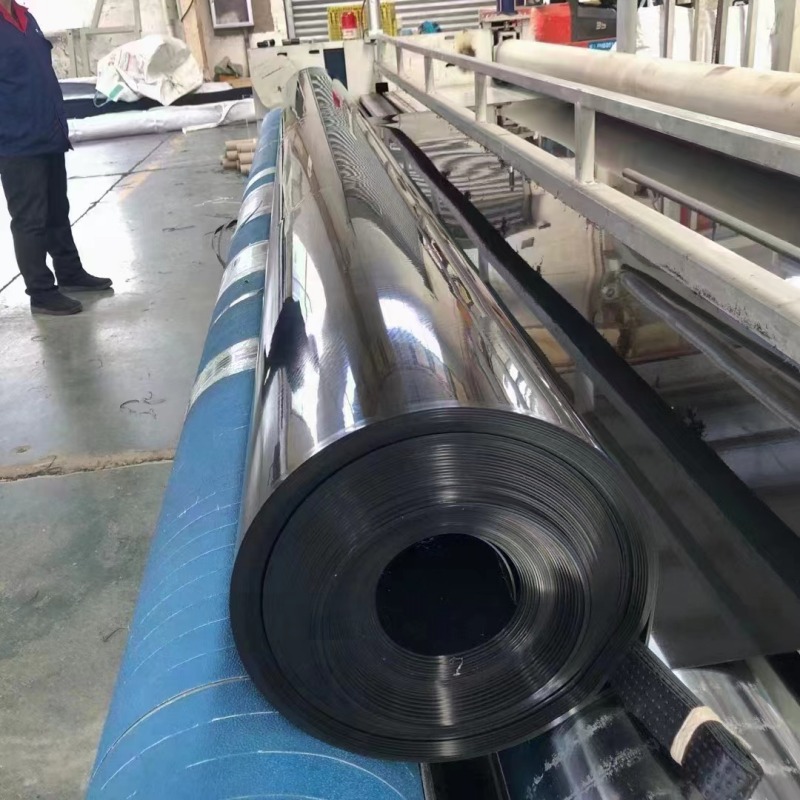
PE Geomembrane is a polymeric waterproofing and seepage-control liner widely used in environmental, water conservancy, mining, agriculture, and civil engineering projects. It is manufactured from polyethylene resin and provides a continuous low-permeability barrier to control the movement of water and other liquids.
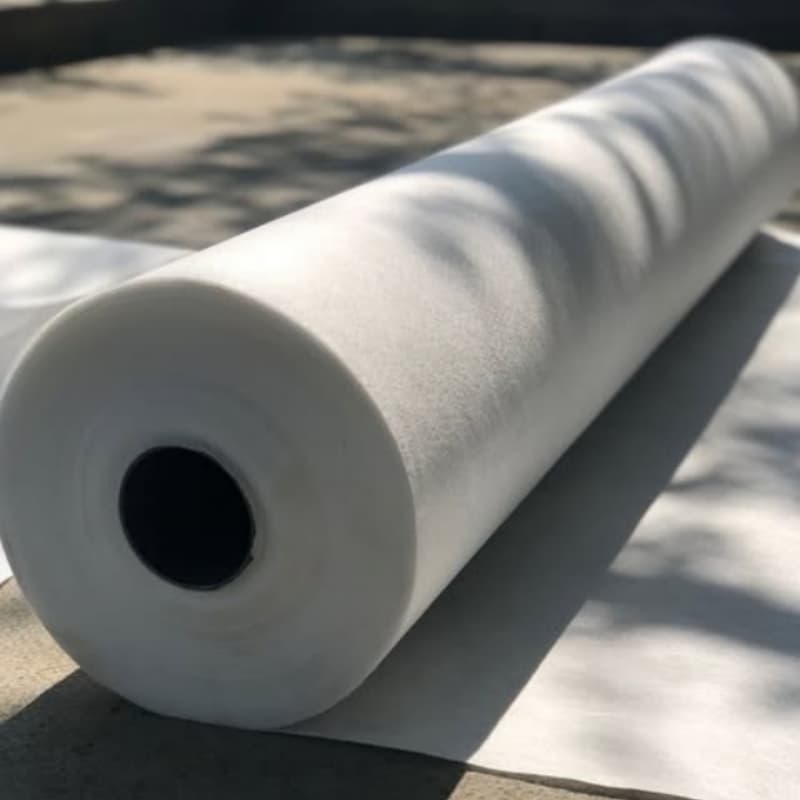
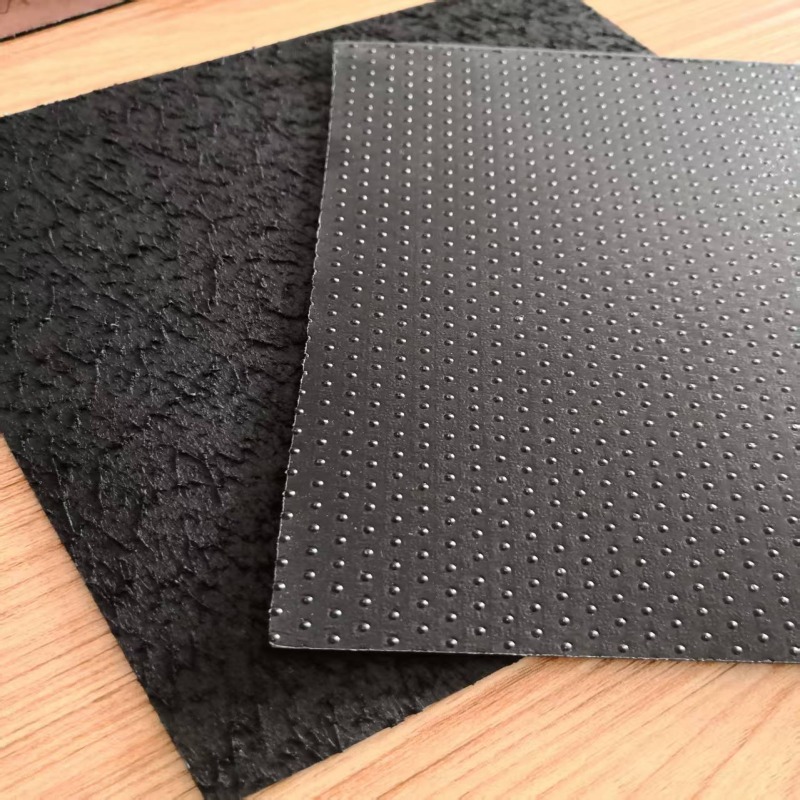
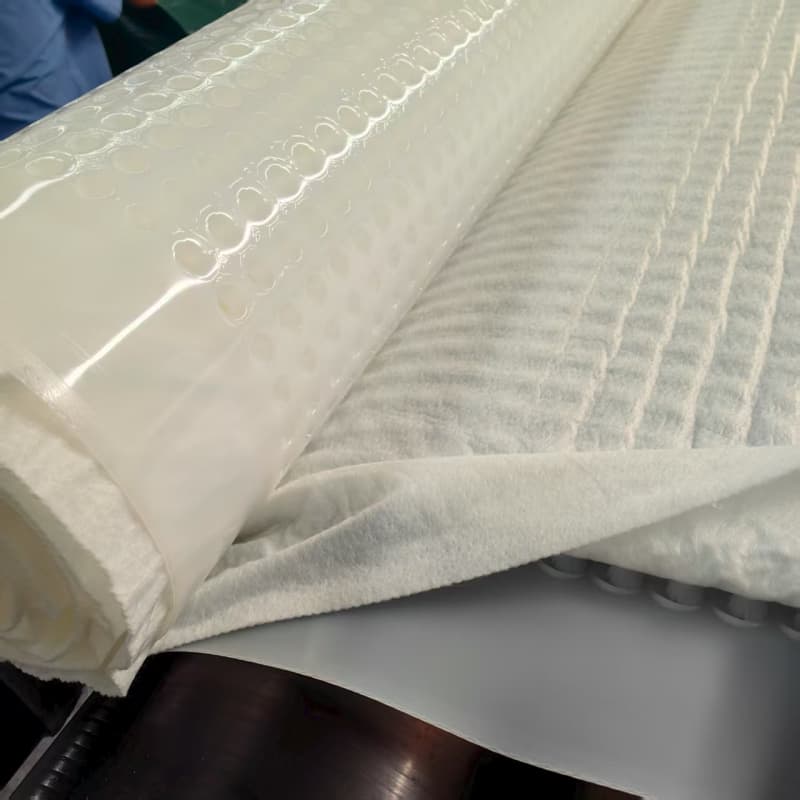
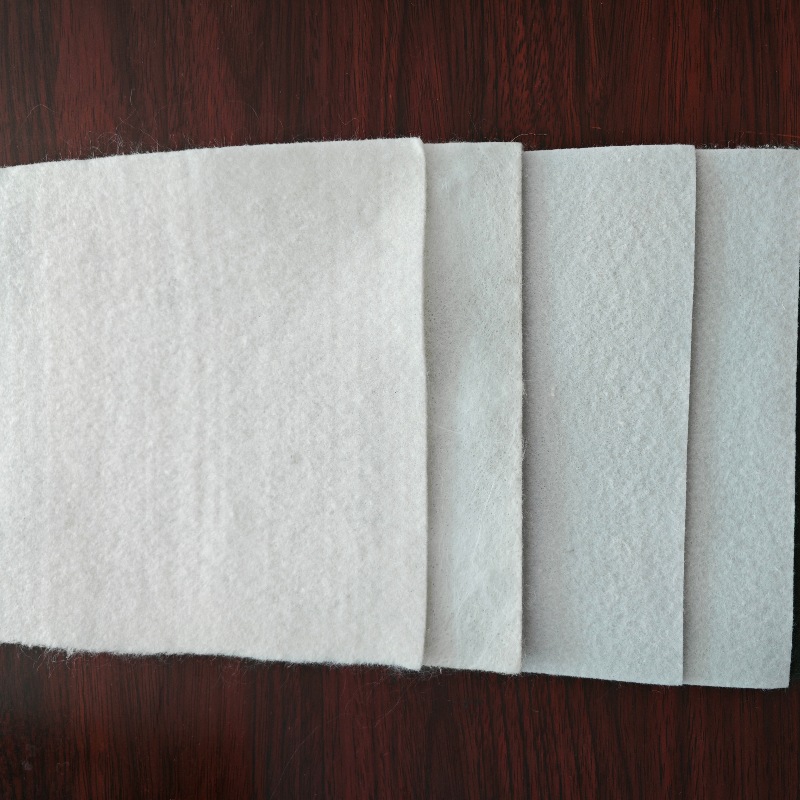
Composite PE geomembrane, including two-geotextile-one-geomembrane structures, combines the seepage-control performance of the geomembrane with the protection and reinforcement provided by geotextiles. Different thicknesses, surface structures, and specifications can be selected according to project requirements.
Color :
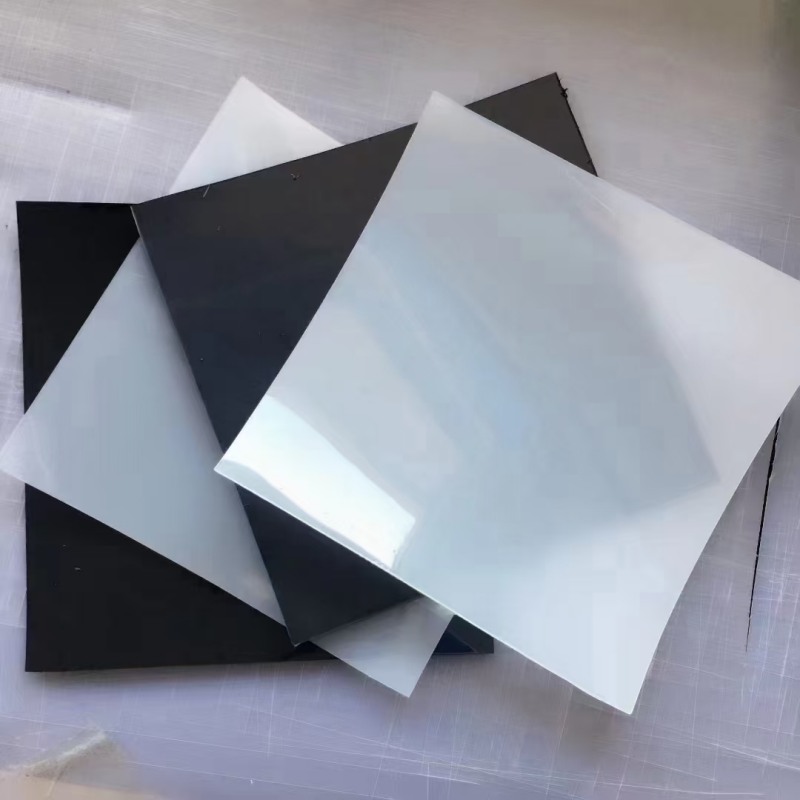
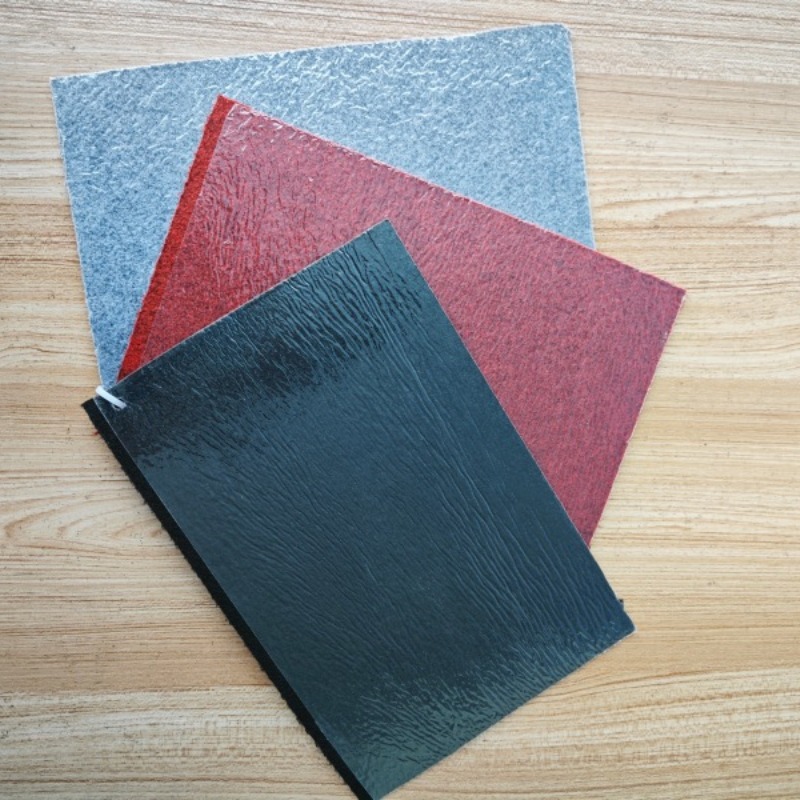
Black, White, Red, Green (Customizable)Thickness :
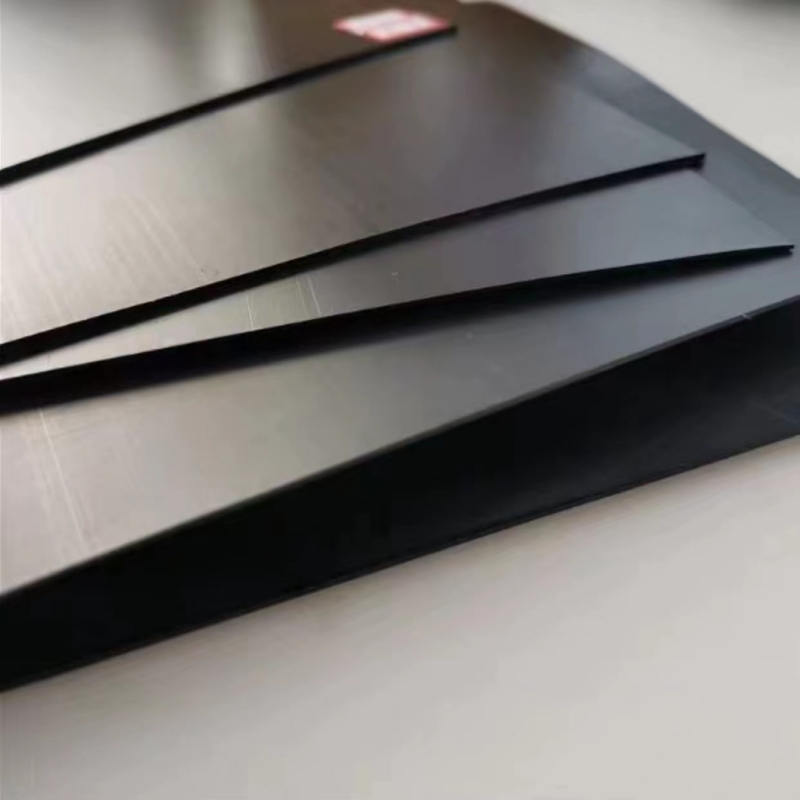
0.05mm-0.5mmLength :
50m-100mLead Time :
7-14 days after deposit paymentOrder(MOQ) :
2000㎡Payment :
FOB (Can communicate and negotiate)Product Origin :
ChinaShipping Port :
Qingdao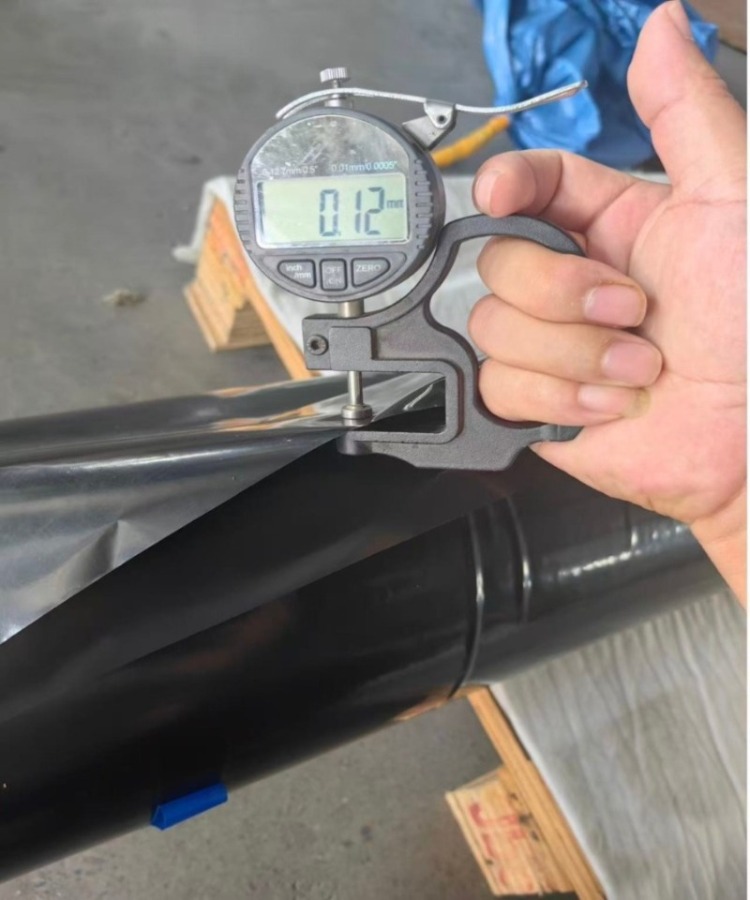
PE Geomembrane is a polymeric waterproofing and seepage-control liner widely used in environmental, water conservancy, mining, agriculture, and civil engineering projects. It is manufactured from polyethylene resin and provides a continuous low-permeability barrier to control the movement of water and other liquids.
Composite PE geomembrane, including two-geotextile-one-geomembrane structures, combines the seepage-control performance of the geomembrane with the protection and reinforcement provided by geotextiles. Different thicknesses, surface structures, and specifications can be selected according to project requirements.
PE Geomembrane is particularly suitable for projects where preventing water or contaminated liquid from penetrating into the underlying ground is important. It can be installed on prepared soil, concrete, or other suitable substrates and connected by professional thermal welding equipment. Properly welded seams allow individual membrane panels to form a continuous liner system with minimized leakage risks.
PE Geomembrane is engineered as a durable low-permeability barrier for projects where reliable seepage control is essential. Its main advantages include:
1. Excellent Seepage Control
The dense polyethylene structure provides low permeability, helping prevent water and liquid from penetrating into the surrounding soil. It is suitable for reservoirs, ponds, wastewater facilities, and containment systems.
2. High Tensile and Puncture Resistance
PE Geomembrane can withstand tensile stress and mechanical loads during transportation, installation, and service. Proper thickness selection and subgrade preparation can further reduce the risk of puncture and damage.
3. Good Chemical Resistance
The material offers good resistance to many acids, alkalis, salts, and other chemical substances, making it suitable for wastewater treatment, landfill leachate containment, and mining applications.
4. Reliable Welding Performance
Adjacent geomembrane sheets can be joined by hot-wedge welding or extrusion welding. Properly welded seams can form a continuous barrier and reduce leakage risks at panel connections.
5. UV and Weather Resistance
High-quality PE geomembrane formulated with appropriate additives can provide good resistance to sunlight, oxidation, and outdoor weathering, making it suitable for exposed or semi-exposed applications.
6. Long-Term Seepage Protection
With suitable material selection, proper installation, qualified welding, and appropriate protective layers, PE Geomembrane can provide long-term seepage-control performance for demanding engineering projects.
1. Water Storage Reservoirs
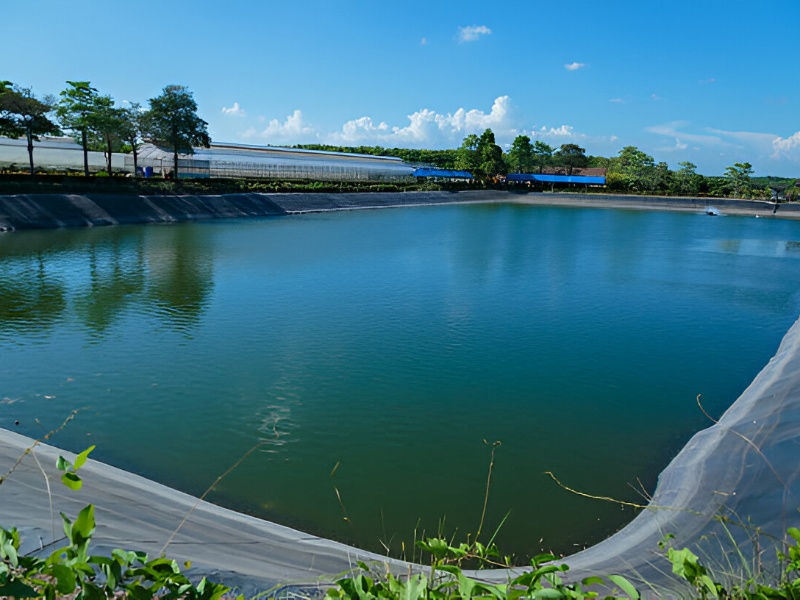
PE Geomembrane is widely used for irrigation reservoirs, farm ponds, water-storage tanks, artificial lakes, and emergency water-storage facilities. It forms a low-permeability barrier at the bottom and side slopes to reduce water loss caused by seepage.
2. Aquaculture Ponds
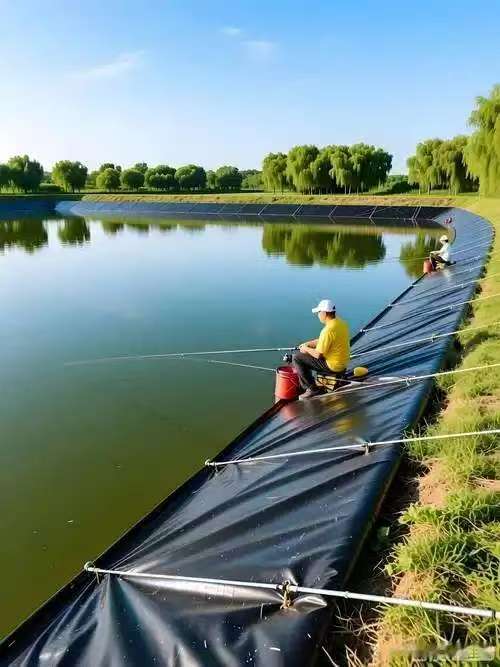
Suitable for fish ponds, shrimp ponds, crab ponds, and other aquaculture facilities. The geomembrane provides reliable seepage control and helps maintain stable water levels.
3. Agricultural Irrigation
Used for irrigation ponds, agricultural reservoirs, irrigation channels, and farm water-storage systems. PE Geomembrane helps reduce seepage through soil and improve the efficiency of water storage and irrigation.
4. Wastewater Treatment
Applied to wastewater treatment ponds, sewage lagoons, oxidation ponds, anaerobic ponds, equalization ponds, and emergency containment ponds. The geomembrane provides a barrier between contaminated liquids and the surrounding soil.
5. Landfill Engineering
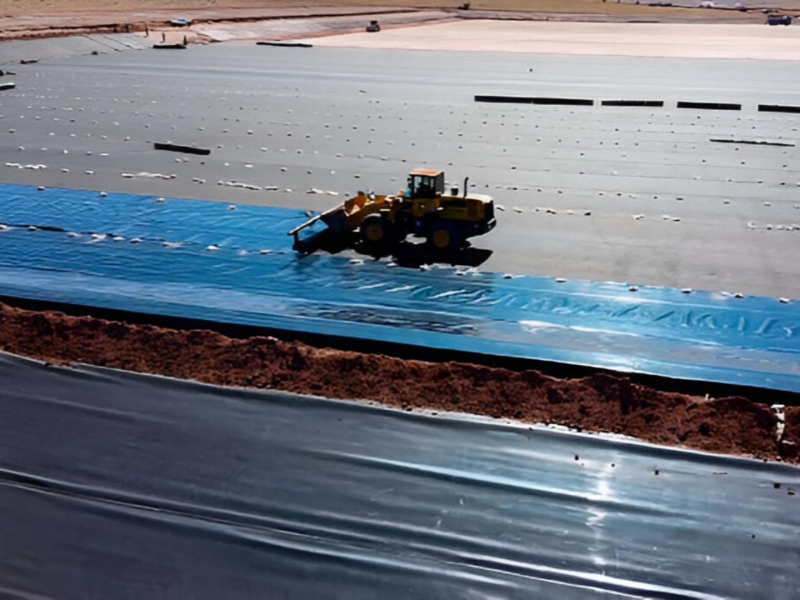
PE Geomembrane is commonly used in landfill base liners, side-slope liners, leachate containment systems, landfill caps, and waste containment areas. It can prevent leachate from migrating into the surrounding soil and groundwater.
6. Mining Projects
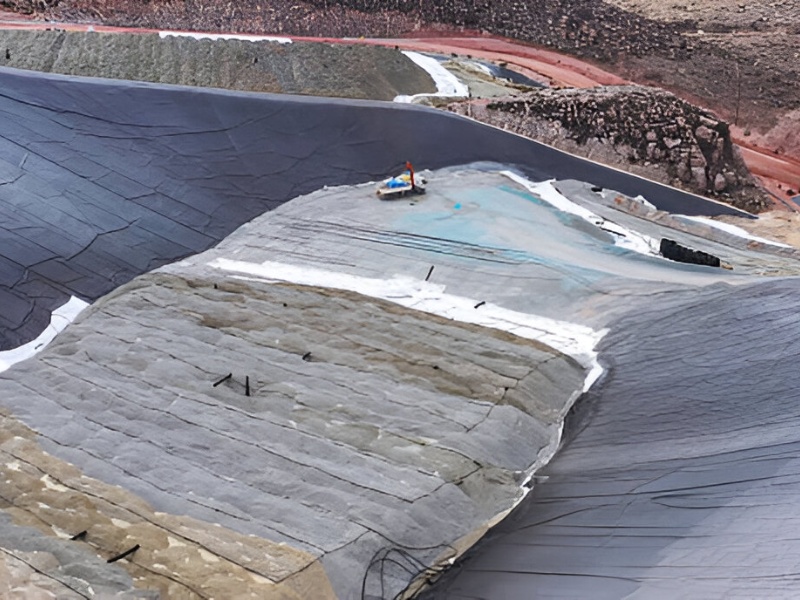
Used for tailings ponds, heap leach pads, evaporation ponds, process-water ponds, and mining wastewater containment facilities. The geomembrane provides a low-permeability barrier for contaminated liquids and process solutions.
7. Landscape Water Projects
Suitable for artificial lakes, decorative ponds, ecological ponds, garden water features, and urban landscape water systems. PE Geomembrane can provide waterproofing and seepage control beneath the water body.
8. Civil and Infrastructure Engineering
According to project requirements, PE Geomembrane can also be used in canals, tunnels, underground structures, secondary containment areas, and other waterproofing and seepage-control systems.
In 2012, the Therme Geinberg thermal resort in Austria developed a large landscape water project consisting of two luxury ponds integrated into the five-star resort environment. The ponds required a reliable waterproofing and seepage-control system that could adapt to different areas and operating conditions. The project was selected aspproximately 7,000 m² of 1.5 mm smooth PE-VLD geomembrane as the main liner and installed across the pond bottom and side areas to create a continuous low-permeability barrier, helping reduce water seepage and protect the surrounding ground.
The project also used approximately 100 m² of slip-resistant PE-VLD geomembrane near the wooden walkways and stairs, providing higher surface friction for visitor access areas. The maximum pond depth was approximately 2.4 m, and the water temperature could be adjusted to meet seasonal conditions. This project demonstrates that PE geomembrane can be used not only for conventional water-storage and containment projects, but for sophisticated landscape and recreational water facilities requiring reliable waterproofing, durability, flexibility, and customized surface performance.
| Item | PE Geomembrane | HDPE Geomembrane |
| Material Structure |
PE Geomembrane is a broader category of polyethylene-based geomembranes. |
HDPE Geomembrane is a specific type of polyethylene geomembrane made primarily from high-density polyethylene resin, with a relatively rigid and stable structure. |
| Flexibility | More flexible, allowing better adaptation to curves, irregular surfaces, and moderate ground deformation. | Relatively stiffer, providing excellent dimensional stability but requiring a well-prepared and smooth subgrade. |
| Elongation | Typically offers higher elongation and better deformation adaptability, depending on the specific PE formulation. | Generally has lower elongation than more flexible PE formulations, but provides high strength and dimensional stability. |
| Crack & Settlement Adaptability | Better suited to projects where differential settlement, uneven subgrades, or structural movement may occur. | stable foundations and large containment structures, but requires greater attention to subgrade preparation where significant movement is expected. |
| Chemical Resistance | Good resistance to many common chemicals and suitable for water-storage, agriculture, aquaculture, and general environmental applications. | Excellent chemical resistance and widely used in landfills, mining, industrial wastewater, and other chemically demanding environments. |
1. Surface Preparation
Before welding, clean the geomembrane surface and remove dust, moisture, mud, oil, and other contaminants. The overlapping area should be flat, dry, and free from wrinkles or foreign materials. Any damaged areas should be repaired before welding.
2. Panel Alignment and Overlap
Place adjacent PE Geomembrane panels according to the installation layout. The membrane should remain naturally relaxed without excessive tension. The overlap width should generally be controlled according to the welding equipment and project specifications, with sufficient width reserved for a continuous and reliable seam.
3. Equipment Inspection and Parameter Setting
Before formal welding, inspect the welding machine, heating system, pressure rollers, temperature controller, and power supply. Set the welding temperature, travel speed, and pressure according to the membrane thickness, material characteristics, ambient temperature, and site conditions.
4. Trial Welding
Before production welding, carry out trial welding on a small piece of the same geomembrane material. Check whether the temperature, welding speed, and pressure are properly matched. The trial seam should then be tested to confirm its welding quality before large-scale welding begins.
5. Main Seam Welding
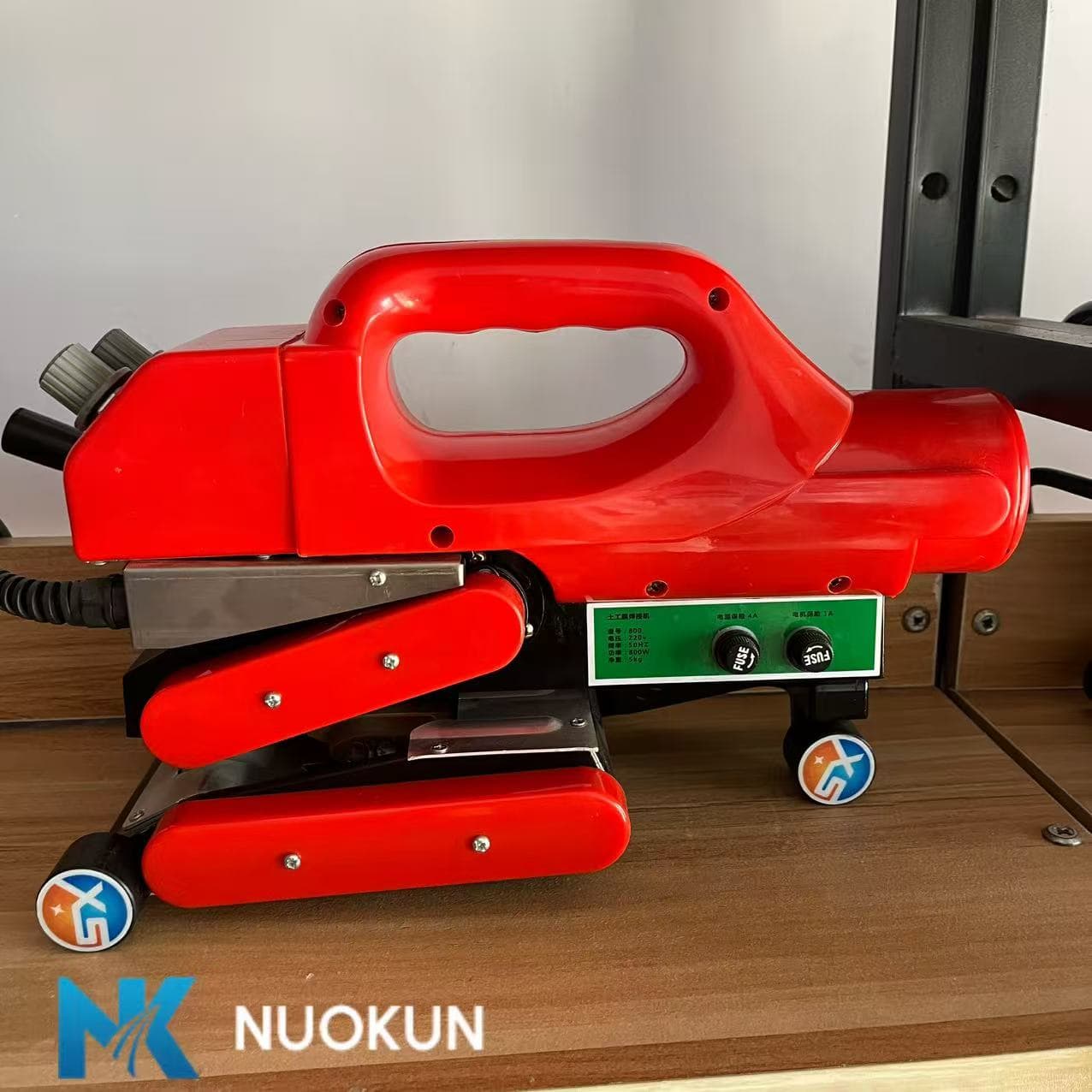
For long straight seams, an automatic hot-wedge welding machine is commonly used. The heating wedge heats the overlapping surfaces to the required temperature, while the pressure rollers simultaneously press the softened layers together. As the machine moves forward at a controlled speed, the two membrane sheets are continuously fused to form a uniform seam.
6. Detail and Corner Welding
Corners, T-joints, penetrations, pipe connections, and other complicated areas require additional attention. Automatic welding equipment may not be suitable for every detail, so a handheld extrusion welder or other appropriate equipment can be used according to the membrane system and project requirements.
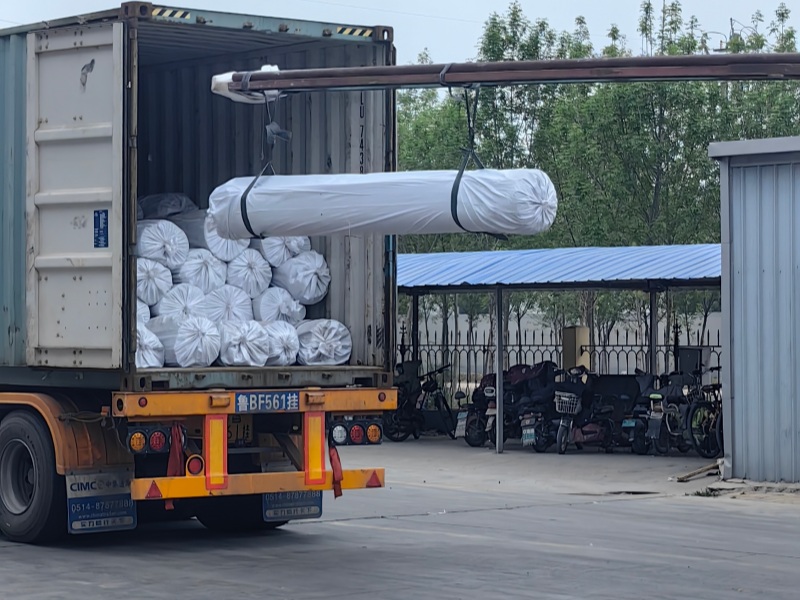
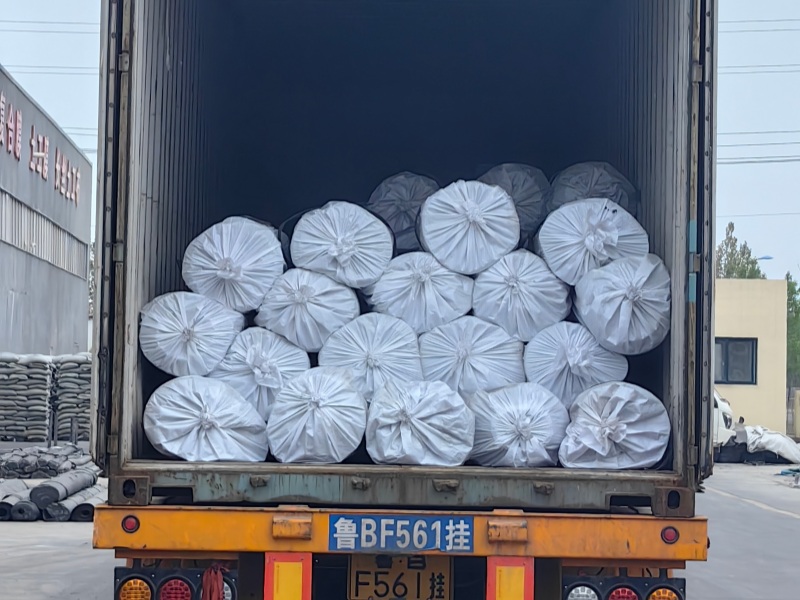
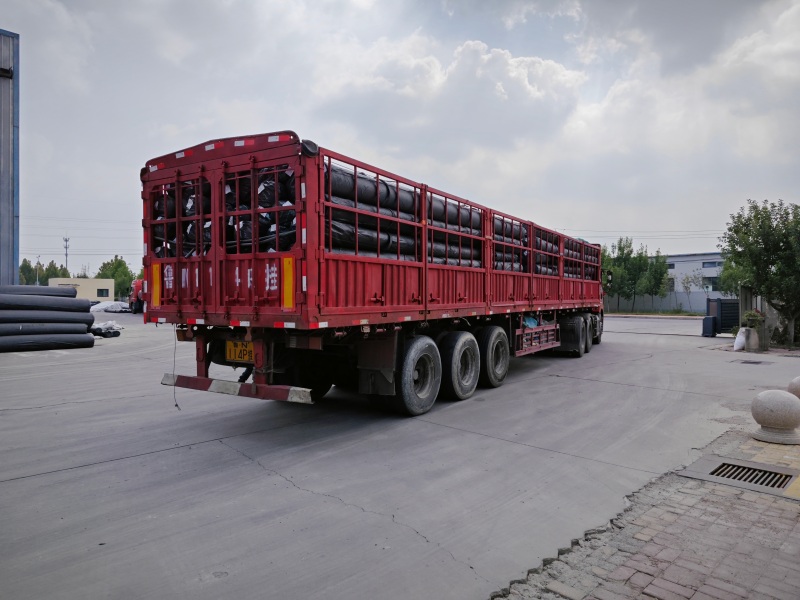
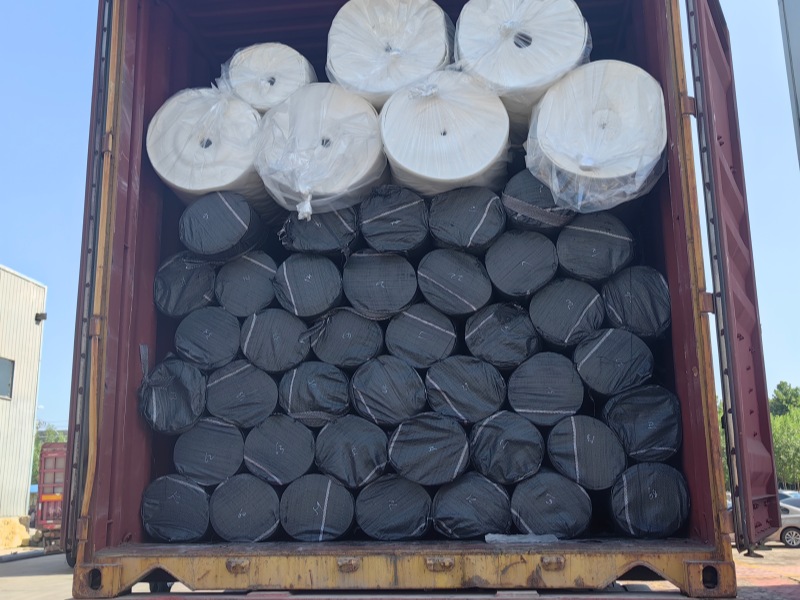
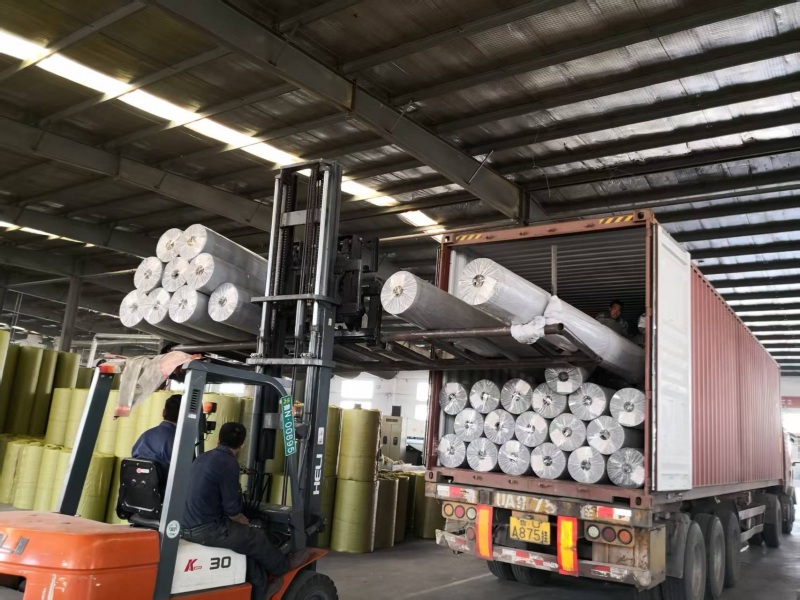
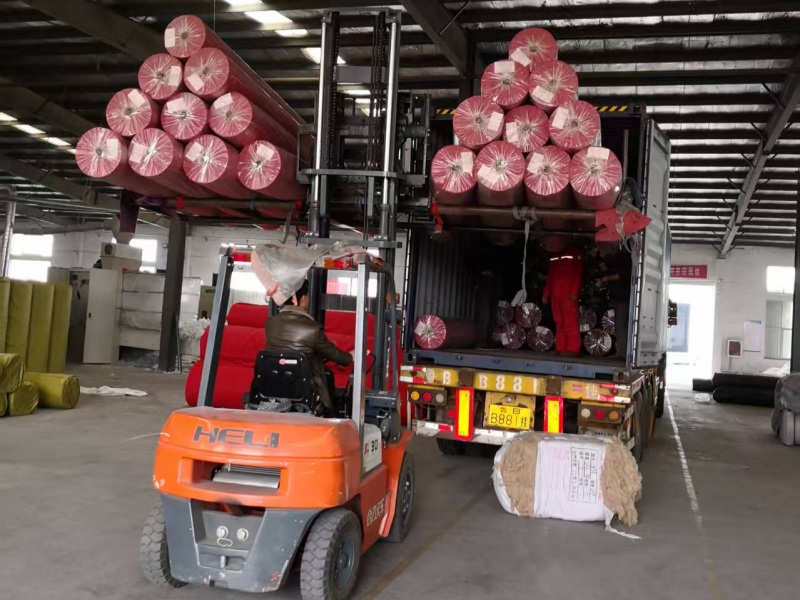
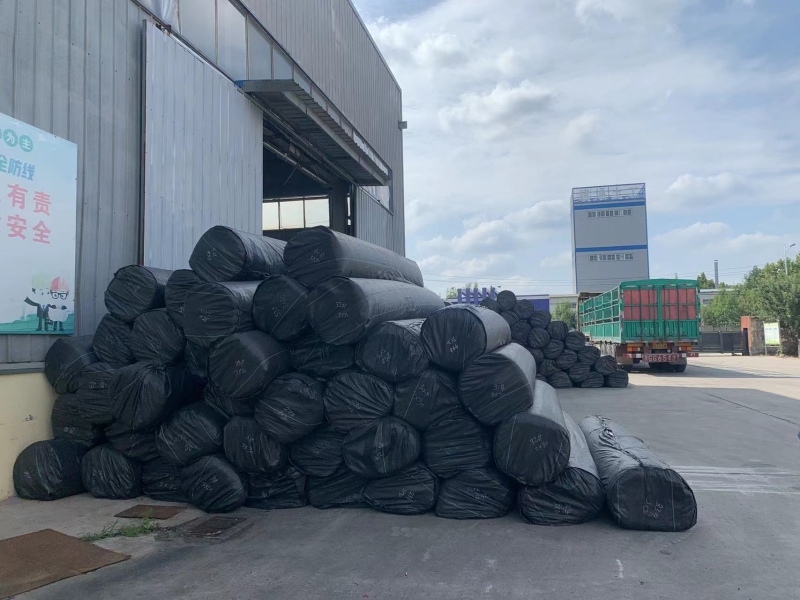
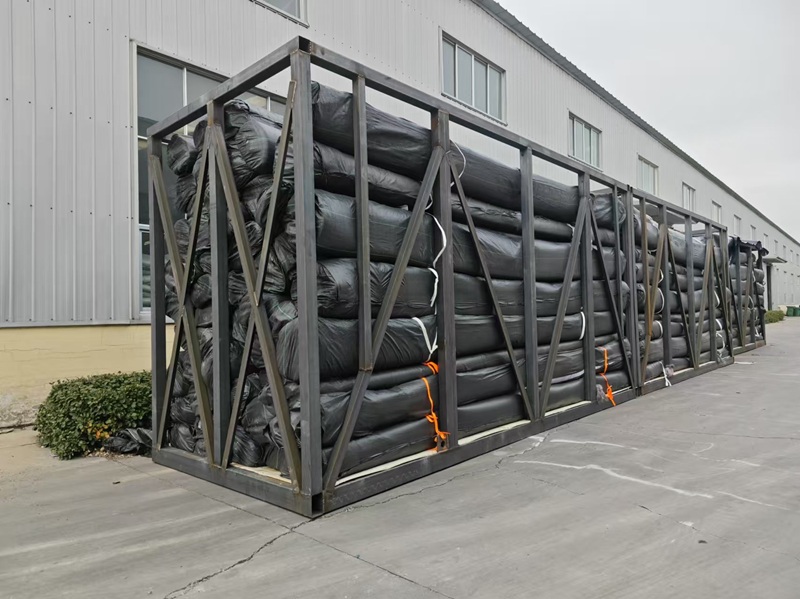
Packing and Delivery
 |
 |
 |
 |
 |
 |
 |
 |
FAQ
Yes. In some projects, composite geomembrane can provide additional protection and reinforcement through the geotextile layer. However, the final selection should follow the project's design requirments.
Yes.It is widely used as a liner for water-storage, irrigation ponds, and artificial lakes.
15-Day Lead Time: Direct supply from Shandong manufacturing base (FOB Qingdao Port)
Pre-production samples are always conducted before mass production;
Final inspection is always conducted before shipment;
If you have any questions about us and our products, please feel free to contact us.
Yes, we can provide samples for free, but we do not pay for the shipping.
If you place an order after confirming the sample, we will refund your shipping fee or deduct it from the order amount.
leave a message
Scan to Wechat/Whatsapp :



 English
 Français
 Deutsch
 Русский
 Español
 Português
 عربي
عربي Tiếng Việt
 Indonesia
 हिन्दी


 IPv6 network supported