
leave a message
If you are interested in our products and want to know more details,please leave a message here,we will reply you as soon as we can.

Geocomposite Drainage Net vs. Composite Geomembrane: Key Differences, Applications, and How to Choose
In reservoirs, ponds, landfills, wastewater facilities, underground structures, and other civil engineering projects, Geocomposite Drainage Net and Composite Geomembrane are both widely used geosynthetic materials. However, they are designed to solve different problems.
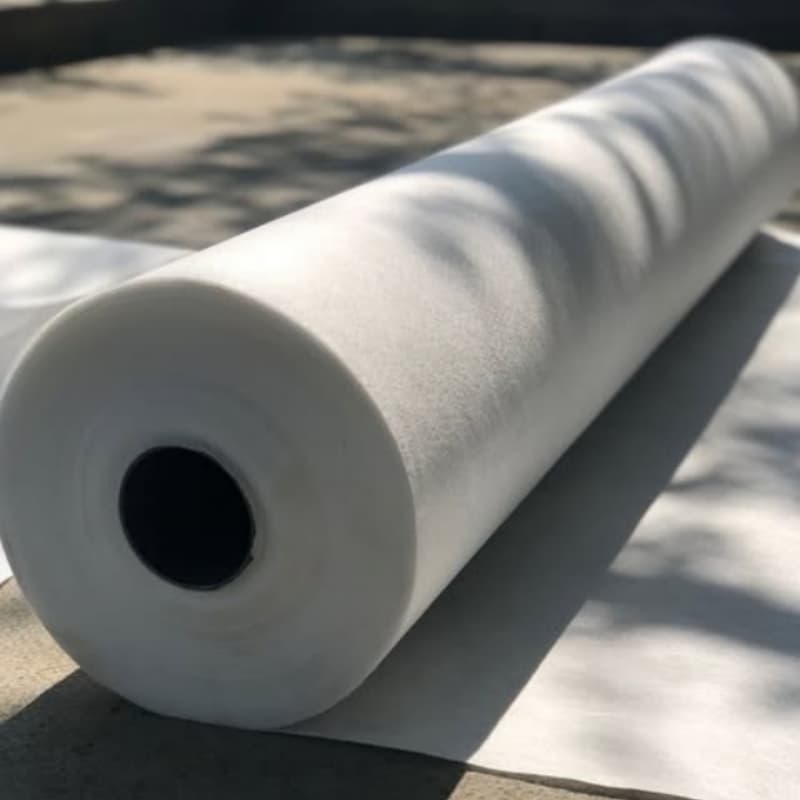
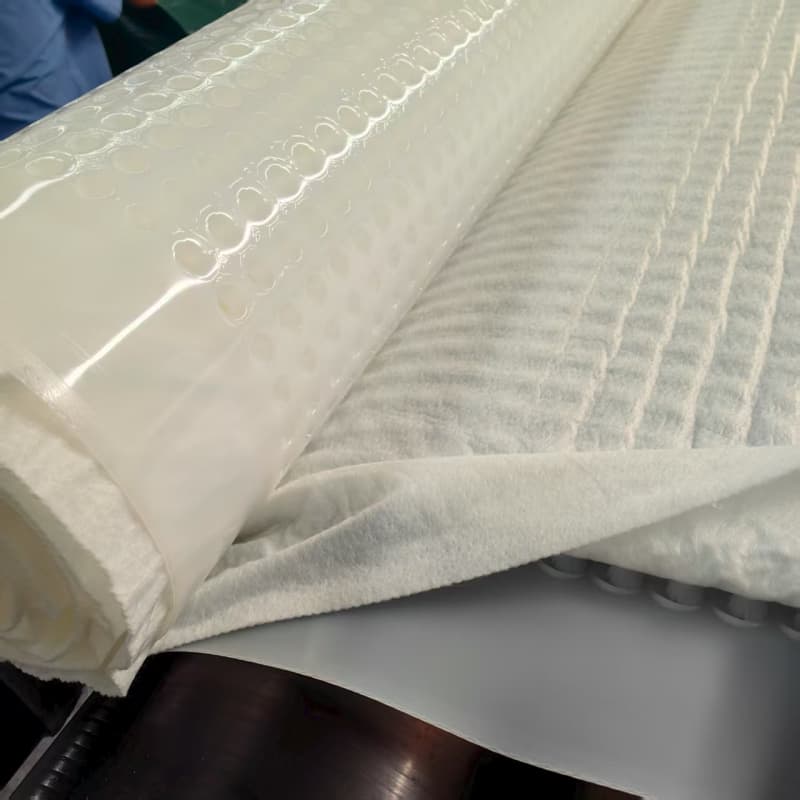
A Geocomposite Drainage Net normally consists of a three-dimensional drainage core combined with one or two layers of geotextile. The drainage core provides a continuous flow path, while the geotextile provides filtration and separation.
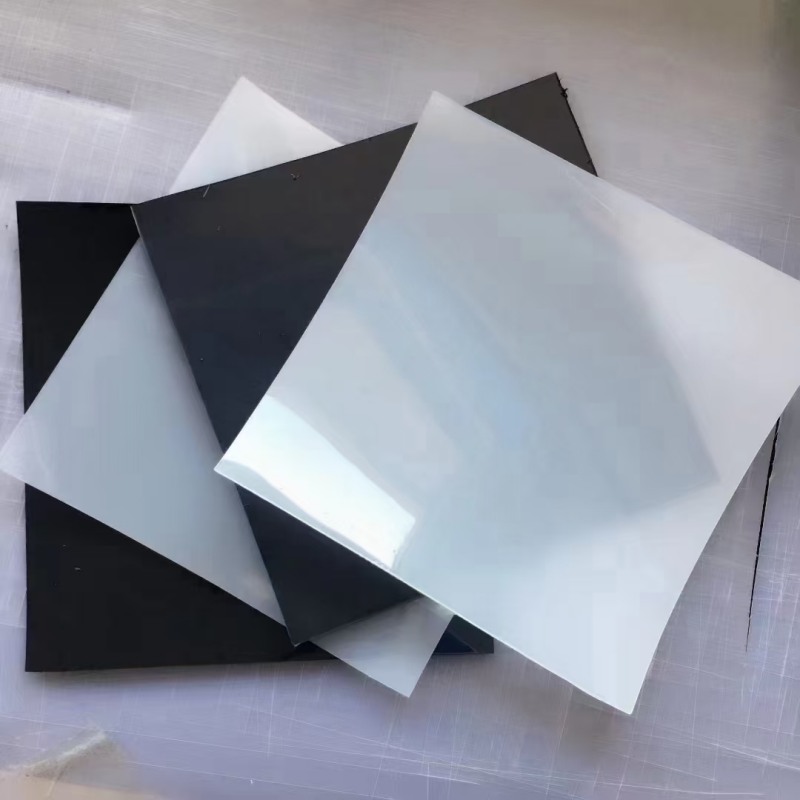
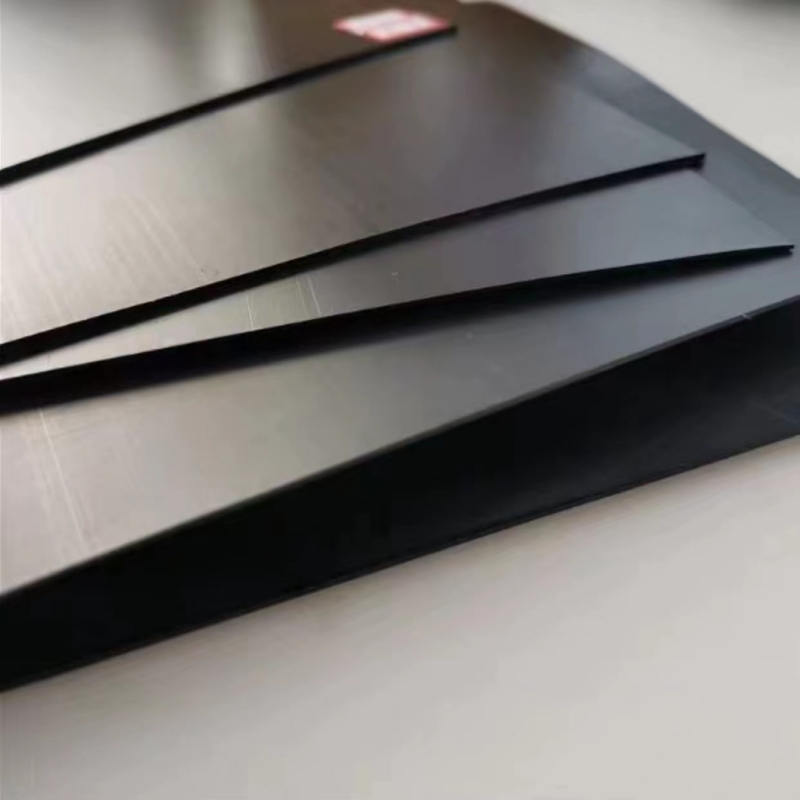
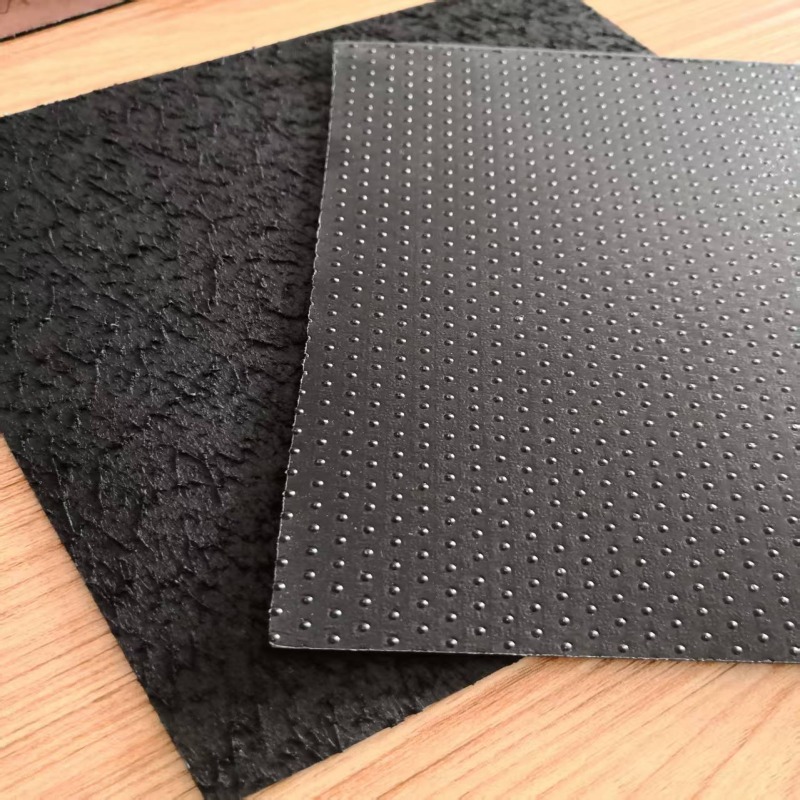
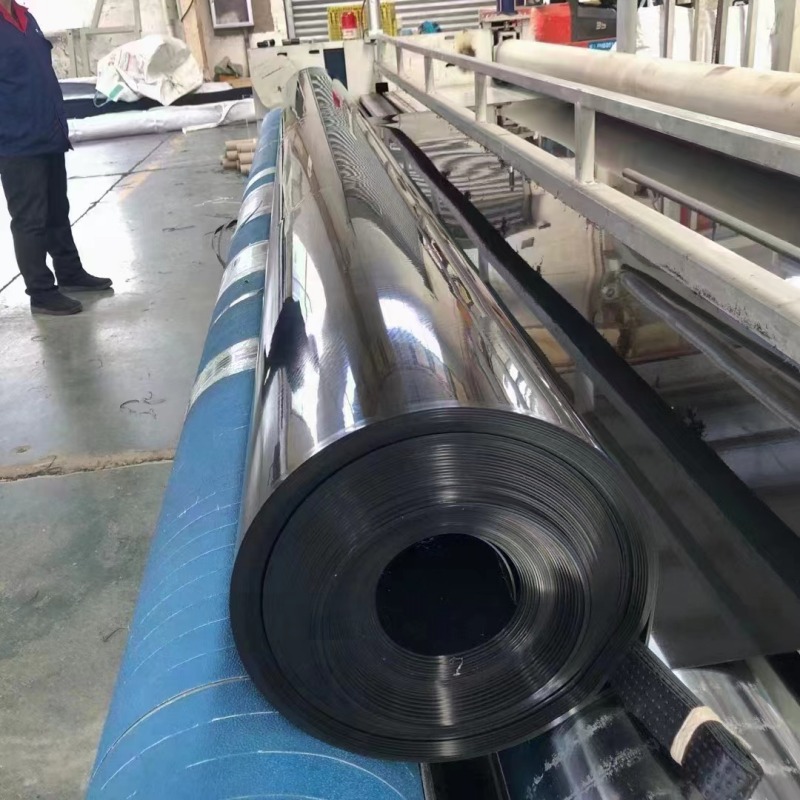
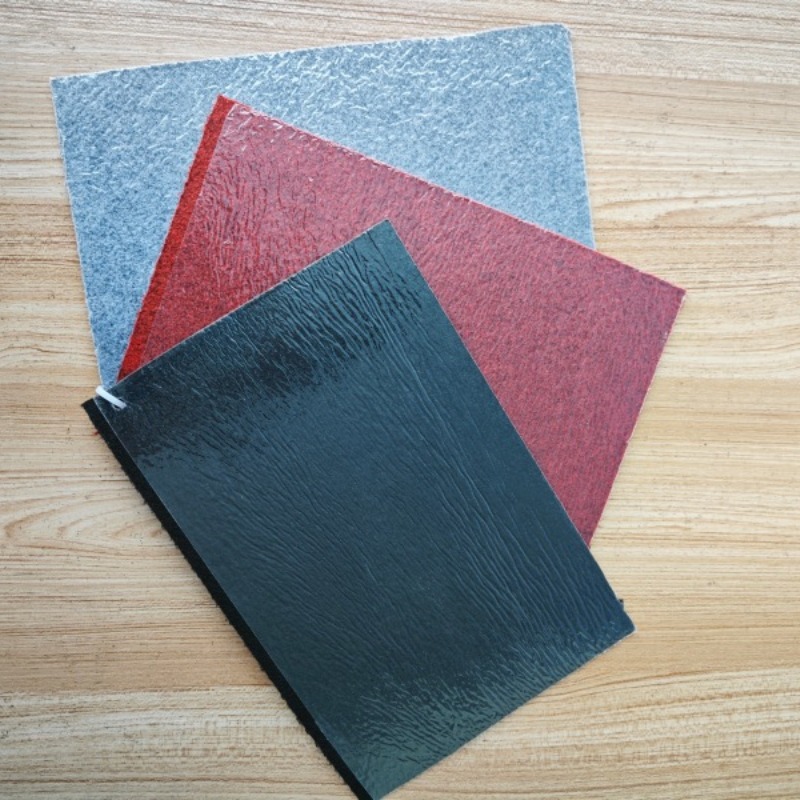
A Composite Geomembrane combines a geomembrane with geotextile. The geomembrane acts as the main barrier against liquid migration, while the geotextile provides protection and reinforcement.
| Item | Geocomposite Drainage Net | Composite Geomembrane |
| Main Structure | Drainage core + geotextile | Geomembrane + geotextile |
| Main function | Drainage, water conveyance, filtration | Seepage control, separation, protection |
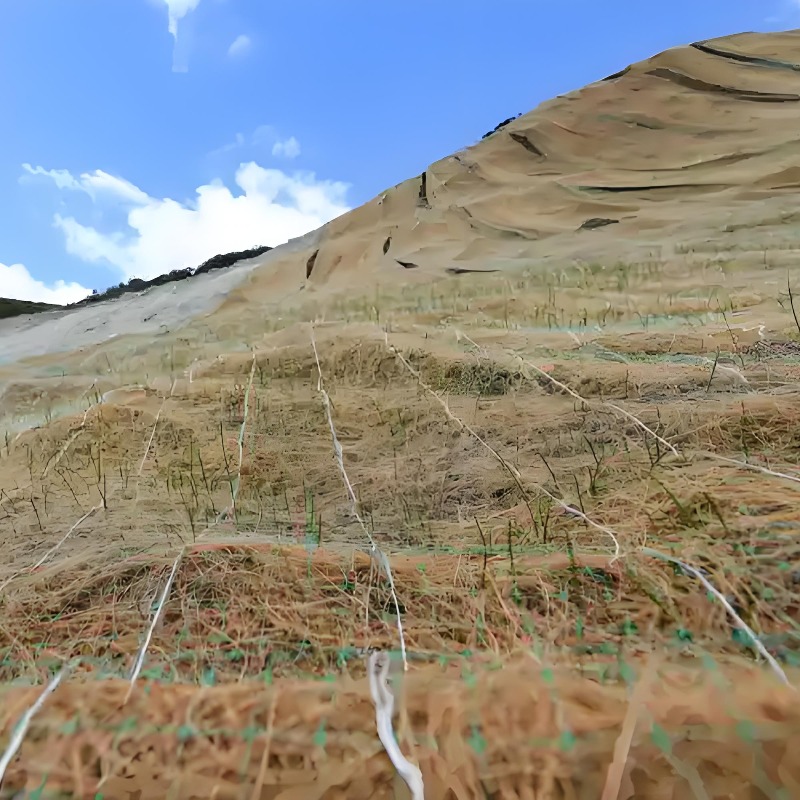
| Typical projects | Landfill drainage, slope drainage, underground drainage, cover systems | Reservoirs, ponds, wastewater facilities, landfill liners |
| Main problem addressed | How to move water away | How to prevent liquid leakage |
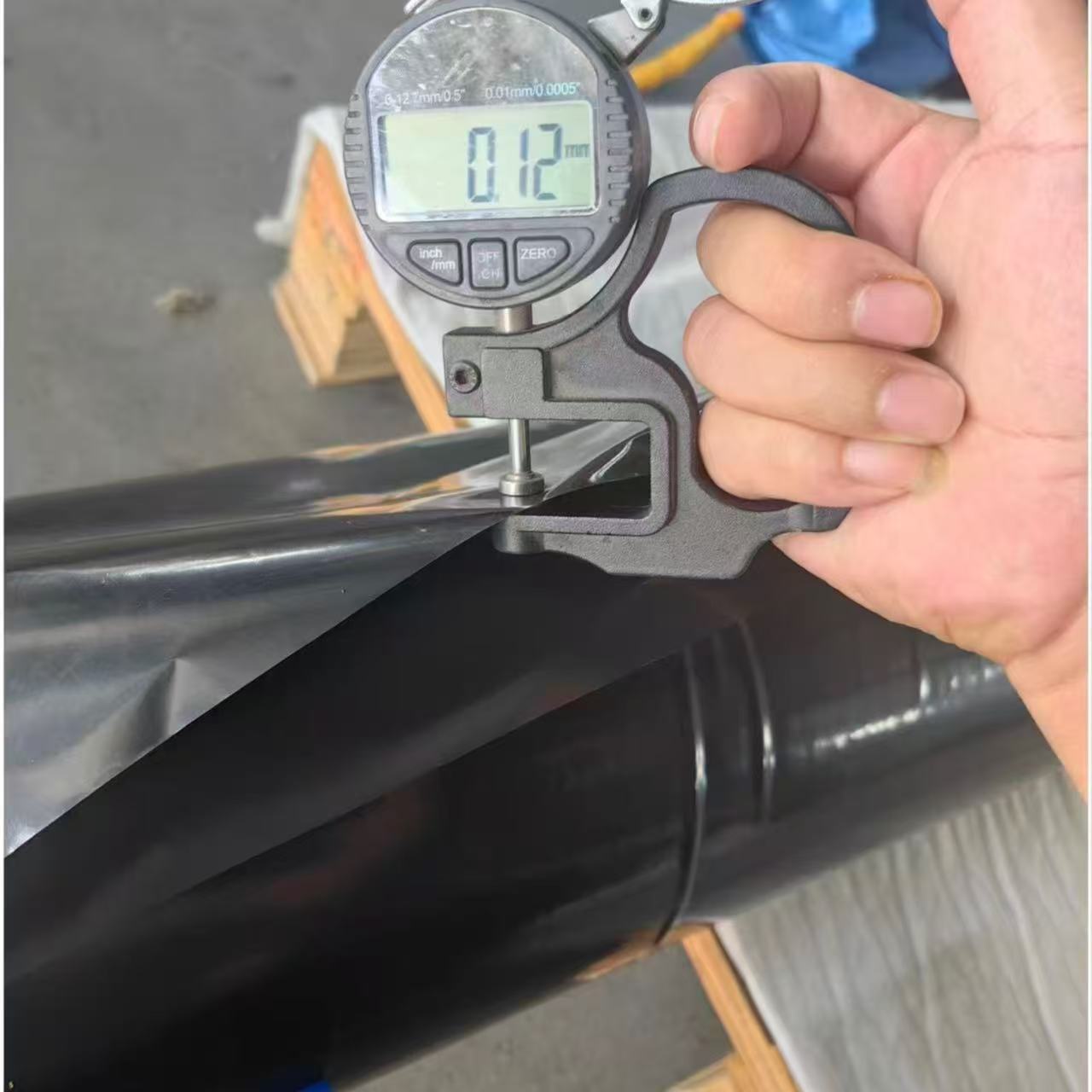
| Key selection factors | Flow capacity, compression resistance, filtration | Thickness, tensile strength, puncture resistance, impermeability |
Why Can Not They Replace Each Other?
The two materials have different structures and functions, so they should not normally be treated as direct substitutes.
A Geocomposite Drainage Net creates a continuous drainage pathway. When groundwater, leachate, or other liquids need to be collected and discharged, the drainage core conveys them toward the designated outlet. When evaluating Geocomposite Drainage Net drainage performance, thickness is only one factor. Other factors should also be considered, such as drainage core structure, long-term loading, compression behavior, filtration performance, slope, and long-term flow capacity.
A Composite Geomembrane has a different function. It is used to control liquid migration through the barrier layer. In a reservoir, the goal is to reduce seepage into the foundation. In a landfill or wastewater facility, the barrier helps prevent contaminated liquids from entering surrounding soil and groundwater.
In short, the Geocomposite Drainage Net conveys water, while the Composite Geomembrane controls seepage. When a project requires both functions, the two materials can be incorporated into the same system.
The Sillico Reservoir in Lucca, Tuscany, Italy, is a documented engineering project. Built in 1940, the reservoir has a maximum storage volume of nearly 8,000 m³ and provides a constant hydraulic head of about 51 m for the downstream hydropower plant. The original waterproofing system used concrete slabs, but differential settlement of the foundation caused repeated cracking over the years. On May 28, 2020, the existing waterproofing system failed and the stored water was completely released, leading to a rehabilitation project.
The final solution adopted a flexible geosynthetic system that included a composite geomembrane consisting of PVC geomembrane + geotextile as the waterproofing layer, together with a geocomposite drainage layer consisting of geonet + geotextile for drainage.
The project provides a clear example of how the two materials can perform complementary functions. The composite geomembrane forms the main seepage-control barrier, while the geocomposite drainage layer collects and conveys water within the system. For a reservoir affected by foundation movement and settlement, the flexible geosynthetic solution provided an alternative to the repeated cracking associated with the original rigid concrete facing. Therefore, the project provides a useful reference for composite geomembrane for reservoir waterproofing and for combining waterproofing and drainage components in one engineering system.
In many large-scale engineering projects, geocomposite drainage net and composite geomembrane are complementary rather than competing products.
For example, a landfill liner and drainage system may be arranged conceptually as: Waste → Liner System → Drainage Layer → Subgrade
The composite geomembrane helps control liquid migration, while the geocomposite drainage net provides a drainage path for water or leachate. Thus, when a project requires both waterproofing and drainage, the two materials can be incorporated into the same geosynthetic system to meet the engineering design.
This is why there is no universal answer to which product is better. The right choice depends on the project requirements, liquid type, slope, loading conditions, drainage requirements, and design life.
If the main requirement is drainage, Geocomposite Drainage Net should be considered.
Typical applications include:
When learning how to choose geocomposite drainage net, buyers should consider the drainage core structure, core thickness, geotextile mass per unit area, compressive performance, in-plane flow capacity, and long-term drainage performance under load.
If the main objective is to control liquid migration and prevent seepage, a composite geomembrane is generally more appropriate.
Typical applications include:
When considering how to choose composite geomembrane, key factors include geomembrane thickness, geotextile specification, tensile strength, tear resistance, puncture resistance, raw materials, and field joining methods.
Conclusion
Geocomposite Drainage Net and Composite Geomembrane are both important geosynthetic materials, but they serve different purposes. A Geocomposite Drainage Net focuses on drainage, water conveyance, and filtration by creating a continuous flow path through its drainage core. A Composite Geomembrane focuses on seepage control, separation, and protection by forming an effective impermeable barrier.
For procurement, product thickness and price should not be the only considerations. Many factors should all be considered, such as application, subgrade conditions, loading, drainage requirements, seepage-control requirements, installation methods, and long-term performance. Selecting the right product structure and technical specifications for the actual project is the key to achieving reliable performance while keeping overall project costs under control.
Q1: Can Geocomposite Drainage Net replace Composite Geomembrane?
No. Geocomposite Drainage Net is designed to collect and convey water, while Composite Geomembrane provides an impermeable barrier for seepage control. They are not direct substitutes.
Q2: Can Composite Geomembrane be used for reservoir waterproofing?
Yes. Composite Geomembrane can be used for reservoir waterproofing and seepage-control systems. The appropriate geomembrane thickness and geotextile specification should be selected according to water pressure, subgrade conditions, and project requirements.
Q3: Can Geocomposite Drainage Net replace Composite Geomembrane?
Generally, no. Geocomposite Drainage Net is mainly designed for drainage and water conveyance, while Composite Geomembrane is mainly designed for seepage control. Their primary functions are different.
Q4: Which material is better for landfill projects?
Landfill projects often require both containment and drainage. Therefore, composite geomembranes and geocomposite drainage nets may be used together as parts of an integrated liner and drainage system.
leave a message
Scan to Wechat/Whatsapp :



 English
 Français
 Deutsch
 Русский
 Español
 Português
 عربي
عربي Tiếng Việt
 Indonesia
 हिन्दी



 IPv6 network supported