leave a message
If you are interested in our products and want to know more details,please leave a message here,we will reply you as soon as we can.
Landfills, mines, and water ponds all need different combinations of geomembranes, geotextiles, drainage composites, geogrids, and erosion control mats. Get it wrong, and you’ll end up dealing with liner instability, clogged drainage systems, expensive maintenance, or a liner that fails years earlier than expected.
This guide walks through what engineers, contractors, and procurement teams usually look for — without all the overcomplicated technical language.
1.What are geosynthetics anyway?
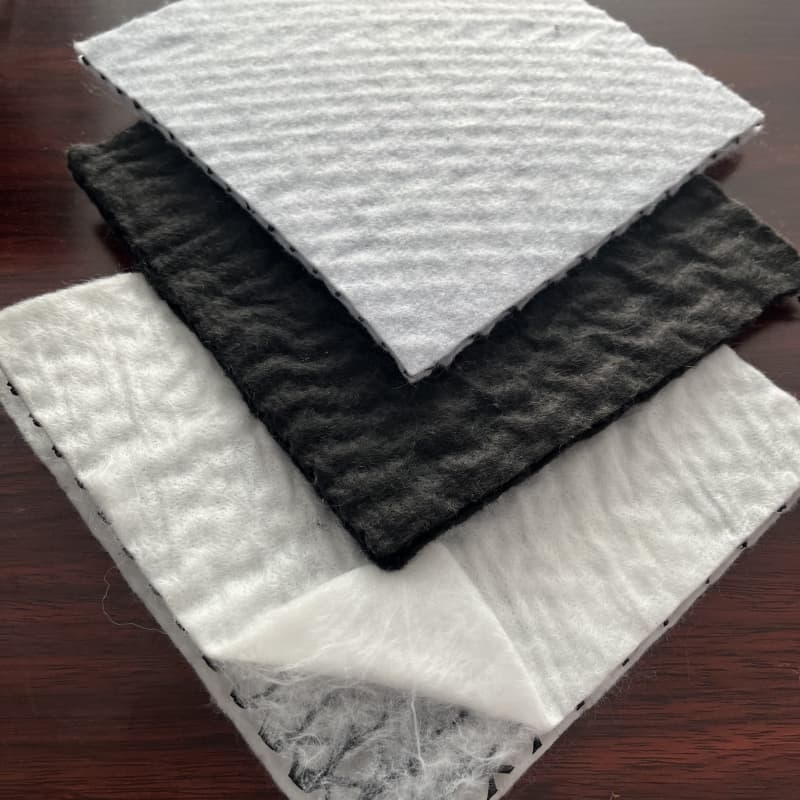
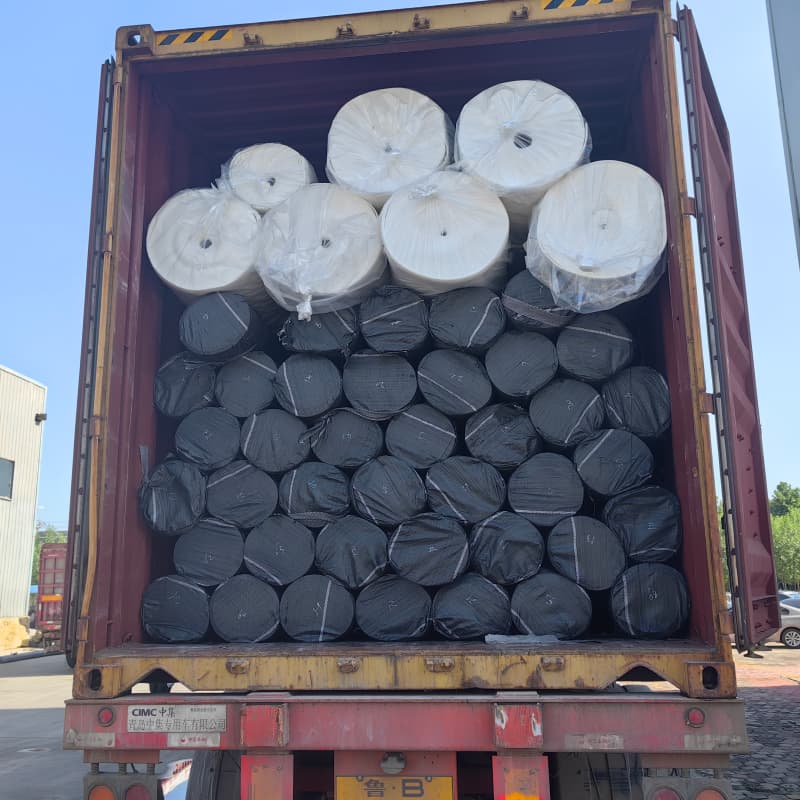
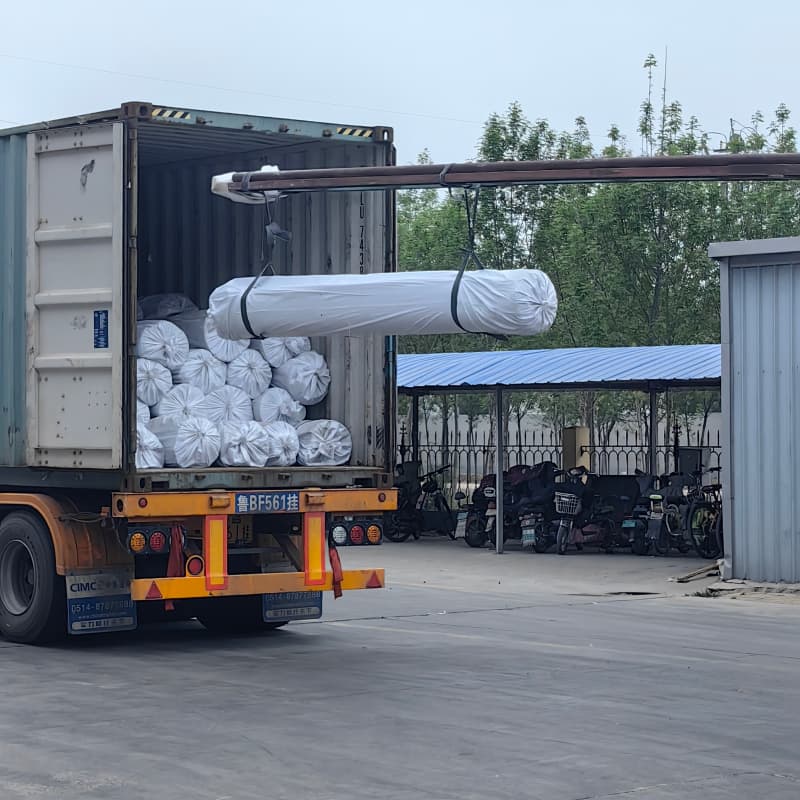
They’re polymer-based materials used to improve soil performance, control seepage, reinforce slopes, and manage drainage. Common products include HDPE and LLDPE geomembranes, woven and nonwoven geotextiles, GCLs (geosynthetic clay liners), drainage composites, geogrids, and erosion control blankets. Each one solves a different site problem.
2. What works for landfills
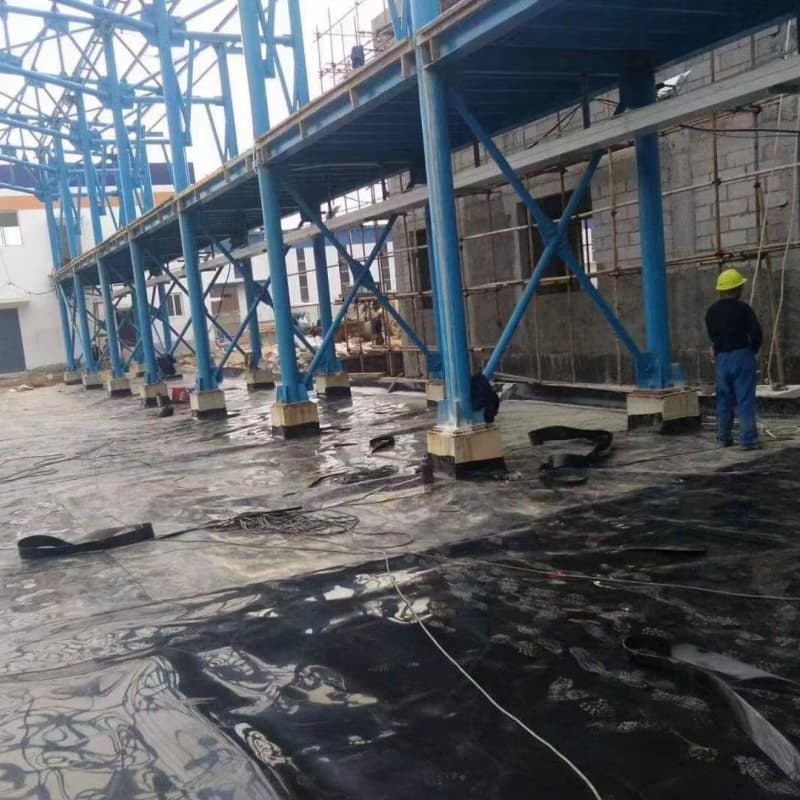
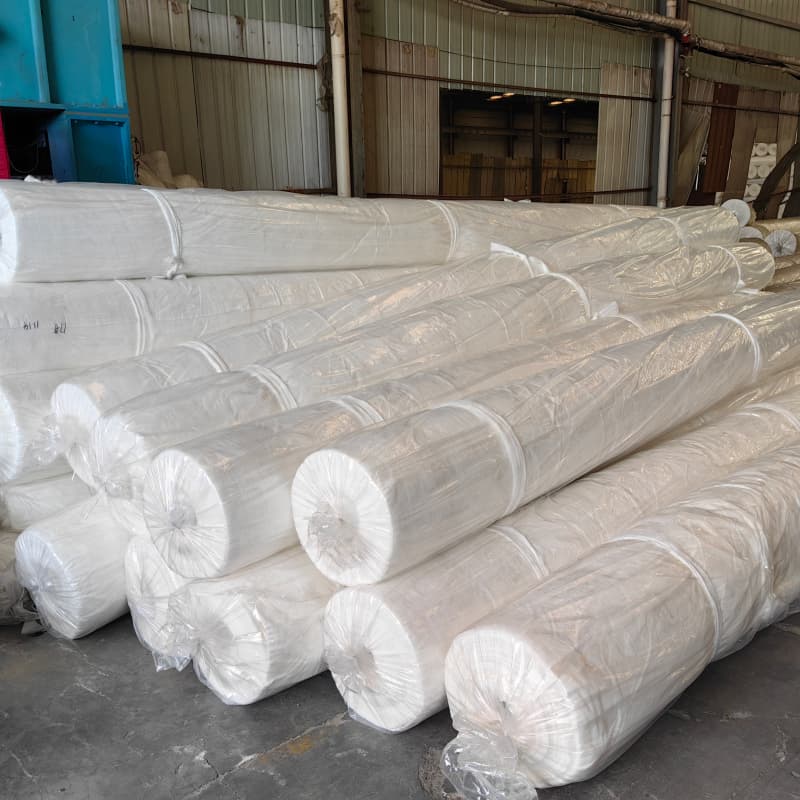
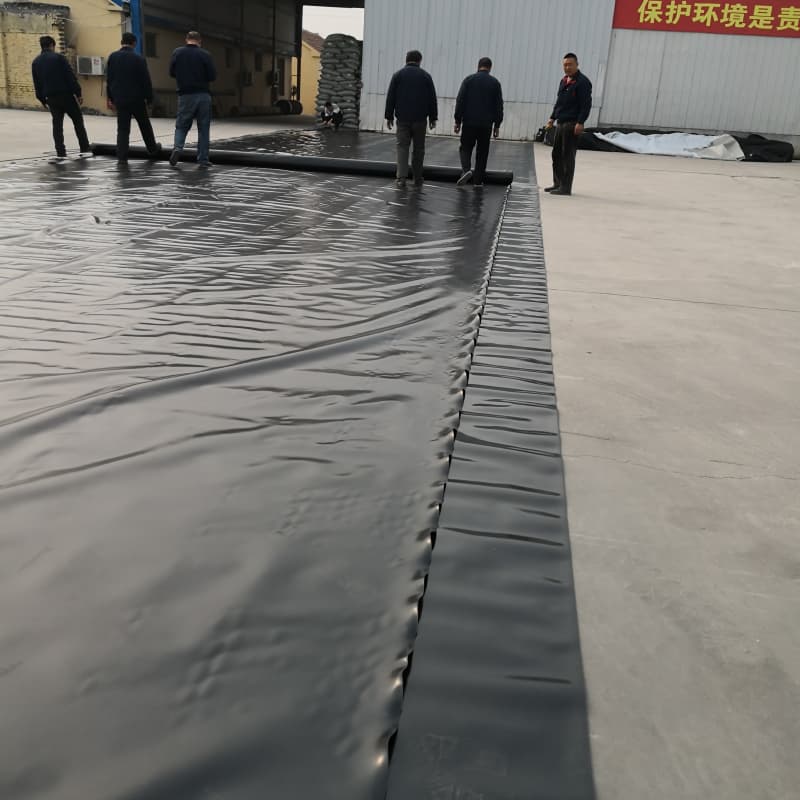
Landfill liner systems are expected to perform for decades. Most modern systems combine an HDPE geomembrane liner, a nonwoven geotextile cushion layer, drainage composites, and sometimes a GCL layer underneath.
On landfill slopes, textured geomembranes are commonly used because they provide better friction and reduce sliding risks. When aggressive chemicals are involved, HDPE is usually preferred because of its excellent chemical resistance and long-term durability.
3. Mining and tailings facilities
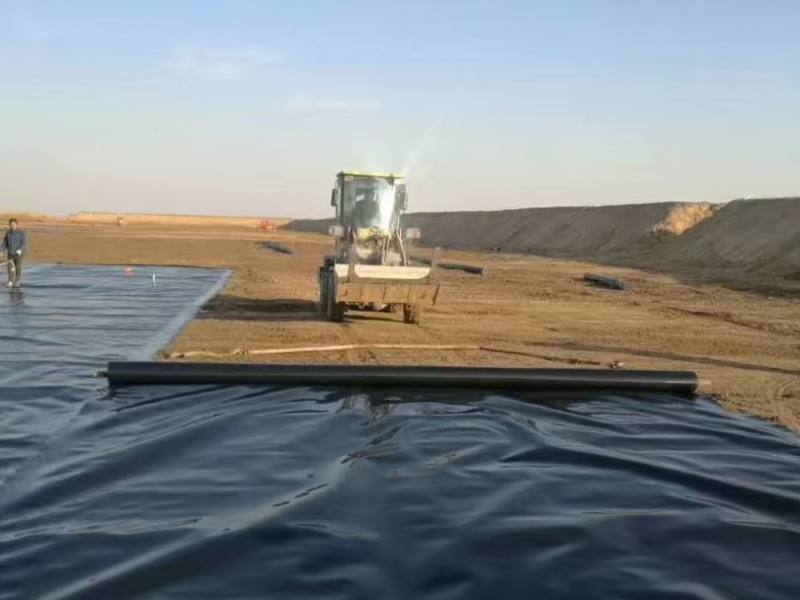
Mining projects are rough on liner systems. You’ve got chemical exposure, settlement, steep slopes, and years of UV exposure beating down on the material.
In tailings ponds, engineers typically use textured geomembranes together with heavy-duty nonwoven geotextiles and drainage composites. Most systems also include an extra protection layer below the liner because coarse rock and sharp ore can destroy liners surprisingly fast if the subgrade is not properly prepared.
4.Aquaculture and water reservoirs
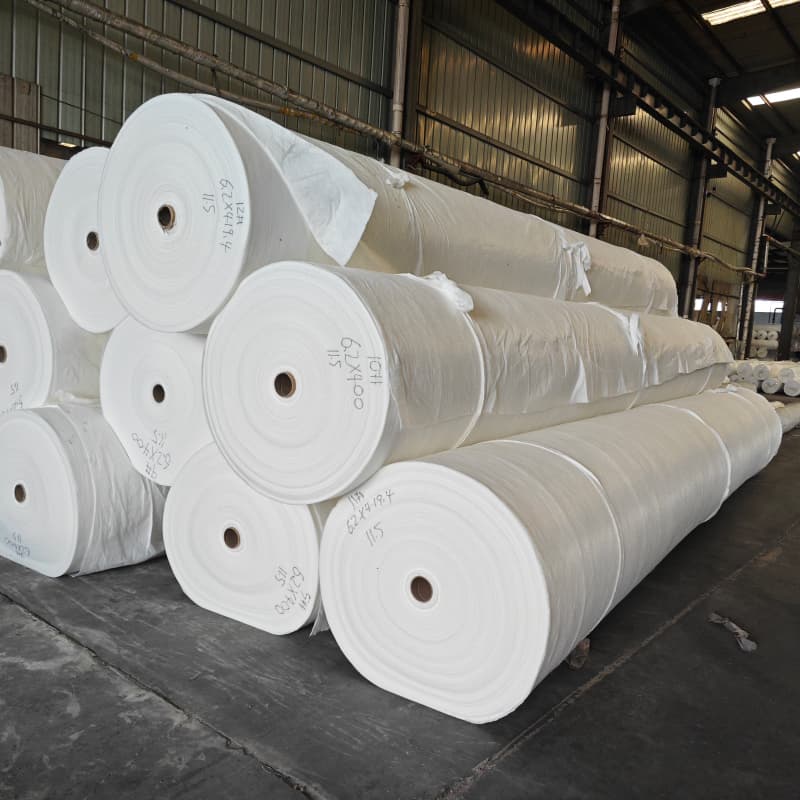
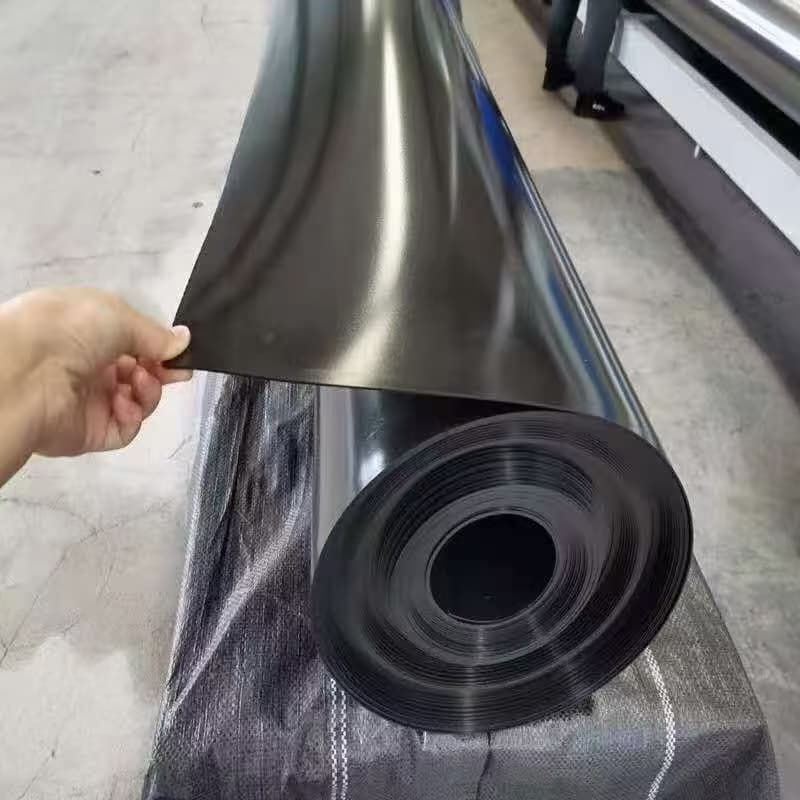
For fish ponds and irrigation reservoirs, the main concerns are waterproofing, UV resistance, flexibility, and long-term cost.
LLDPE geomembranes are widely used because they handle uneven ground and temperature changes better than stiffer materials. If the reservoir includes steep embankments or unstable slopes, textured liners are often selected to improve slope stability.
5.Common mistakes when picking materials
The most expensive liner on a project is usually the cheap one that fails early.
A lot of failures happen because people choose materials based only on initial price. Lower-quality products often mean shorter lifespan, more maintenance, installation headaches, and higher long-term costs.
Other common mistakes include:
• Choosing the wrong liner thickness
• Using incompatible welding equipment
• Skipping puncture protection layers
• Poor subgrade preparation
Even the best geomembrane can fail if it’s installed over sharp rocks and rough ground.
6.One real example: tailings pond in South America
On a mining project in South America, heavy seasonal rainfall created major slope stability concerns.
Engineers selected a double-sided textured HDPE geomembrane system for the tailings containment slopes. The system included:
• 2.0 mm textured geomembrane
• Heavy nonwoven geotextile cushion
• Drainage composite layer
The textured surface improved slope friction, while the geotextile protected the liner from punctures caused by coarse rock and ore materials. The system performed reliably during heavy rainfall periods and long-term outdoor exposure.
7.Key questions to ask before you buy
Before choosing any geosynthetic material, ask:
• What chemicals or liquids will contact the liner?
• Will the ground settle or shift over time?
• Is slope stability a concern?
• How long does the system need to last?
• What installation method will be used?
• Are ASTM or GRI standards required?
Answering those questions first usually prevents expensive mistakes later.
8.FAQs
Which geomembrane is best for landfills?
HDPE geomembrane is the most common choice because of its strong chemical resistance and long service life.
What’s the difference between woven and nonwoven geotextiles?
Woven geotextiles are mainly used for reinforcement and soil stabilization. Nonwoven geotextiles are commonly used for filtration, drainage, and puncture protection.
Why use textured geomembranes?
Textured surfaces increase friction and improve slope stability.
Are geosynthetics suitable for aquaculture ponds?
Yes. They are widely used in fish ponds, shrimp farms, and irrigation reservoirs.
leave a message
Scan to Wechat/Whatsapp :



 English
 Français
 Deutsch
 Русский
 Español
 Português
 عربي
عربي Tiếng Việt
 Indonesia
 हिन्दी


 IPv6 network supported