Bare soil doesn’t last long under heavy rain.
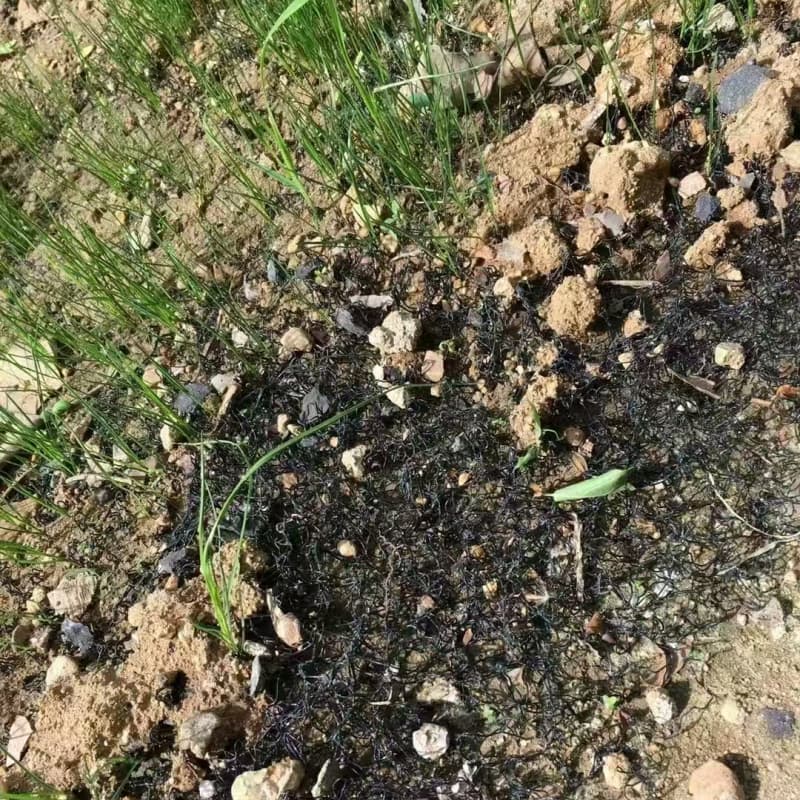
One storm is sometimes enough to wash out a freshly cut slope, especially on highway projects or construction sites with loose soil. That’s why erosion control blankets are used so often in temporary slope protection work.
They’re simple products. But when installed properly, they make a huge difference during the first rainy season.
What erosion control blankets actually do
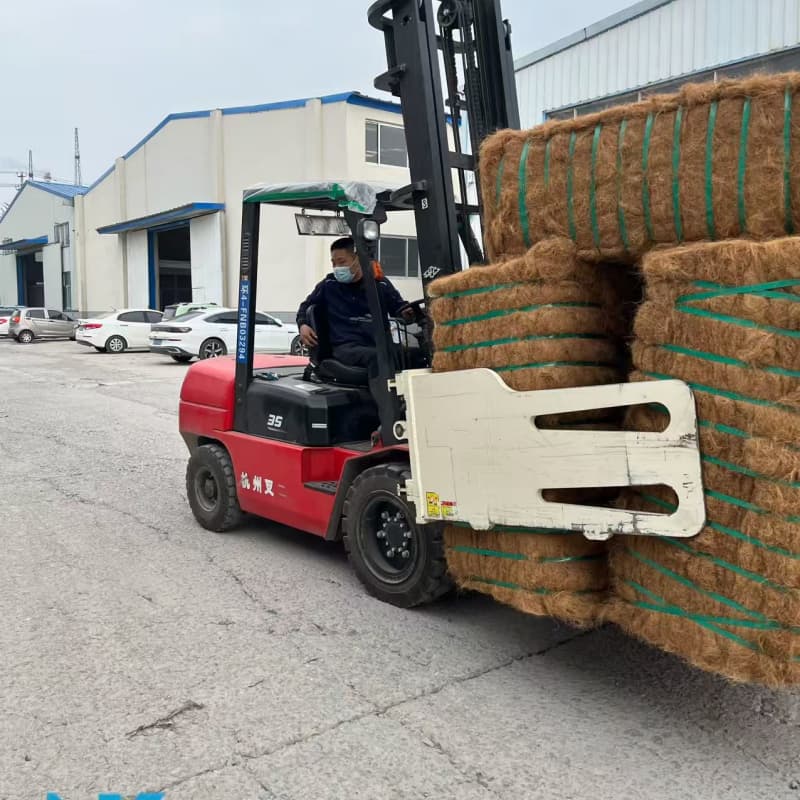
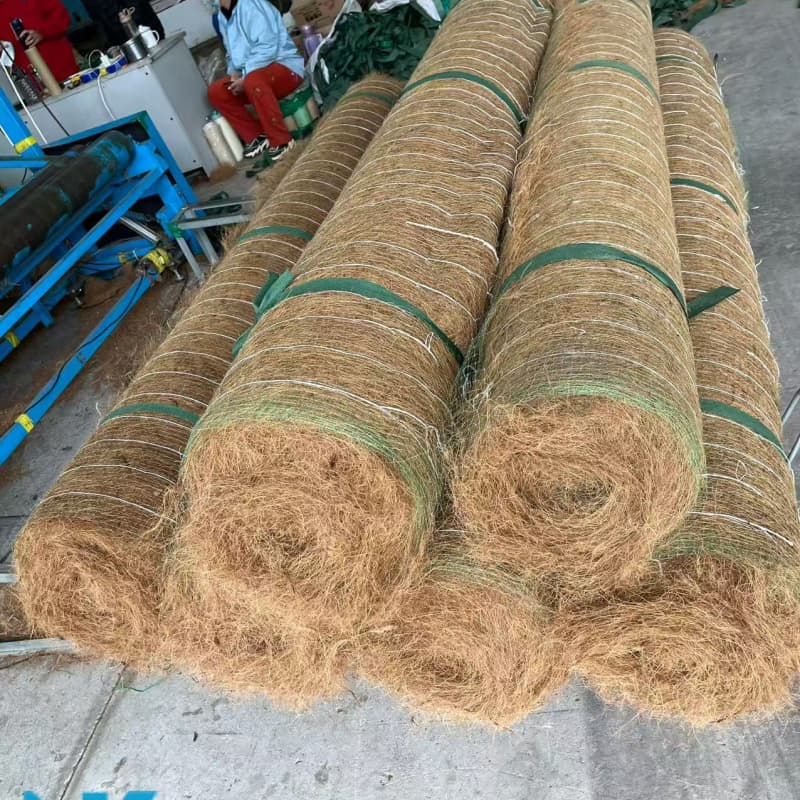
These blankets are usually made from straw fiber, coconut coir, or mixed natural fibers.
Their job is to:
• Reduce surface runoff
• Hold soil in place
• Retain moisture
• Help vegetation establish faster
Think of them as temporary protection until grass or vegetation becomes strong enough to stabilize the slope naturally.
.
Why coconut coir lasts longer
Straw blankets are cheaper and work fine for short-term projects.
But on slopes with heavy rainfall, coir blankets usually perform better because the fibers break down much more slowly. Some coir systems last two or even three rainy seasons depending on climate conditions.
That extra lifespan matters on difficult slopes.
Where they’re commonly used
You’ll see erosion control blankets on:
• Highway embankments
• Railway slopes
• Riverbank stabilization projects
• Mine rehabilitation areas
• Landscaping developments
• Temporary construction slopes
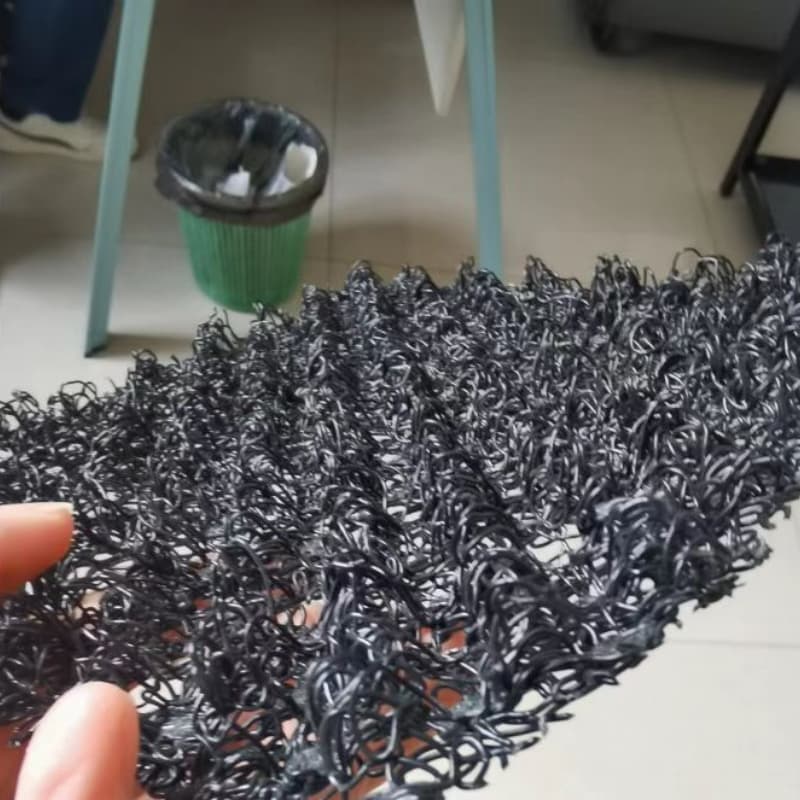
On steep slopes, contractors often combine blankets with geogrids or turf reinforcement mats for extra support.
Installation mistakes that cause failures
Most failures happen after the first heavy rain.
Usually the problem is poor anchoring.
If the blanket isn’t stapled correctly or the anchor trench is too shallow, runoff gets underneath the blanket and starts lifting it off the slope. Once water gets underneath, erosion spreads quickly.
Sounds obvious, but crews still rush this part sometimes.
Real project: highway slope in Southeast Asia
A highway expansion project in Southeast Asia involved newly cut slopes entering monsoon season.
Contractors selected coconut fiber erosion control blankets because they needed:
• Fast temporary protection
• Better vegetation growth
• Biodegradable materials
• Reduced maintenance work
Compared with exposed soil sections nearby, the protected slopes experienced significantly less runoff erosion during heavy rainfall.
What to consider before choosing a blanket
Before selecting a system, engineers usually look at:
• Slope steepness
• Rainfall intensity
• Expected service life
• Vegetation type
• Fiber degradation speed
• Installation difficulty
For steep slopes or long rainy seasons, coir blankets are usually the safer option.
What’s the difference between straw and coir blankets?
Coir lasts longer and performs better under heavy rainfall.
Are erosion control blankets biodegradable?
Yes. Natural fiber blankets gradually decompose after vegetation becomes established.
Can erosion control blankets be used on steep slopes?
Yes, although additional anchoring is usually needed.
How long do coir blankets last?
Typically around 24–36 months depending on weather conditions.

 English
 Français
 Deutsch
 Русский
 Español
 Português
 عربي
عربي Tiếng Việt
 Indonesia
 हिन्दी


 IPv6 network supported