
leave a message
If you are interested in our products and want to know more details,please leave a message here,we will reply you as soon as we can.

Natural Fiber Erosion Control Blanket for Slopes and Soil Stabilization
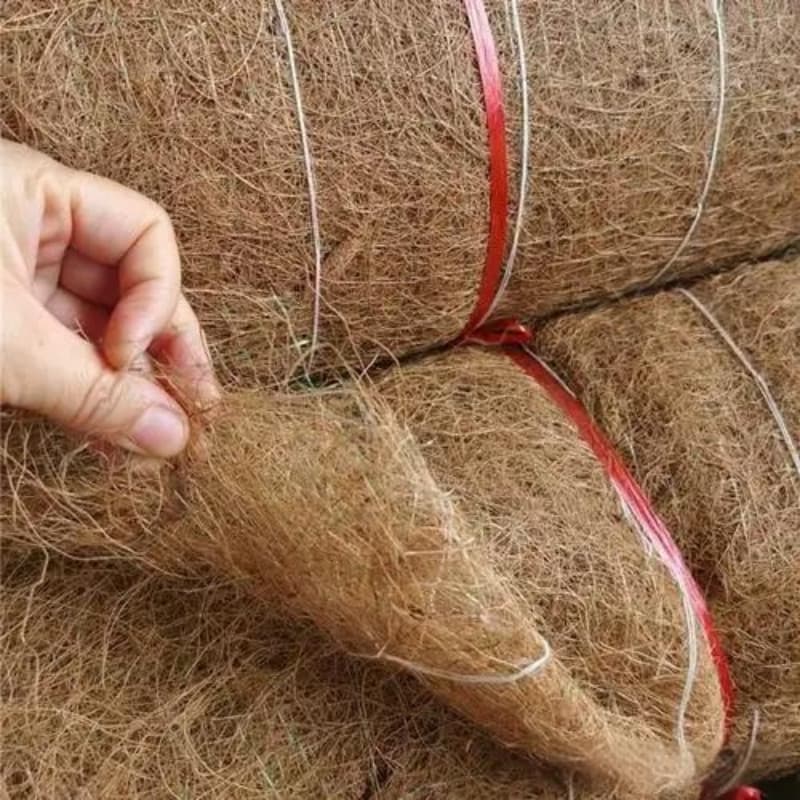
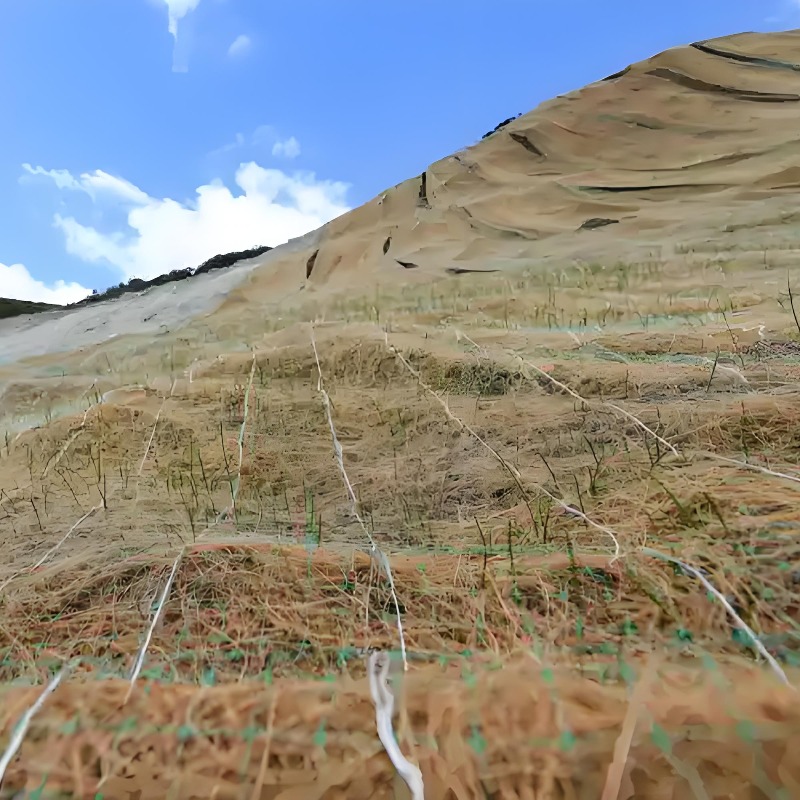
Natural Fiber Erosion Control Blanket is an eco-friendly solution designed to protect exposed soil and improve slope stability during vegetation establishment. Made from natural materials such as coconut coir and straw fibers, the blanket forms a protective layer over the soil surface to reduce erosion caused by rainfall, surface runoff, and wind.
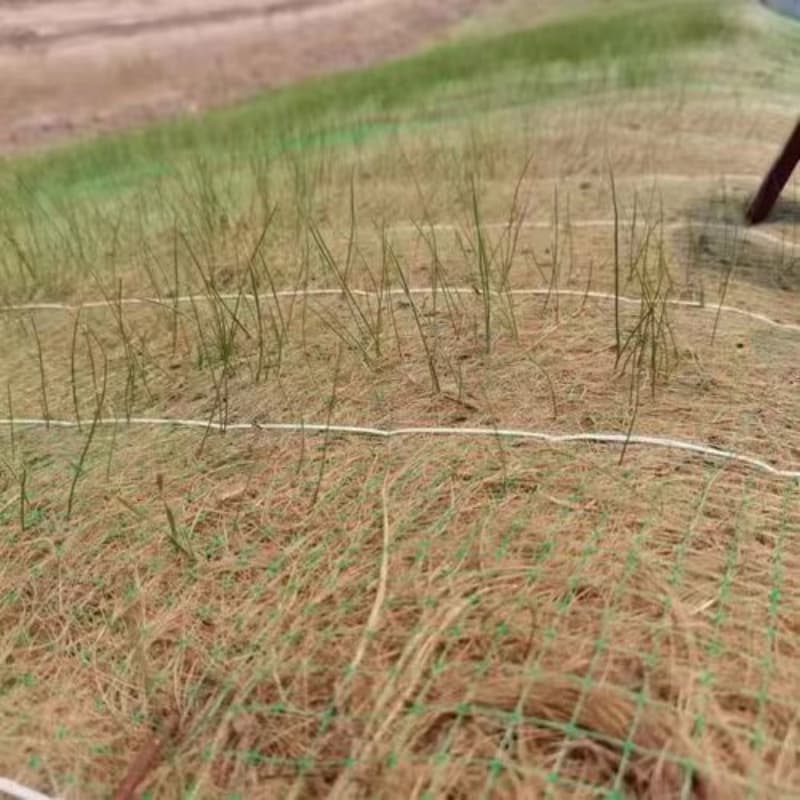
By slowing water flow, retaining moisture, and helping seeds remain in place, it creates a more favorable environment for natural vegetation growth. As plants gradually develop, the blanket works together with the root system to provide long-term soil stabilization.
Widely used for highway embankments, riverbanks, landscaping areas, construction sites, and mine restoration projects, Natural Fiber Erosion Control Blanket provides a practical and sustainable method for controlling soil erosion and supporting ecological recovery.
Specifications :
3-layer, 4-layer (with grass seeds), 5-layer (with grille)Weight :
200-2000g/㎡Width :
1-2.5 meters, customizableLength :
1-30 meters, customizableLead Time :
7 -14 days after deposit paymentOrder(MOQ) :
2000㎡Payment :
FOB(Can communicate and negotiate)Product Origin :
ChinaShipping Port :
Qingdao
How Erosion Control Blankets Protect Slopes
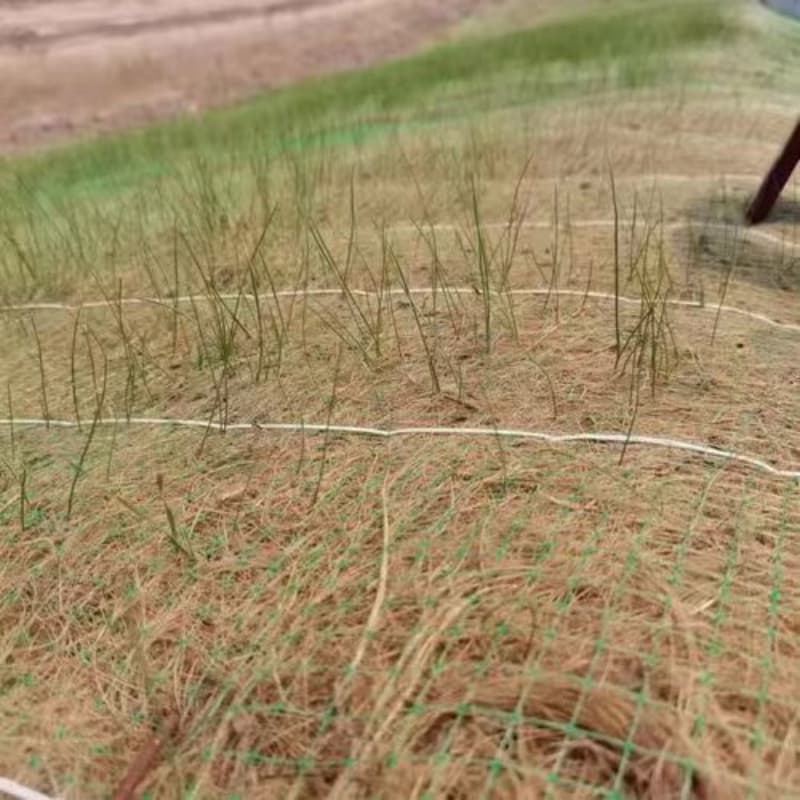
Natural Fiber Erosion Control Blanket protects slopes by creating a temporary protective layer during the critical stage before vegetation becomes fully established. When applied to exposed soil surfaces, the blanket reduces the direct impact of rainfall, slows surface runoff, and helps prevent soil particles from being washed away.
The natural fiber structure improves moisture retention and provides a stable environment for seeds to remain in place, supporting faster and more effective vegetation growth. This is especially important for newly constructed slopes, embankments, and disturbed areas where soil erosion can occur quickly after heavy rainfall.
As vegetation develops and root systems begin to stabilize the soil, the natural fibers gradually break down and return to the environment. This eliminates the need for removal while allowing the slope to transition into a stable, naturally protected condition.
Types & Specifications
| Item | Standard Specification | Notes |
| Thickness | 10 - 25 mm |
Provides excellent water retention and cushioning |
| Weight | 400 - 1000 g/m² |
Common specs: 500g/m², 700g/m² |
| Length per Roll | 50m – 150m per roll | Varies with thickness (longer for light - duty farm use) |
| Tensile Strength | ≥ 12 MPa | Complies with ASTM D6472 for slope protection |
| Primary Material | Coir, Straw/Wheat |
Can be blended or used separately |
| Degradation Period | 1–3 years | Coconut (3y) + Straw (1y) (ideal for short - term eco - restoration) |
| Color | Natural Brown, Light Yellow | Matches natural farmland/wetland environment |
| Standard | ASTM D6472, ISO 14001 | International eco & quality standards for green engineering |
Natural Fiber Options and Their Differences
Natural fiber erosion control blankets are available in several material options, each designed for different project conditions, service life requirements, and budgets. Selecting the right fiber depends on factors such as climate, slope conditions, and the expected period of erosion protection.
Straw Fiber
Straw blankets are an economical choice for short-term erosion control. They are commonly used on newly graded slopes, landscaping projects, and construction sites where vegetation is expected to establish quickly. As the straw naturally decomposes, the vegetation gradually takes over the role of protecting the soil.
Coconut Coir Fiber
Coir blankets provide higher tensile strength and a longer service life than straw blankets. They perform well on steep slopes, riverbanks, and areas exposed to heavy rainfall or flowing water. Because coir fibers decompose more slowly, they continue to protect the soil while vegetation develops over a longer period.
Mixed Natural Fibers
Blankets made from a combination of natural fibers offer a balance between durability and cost. They are suitable for projects that require moderate service life while keeping material costs under control.
Choosing the Right Material
For projects that require erosion protection for more than one rainy season or are located in areas with frequent or intense rainfall, coconut coir blankets are generally the preferred option due to their longer-lasting performance and higher strength.
 |
 |
Typical Applications
Natural Fiber Erosion Control Blankets are widely used in projects where temporary erosion protection and vegetation establishment are required. They help reduce soil loss, improve slope stability, and create favorable conditions for long-term vegetation growth across a variety of environments.
Highway and Railway Slopes
The blankets are commonly installed on highway and railway embankments to reduce erosion after construction. They protect exposed soil from rainfall and runoff while supporting grass and other vegetation during the early growth stage.
Riverbanks and Waterways
Along rivers, canals, and drainage channels, natural fiber blankets help stabilize soil, reduce surface erosion, and protect embankments from water flow until vegetation becomes established.
Landscaping and Green Infrastructure
They are widely used in parks, residential developments, golf courses, and other landscaping projects to protect newly shaped slopes and encourage healthy plant growth.
Mine Rehabilitation and Land Restoration
In mining and land restoration projects, erosion control blankets help restore disturbed ground by protecting the soil surface and creating suitable conditions for ecological recovery.
Temporary Construction Slopes
Construction sites often leave exposed soil vulnerable to erosion. Installing a natural fiber blanket provides temporary protection until permanent vegetation or other slope protection systems are completed.
For projects with steep slopes or challenging ground conditions, Natural Fiber Erosion Control Blankets can also be used together with geogrids or turf reinforcement mats to provide additional reinforcement and improve long-term slope stability.
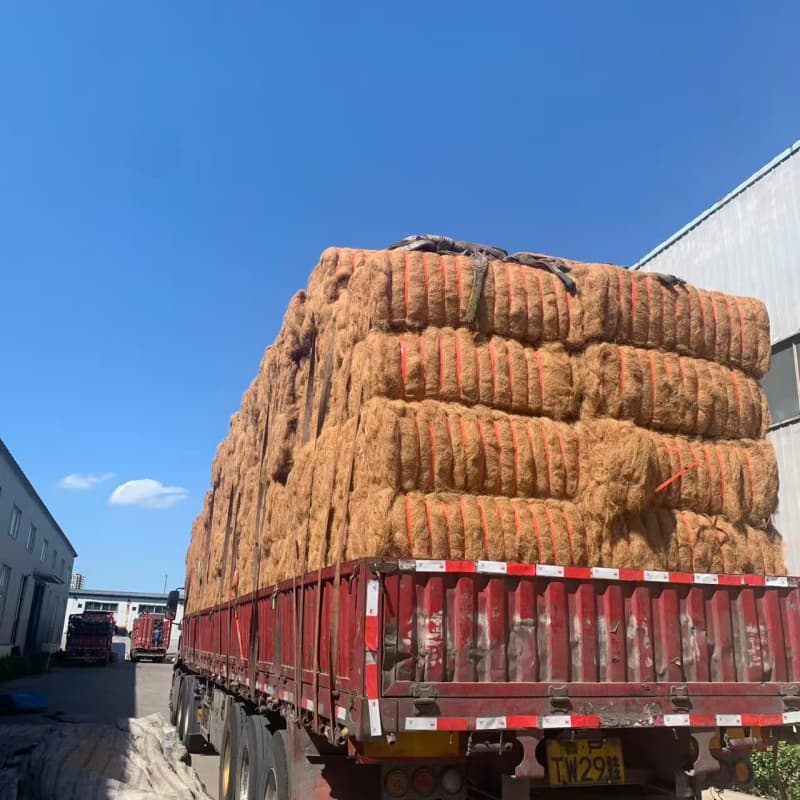
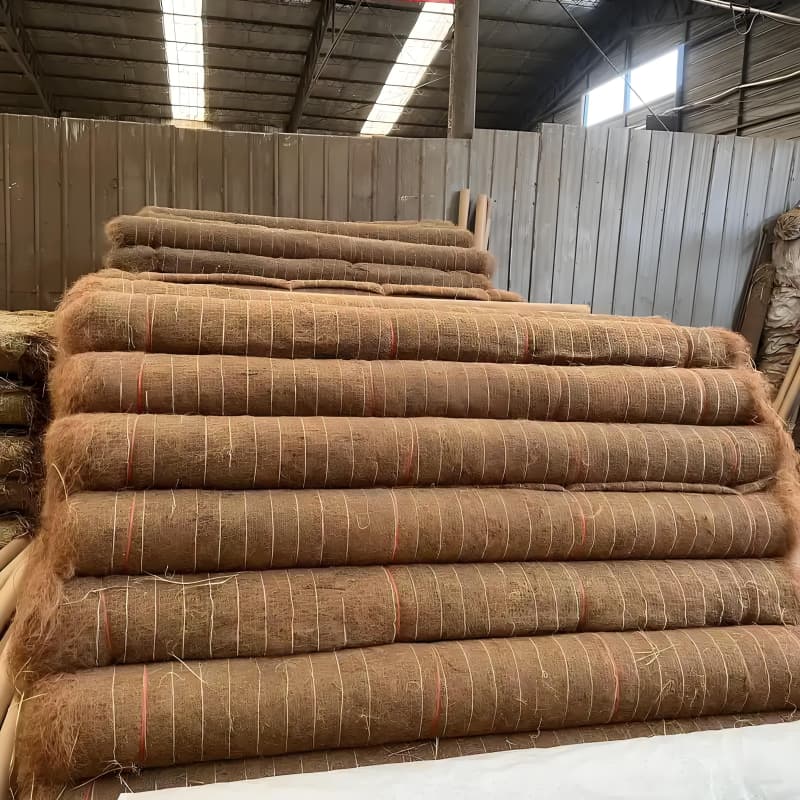
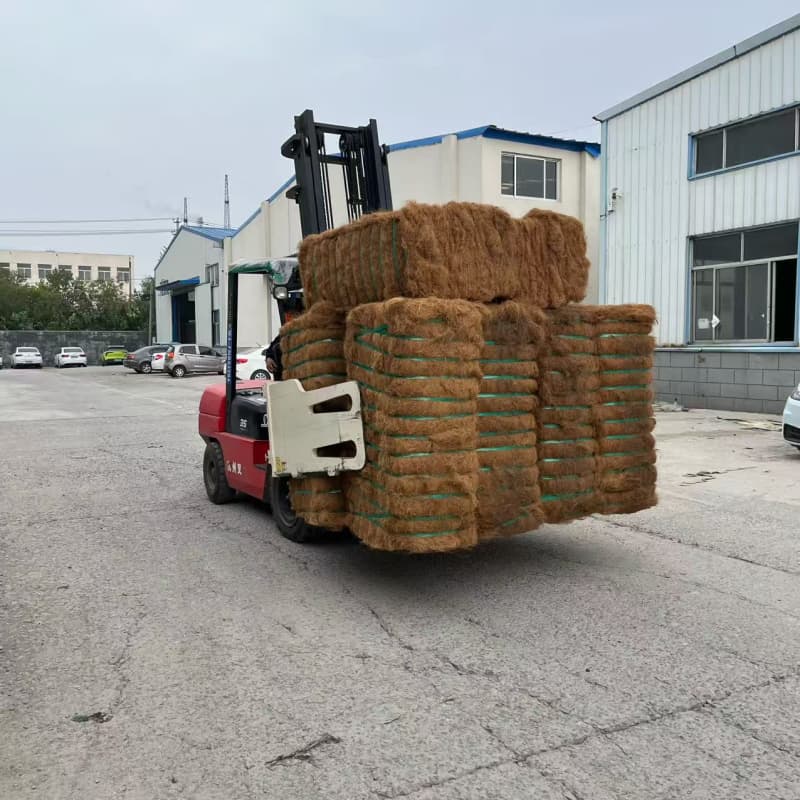
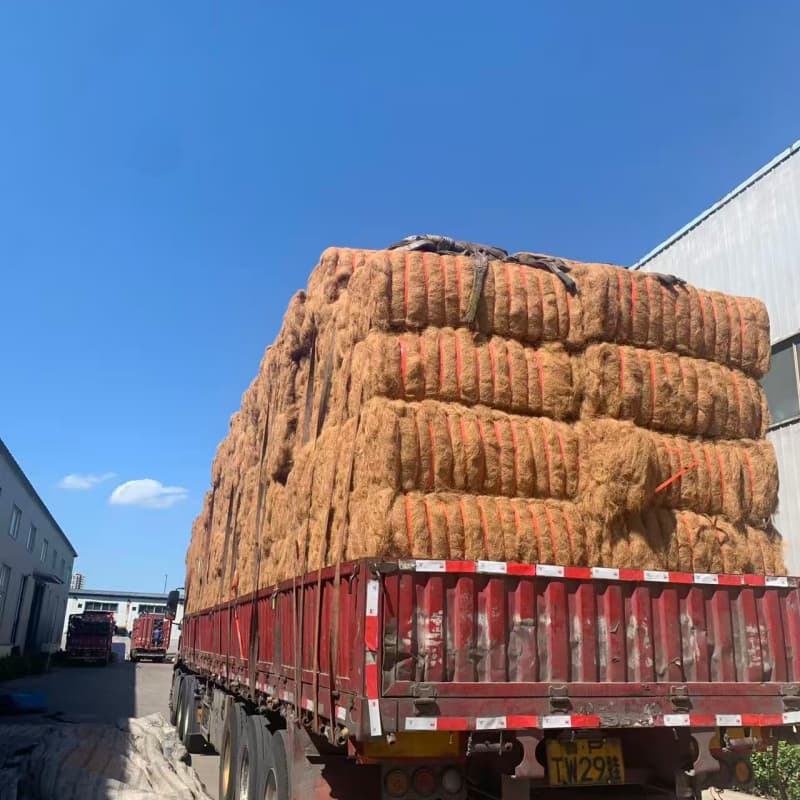
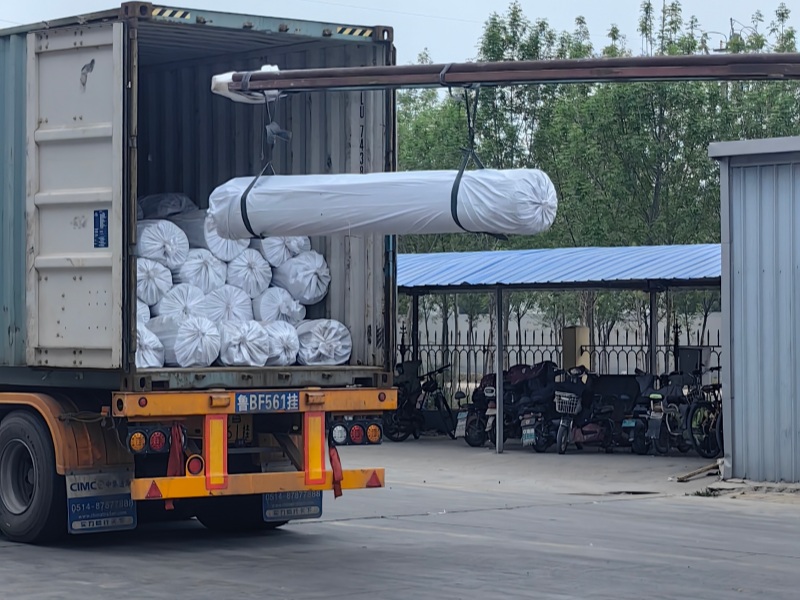
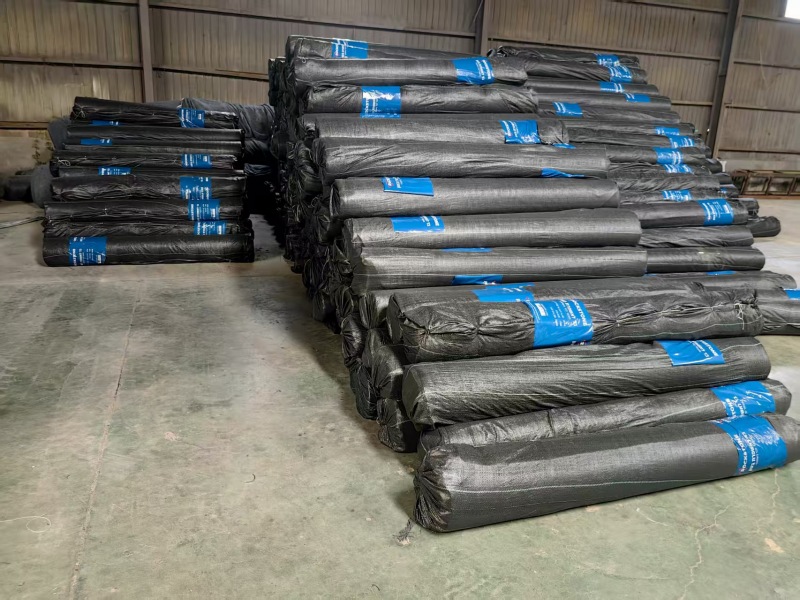
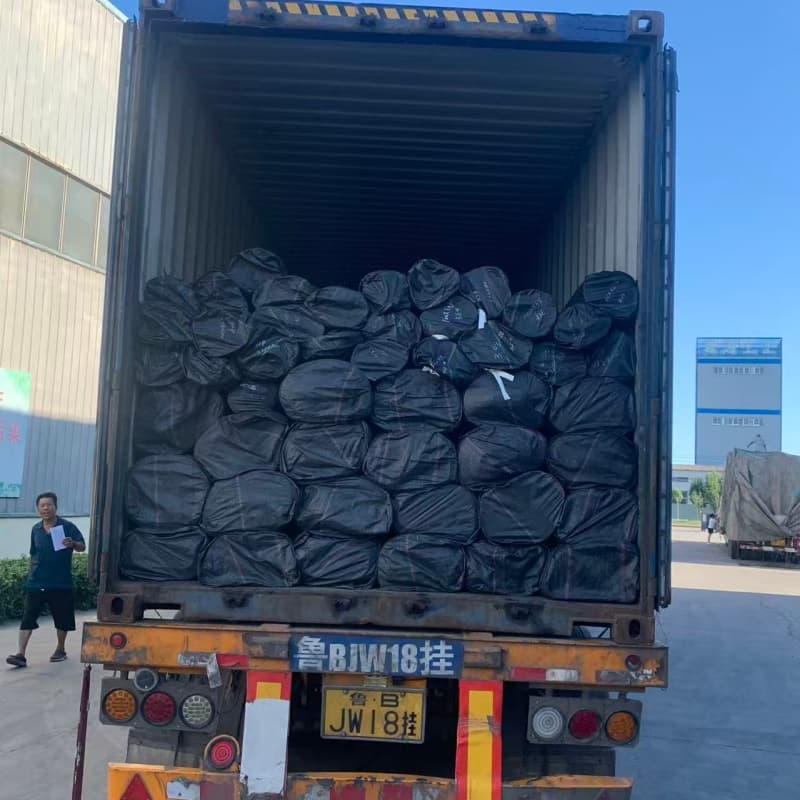
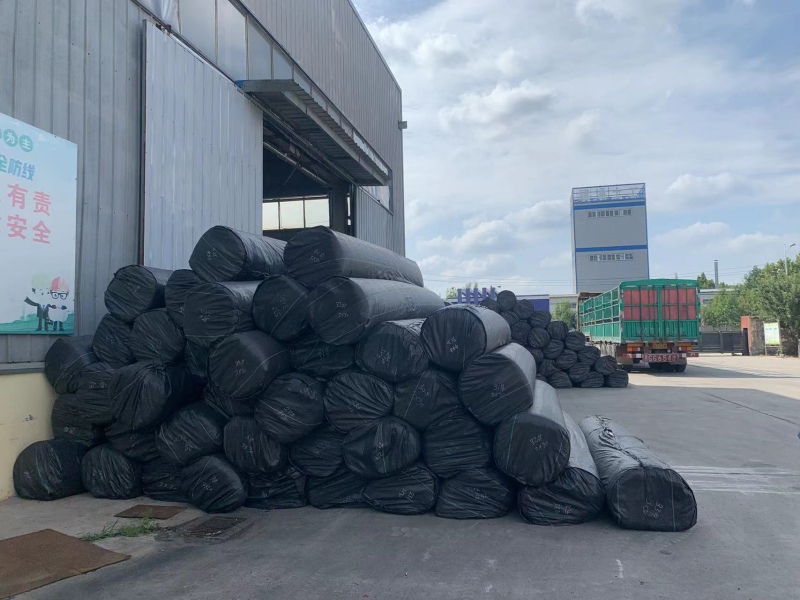
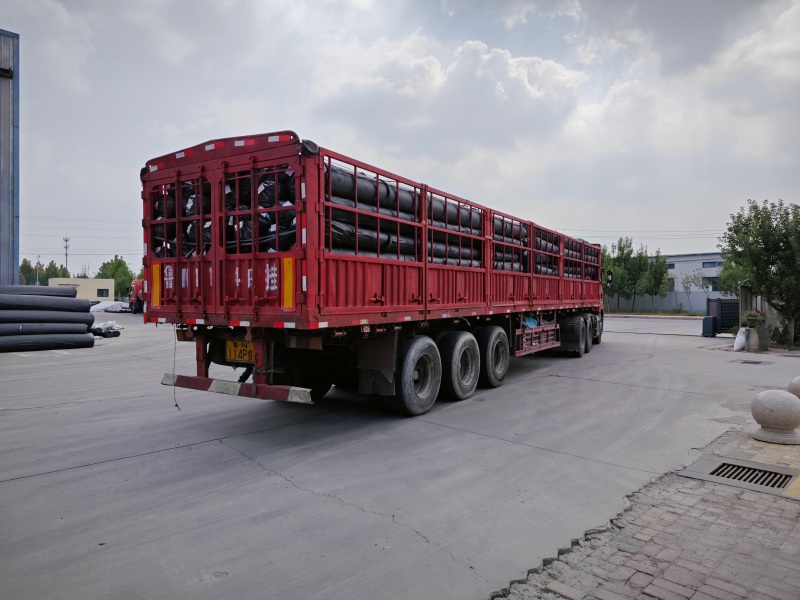
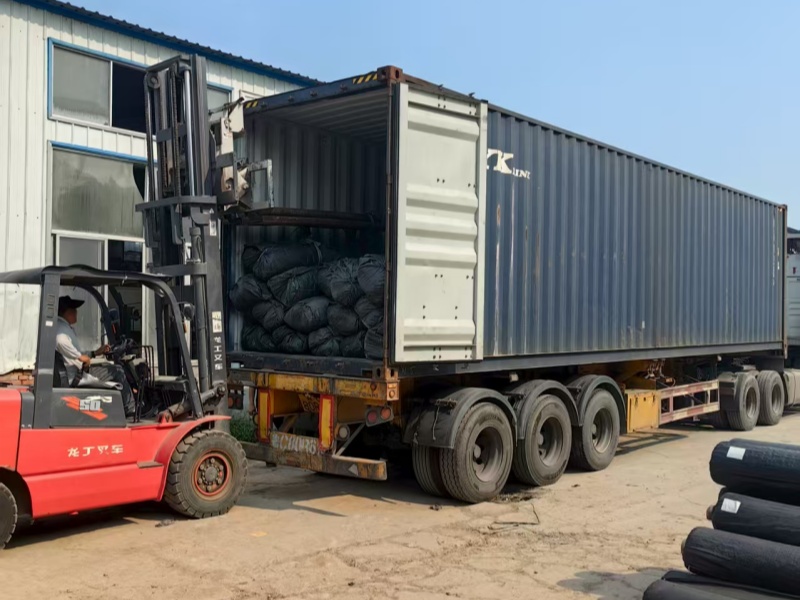
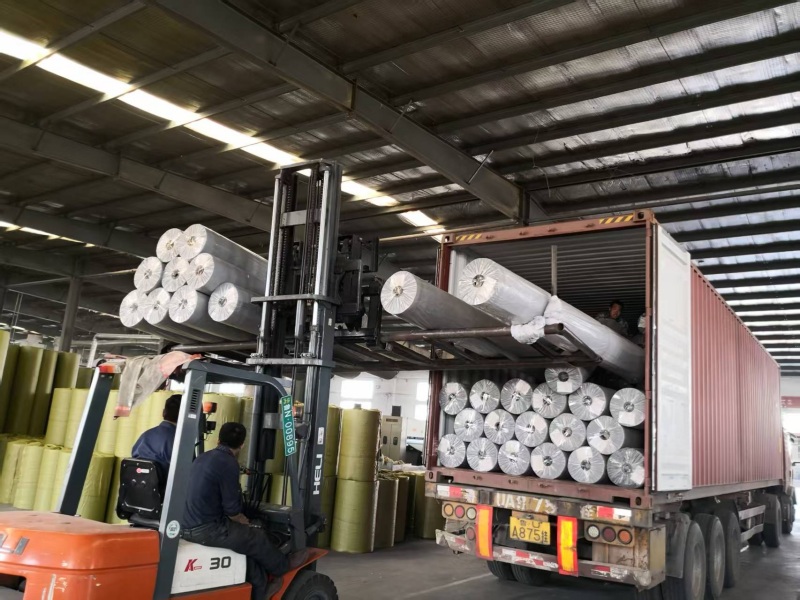
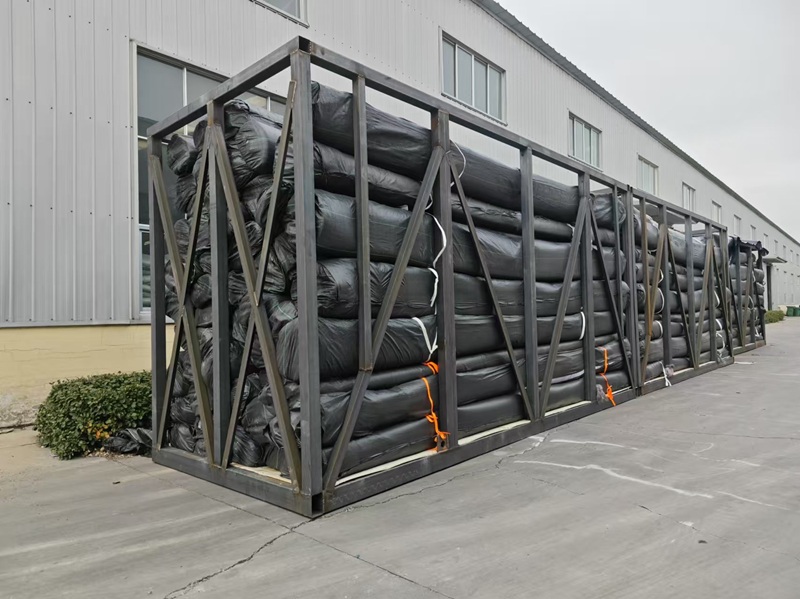
Packing And Delivery
 |
 |
 |
 |
 |
 |
 |
 |
Installation Guidelines
Proper installation is essential to ensure the long-term performance of a Natural Fiber Erosion Control Blanket. Following the recommended installation procedures helps improve erosion protection, supports vegetation establishment, and reduces the risk of blanket displacement during heavy rainfall.
1. Prepare the Slope
Grade and smooth the slope surface before installation. Remove loose rocks, branches, and other debris to create good contact between the blanket and the soil.
2. Apply Seed and Fertilizer (If Required)
For projects involving vegetation restoration, spread grass seed, fertilizer, or soil amendments before placing the blanket to encourage healthy plant growth.
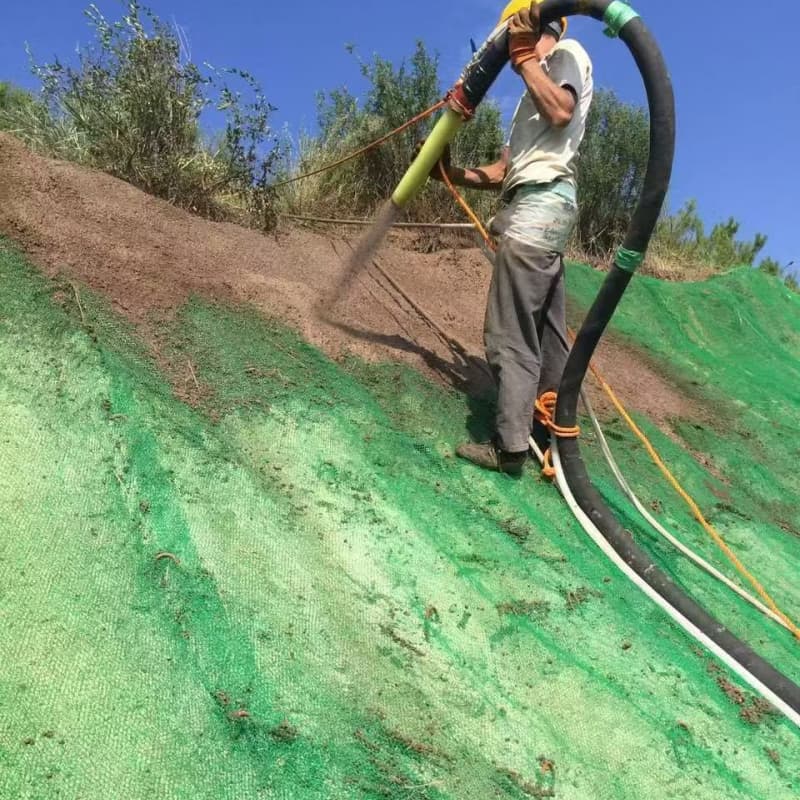
3. Install the Blanket from the Top Down
Unroll the blanket from the top of the slope toward the bottom, keeping it flat and in close contact with the soil. Avoid wrinkles or gaps that could allow water to flow underneath.
4. Secure the Blanket Properly
Anchor the blanket with staples, stakes, or anchor trenches according to the project requirements. Proper anchoring helps the blanket remain stable during rainfall and surface runoff.
5. Overlap Adjacent Rolls
Install adjacent blankets with the recommended overlap to create continuous coverage and prevent erosion at the joints.
Proper anchoring is one of the most important steps during installation. A well-secured blanket is better able to withstand rainfall, surface runoff, and wind, helping maintain effective slope protection until vegetation is fully established.
Project case: highway slope protection in Southeast Asia
A highway expansion project in Southeast Asia included several newly formed slopes that were exposed to seasonal monsoon rainfall. Without timely protection, heavy rain could lead to soil erosion, surface runoff, and difficulties in establishing vegetation.
To address these challenges, the project team selected Natural Fiber Coconut Coir Erosion Control Blankets as a temporary erosion control solution. The blankets were chosen for their ability to protect exposed soil while creating favorable conditions for vegetation to develop naturally.
The solution provided several key benefits:
Temporary Slope Protection – Reduced the impact of rainfall and helped control surface erosion during the early stages of the project.
Improved Vegetation Establishment – Retained soil moisture and helped keep seeds in place, supporting faster and more uniform plant growth.
Biodegradable Material – Made from natural coconut fibers that gradually decompose as vegetation becomes established, eliminating the need for removal.
Low Maintenance – Required minimal maintenance after installation, helping reduce long-term project costs.
During the first rainy season, the protected slopes experienced significantly less surface erosion than untreated areas. Vegetation established more quickly, providing a stable root system that continued to strengthen the slopes after the blankets had naturally biodegraded.
Choosing the Right Erosion Control Blanket
Selecting the right erosion control blanket depends on the specific site conditions and the expected protection period. Before choosing a product, consider several key factors:
Slope Angle
Steeper slopes are more vulnerable to runoff and soil movement. For high-angle slopes, a stronger blanket with higher durability is usually recommended to provide longer-lasting protection.
Rainfall Intensity
Projects located in areas with heavy rainfall or frequent storms require blankets that can better resist water impact and surface runoff. Coconut coir blankets are often preferred for wet and tropical environments due to their higher strength and longer service life.
Required Service Life
Different projects require different protection periods. Short-term applications may use lighter natural fiber blankets, while long-term erosion control projects typically require stronger materials with slower biodegradation rates.
Vegetation Type
The selected blanket should match the planned vegetation system. Materials that retain moisture and help secure seeds can support faster plant establishment and improve slope recovery.
Fiber Biodegradation Rate
The degradation speed of natural fibers affects how long the blanket remains functional. Faster-degrading fibers are suitable for short-term protection, while slower-degrading fibers provide extended support during vegetation growth.
Installation Requirements
Site conditions, slope accessibility, and construction methods should also be considered. A product that is easy to install can help improve construction efficiency and reduce labor costs.
For steep slopes, heavy rainfall regions, or projects requiring protection across multiple growing seasons, coconut coir erosion control blankets are generally the preferred choice due to their strength, durability, and longer service life.
Common Questions
What’s the difference between straw and coconut blankets?
Coconut coir lasts longer and performs better in heavy rainfall.
Are they biodegradable?
Yes. Natural fiber blankets gradually break down as vegetation takes over.
Can they be used on steep slopes?
Yes, although additional anchoring may be required.
How long do coir blankets last?
Typically around 24–36 months depending on climate conditions.
leave a message
Scan to Wechat/Whatsapp :



 English
 Français
 Deutsch
 Русский
 Español
 Português
 عربي
عربي Tiếng Việt
 Indonesia
 हिन्दी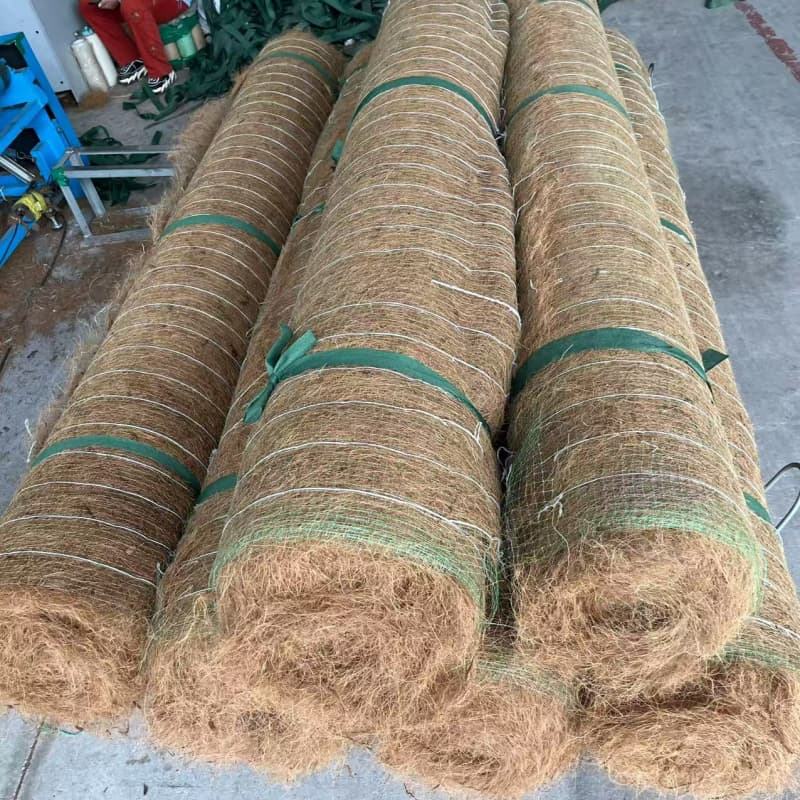


 IPv6 network supported