leave a message
If you are interested in our products and want to know more details,please leave a message here,we will reply you as soon as we can.

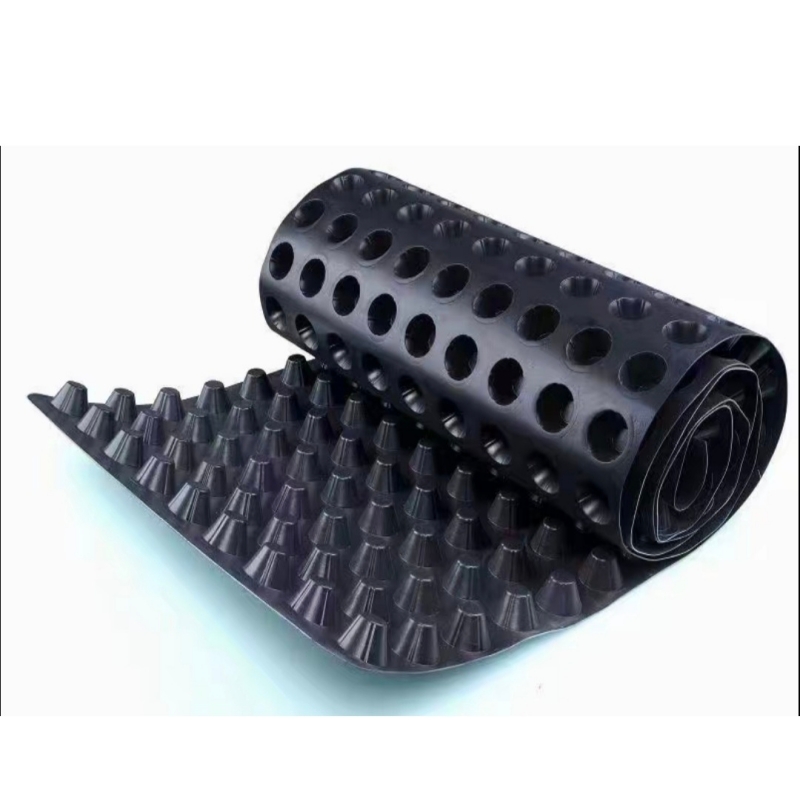
Composite Geosynthetic Drainage Board Mat for Landfill, Mining, and Civil Engineering Projects
Many drainage problems stay invisible until the system starts backing up years later. That’s why drainage layers are so important in landfill, mining, and civil engineering projects. If water, gas, or leachate can't flow properly, pressure slowly builds up behind the system. Eventually, something is going to fail. Composite drainage boards are designed to prevent exactly that.
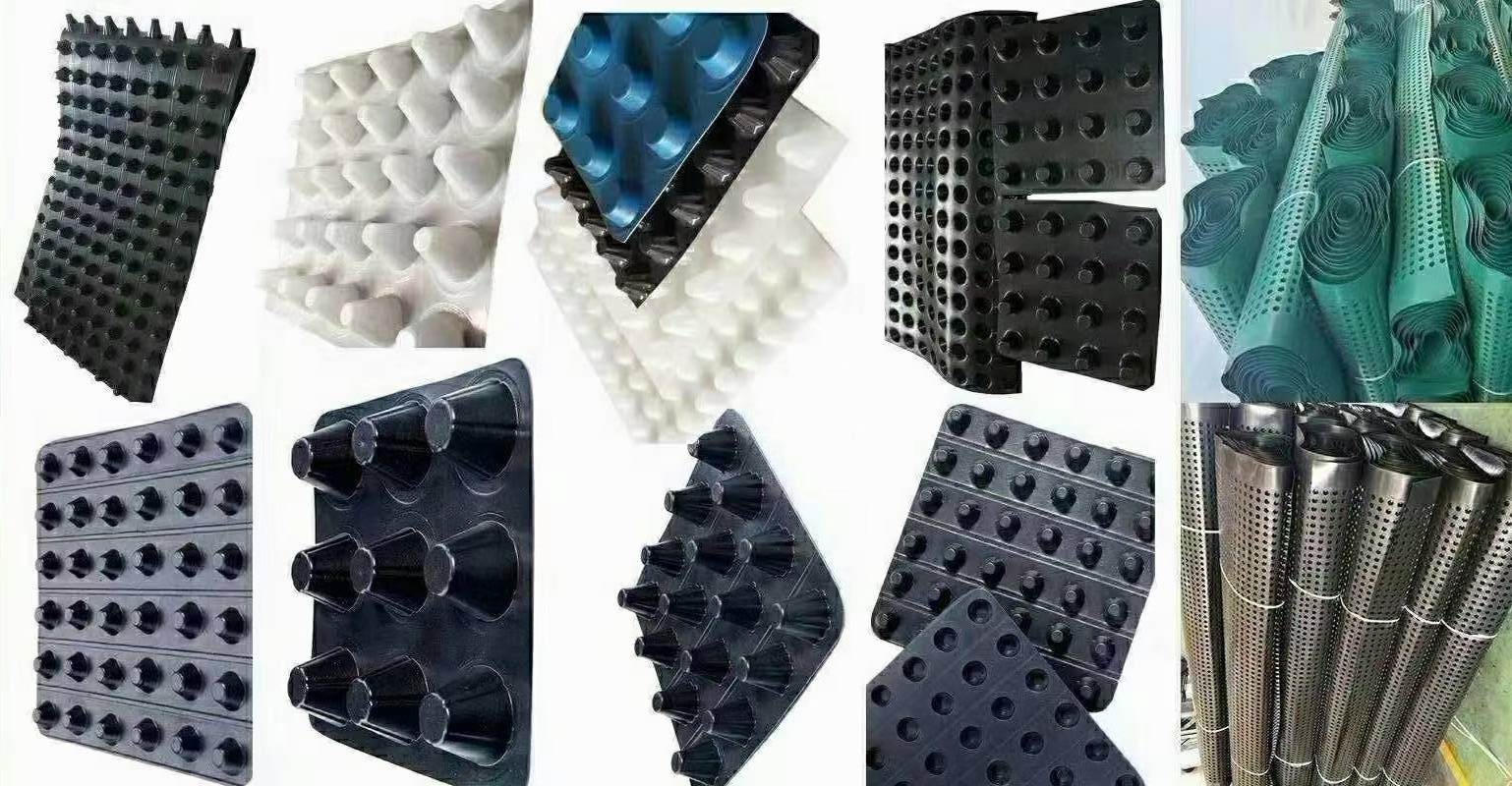
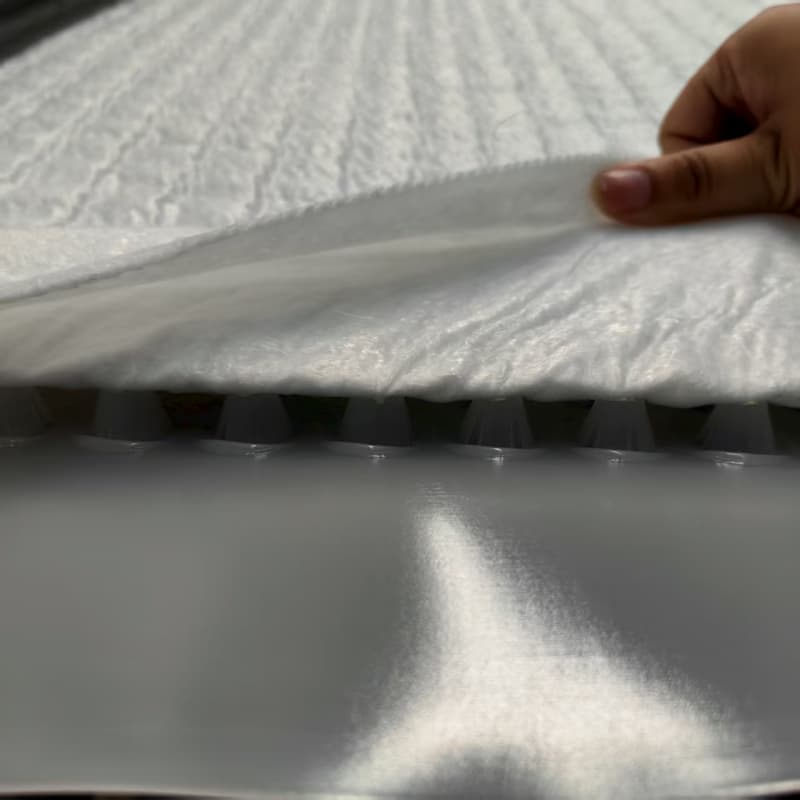
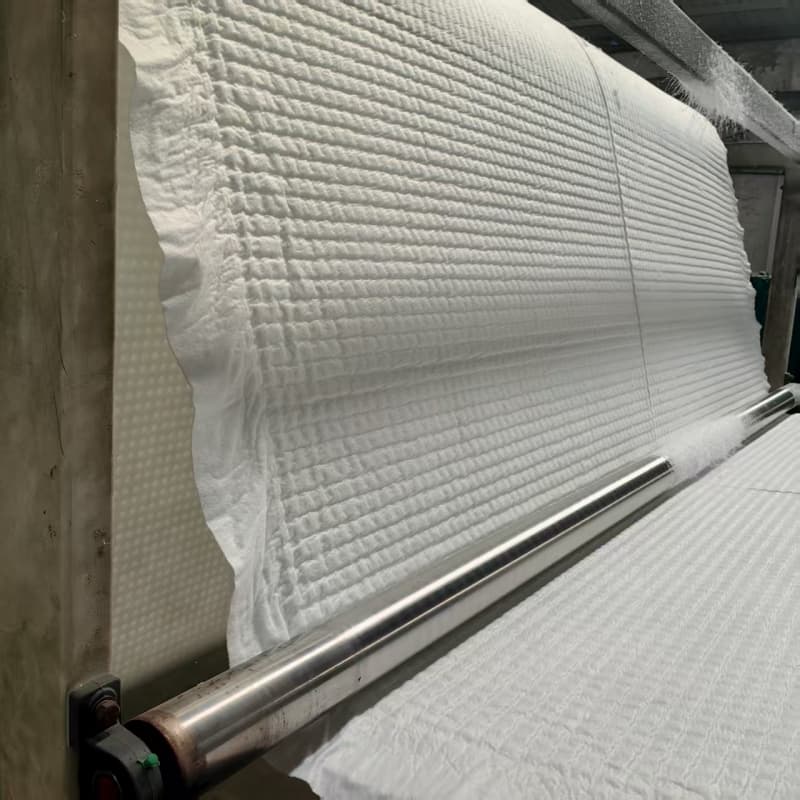
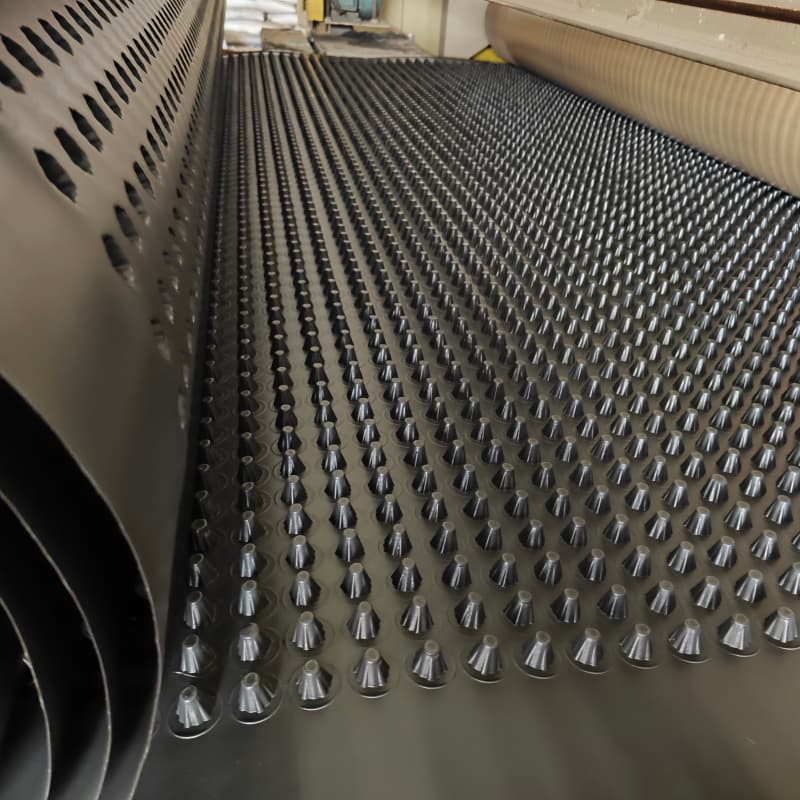
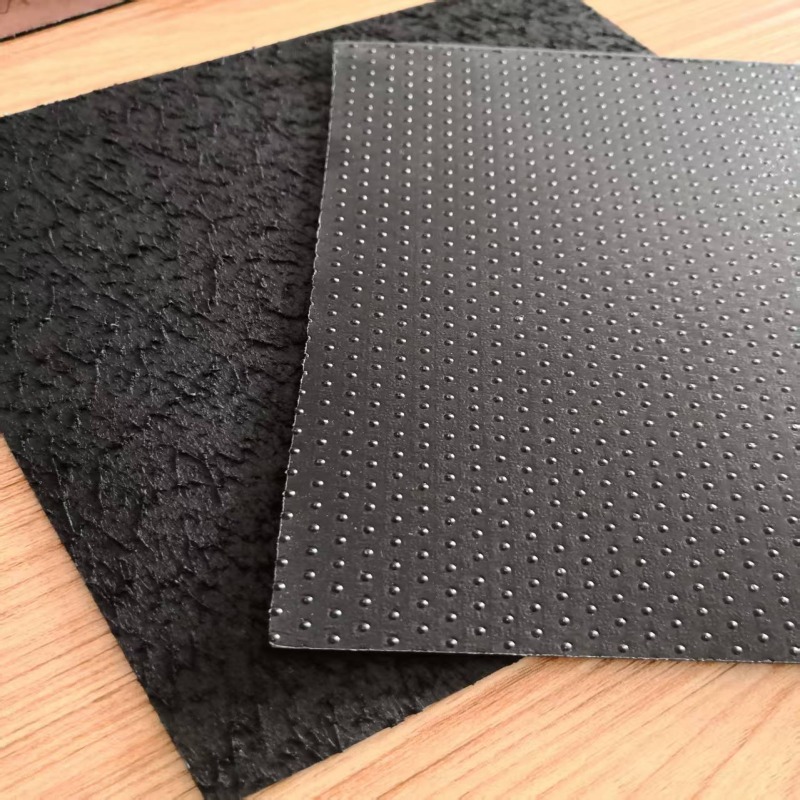
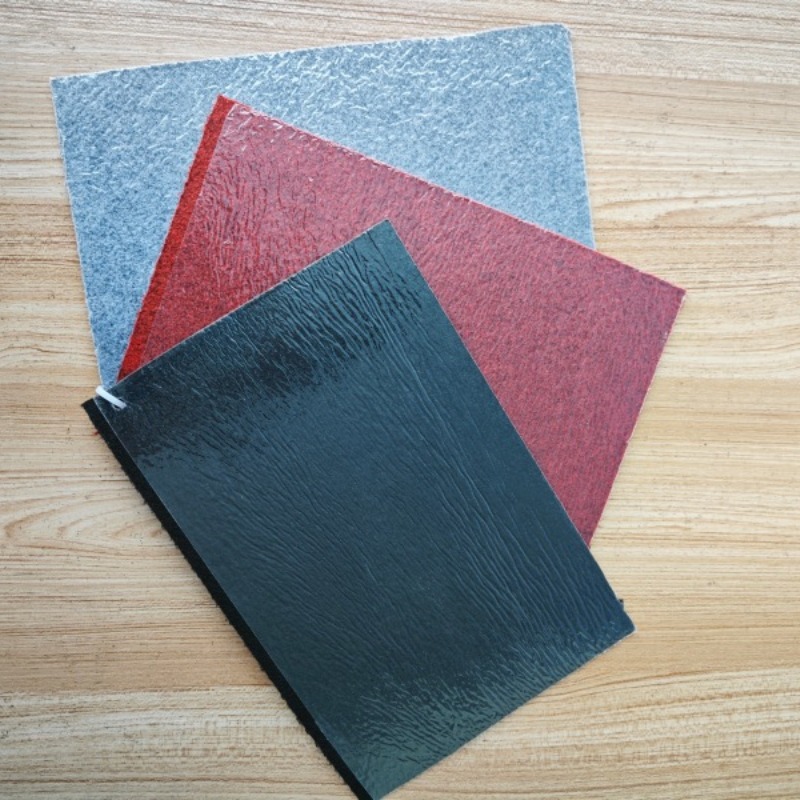
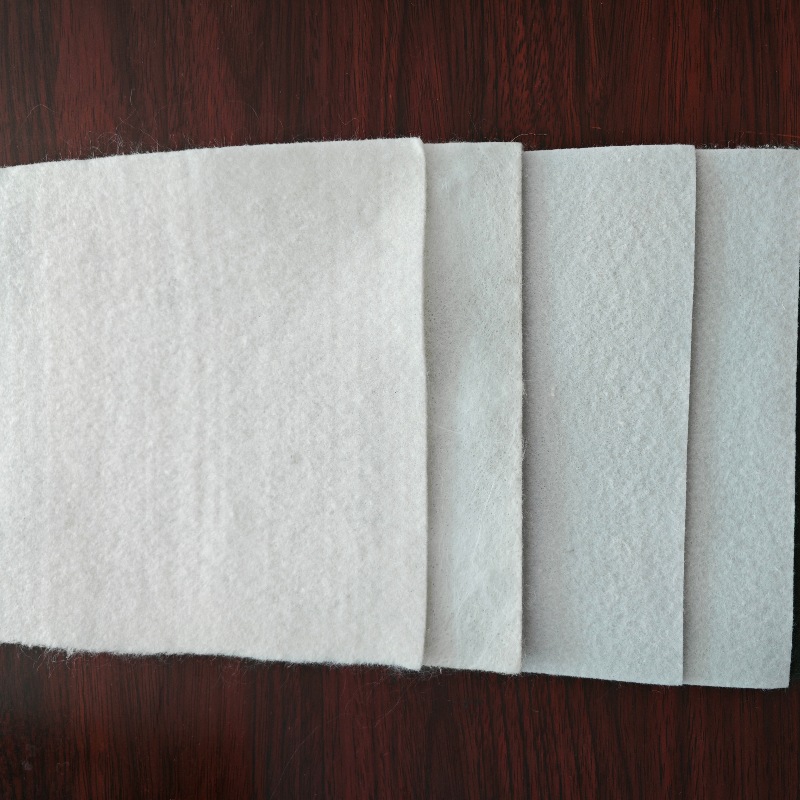
As a great alternative to traditional gravel layers, composite drainage boards combine a high-strength plastic core with geotextile fabric. This simple setup handles filtration, drainage, and protection all at once. It quickly channels water and gas away to prevent pressure buildup, while the fabric keeps soil particles out, ensuring the system stays clear and works well for years.
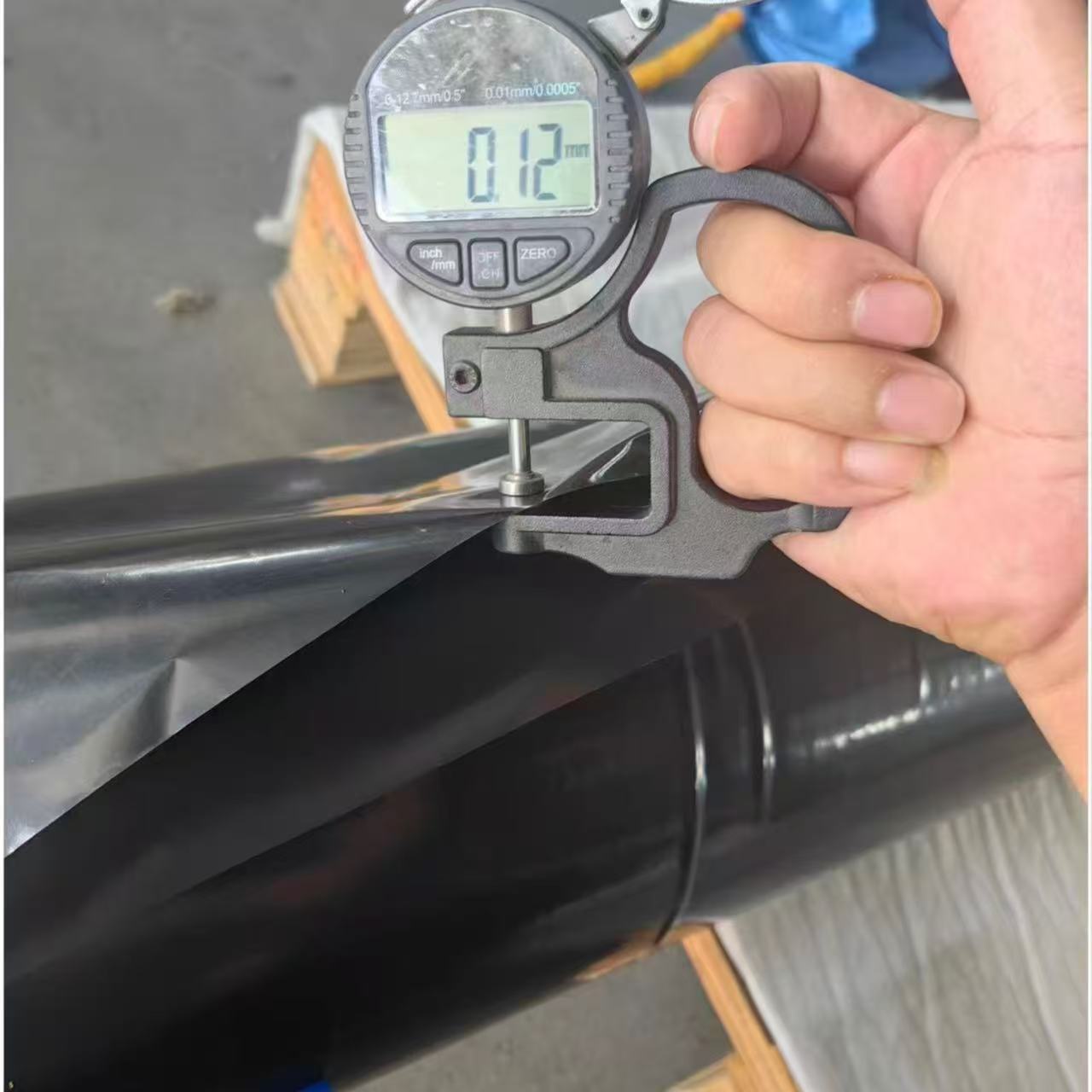
Thickness :
1.8-1.5mmWidth :
1-3 meters (customizable)Length :
1-20 meters (customizable)Payment :
FOBProduct Origin :
ChinaShipping Port :
QingdaoHeight :
0.8cm, 1.2cm, 1.6cm, 2.0cm, 2.5cm, 3.0cm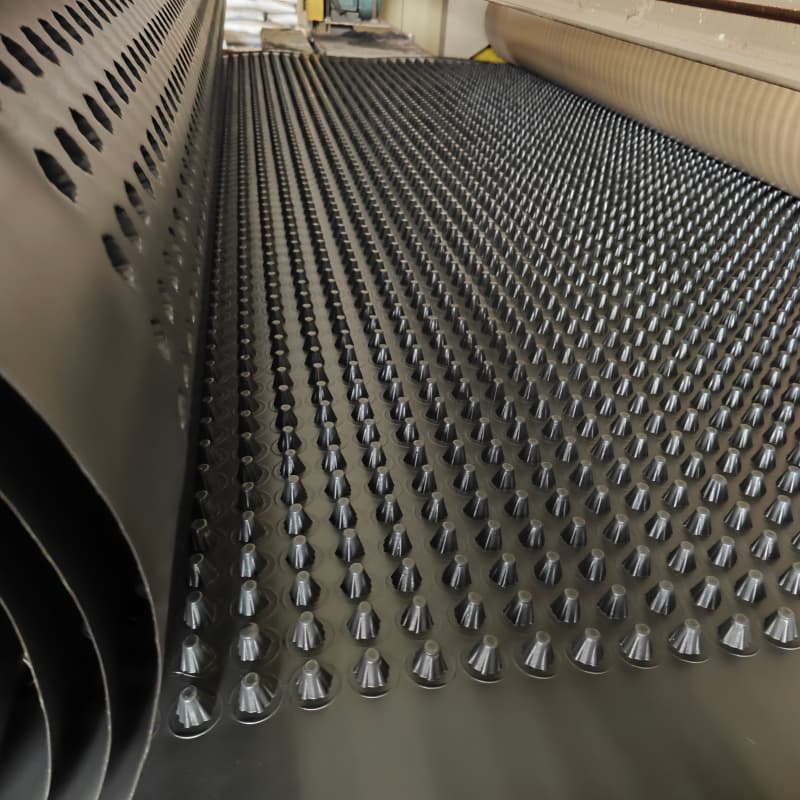
What a Drainage Board Actually Does
A Composite Geosynthetic Drainage Board Mat as an all-in-one drainage system. It’s basically a 3D drainage core sandwiched between two layers of permeable geotextile.
You can use this mat to handle filtration, drainage, protection, and even reinforcement. It’s a massive time-saver and a total game-changer for landfills, mining, and civil engineering projects.
Here’s how it actually performs on the job:
1. Landfills: The Unsung Hero of Containment
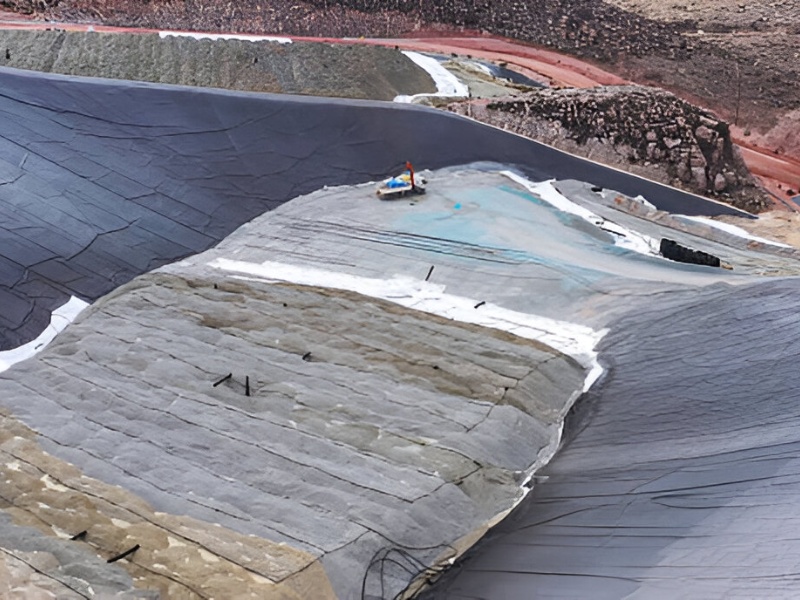
Leachate Collection: It sits right above the geomembrane to catch and channel out leachate. This stops the liquid from pooling up and risking a leak.
Groundwater & Leak Detection: It acts as a drainage layer for groundwater and helps detect leaks early by keeping the primary liner dry.
Gas Venting: As trash breaks down, it creates methane and CO2. The mat helps vent these gases safely so pressure doesn't build up and damage the liner.
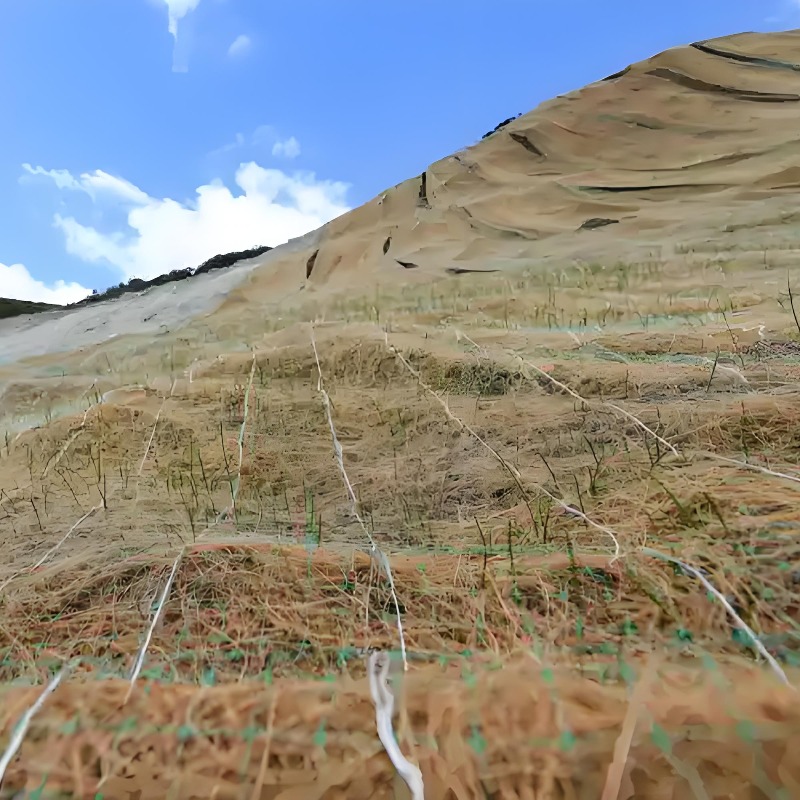
Slope Stability: When you cap a landfill, the mat replaces traditional gravel. It drains rainwater fast, which prevents pore water pressure from building up and causing the cap to slide.
2. Mining: Keeping Things Safe and Clean
Tailings & Waste Dams: Just like landfills, tailings ponds need serious leachate collection and groundwater drainage to keep toxic stuff from seeping into the surrounding soil and water.
Haul Roads & Slopes: Mining roads take a beating. Putting this mat under the road base drains water away so the road doesn't turn to mud. It also reinforces the soil and helps stabilize steep, high-wear slopes against erosion and landslides.
3. Civil Engineering: Roads, Tunnels, and Retaining Walls
Road & Rail Subgrades: Laid between the subgrade and the base course, it stops capillary water, drains out internal moisture, and prevents fine soils from washing away. It also acts as a separator and reinforcement, which means roads can handle heavier loads and last longer.
Tunnels & Underground Structures: Placed behind tunnel linings or basement walls, it catches seepage and relieves hydrostatic pressure. This protects the waterproofing membrane from getting crushed or torn.
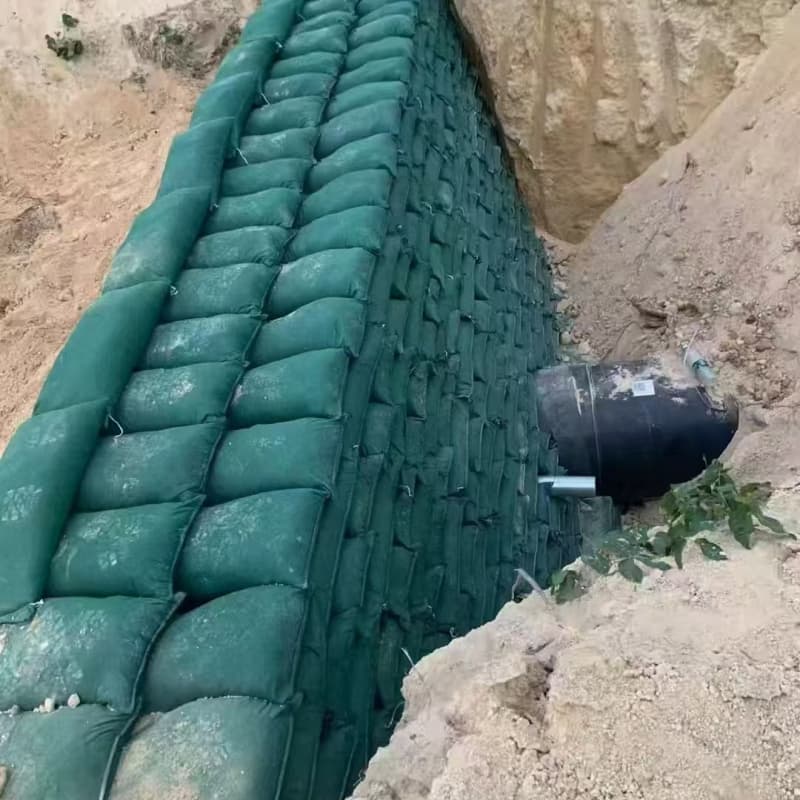
Retaining Walls: Installed right behind the wall, it drains away groundwater fast. Less water behind the wall means less lateral pressure, which keeps the wall from leaning or failing.
Soft Soil Treatment: If you're building on soft clay (like coastal areas), driving these boards into the ground speeds up soil consolidation. It dramatically cuts down settlement time and gets the ground ready for construction much faster.
You’ll find drainage boards are commonly used in:
Landfill liner systems
Mining heap leach pads
Retaining wall drainage
Roof garden drainage
Tunnel waterproofing systems
Road and railway projects
Foundation drainage systems
Some projects also install them behind basement walls to reduce hydrostatic pressure. Basically, when soil gets soaked, it pushes against the wall way harder. Draining that water away quickly stops the wall from cracking and keeps the basement totally dry.
Why Drainage Performance Matters
A lot of people in this industry have a bad habit: they stare at the geomembrane but completely ignore the drainage system. Trust me, that’s a massive trap!
Think about it: even if you use top-tier geomembranes, they’ll still fail early if the drainage boards aren't there to smoothly guide the water away. Why? Because trapped water gets stuck and builds up massive hydrostatic pressure. It’s like an invisible giant hand, ready to push or tear your perfectly good geomembrane apart at any moment.
We’ve seen way too many painful lessons from this. Just a few years after installation, the whole project goes south because the drainage channels get clogged. And the worst part? Once these materials are buried underground, trying to dig them up for repairs is basically mission impossible. So, please, don't let a cheap or clogged drainage board ruin your expensive geomembrane system.
What Affects Drainage Performance?
Five Core Factors:
1. Core compressive strength
Once buried, the board gets squeezed by tons of soil. If the core isn't tough enough, it’ll eventually get crushed flat. And when the channels close up, your drainage system is basically dead.
2. Flow capacity
Think of this as the water's highway inside the board. If the flow capacity is weak, water just gets stuck and backs up. That completely ruins your timeline for drying out the ground.
3. Soil filtration performance
The outer filter is supposed to let water in but keep the dirt out. If you pick the wrong one, fine soil particles will sneak right in. Before you know it, those tiny particles will clog up the whole system.
4. Long-term clogging resistance
Underground is a messy place, and sludge loves to stick to things over time. If the board doesn't have strong anti-clogging resistance, its performance will drop off a cliff. You need a material that can survive the long haul.
5. Installation damage
Driving these boards into the ground is a rough, heavy-duty job. If the material is too brittle, it can easily snap or twist during installation. That kind of hidden damage ruins the whole setup before it even starts working.
Real Project: Landfill Expansion in Southeast Asia
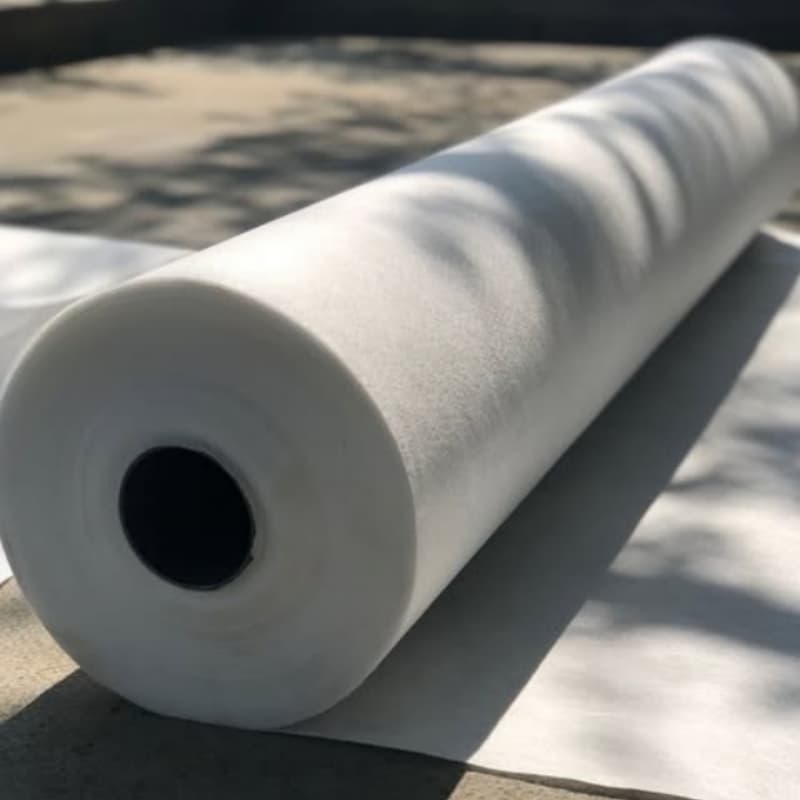
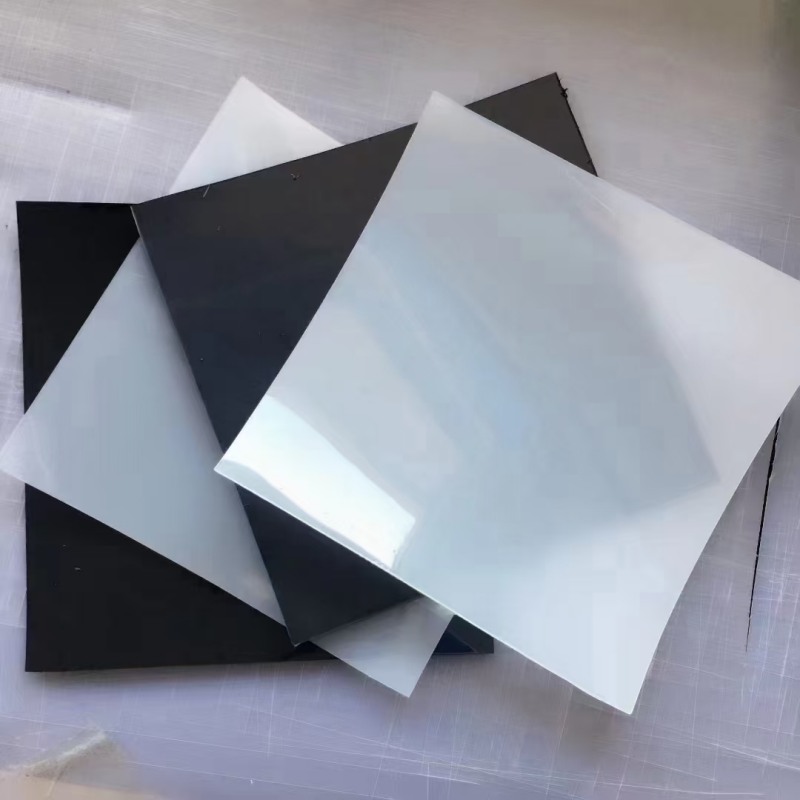
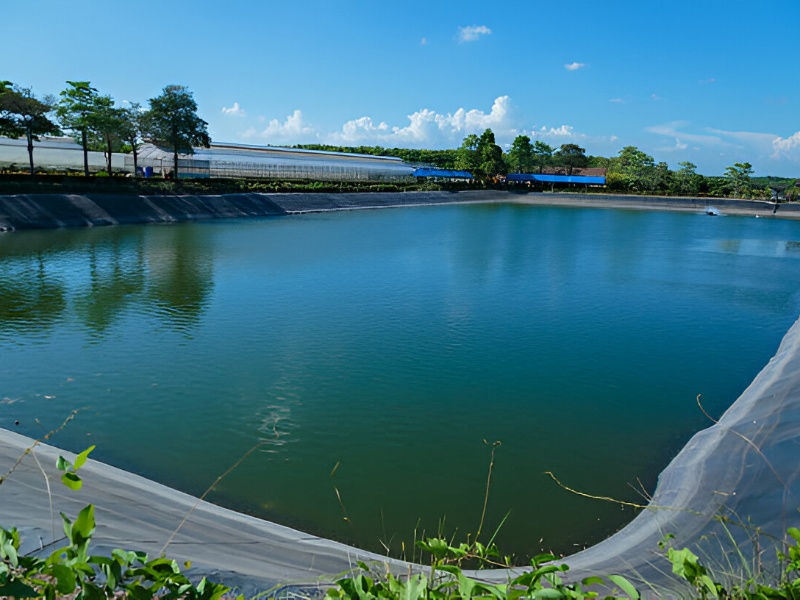
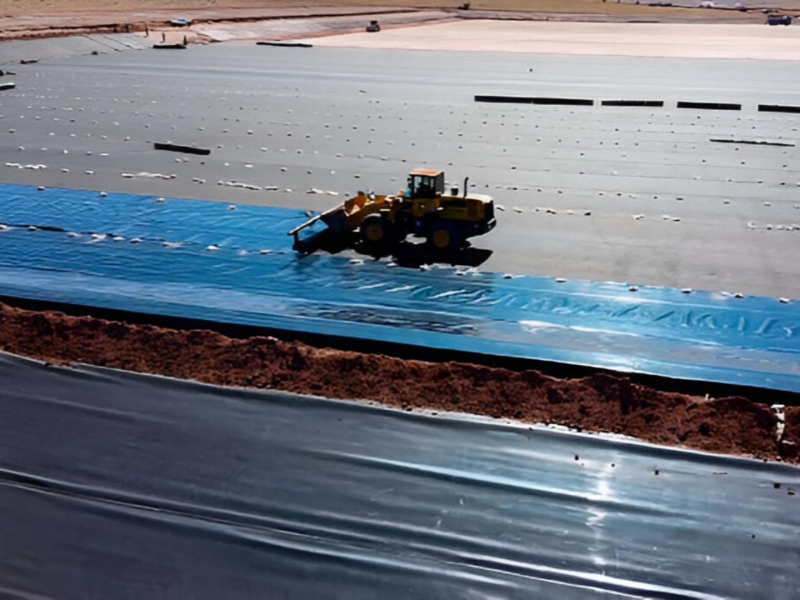
A landfill expansion project in Southeast Asia used composite drainage boards together with HDPE geomembrane liners and nonwoven geotextiles.
The site experienced heavy seasonal rainfall, so drainage performance was critical.
Traditional gravel layers would have struggled badly here. But the drainage boards helped move leachate efficiently while reducing water pressure buildup behind the liner system. During extended rainy periods, the system maintained stable drainage flow without major clogging problems.
How to choose the right drainage board
Before selecting a drainage system, engineers usually ask:
• What load will the system carry?
• How much water flow is expected?
• Is chemical resistance required?
• Will fine soil particles cause clogging?
• How long does the system need to last?
Most drainage products look similar at first glance. The performance differences usually show up years later underground. So, before you make a purchase, make sure to share these details with the supplier. It’s the best way to ensure you get the perfect drainage board for your specific needs.
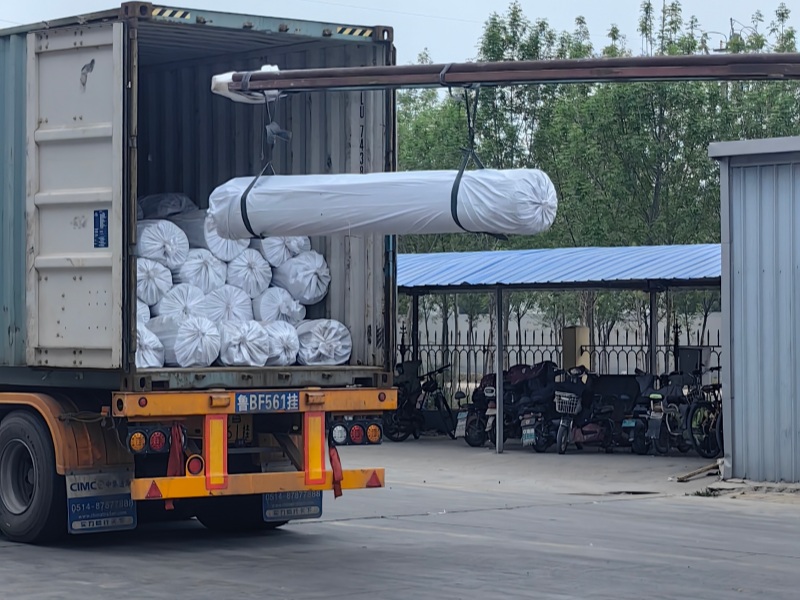
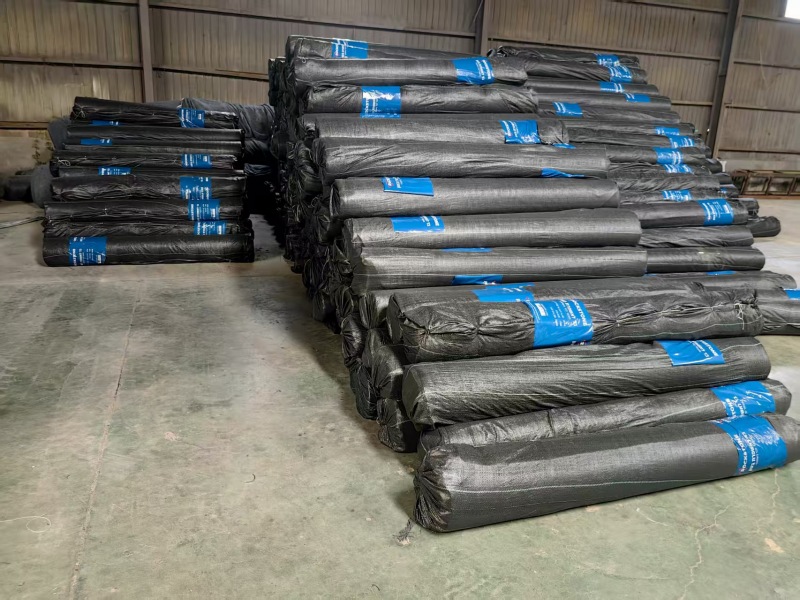
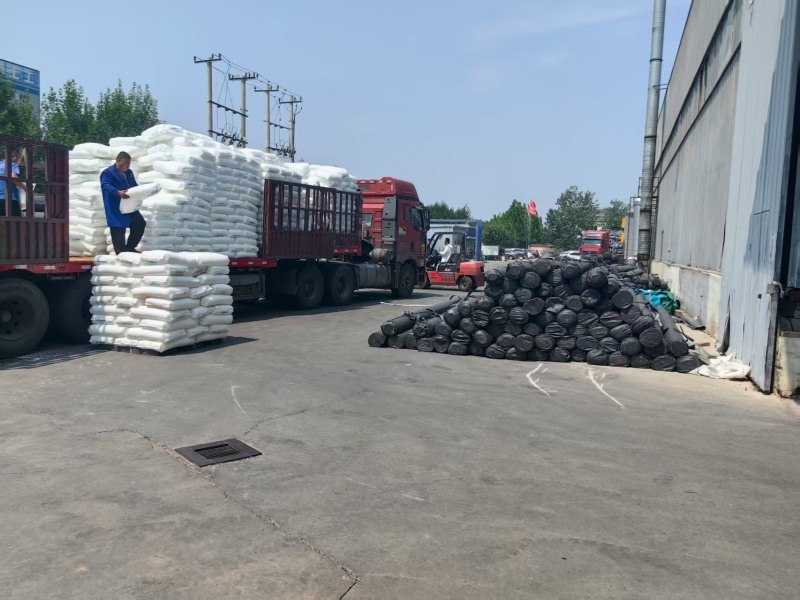
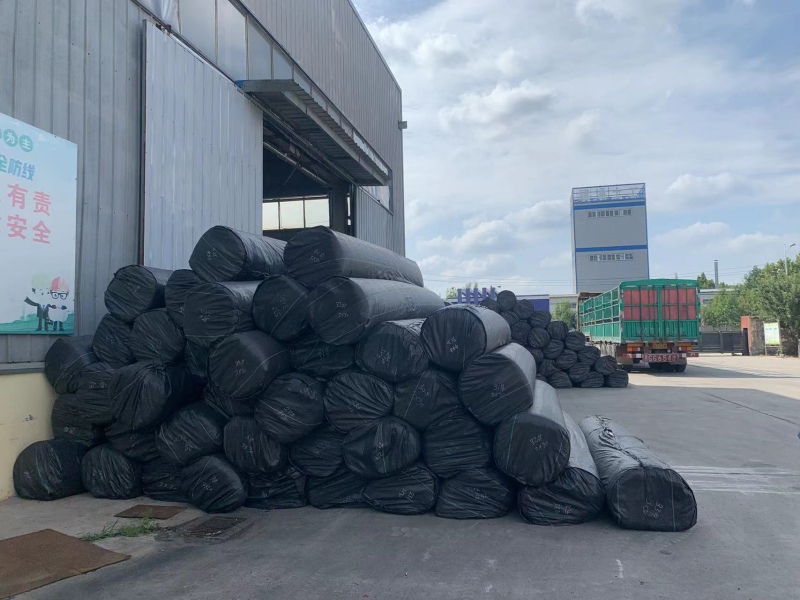
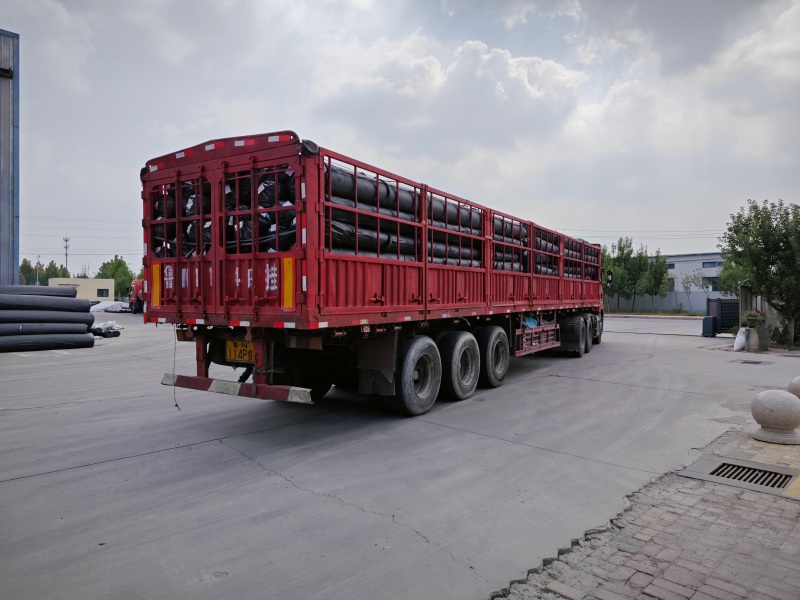
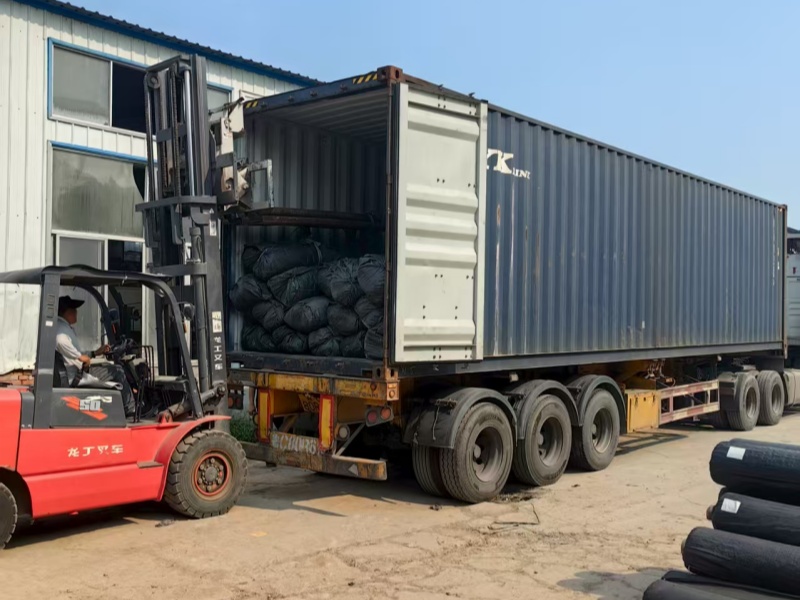
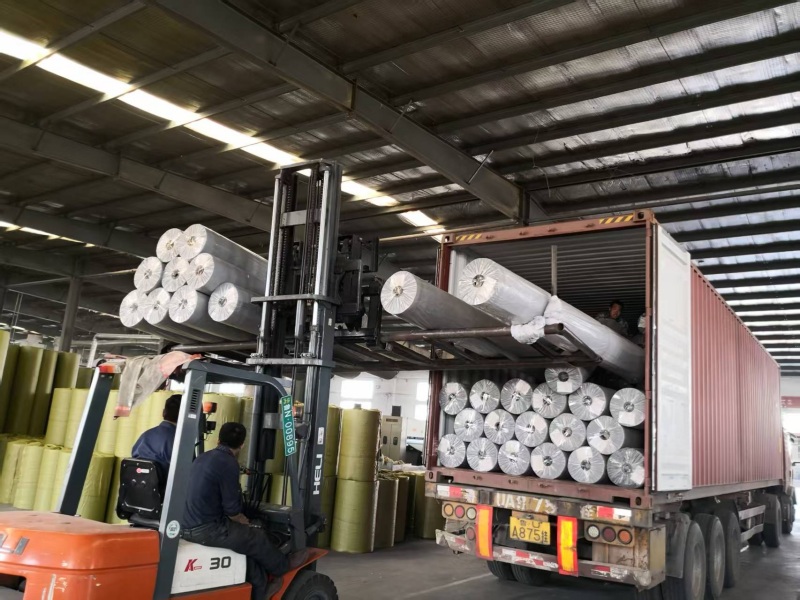
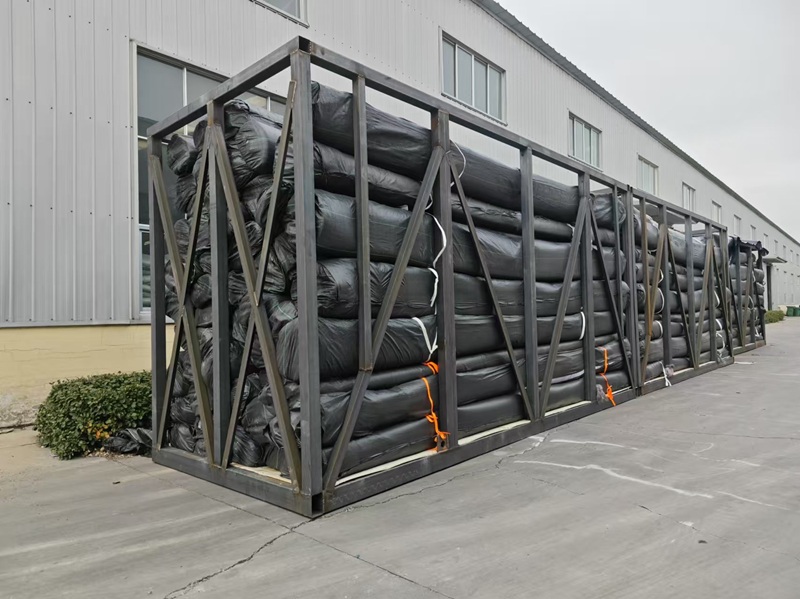
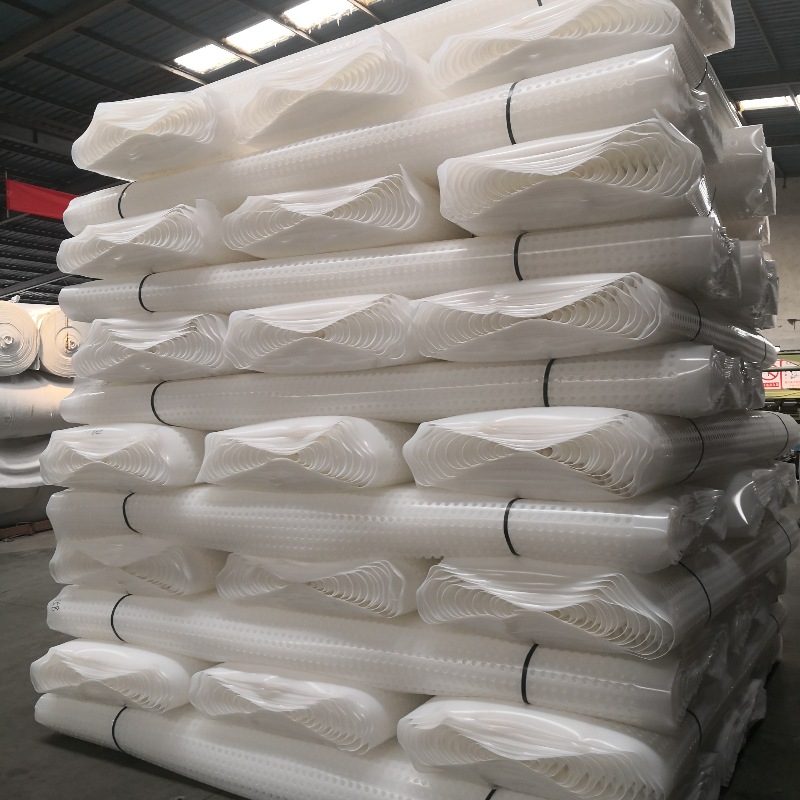
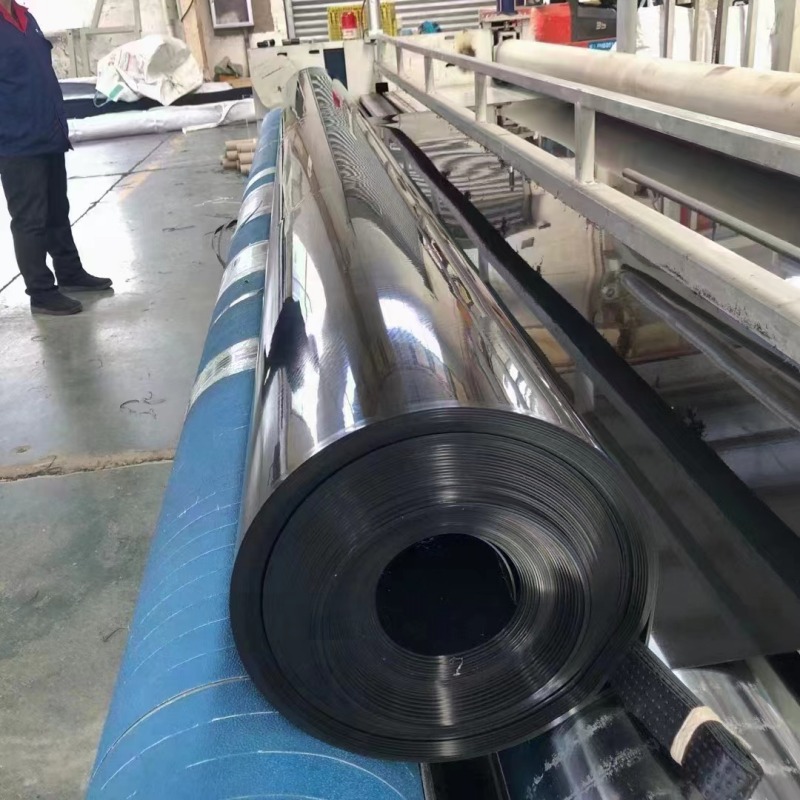
Packing And Delivery
 |
 |
 |
 |
 |
 |
 |
 |
FAQ
What is a composite drainage board used for?
It’s used to move water or gas away from behind liners, retaining walls, landfill systems, and foundations.
Can drainage boards replace gravel drainage layers?
In many projects, yes. They’re lighter, faster to install, and easier to transport.
Why combine drainage boards with geotextiles?
The geotextile prevents soil particles from clogging the drainage core.
Are drainage boards used in mining projects?
Absolutely. They’re widely used in heap leach pads, tailings facilities, and containment systems
leave a message
Scan to Wechat/Whatsapp :



 English
 Français
 Deutsch
 Русский
 Español
 Português
 عربي
عربي Tiếng Việt
 Indonesia
 हिन्दी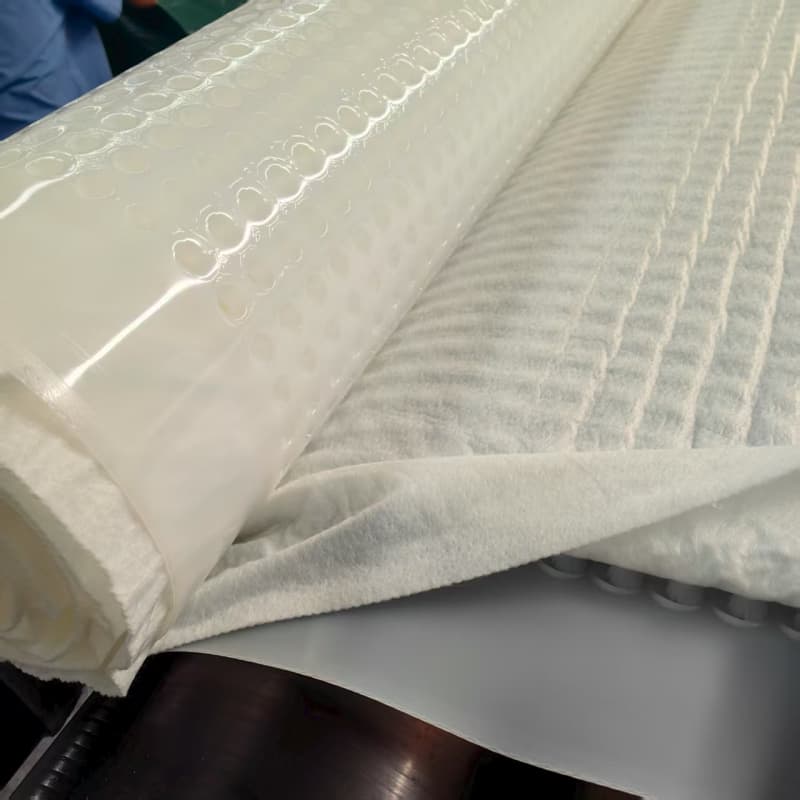




 IPv6 network supported