leave a message
If you are interested in our products and want to know more details,please leave a message here,we will reply you as soon as we can.
Concrete Canvas for Africa | Rapid Erosion Control & Water Management | Nuokun Geo
Reliable Concrete Canvas (GCCM) solutions designed for the demanding conditions of African infrastructure projects. Combining the flexibility of a geosynthetic with the durability of concrete, Concrete Canvas provides fast, practical erosion control with minimal site preparation and low water requirements.
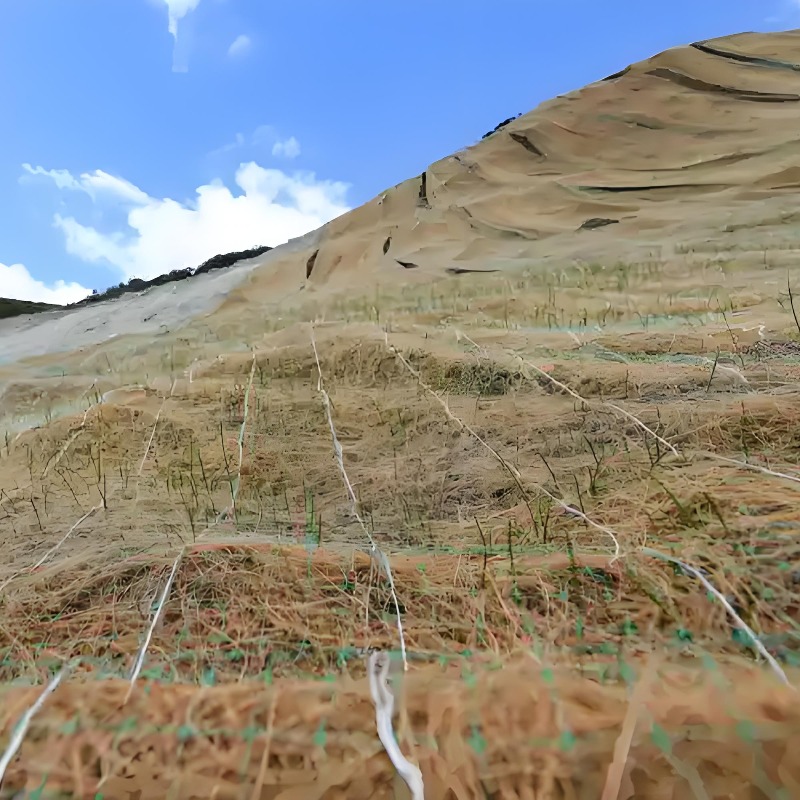
It is widely used for ditch lining, slope protection, irrigation channels, drainage systems, and small-scale water containment in remote or difficult-to-access areas. Lightweight rolls allow for easier transportation and quicker installation, helping reduce labor, construction time, and overall project costs. With proven performance and dependable quality, Nuokun Geo supplies Concrete Canvas solutions to infrastructure, mining, agricultural, and water management projects across Africa.
Color :
Gray, Green, Blue, CustomizableSpecifications :
5kg-25kg/㎡Width :
1-4 meters (customizable)Length :
1-30 meters (customizable)Lead Time :
7 days after deposit paymentPayment :
FOBProduct Origin :
ChinaShipping Port :
Qingdao
Solving Built for Africa's Challenging Infrastructure Projects
Across Africa, many infrastructure projects are built in challenging environments where transportation, equipment access, and water availability can be limited. From remote rural areas to harsh dry regions, construction teams often need solutions that are easy to transport, quick to install, and reliable under changing conditions.
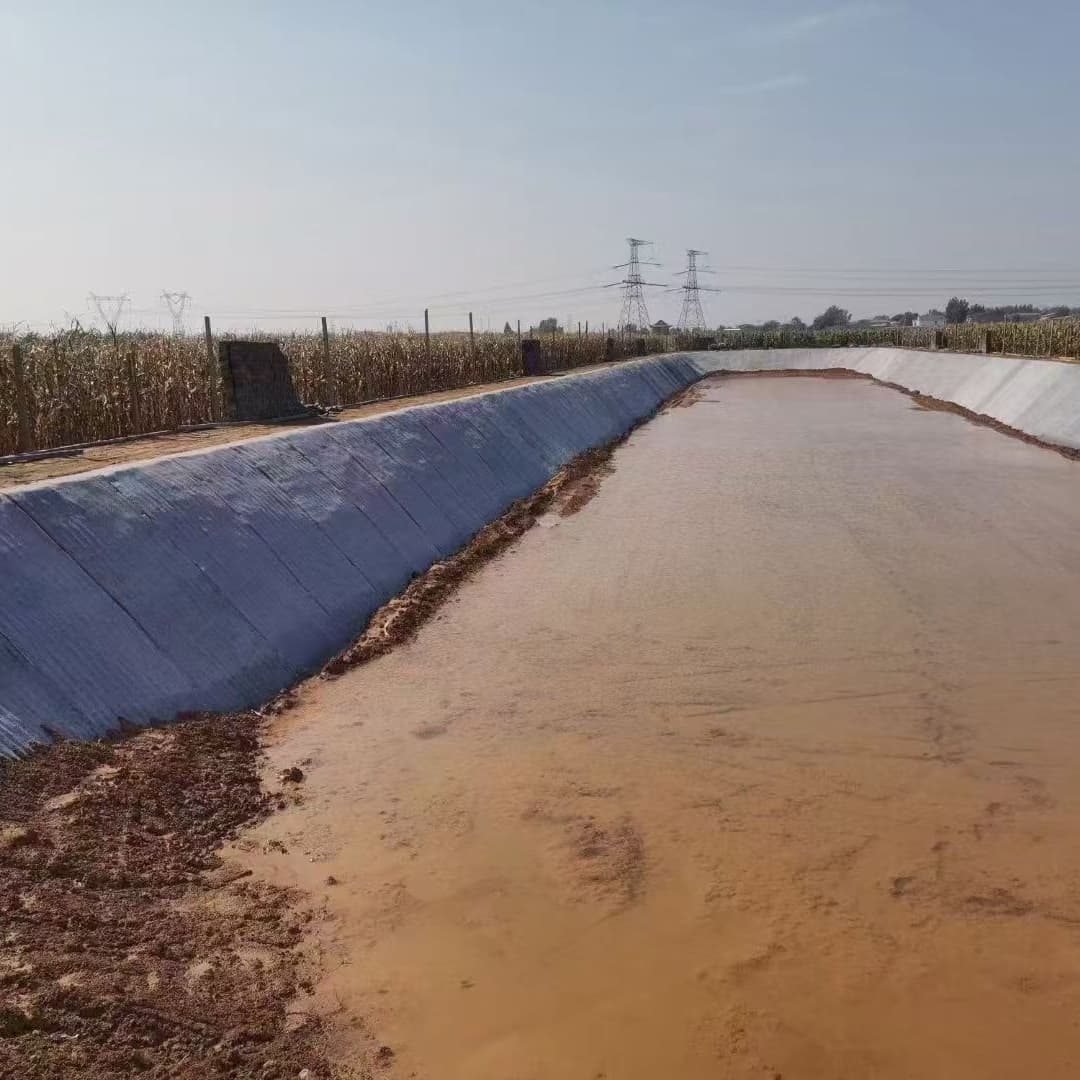
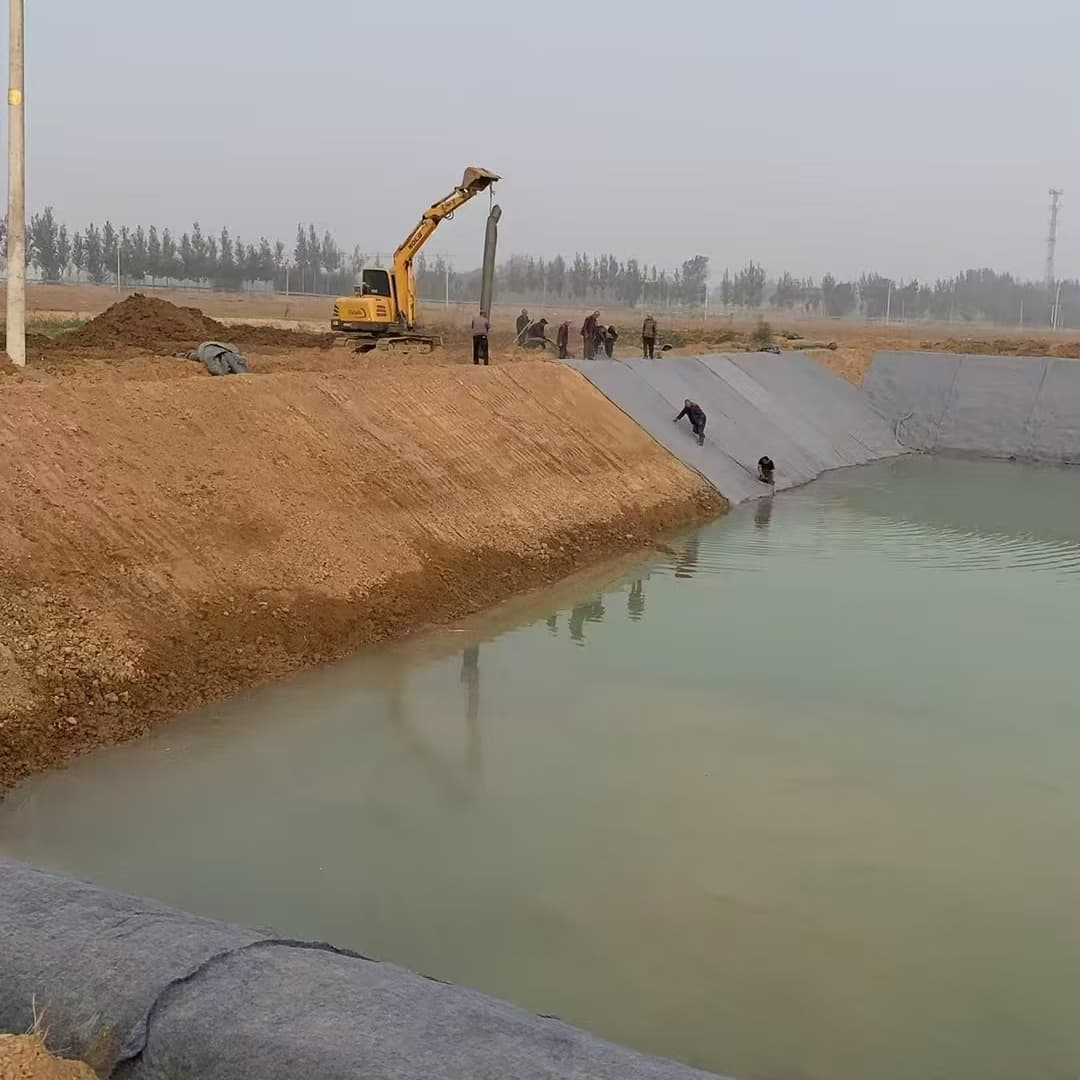
Concrete Canvas from Nuokun Geo provides a practical alternative for erosion control and water management applications. Its lightweight roll format, low water requirement, and rapid installation make it suitable for ditches, channels, slopes, and other infrastructure projects where traditional concrete construction may be difficult to apply.
Key Benefits of Concrete Canvas for African Projects
Minimal Water Requirement
In many African regions, access to water can be limited, making traditional concrete construction difficult and costly. Unlike conventional concrete that requires large amounts of water for mixing and curing, Concrete Canvas only needs hydration to activate, with typical water usage of around 20–30 liters per 100 m². This makes it a practical solution for projects in water-restricted areas.
Simplified Transportation and Logistics
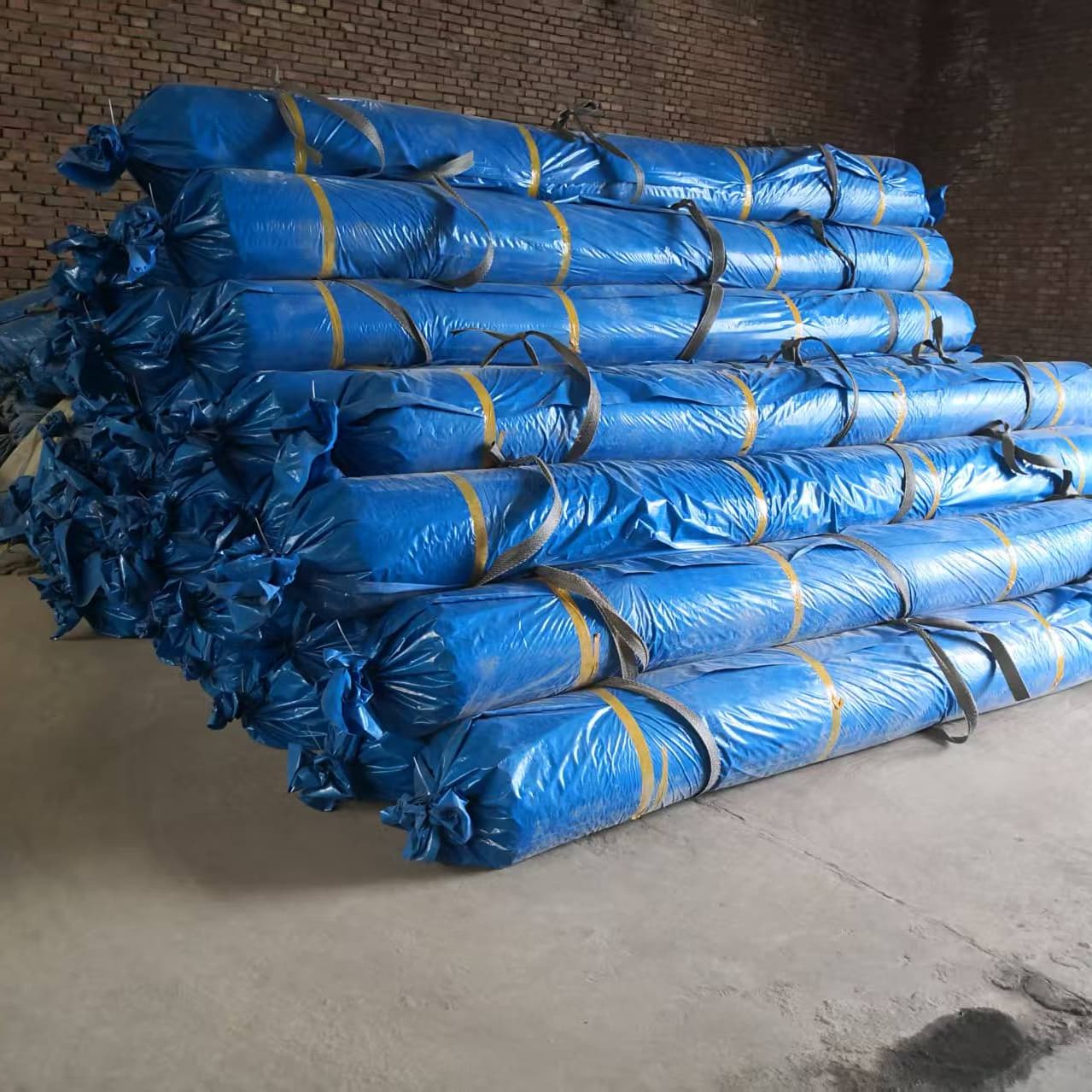
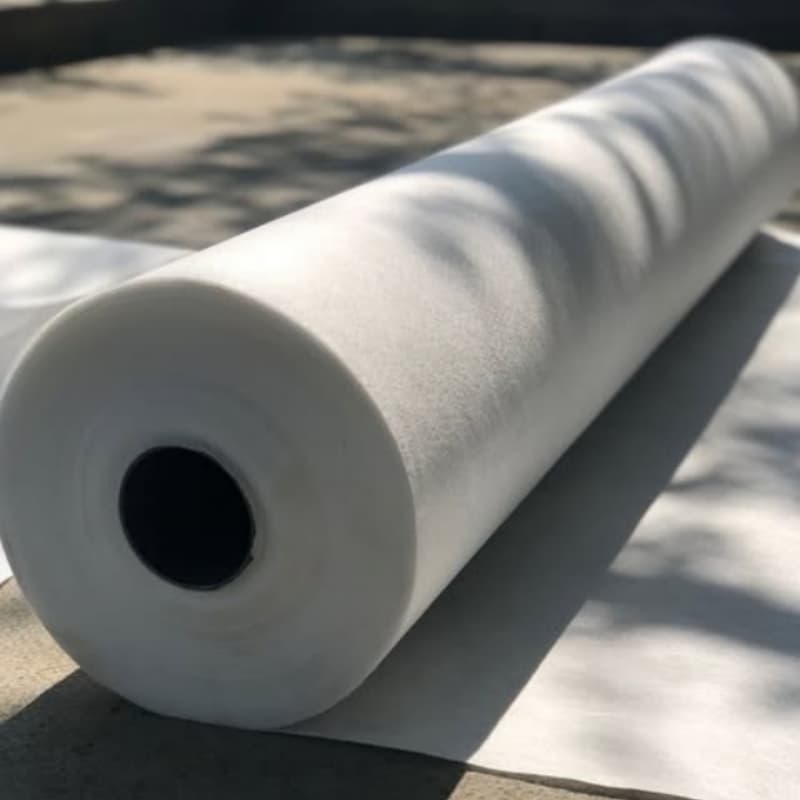
Concrete Canvas is supplied in lightweight, compact rolls that are easy to transport to remote locations. Without the need for concrete batching plants, mixers, or complex formwork, installation can be carried out efficiently even where construction resources are limited.
Fast Installation for Emergency Projects
With rapid setting performance, Concrete Canvas helps restore critical infrastructure quickly after erosion damage, road washouts, or drainage failures. Projects that traditionally require days of concrete work can often be completed much faster.
Easy Installation with Local Labor
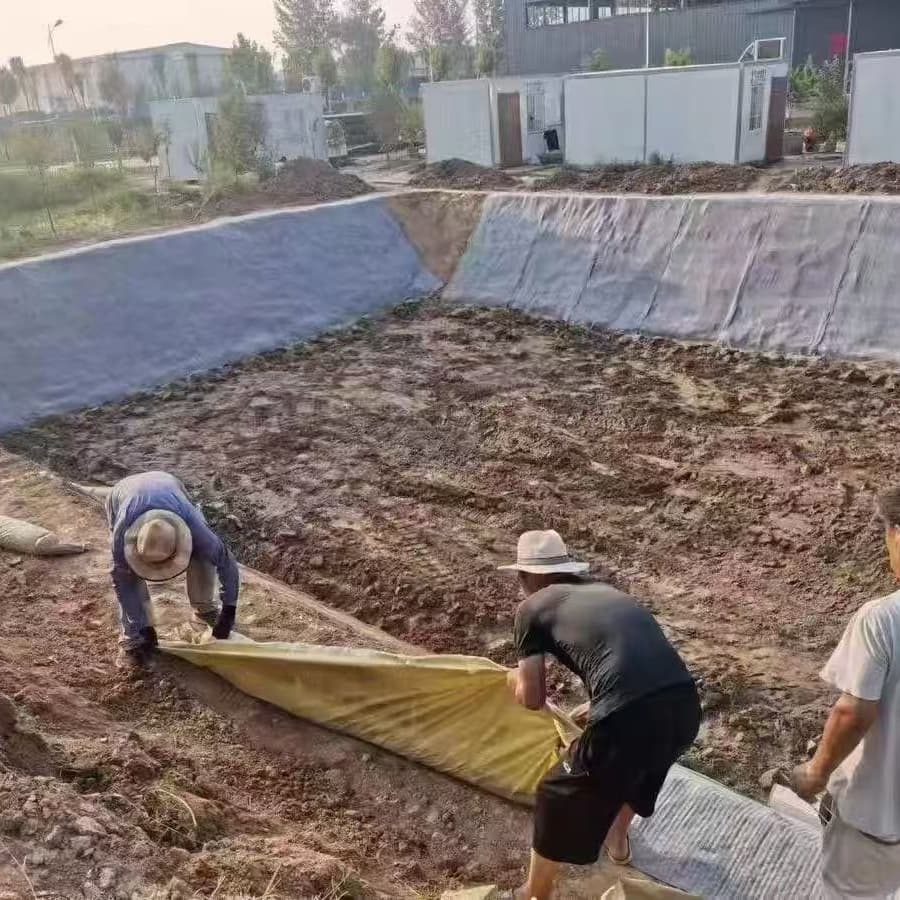
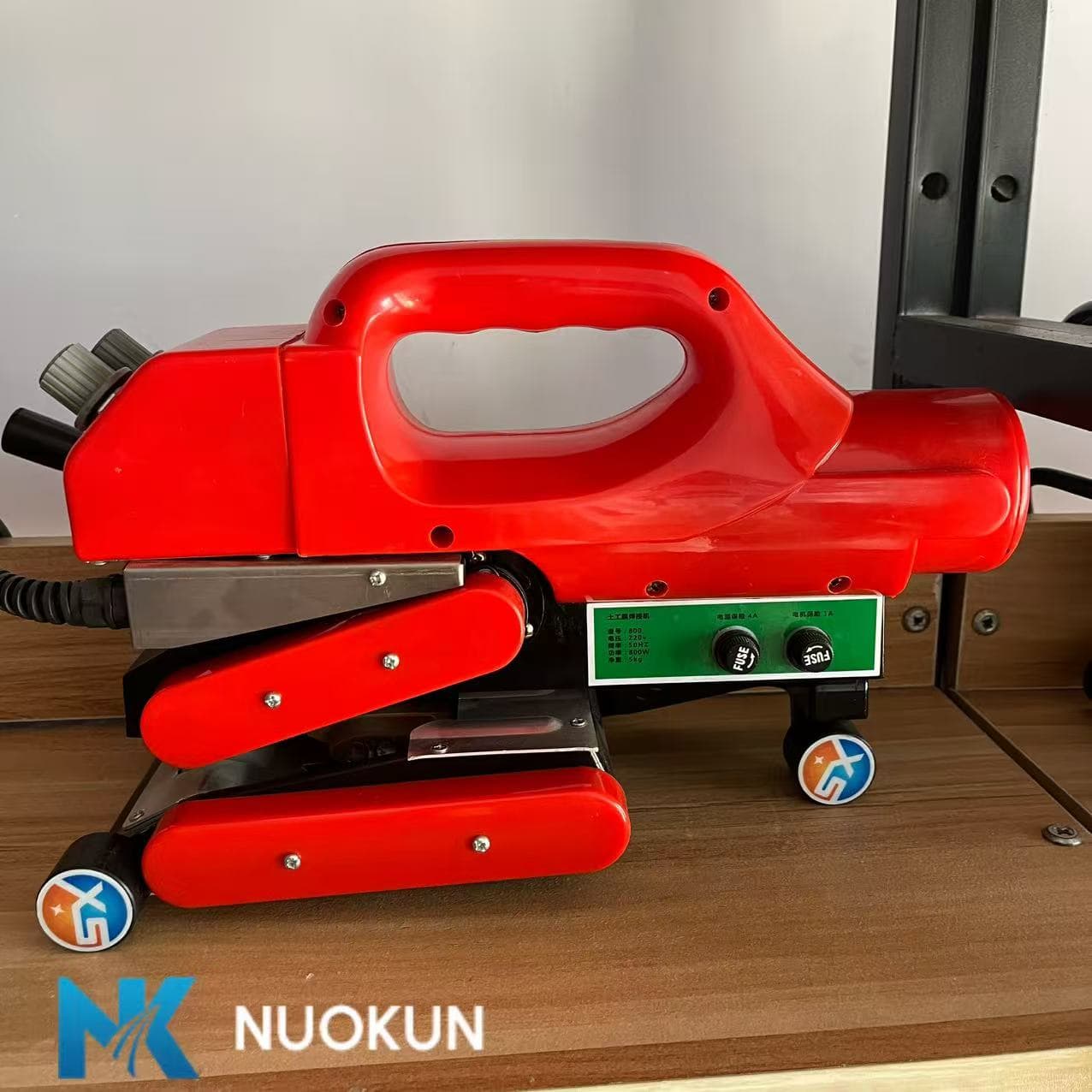
Concrete Canvas requires minimal equipment and straightforward installation procedures. After basic training, local workers can efficiently install the material, helping reduce labor costs and supporting local employment during infrastructure development.
 |
 |
Key Applications Across Africa
|
Sector
|
Application |
Why Concrete Canvas? |
|
Roads & Transport
|
Ditch lining, culvert protection, slope stabilization, roadside drainage channel reinforcement |
Prevents erosion that undermines road bases; installs rapidly without prolonged road closures — ideal for maintenance under live traffic conditions. |
|
Water Resources
|
Small dam spillways, canal lining, reservoir protection, irrigation channel sealing |
Provides impermeable, durable lining with high resistance to UV and chemical degradation; minimizes water loss through seepage, improving irrigation efficiency and water conservation. |
|
Mining Heap
|
Leach pad slopes, tailings containment, access road drainage, heap leach pad base lining |
Withstands acidic and alkaline conditions common in mining environments; rapid deployment reduces operational downtime and enhances safety during critical containment phases. |
|
Humanitarian & Rural
|
Community water points, erosion control around schools/wells, temporary sanitation facilities, rural road surfacing |
Simple technology that can be implemented with l ocal resources |
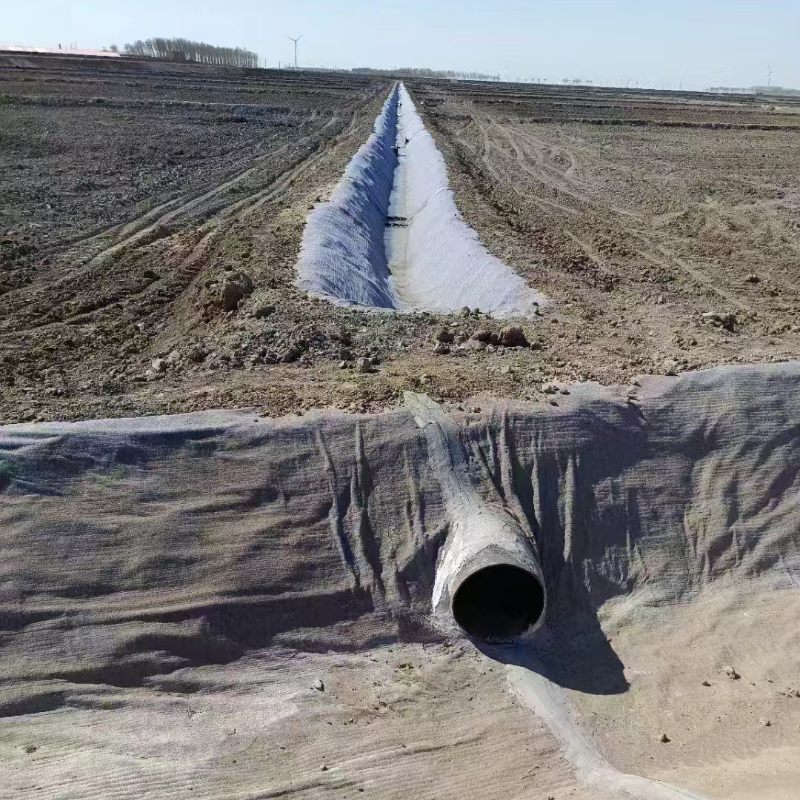
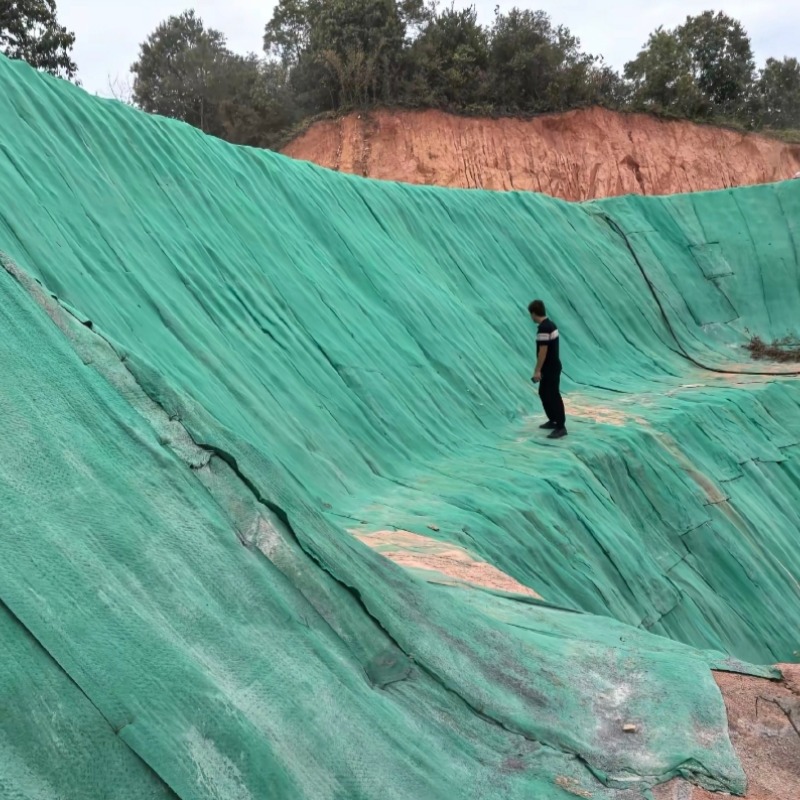
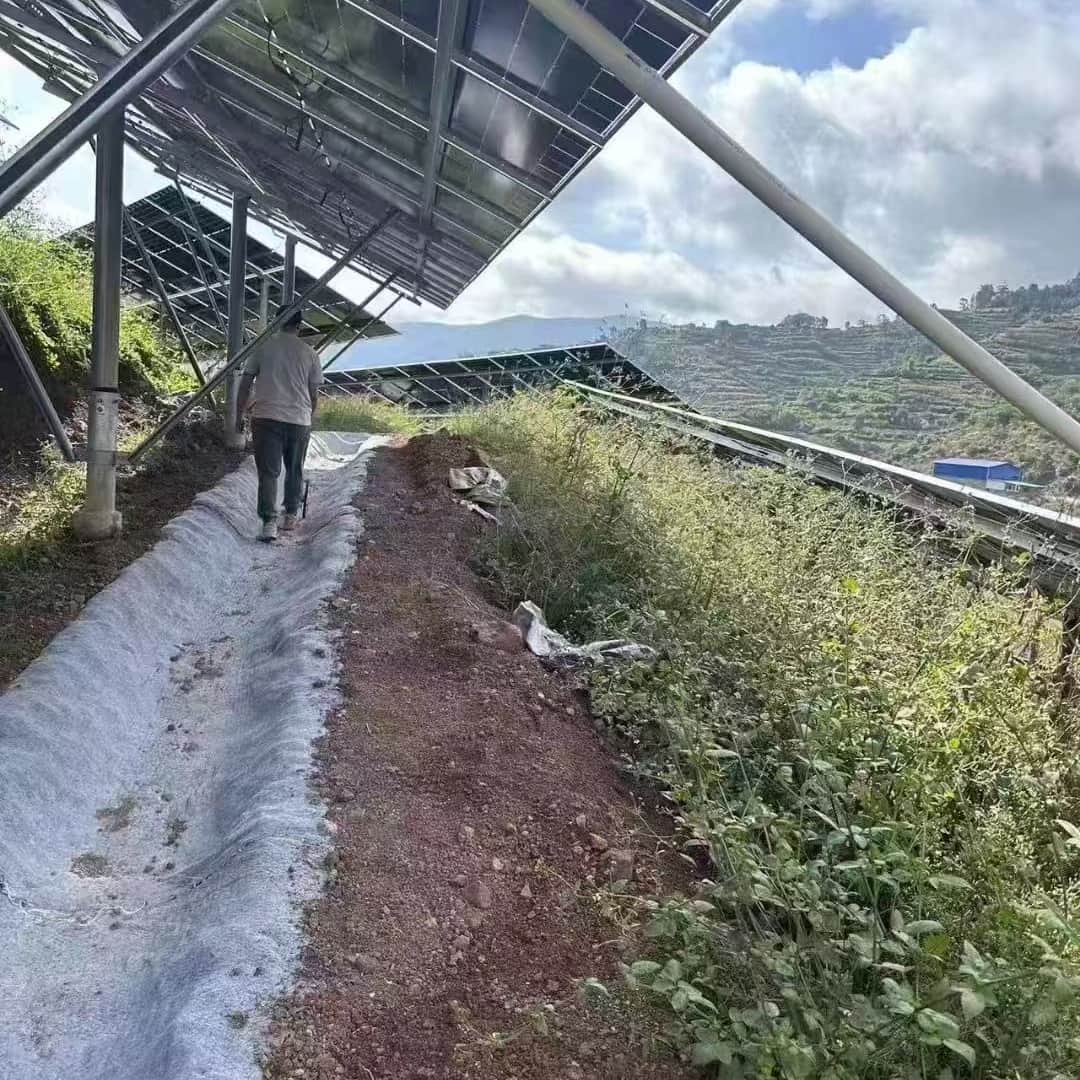
Practical Considerations for African Projects
Temperature and Installation Conditions
Concrete Canvas can be installed in a wide range of ambient temperatures, typically from 5°C to 45°C. In extremely hot environments, proper storage and installation planning are important. Keeping rolls in shaded areas and carrying out hydration during cooler periods of the day helps maintain installation quality.
UV Resistance for Long-Term Performance
Many African regions experience intense sunlight throughout the year. Concrete Canvas incorporates UV-resistant materials within both the reinforcing fibers and cementitious layer, helping maintain durability and performance under prolonged outdoor exposure.
Adaptability to Local Ground Conditions
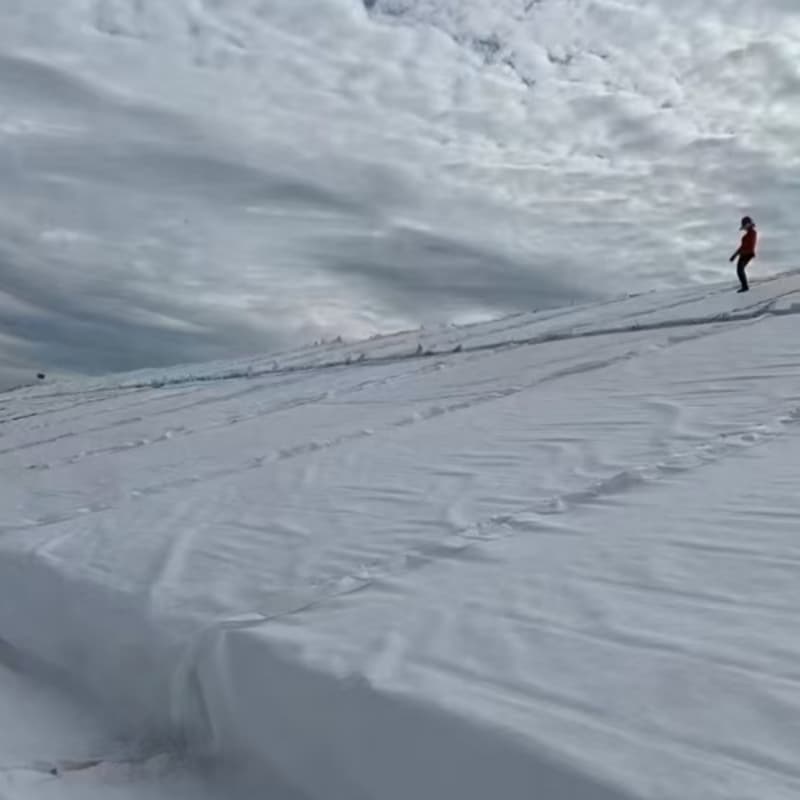
Construction sites in remote areas may have uneven terrain or limited access to heavy equipment. The flexible structure of Concrete Canvas allows it to follow irregular ground surfaces with minimal preparation, making it suitable for challenging site conditions where traditional concrete solutions may be difficult to apply.
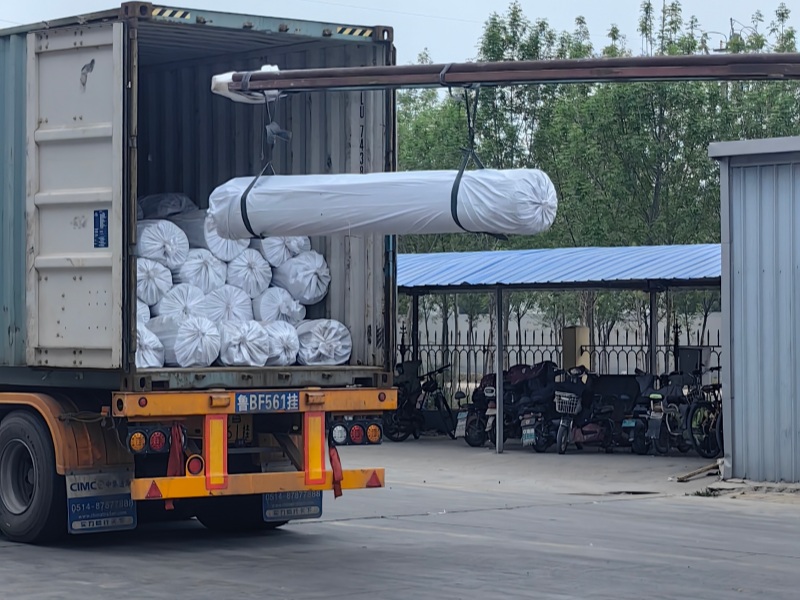
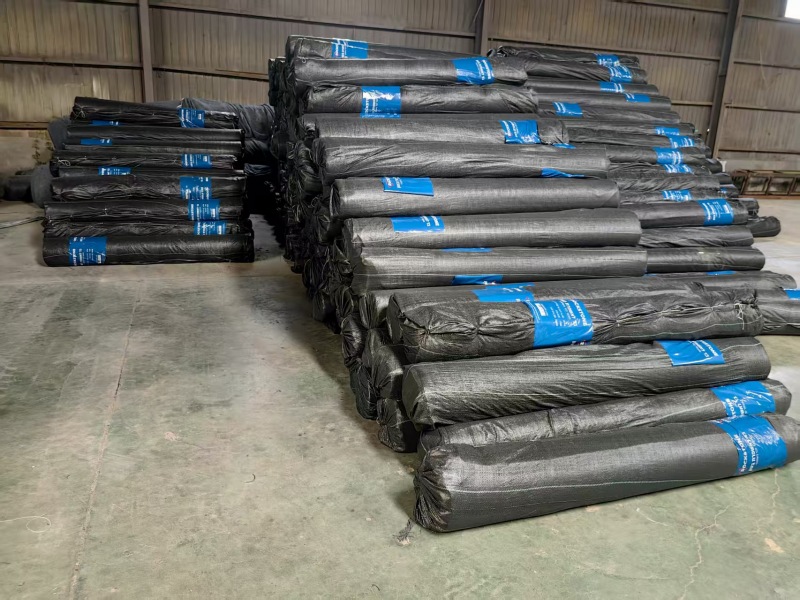
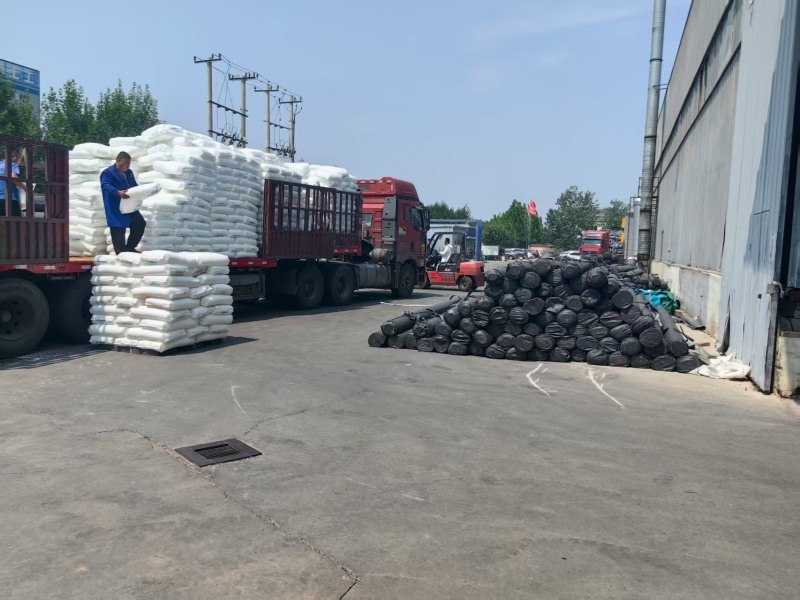
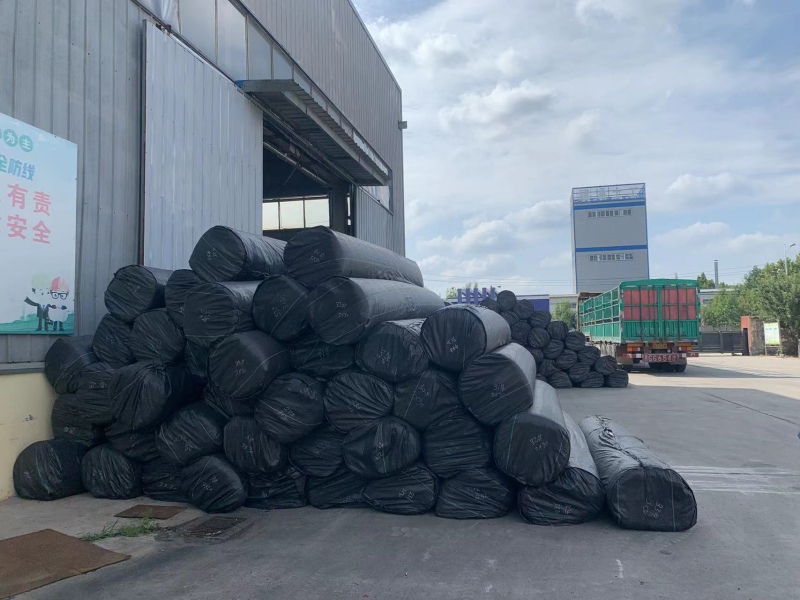
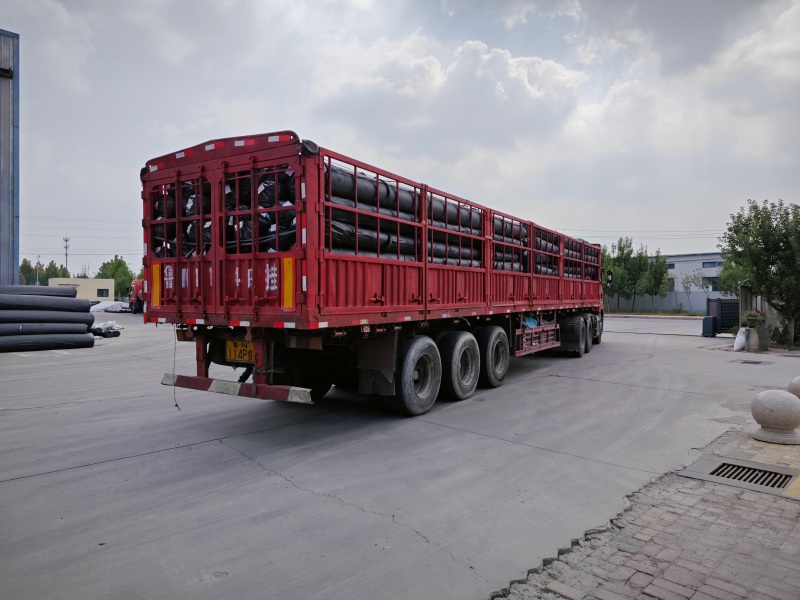
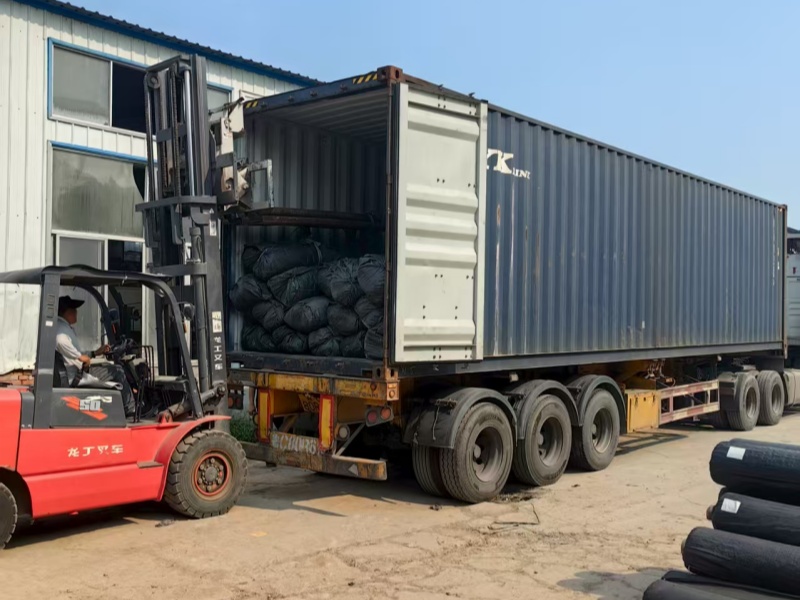
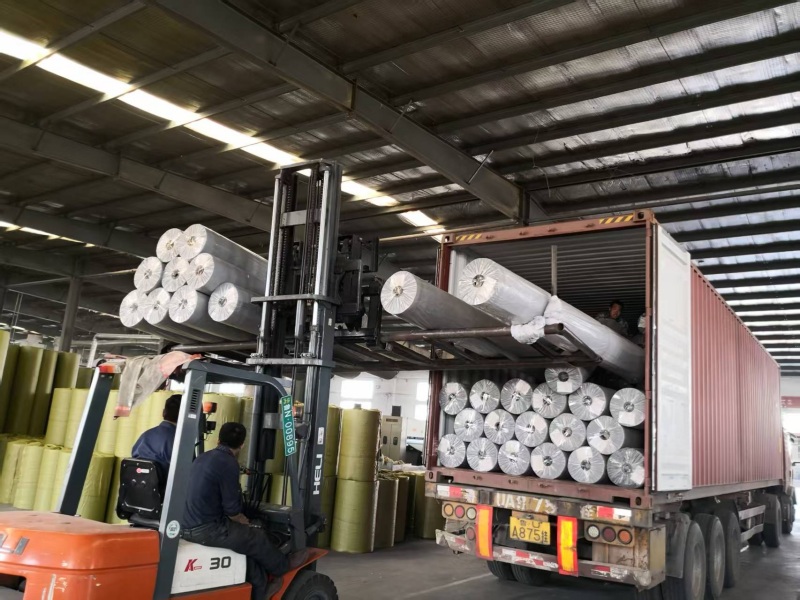
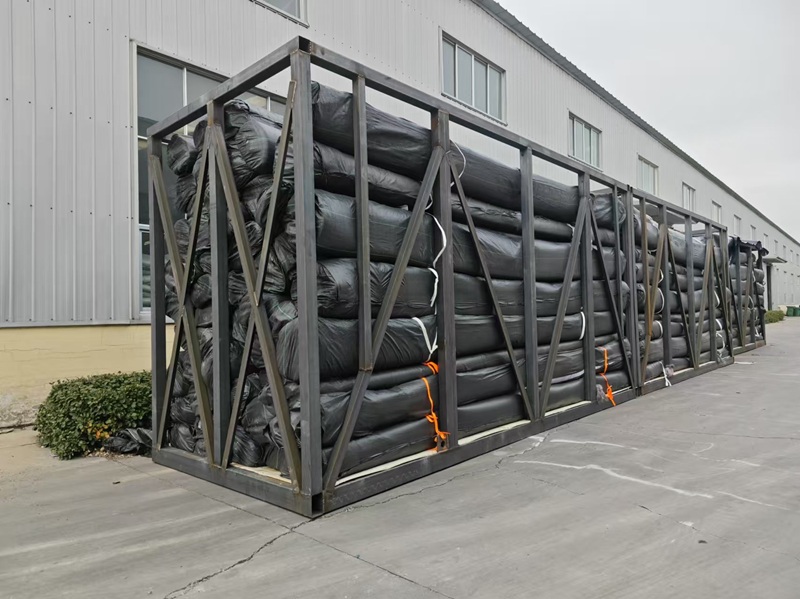
Packing And Delivery
 |
 |
 |
 |
 |
 |
 |
 |
FAQ
1. How much water is required to hydrate Concrete Canvas?
A: Concrete Canvas requires only a small amount of water for activation. Typically, around 20–30 liters per 100 m² is sufficient for hydration. Compared with traditional concrete construction, which requires large amounts of water for mixing and curing, Concrete Canvas is a more practical option for projects in water-limited regions.
2. Can Concrete Canvas be installed without heavy machinery?
A: Yes. One of the main advantages of Concrete Canvas is its simple installation process. A small team can unroll, position, anchor, and hydrate the material using basic hand tools. For larger projects, equipment such as water trucks or pumps can be used to improve installation efficiency.
3. Is Concrete Canvas suitable for areas with heavy seasonal rainfall?
A: Yes. Once fully cured, Concrete Canvas forms a durable, waterproof layer that provides strong resistance against water flow and surface erosion. It is commonly used for drainage channels, slopes, and other areas exposed to heavy rainfall. Installation can be completed before the rainy season to provide reliable protection when it is needed most.
leave a message
Scan to Wechat/Whatsapp :



 English
 Français
 Deutsch
 Русский
 Español
 Português
 عربي
عربي Tiếng Việt
 Indonesia
 हिन्दी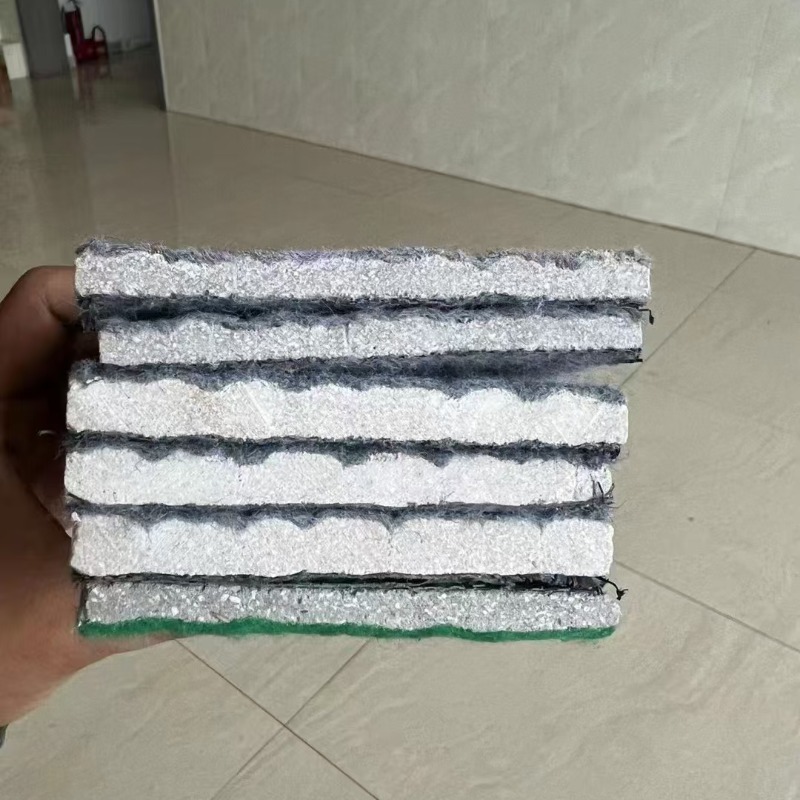


 IPv6 network supported