leave a message
If you are interested in our products and want to know more details,please leave a message here,we will reply you as soon as we can.
Food Grade HDPE Pond Liner 0.5mm-1.0mm | Fish & Shrimp Farming | NUOKUNGEO
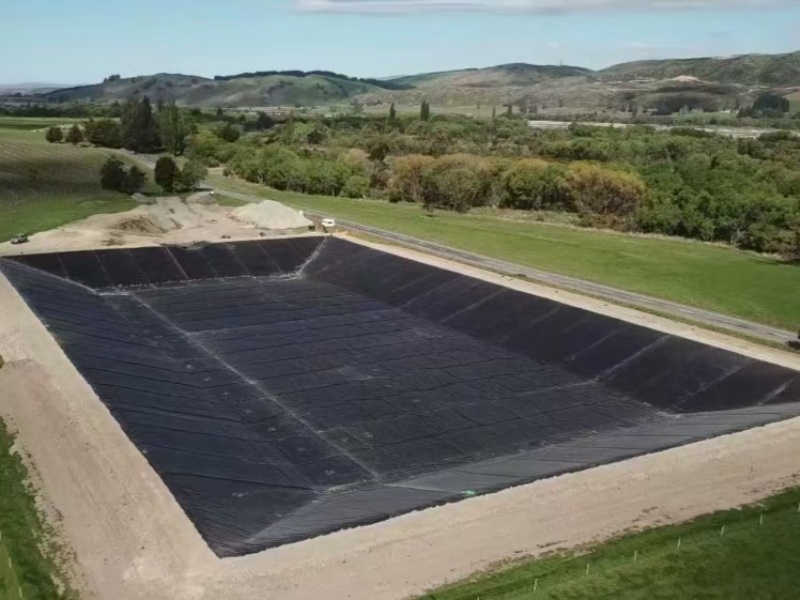
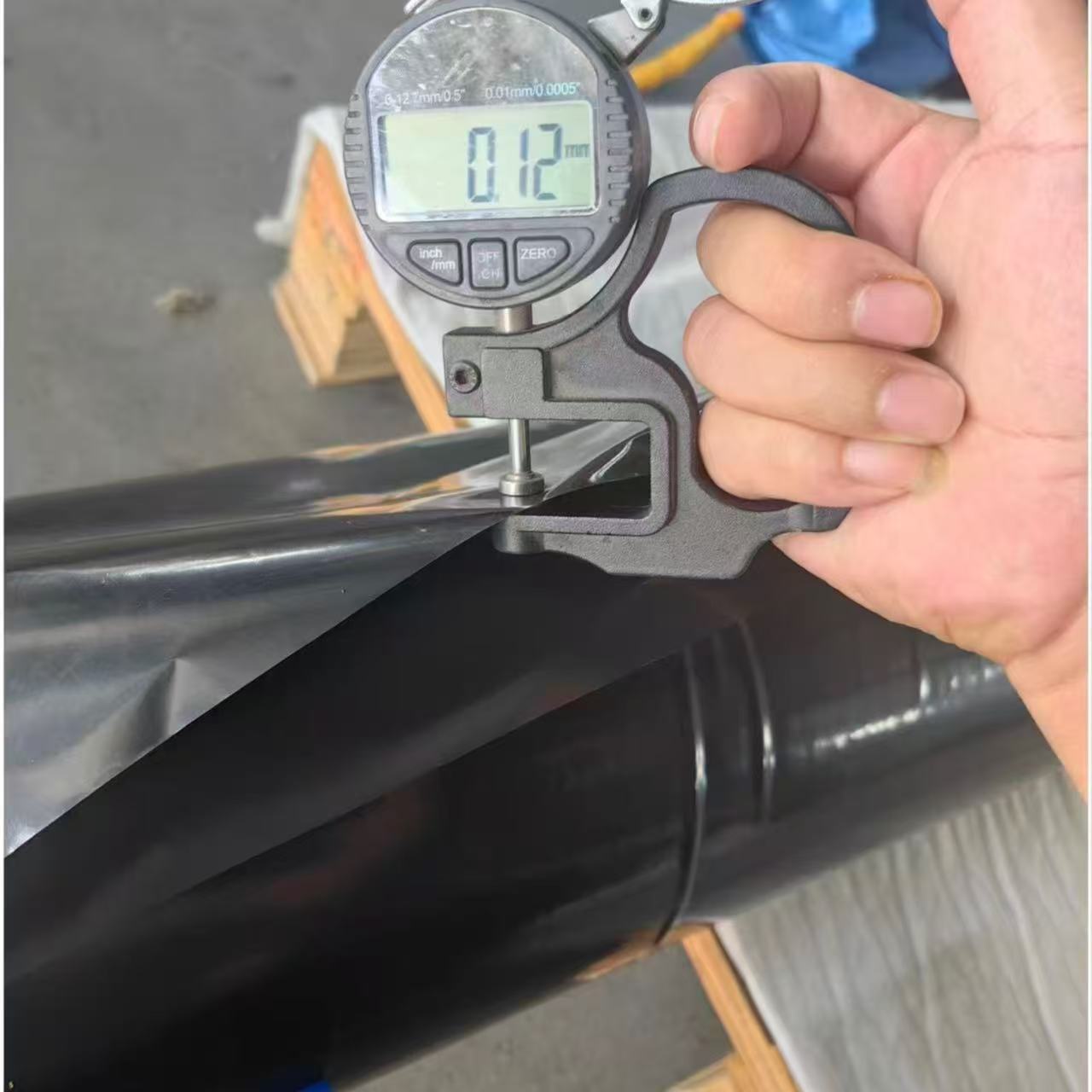
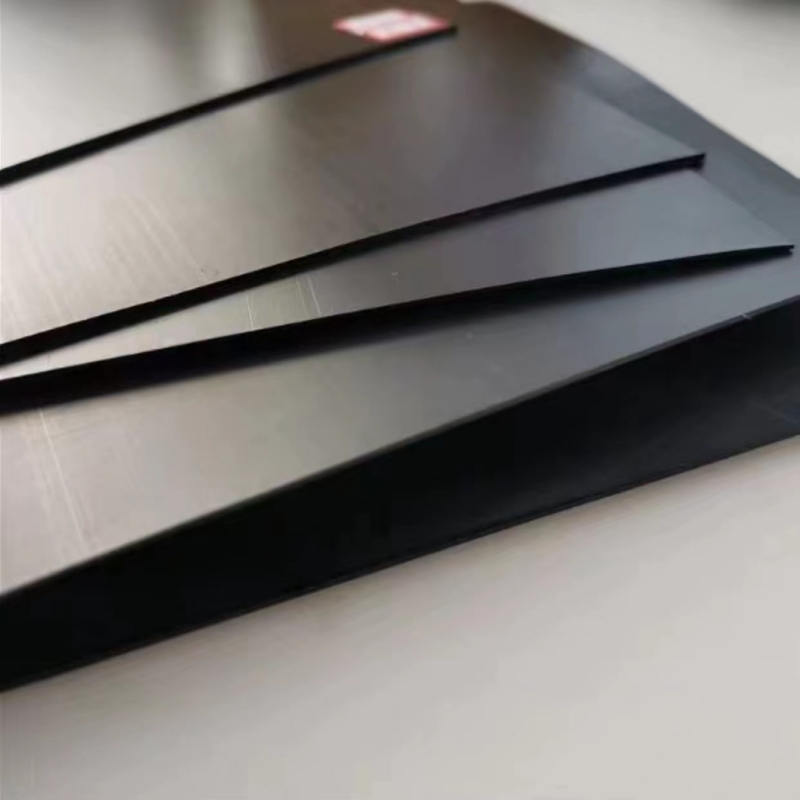
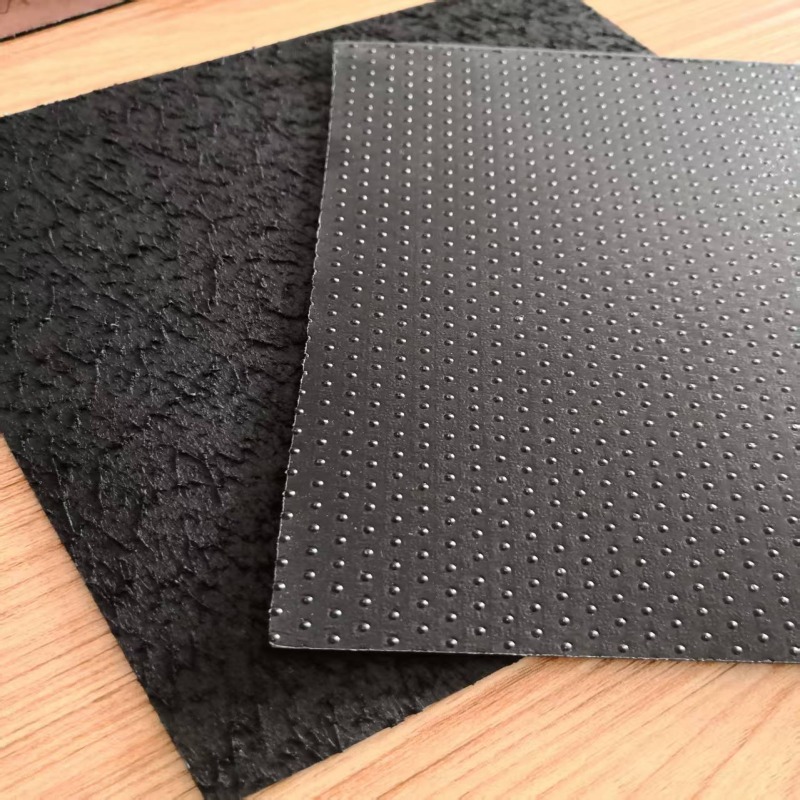
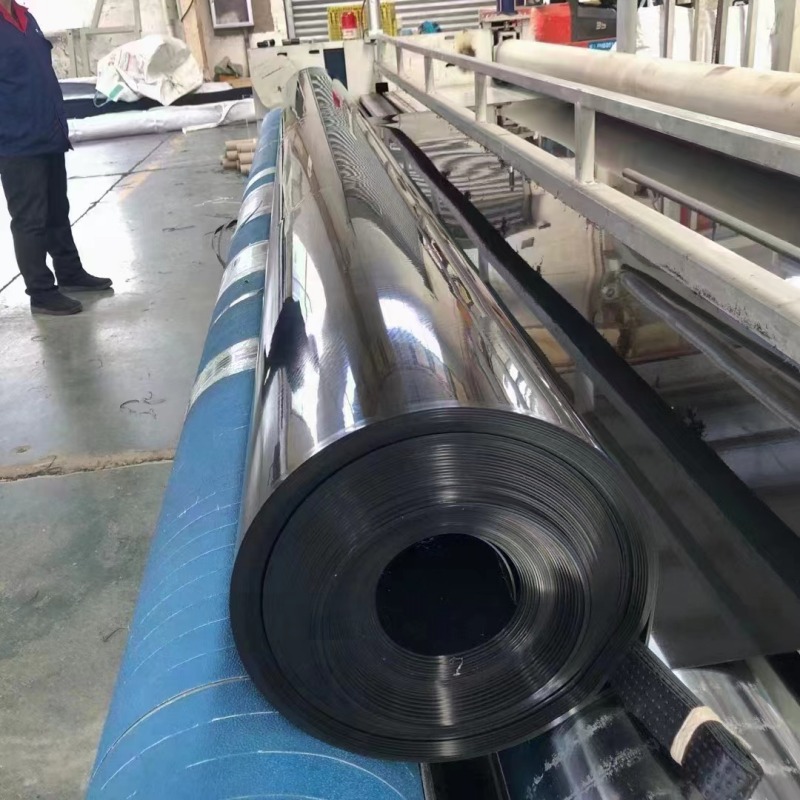
Looking for a reliable pond liner for aquaculture? NUOKUNgeo Food-Grade HDPE Pond Liner is designed for fish and shrimp farming ponds where reliable seepage control and long-term durability are important. Available in thicknesses from 0.5 mm (500 micron) to 1.0 mm, the liner provides a continuous barrier that helps reduce water loss and keeps pond water separated from the underlying soil.
Made from high-quality HDPE, the liner offers good resistance to puncture, UV exposure, moisture, and common environmental conditions. Its smooth surface is also easy to clean and maintain, making it suitable for pond bottoms, side slopes, and other aquaculture containment areas. With proper subgrade preparation and installation, NUOKUNgeo HDPE pond liners provide a practical solution for fish and shrimp farming projects.
Color :
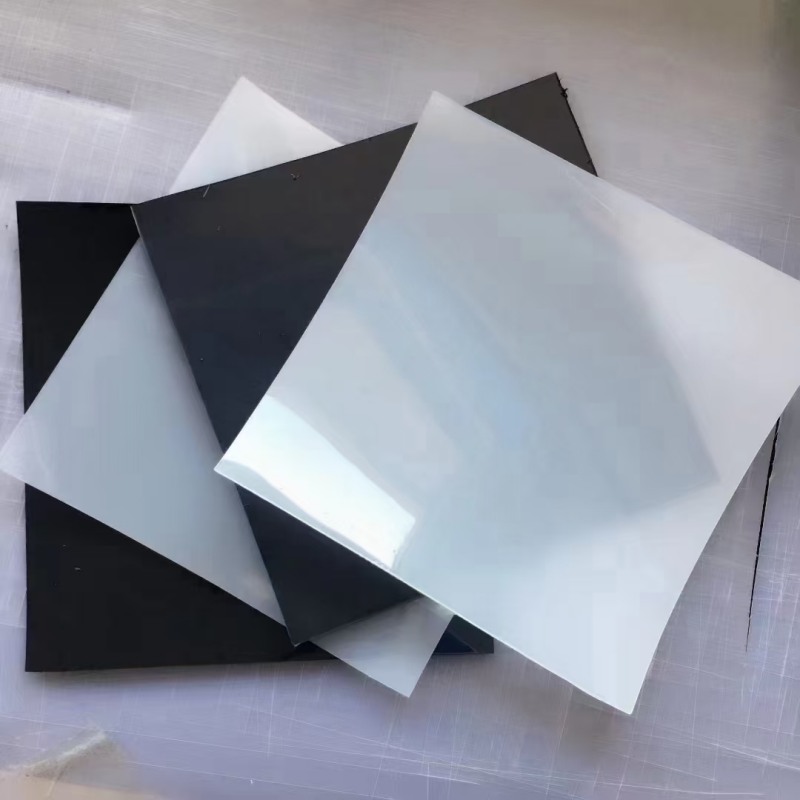
Black (regular), White, Green, BlueThickness :
0.1-3.0mmWidth :
1-8mLead Time :
7 -14 days after deposit paymentOrder(MOQ) :
2000㎡Payment :
FOB (Can communicate and negotiate)Product Origin :
ChinaShipping Port :
QingdaoHDPE Pond Liner Sheets: A Reliable Waterproofing & Containment Solution
Designed for Aquaculture Success: NUOKUNGEO Food-Grade HDPE Pond Liner
In saline shrimp farming ponds, unwanted seepage from the surrounding soil can introduce salts, minerals, and other substances into the pond, making water quality more difficult to control and potentially affecting shrimp growth. NUOKUNgeo’s 0.75 mm food-grade HDPE pond liner creates a continuous containment barrier between the pond water and the underlying soil, helping reduce unwanted material exchange.
With proper subgrade preparation and installation, the liner helps maintain more consistent pond conditions and simplifies water quality management. In documented project applications, improvements in water clarity and reduced chemical treatment requirements may be observed after installation, depending on the original pond conditions and management practices.
By providing a stable and isolated pond environment, food-grade HDPE liners offer a practical solution for shrimp farms seeking better control over water quality, pond maintenance, and long-term production conditions.
How to Choose the Right HDPE Pond Liner Thickness for Your Aquaculture Pond?
What's the Difference Between "Black Liner" and "Blue Liner"?
Installation Guidelines:
1. Pond Bottom & Subgrade Preparation
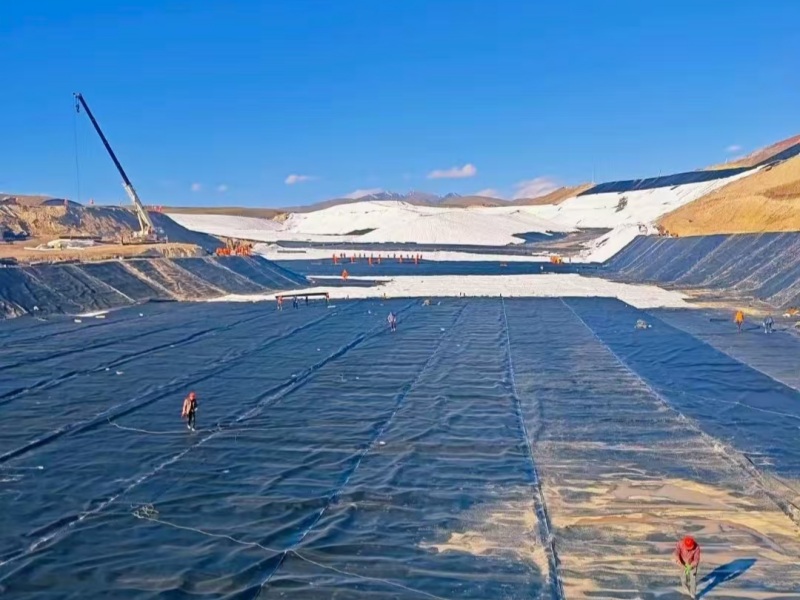
Before installation, thoroughly inspect and prepare the entire pond bottom and side slopes. Remove roots, stones, sharp objects, construction debris, organic matter, and other foreign materials that may puncture, cut, or damage the HDPE liner. The subgrade should be reasonably smooth, compact, stable, and free from standing water. Any local depressions, loose soil, or sharp protrusions should be corrected before the liner is placed.
2. Non-Woven Geotextile Protection
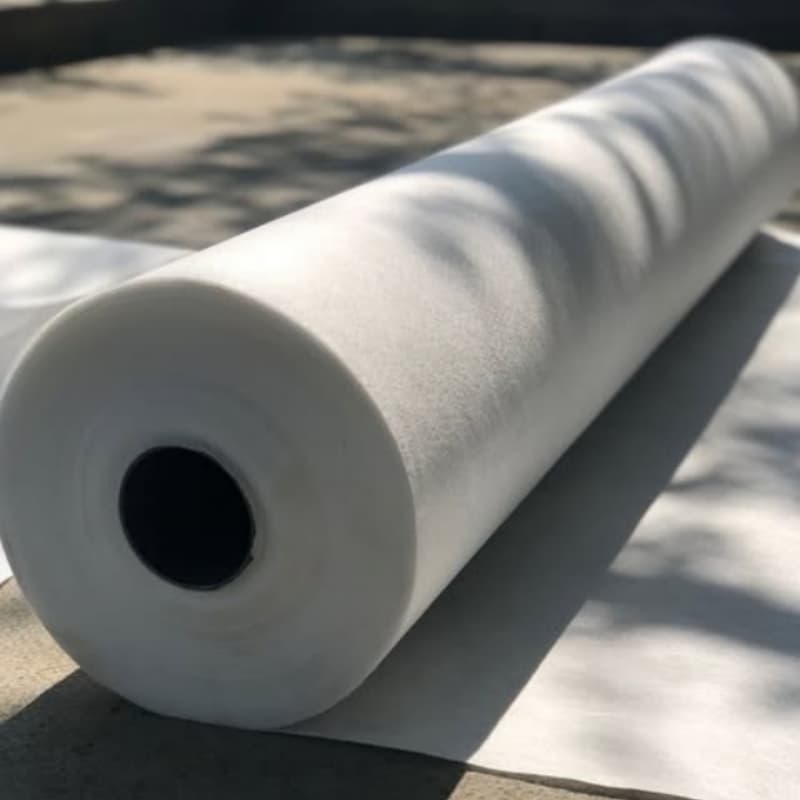
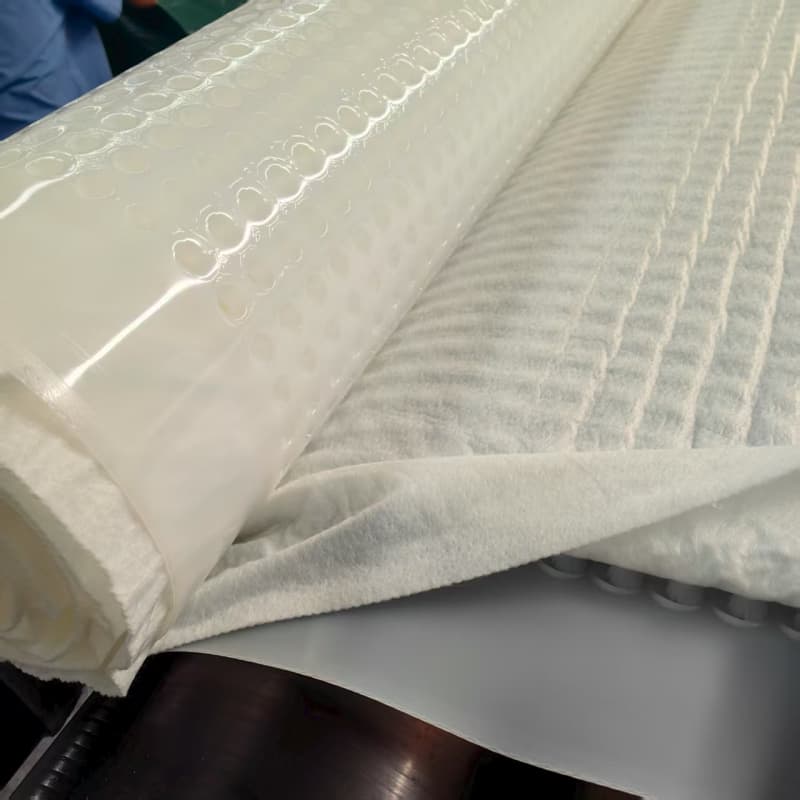
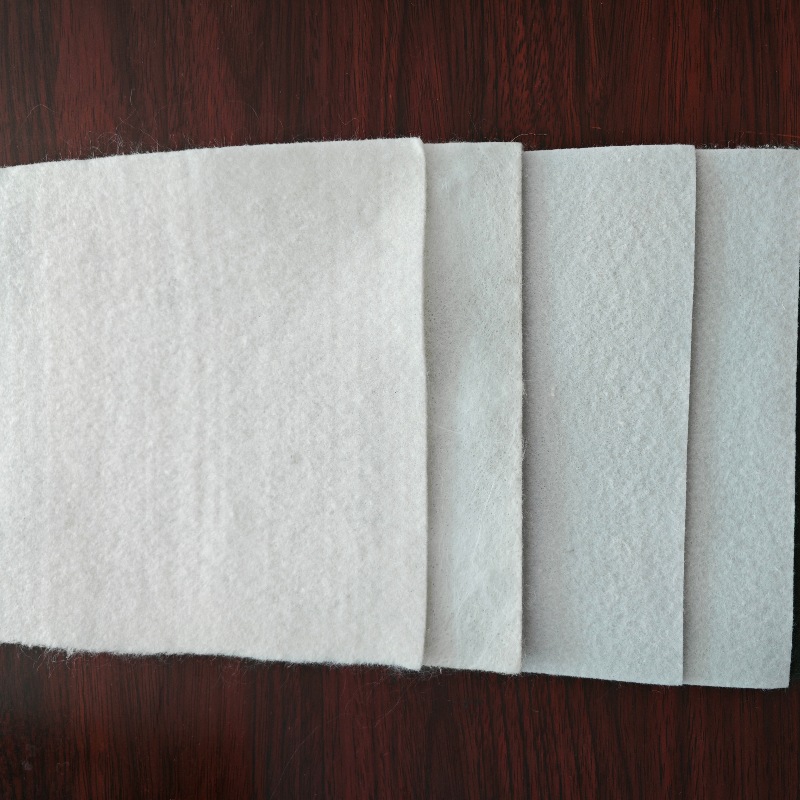
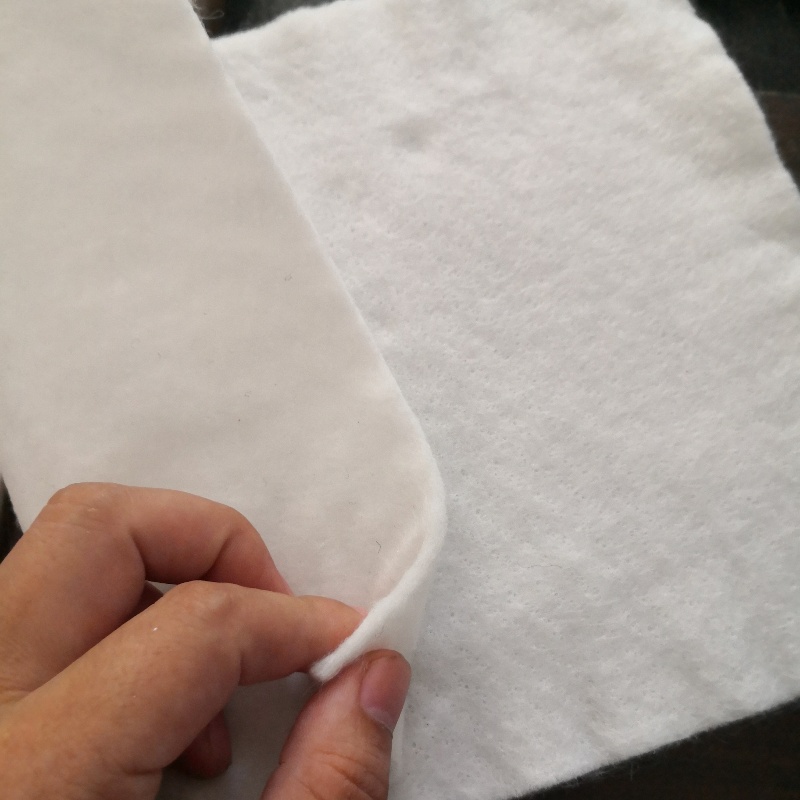
For uneven, rocky, or potentially abrasive subgrades, a 200–300 g/m² non-woven geotextile is recommended beneath the HDPE liner. The geotextile acts as a cushioning and separation layer, helping distribute localized pressure and reduce direct contact between the liner and the subgrade. It can provide additional protection against puncture and mechanical damage during installation and pond operation.
3. Liner Handling & Unrolling
HDPE liner rolls should be handled carefully to avoid unnecessary dragging, folding, or sharp bending. During deployment, place the liner according to the approved layout plan and allow it to follow the pond contours naturally. Avoid excessive tension, especially during installation in changing temperatures. Sufficient material should be left around the pond perimeter for connection to the anchoring system.
4. Anchor Trench Design
A suitable anchor trench should be prepared around the pond perimeter before liner installation. The required depth and width should be determined according to local soil conditions, pond geometry, slope configuration, wind exposure, rainfall, and project requirements. Proper anchoring helps keep the liner securely positioned and reduces the risk of movement, lifting, or displacement caused by strong winds, heavy rain, water-level changes, or construction activities.
5. Panel Overlap & Seam Welding
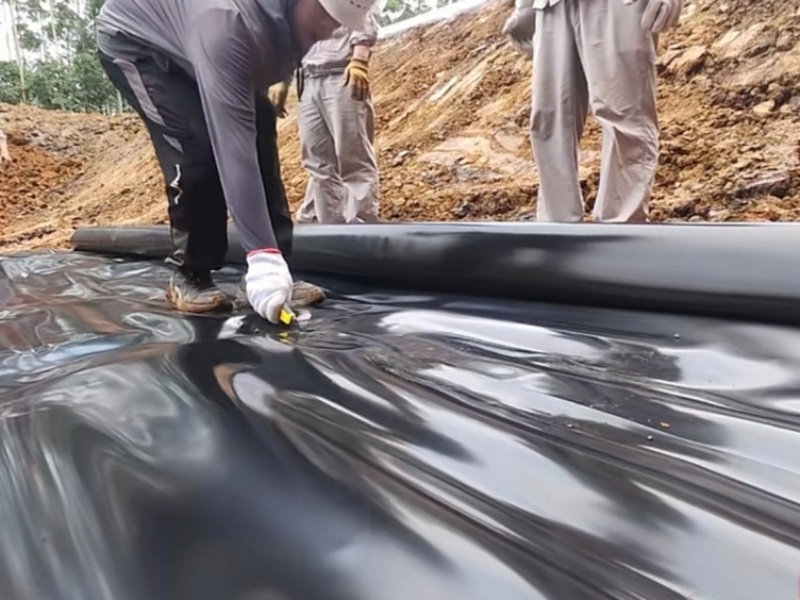
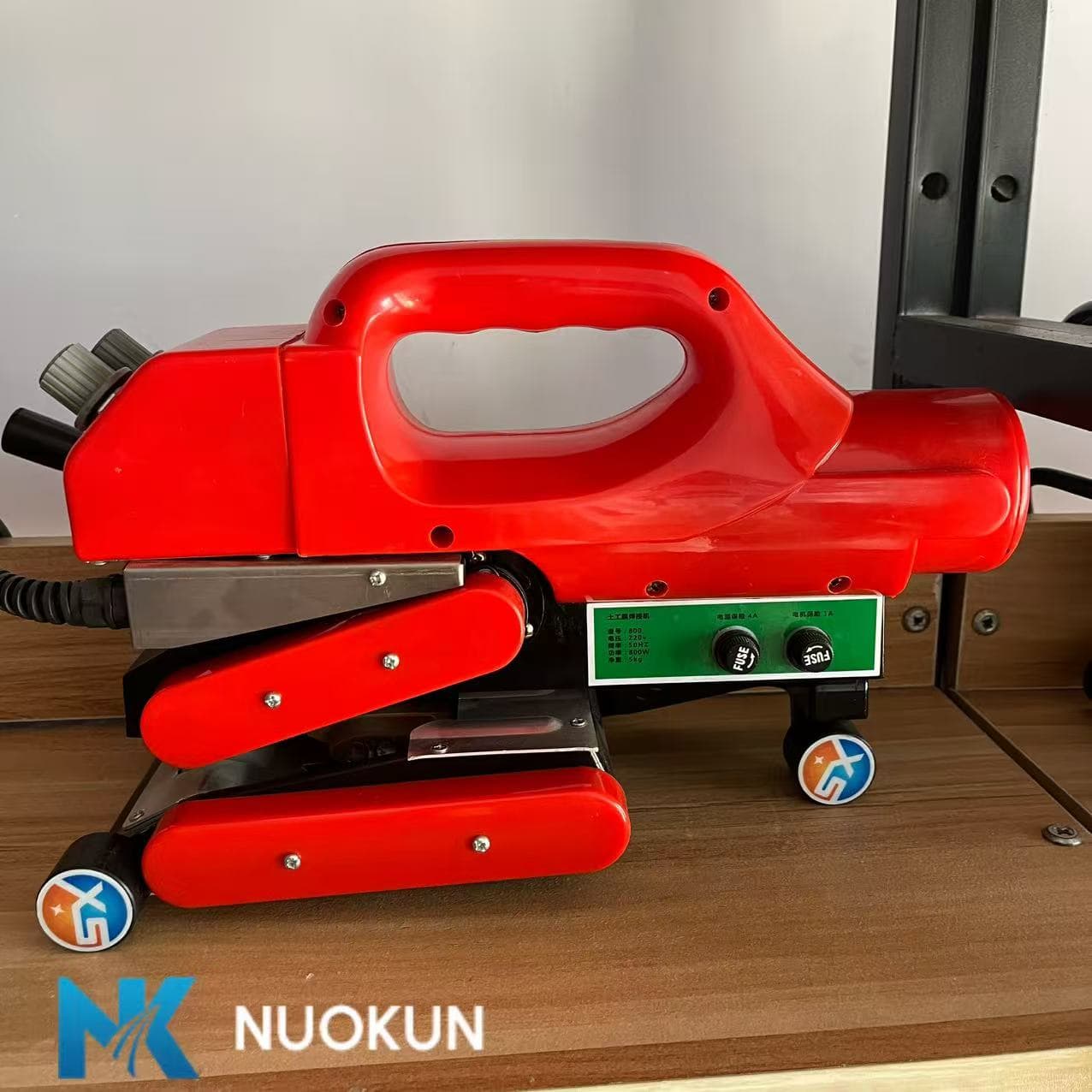
Adjacent HDPE liner panels should be properly aligned and overlapped before welding. The welding area must be clean, dry, and free from dust, moisture, oil, and other contaminants. For long straight seams, an automatic hot-wedge welder is commonly used. Extrusion welding can be applied to corners, penetrations, repairs, and other detailed areas where appropriate.
6. Seam Inspection & Quality Control
After welding, all seams should be visually inspected for wrinkles, incomplete fusion, gaps, or other visible defects. For important aquaculture projects, appropriate non-destructive testing methods, such as air-pressure testing or vacuum testing, can be used according to the project specifications. Any defective section should be repaired and re-tested before the pond is filled.
7. Final Inspection Before Filling
Before filling the pond, inspect the complete liner system, including the liner surface, welded seams, corners, penetrations, perimeter areas, and anchor trenches. Make sure there are no sharp objects, visible damage, loose sections, or incomplete connections. Any identified damage should be repaired before the pond is placed into operation.
FAQ
Q1: What international standards do NUOKUNgeo’s HDPE geomembranes comply with?
A: NUOKUNgeo’s HDPE geomembranes are manufactured and tested in accordance with recognized geosynthetic standards, including ASTM requirements and GRI-GM13 for geomembrane performance. Selected products are also available with CE certification for applicable markets. Upon request, we can provide relevant factory test reports and, where required by the project, third-party testing documentation from recognized laboratories such as SGS or Intertek.
Q2: How is the welding quality of HDPE geomembranes guaranteed?
A: Proper welding is essential to the overall performance of a geomembrane liner system. NUOKUNgeo provides professional installation and welding guidelines covering dual-track hot-wedge fusion welding and extrusion welding. Welded seams should be visually inspected and tested according to project requirements. Non-destructive methods such as air-pressure testing and vacuum testing can be used to check seam continuity, while destructive peel and shear tests can be performed on representative samples to verify weld strength. We can also provide technical guidance on welding parameters, equipment operation, and seam inspection.
Q3: How do I calculate the amount of geomembrane required for my project?
A: The required quantity depends on the actual liner area, site layout, slopes, details, and installation method. As a basic estimate, calculate the total coverage area and then allow approximately 5%–10% additional material for overlaps, cutting, edge anchoring, and installation waste. For projects with complex pond shapes, slopes, or multiple details, a more accurate quantity take-off is recommended. You can provide us with the project dimensions or drawings, and our technical team can assist with a free material calculation and product recommendation.
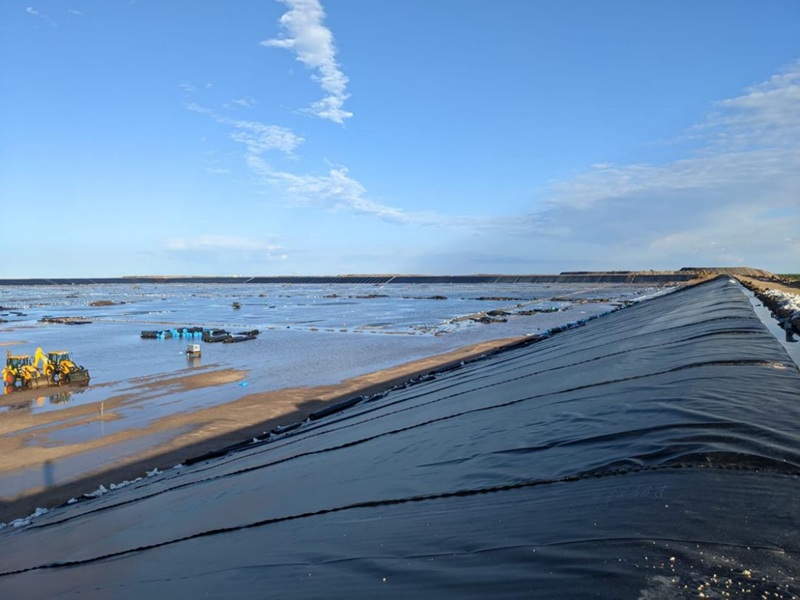
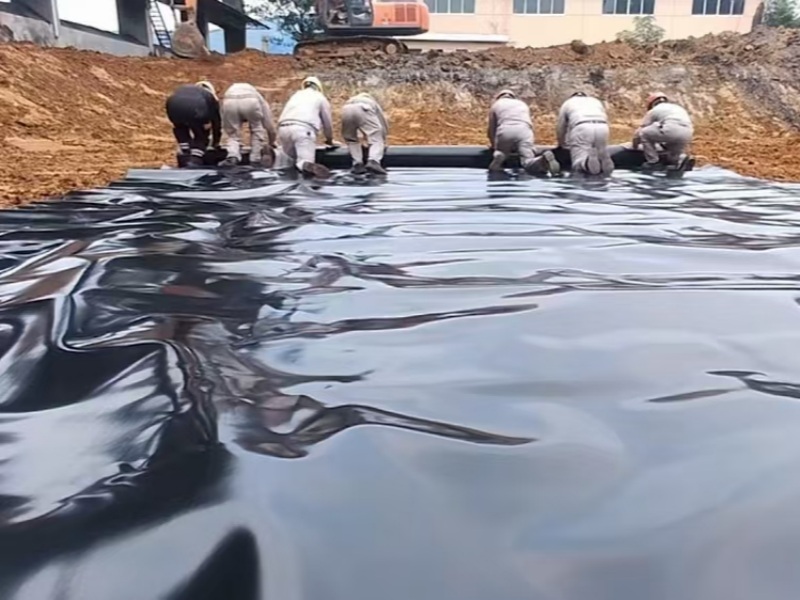
Not sure which HDPE pond liner is right for your project? Send us your pond dimensions, farming type, and basic site conditions—for example, freshwater fish farming, shrimp farming, pond size, and subgrade condition.
A NUOKUNgeo engineer will review your requirements and provide a free customized material recommendation and budget estimate within 24 hours.
Need to check the material before placing an order? Samples are available, allowing you to inspect the liner’s thickness, flexibility, surface quality, and overall workmanship before making your decision.
Send us your project details today and let our team help you select the right liner thickness, specification, and quantity for your aquaculture project.
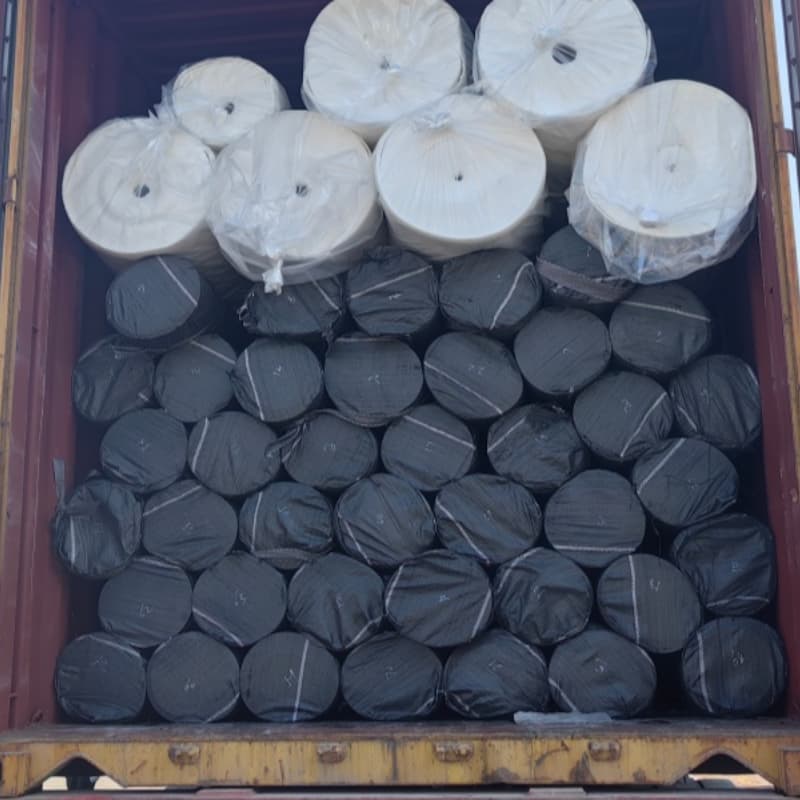
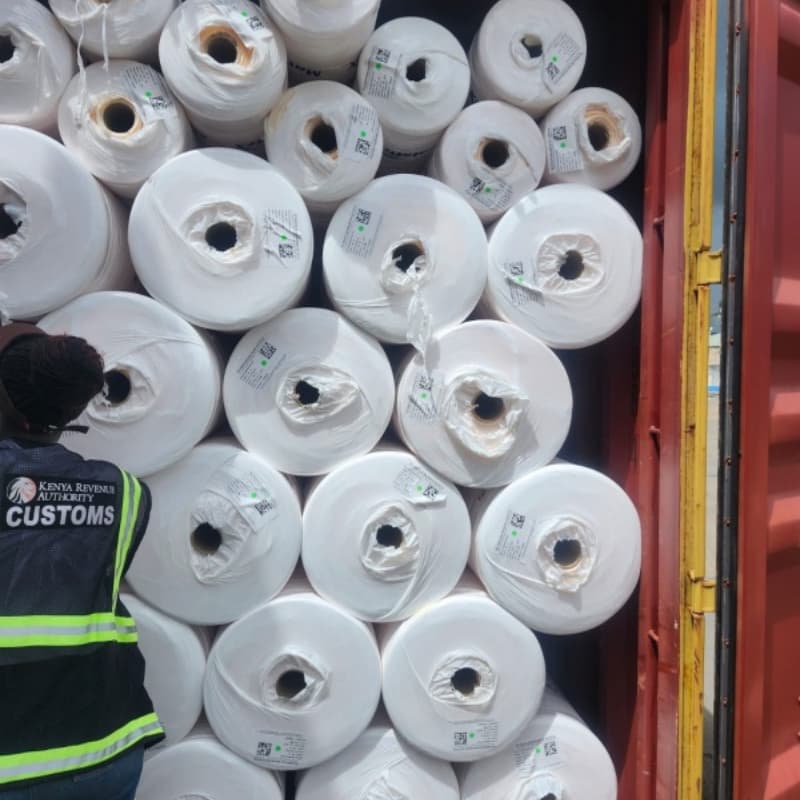
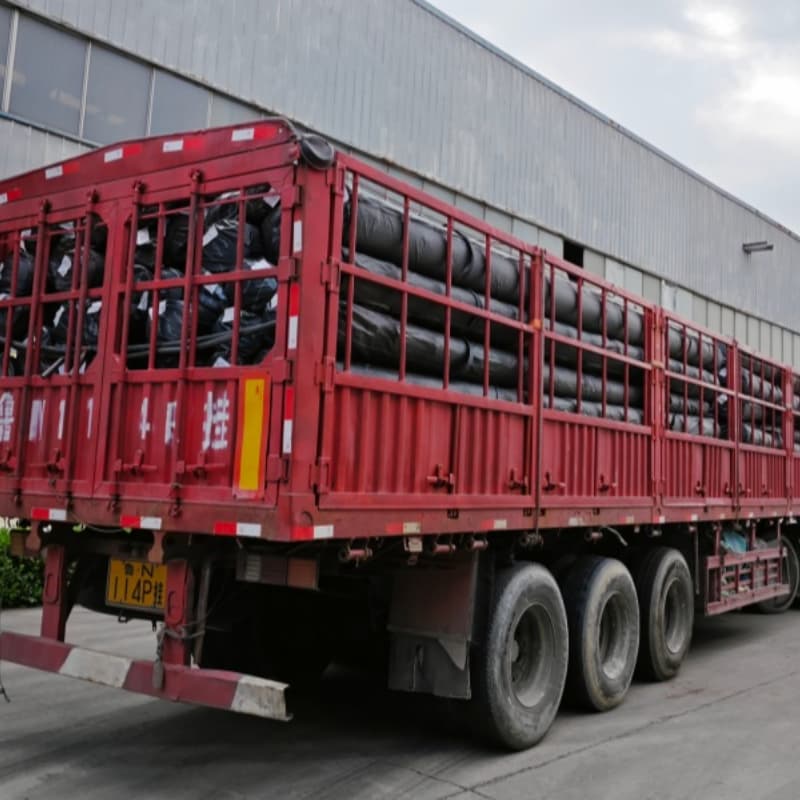
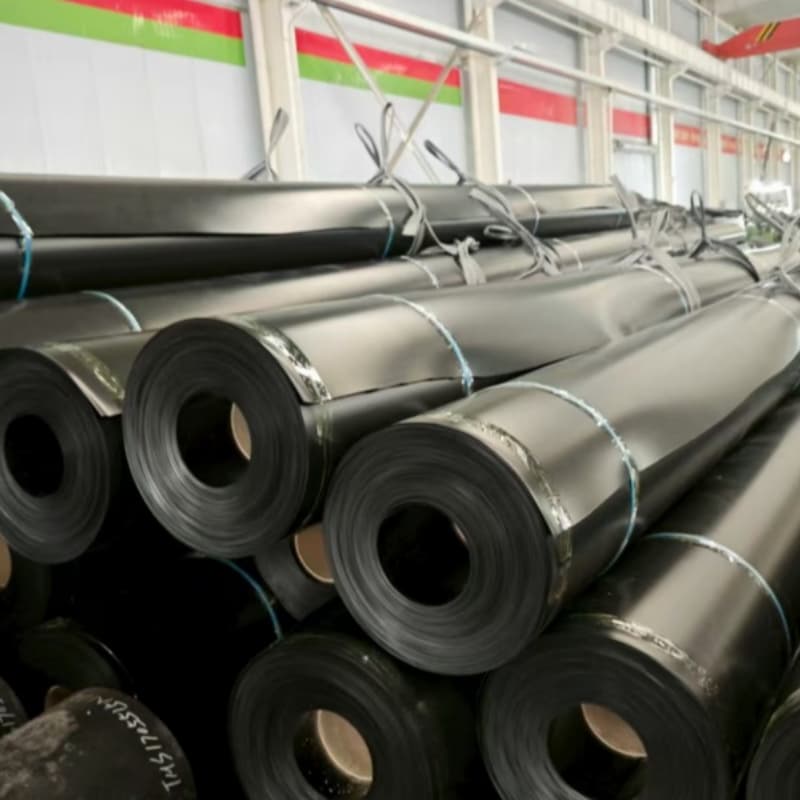
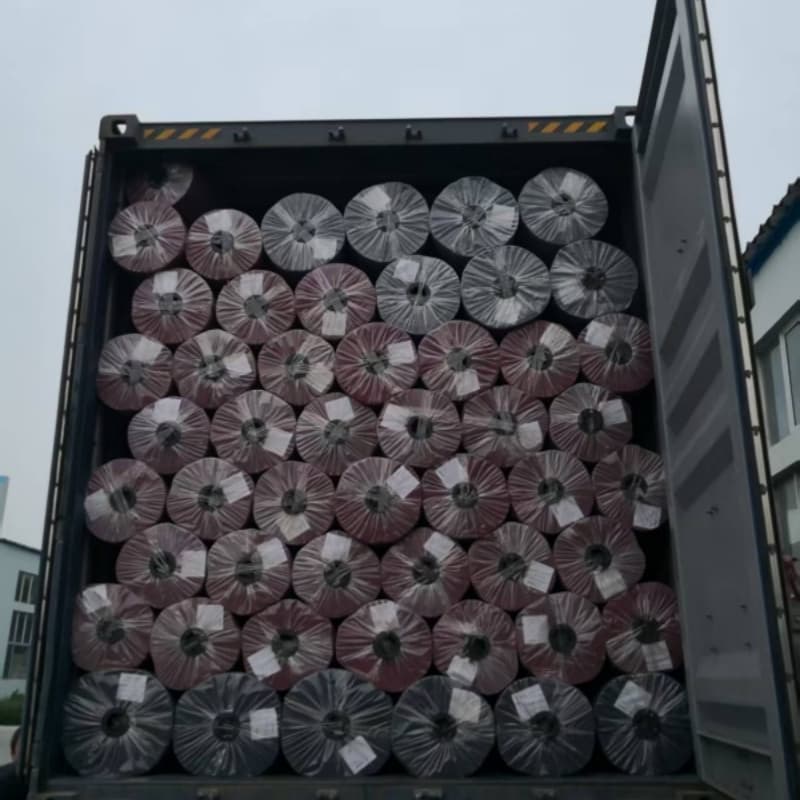
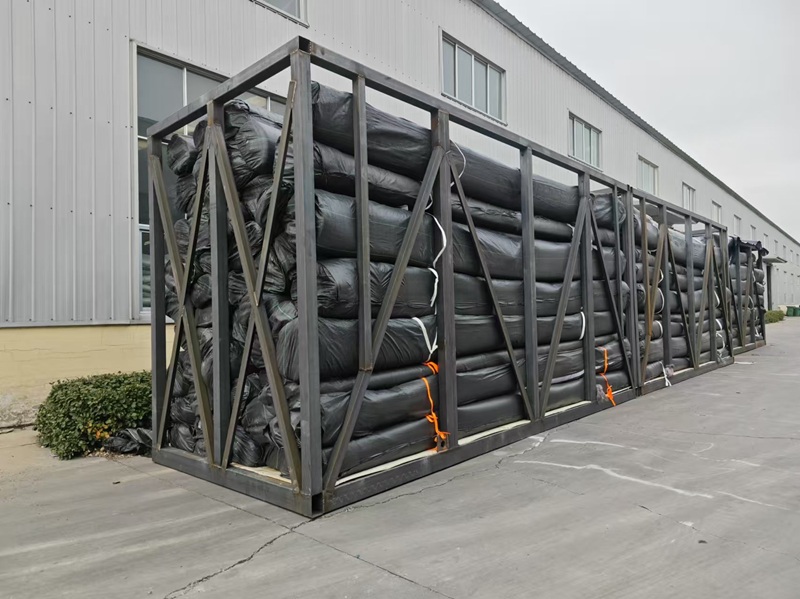
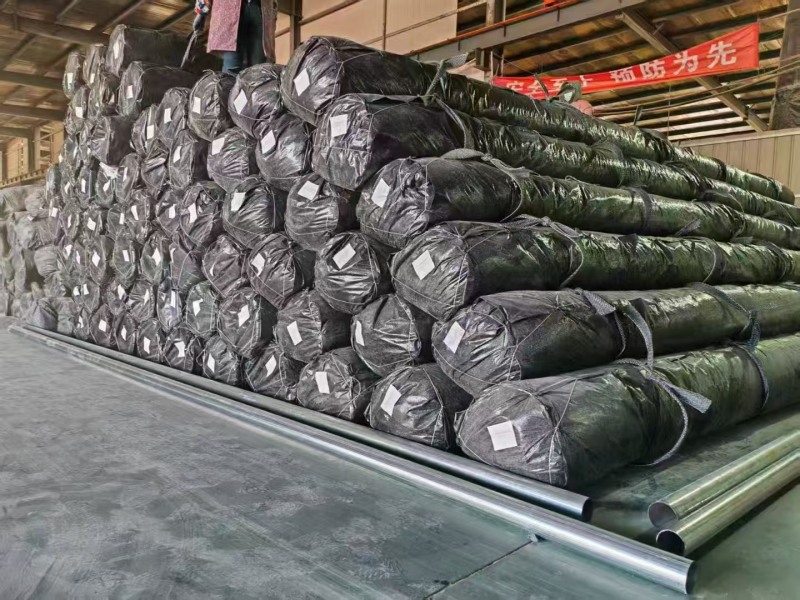
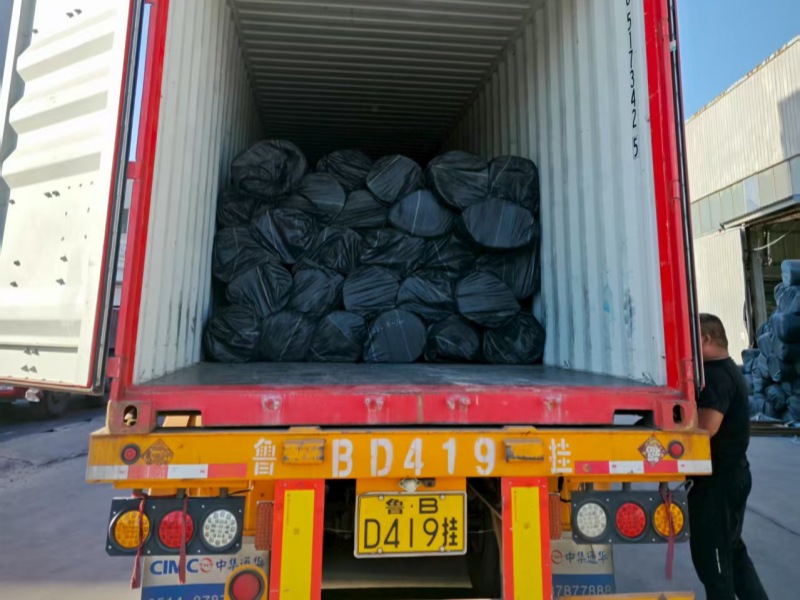
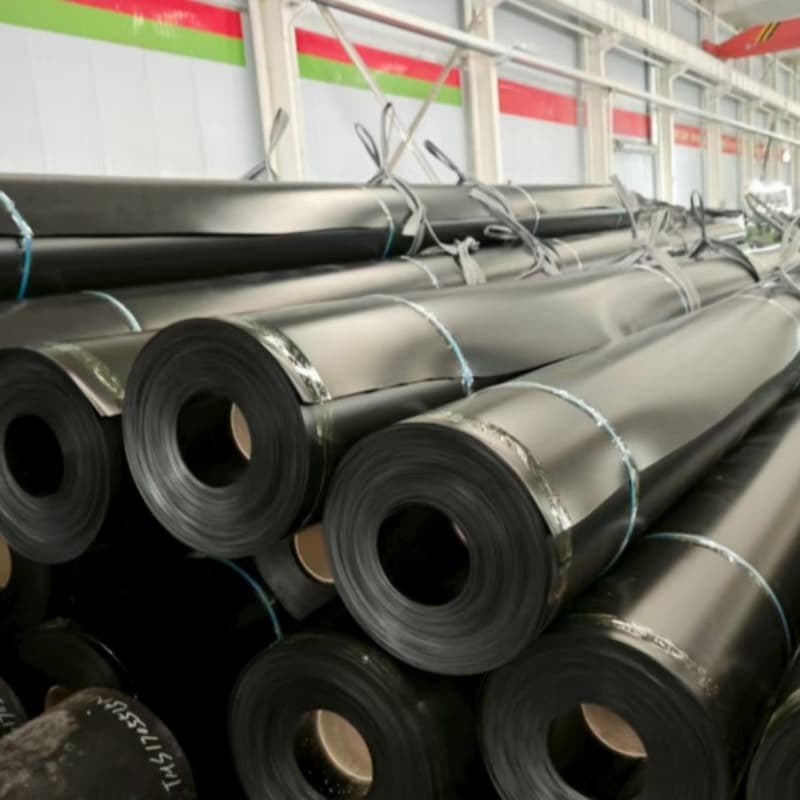
Packing And Delivery
 |
 |
 |
 |
 |
 |
 |
 |
leave a message
Scan to Wechat/Whatsapp :



 English
 Français
 Deutsch
 Русский
 Español
 Português
 عربي
عربي Tiếng Việt
 Indonesia
 हिन्दी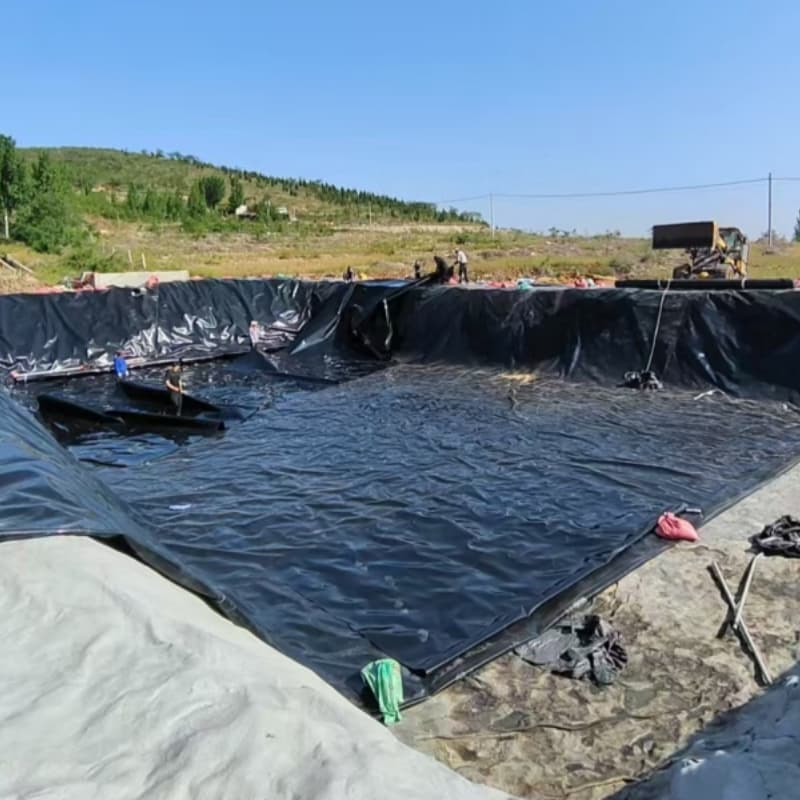


 IPv6 network supported