
leave a message
If you are interested in our products and want to know more details,please leave a message here,we will reply you as soon as we can.
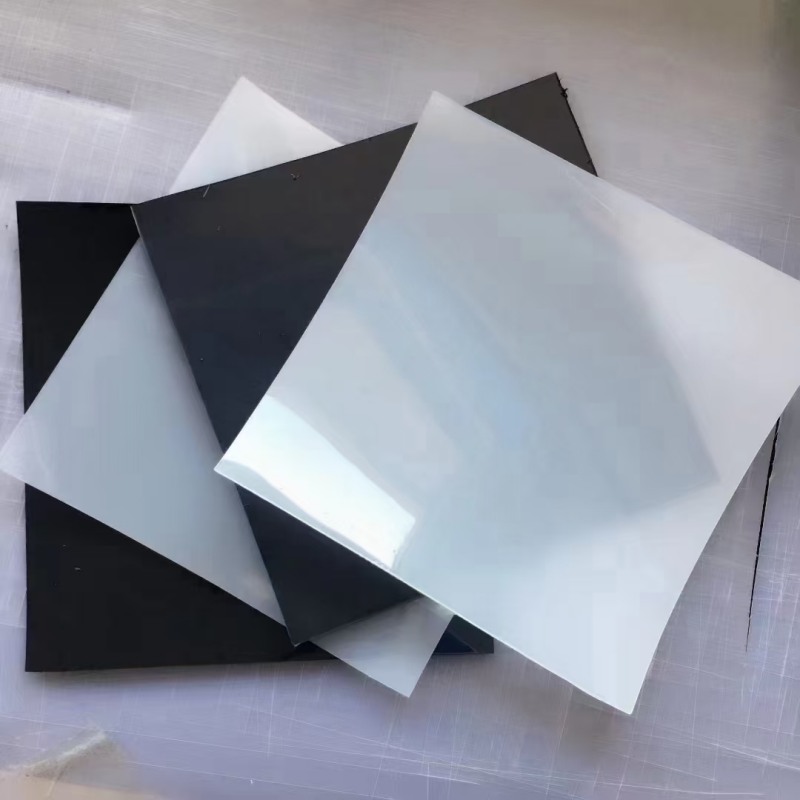
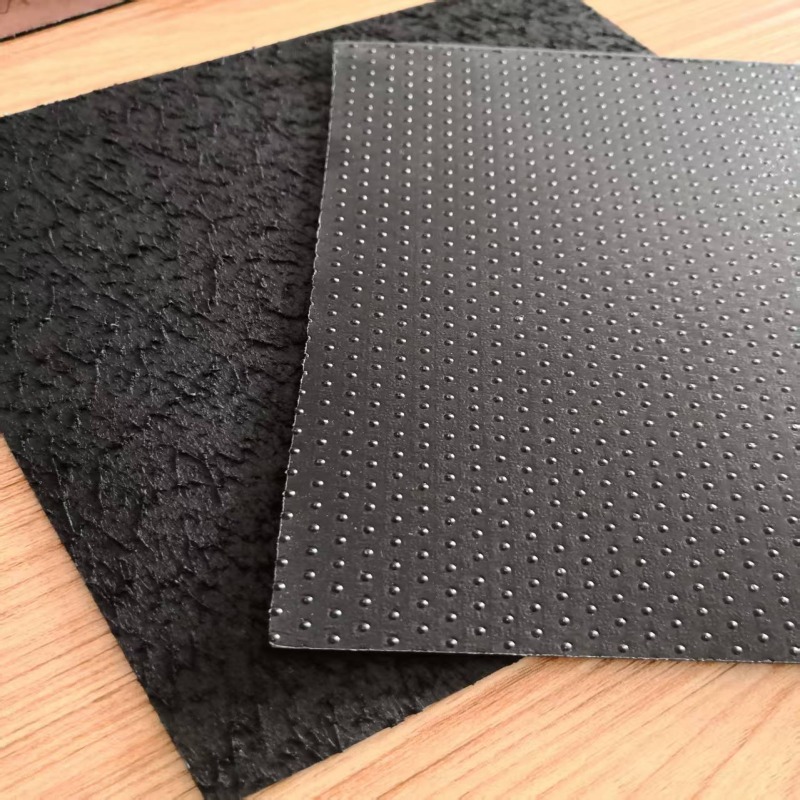
Geomembranes are commonly manufactured from high-density polyethylene (HDPE) or linear low-density polyethylene (LLDPE) through controlled extrusion, cooling, shaping, and winding processes. Depending on the material formulation and production method, the finished geomembrane can provide excellent impermeability, aging resistance, chemical resistance, flexibility, and long-term durability.
These properties make geomembranes widely suitable for hydraulic engineering, landfill lining, tunnel waterproofing, tailings ponds, wastewater containment, aquaculture ponds, reservoirs, and artificial lakes.
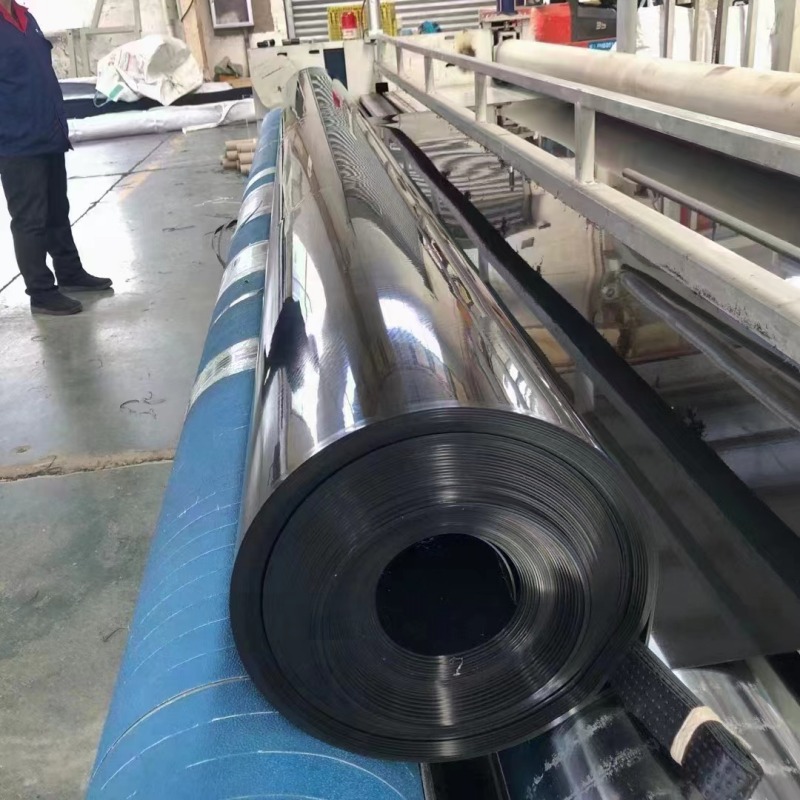
Among the available manufacturing methods, blown film extrusion is one of the widely used processes for producing flexible geomembrane sheets. During production, polymer resin is melted and extruded through a die, formed into a continuous film, cooled, controlled for thickness and width, and finally wound into rolls.
Every stage of the process can affect the final product, from raw material preparation and temperature control to film formation, cooling, thickness control, and winding.
Raw Material Preparation
The quality of a geomembrane starts with the raw materials. Before production, the selected HDPE or LLDPE resin is checked according to the product specification and production requirements. For black geomembranes, carbon black masterbatch and other required additives are also prepared according to the formulation.
Proper material preparation helps maintain consistent processing performance during extrusion. The raw materials are mixed in controlled proportions before entering the production line, helping achieve a more uniform melt during extrusion.
For products requiring specific performance characteristics, the formulation can be adjusted according to the intended application, such as landfill lining, aquaculture ponds, wastewater containment, reservoirs, or other environmental engineering projects.
Raw material identification and production records are maintained to support batch management and quality control. This provides a clear starting point for the manufacturing process and helps reduce variation between production batches.
Blown Film Extrusion Process
Blown film extrusion is one of the commonly used manufacturing processes for flexible geomembranes. The prepared polymer material is fed into the extruder, where it is gradually heated and melted.
The molten polymer is then pushed through a circular die to form a continuous film tube. Air is introduced into the tube to expand it into a controlled film bubble. The bubble is cooled and stabilized before being guided through the haul-off system.
The basic production sequence can be summarized as:
Raw Material → Feeding → Melting → Extrusion → Film Bubble Formation → Cooling → Haul-Off → Winding
Each stage needs to work together. Unstable feeding or melting can affect the film formation, while inconsistent cooling or haul-off speed may influence thickness, width, and surface quality.
For this reason, production operators monitor the main process conditions throughout the extrusion process rather than relying only on final inspection.
Film Formation, Cooling & Winding
After the molten polymer leaves the die, the film bubble must remain stable while it is formed and cooled. The stability of this stage has a direct influence on the appearance and dimensional consistency of the finished geomembrane.
The cooling system gradually reduces the temperature of the newly formed film and helps stabilize its shape. Controlled cooling is important because uneven cooling may contribute to variations in film dimensions or surface appearance.
After cooling, the film passes through the haul-off system. The pulling speed and film tension need to remain reasonably stable to help maintain consistent production conditions.
The finished film is then guided into the winding section and collected into rolls. Proper winding helps keep the roll compact, smooth, and easy to handle during storage, transportation, and installation.
During production, operators pay attention to visible defects such as wrinkles, uneven edges, surface marks, or other abnormalities. If an issue is identified, the production parameters can be checked and adjusted before the problem affects a larger section of the roll.
Thickness & Width Control
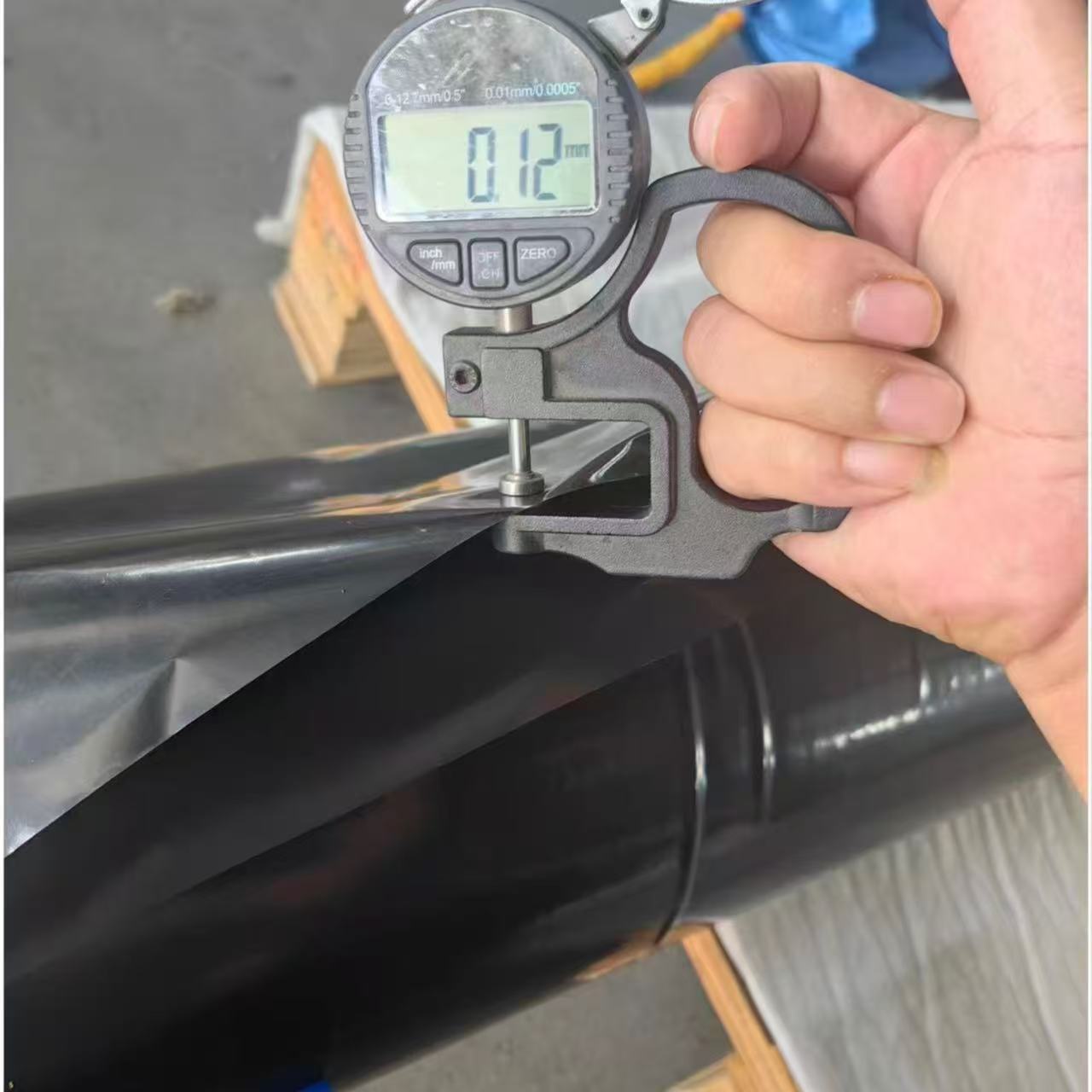
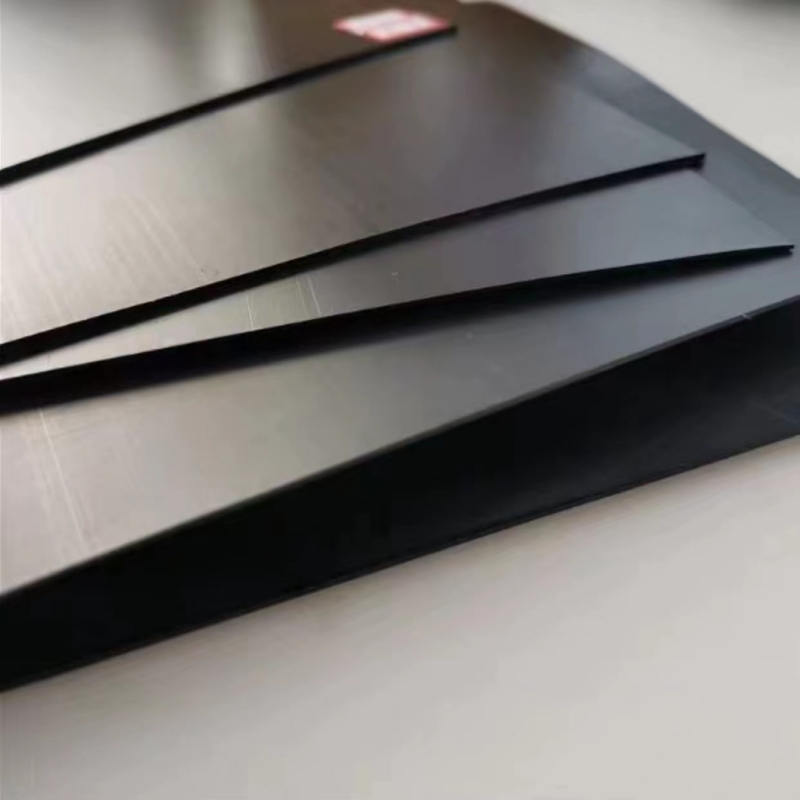
Thickness uniformity is one of the important quality factors for geomembranes. A product may have a specified nominal thickness, but maintaining a consistent thickness across the sheet is equally important for practical installation and performance.
During production, the extrusion process is controlled to maintain the required film thickness and width according to the product specification. Operators monitor the film condition and make adjustments when necessary.
For example, a geomembrane specified as 1.5 mm should not simply be judged by one measurement point. Measurements from different areas can help identify whether the thickness remains within the required tolerance.
Width control is also important because the final roll dimensions affect material layout, cutting, overlap planning, welding, and installation efficiency.
A stable production process helps reduce unnecessary thickness variation and material waste. Before shipment, the finished product can be checked against the agreed specification, including thickness, width, roll length, and other applicable requirements.
Quality Control & Finished Product Testing
Quality control runs throughout the manufacturing process, from raw material preparation to final inspection. The purpose is not only to identify defective products, but also to monitor the production conditions that may affect finished geomembrane performance.
Depending on the product specification and applicable testing requirements, finished geomembranes may be evaluated for properties such as:
Thickness and dimensional characteristics
Tensile strength
Elongation at break
* Tear resistance
Puncture resistance
Carbon black content and dispersion
Oxidative induction time
Environmental stress crack resistance
Surface appearance and workmanship
Testing requirements can vary according to membrane type, thickness, application, and project standards. For example, a geomembrane intended for a landfill project may require different testing criteria from a membrane used for an aquaculture pond.
In addition to laboratory testing, visual inspection is performed to identify surface defects, edge problems, wrinkles, contamination, or other visible issues.
Only after the required inspection and testing procedures are completed is the product prepared for final packaging and shipment.
Packaging & Delivery
After production and inspection are completed, the geomembrane is prepared for packaging and delivery. Proper packaging helps protect the roll from moisture, contamination, mechanical damage, and unnecessary movement during handling and transportation.
Each roll can be identified according to the agreed product information, such as product type, thickness, width, roll length, production batch, and other relevant details.
The rolls are handled carefully during loading to reduce the risk of damage to the membrane edges and outer surfaces. For export orders, packaging methods can be selected according to the transportation method, destination, and customer requirements.
Before loading, the quantity, packaging condition, product identification, and shipping information are checked again.
leave a message
Scan to Wechat/Whatsapp :



 English
 Français
 Deutsch
 Русский
 Español
 Português
 عربي
عربي Tiếng Việt
 Indonesia
 हिन्दी


 IPv6 network supported