
leave a message
If you are interested in our products and want to know more details,please leave a message here,we will reply you as soon as we can.

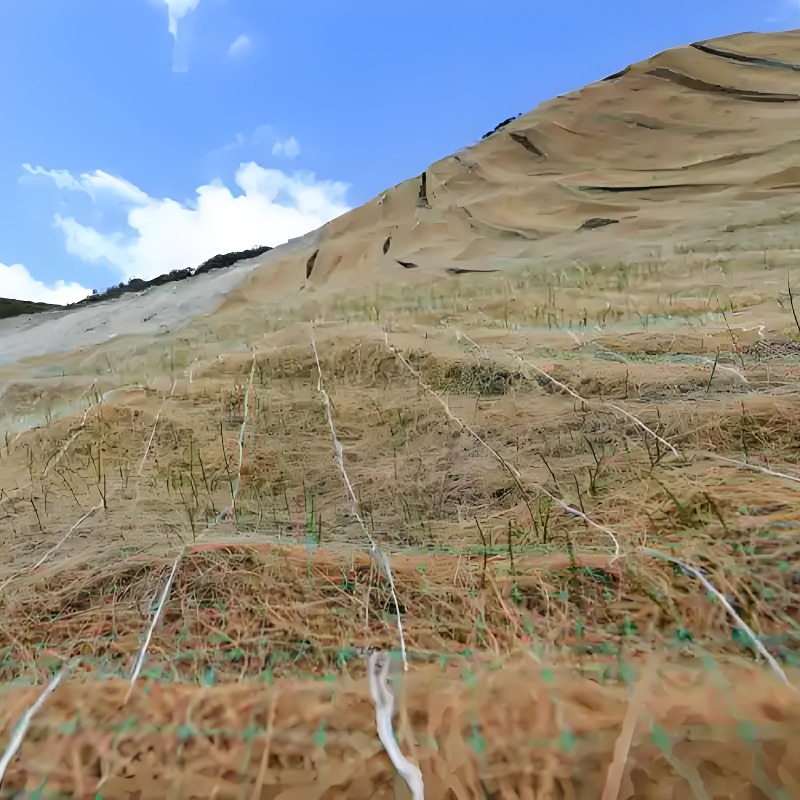
Mining activities often leave behind exposed slopes, waste rock dumps, overburden piles, and disturbed land. These areas have damaged soil structures and limited vegetation cover, making the surface vulnerable to rainfall, surface runoff, and wind erosion. Soil loss, gully formation, and sediment deposition become serious challenges during mine rehabilitation.
Coir Erosion Control Blanket is a natural erosion-control material manufactured primarily from coconut husk fibers. It is commonly supplied in rolls and produced through weaving or other fiber-processing methods. The blanket can be installed on exposed mine slopes and overburden surfaces, often in combination with grass seeds, soil amendments, and suitable vegetation. For mining projects that require surface erosion protection and vegetation establishment, NuoKun recommends 370g/㎡ coir blanket as a potential specification.
Technical Parameters
| Item | Specification |
| Tensile Strength | ≥12 MPa |
| Coir Fiber Weight | 350-360g/㎡ |
| PP Weight | 12-14g/㎡ |
| Primary Material | Coir, Straw/Wheat |
| Colour | Natural Brown, Light Yellow |
1. Reduce Rainfall Impact and Surface Soil Loss
Exposed mine slopes have little vegetation to protect the soil surface. Rainfall can loosen fine soil particles, which may then be transported downslope by runoff. Over time, this can lead to erosion channels and surface deterioration. After installation, coir blanket covers the exposed soil, reduces direct raindrop impact, and retains some surface particles carried by runoff. It can be used as part of an erosion-control system on overburden slopes, disturbed mine land, and graded surfaces.
2. Supporte Seed Germination and Vegetation Establishment
One of the main objectives of mine rehabilitation is to restore vegetation. However, seeds may be washed away before germination, particularly on steep slopes or in areas exposed to heavy rainfall. Coir blanket protects broadcast seeds and the upper soil layer from rainfall and wind. Its natural fiber structure can also retain some surface moisture, creating more favorable conditions for seed germination and early plant development.
3. Protect Overburden Dumps and Disturbed Mine Surfaces
Overburden dumps and mine waste areas often contain a mixture of soil and rock particles. Surface runoff can remove finer particles and create erosion channels, especially on exposed slopes. Installing coir blankets over properly graded and prepared surfaces protect the topsoil layer and reduce early-stage erosion. This provides a more favorable surface for subsequent vegetation establishment.
4. Reduce Sediment Entering Drainage Systems
Eroded soil from mine slopes can enter toe drains, nearby streams, and sedimentation ponds. This may increase water turbidity and create additional maintenance requirements for drainage facilities. By covering exposed soil and reducing surface erosion, coir blankets form part of a wider erosion and sediment control system.
5. Provide a Natural and Biodegradable Erosion-Control Material
Coir blankets are made from natural coconut fibers and can gradually biodegrade under suitable environmental conditions. They can be integrated into revegetation programs without leaving a permanent plastic covering on the ground. As vegetation develops, plant roots can contribute to surface soil reinforcement and create a more natural long-term erosion-control system.
Q1: What problems can coir blankets address in mining areas?
They reduce rainfall erosion and surface soil loss, protect broadcast seeds, and provide temporary surface coverage during early vegetation establishment. They also form part of a wider rehabilitation strategy for overburden dumps and disturbed mine land.
Q2: Do coir blankets need to be used with grass seeds?
If projects aim to restore vegetation, suitable grass seeds or native plant species are generally required. Coir blankets do not generate vegetation. Their role is to protect seeds and surface soil while plants become established.
Q3: What is the difference between coir blanket and geogrid?
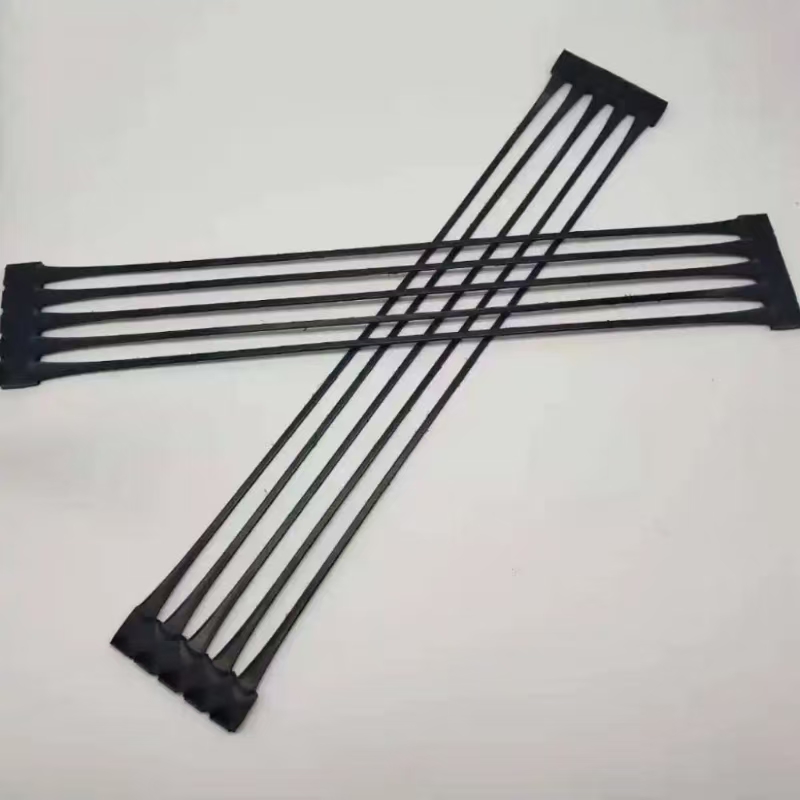
Coir blanket is mainly used for surface erosion control, seed protection, and vegetation establishment. Geogrid is primarily suitable for soil reinforcement and structural stabilization under suitable design conditions. Their functions are different, although both materials may be used together in certain projects.
leave a message
Scan to Wechat/Whatsapp :



 English
 Français
 Deutsch
 Русский
 Español
 Português
 عربي
 Tiếng Việt
 Indonesia
 हिन्दी


 IPv6 network supported