
leave a message
If you are interested in our products and want to know more details,please leave a message here,we will reply you as soon as we can.

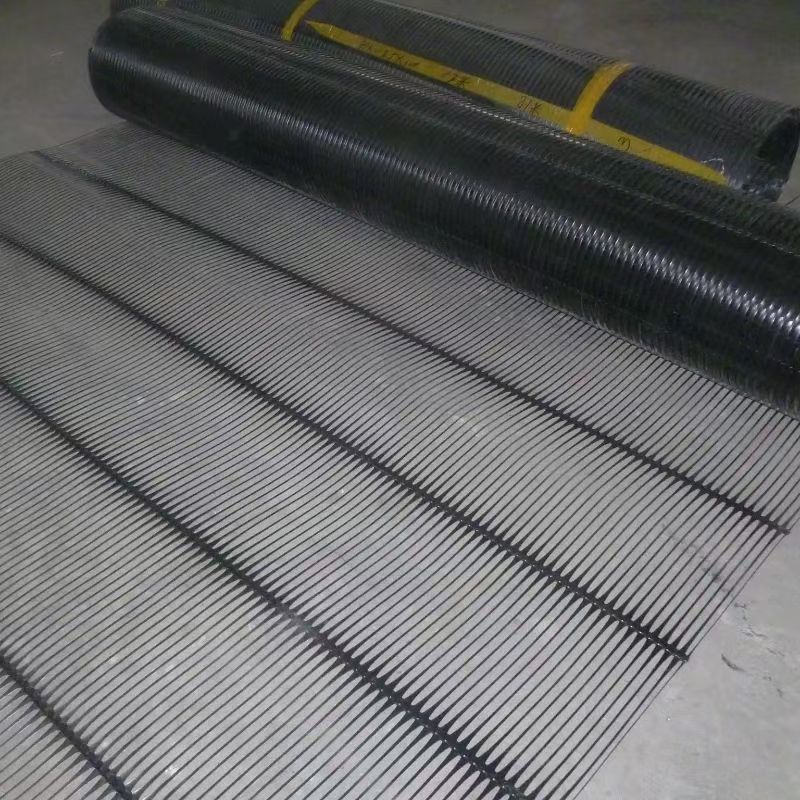
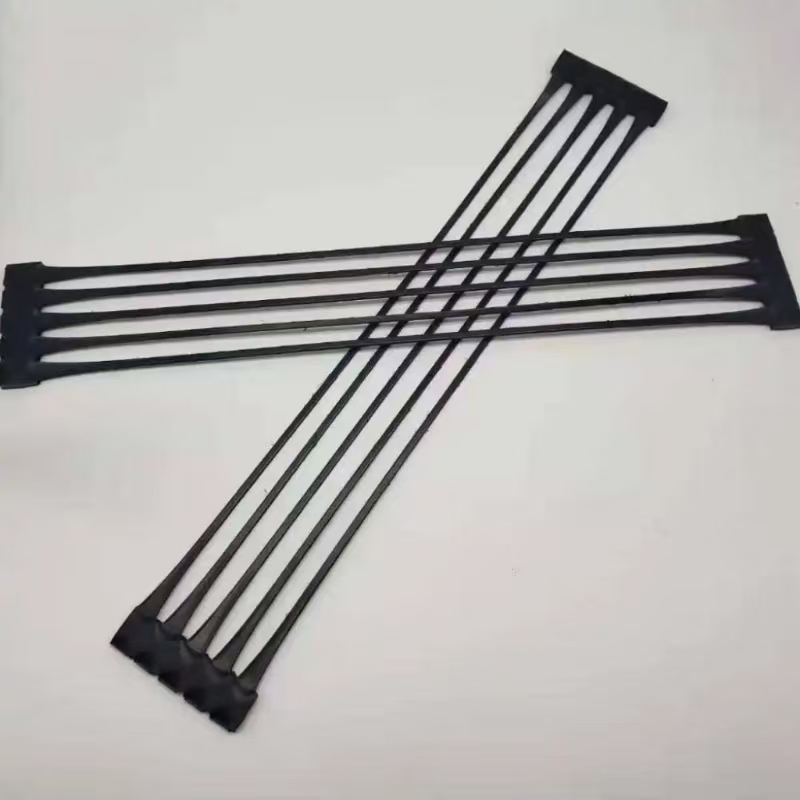
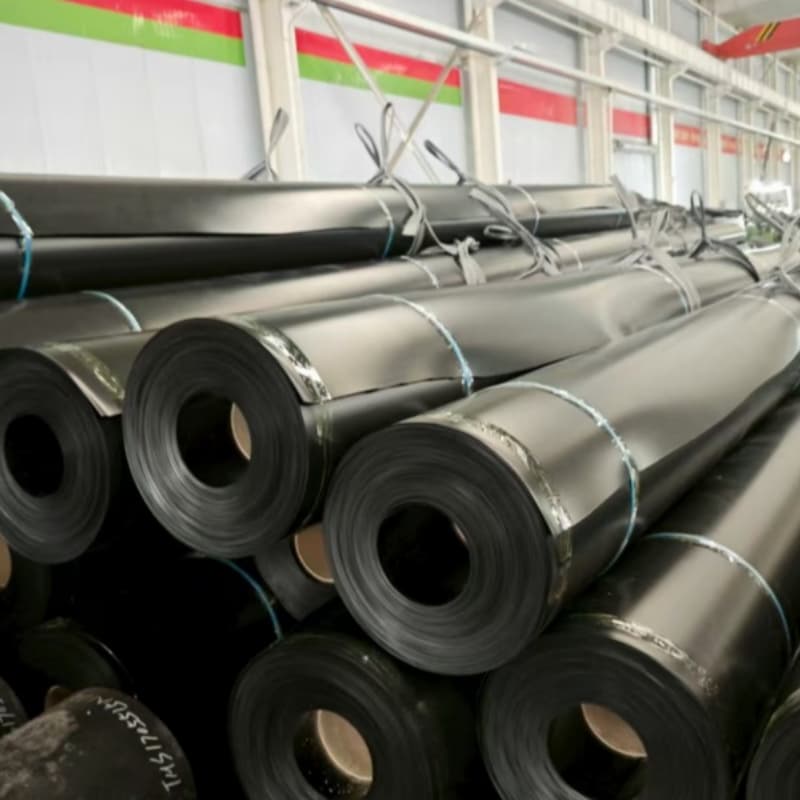
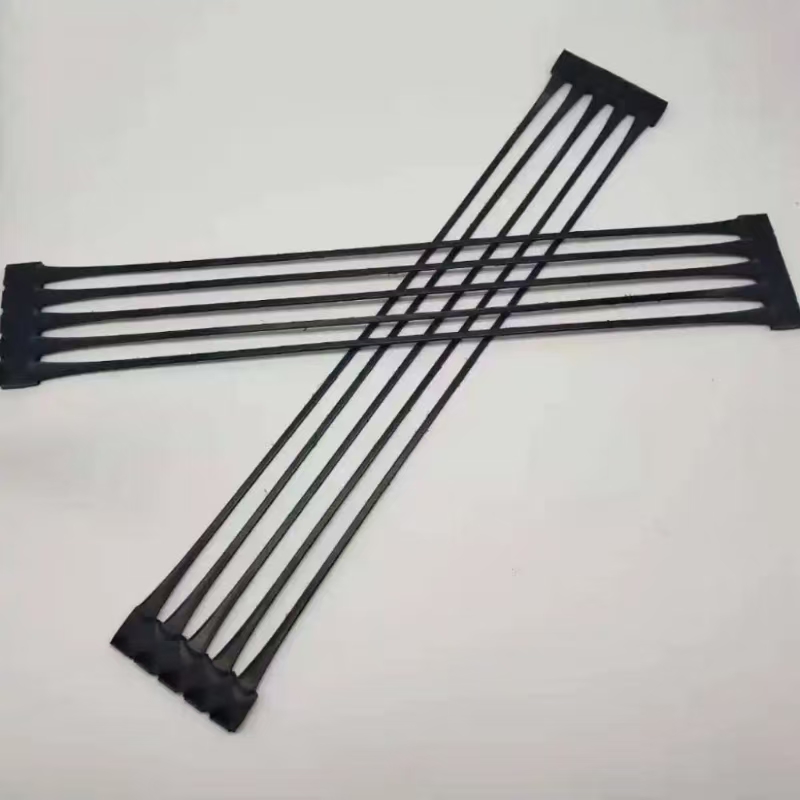
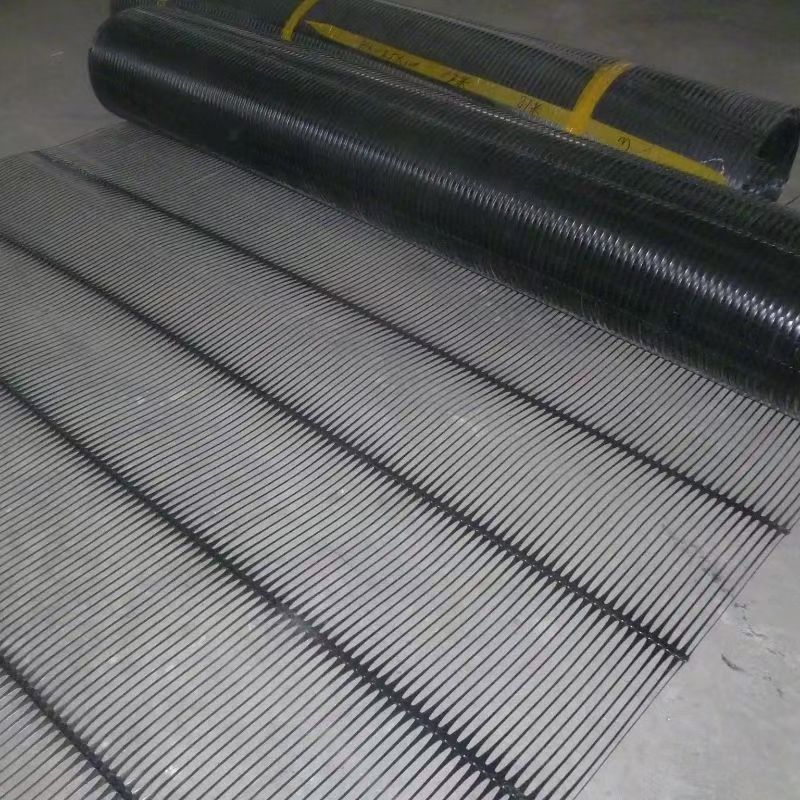
Uniaxial plastic geogrid is a high-strength polymer reinforcement material manufactured from polyethylene. Through extrusion and stretching processes, it forms a regular grid structure with high tensile strength in one principal direction. This structure interacts with the surrounding soil or fill material to provide effective reinforcement and improve the stability of soil structures.
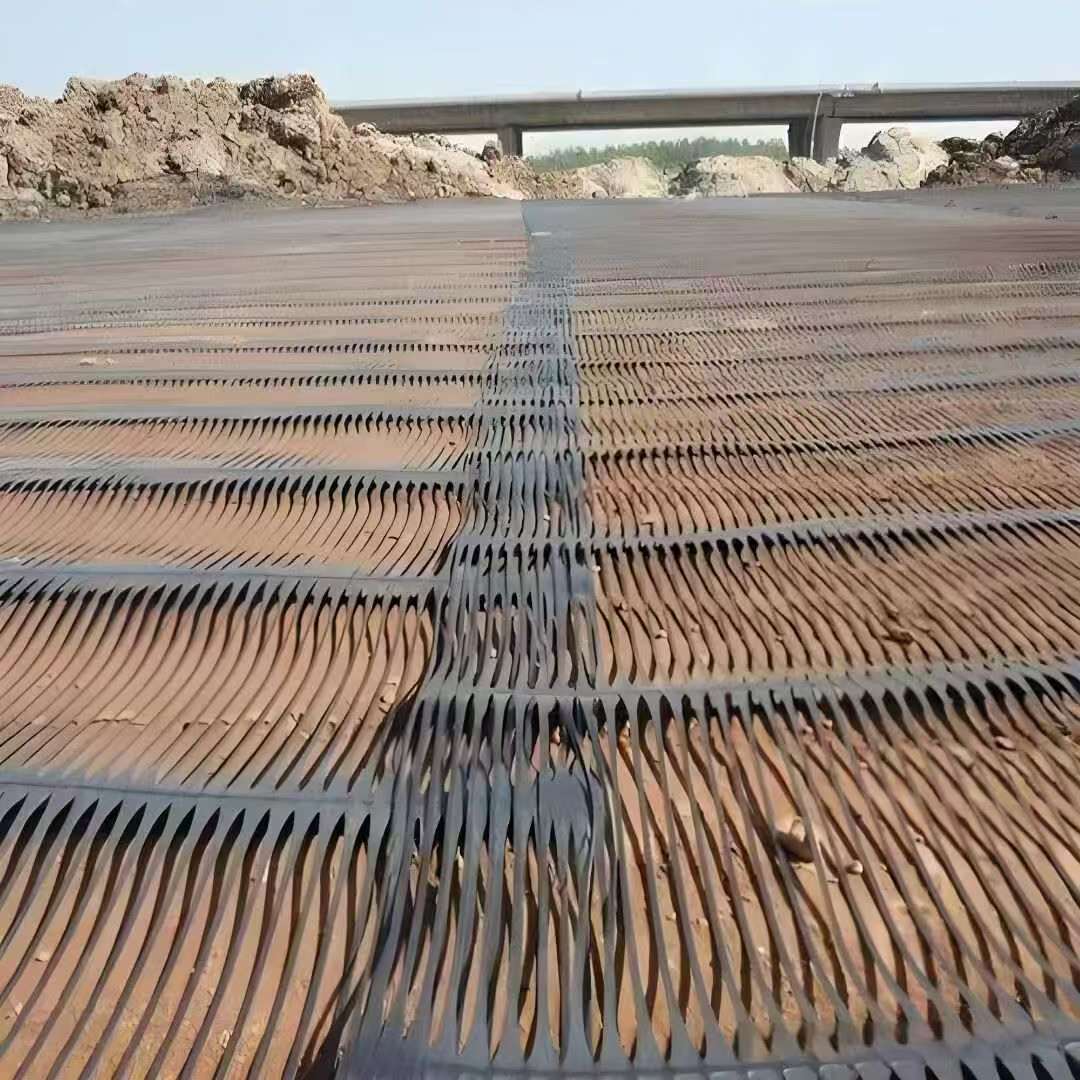
Uniaxial plastic geogrids are commonly used in applications where tensile reinforcement is required to improve soil stability, control deformation, or strengthen engineered fill structures. Depending on the project design, they can be incorporated into road subgrades, railway earthworks, airport runways, reinforced soil retaining walls, and riverbank reinforcement projects.
Color :
Black (Customizable)Specifications :
TGDG35, TGDG50, TGDG80, TGDG120, TGDG160, TGDG200Width :
1-4m (Customizable)Lead Time :
7-14 days after deposit paymentOrder(MOQ) :
2000㎡Payment :
FOB (Can communicate and negotiate)Product Origin :
ChinaShipping Port :
Qingdao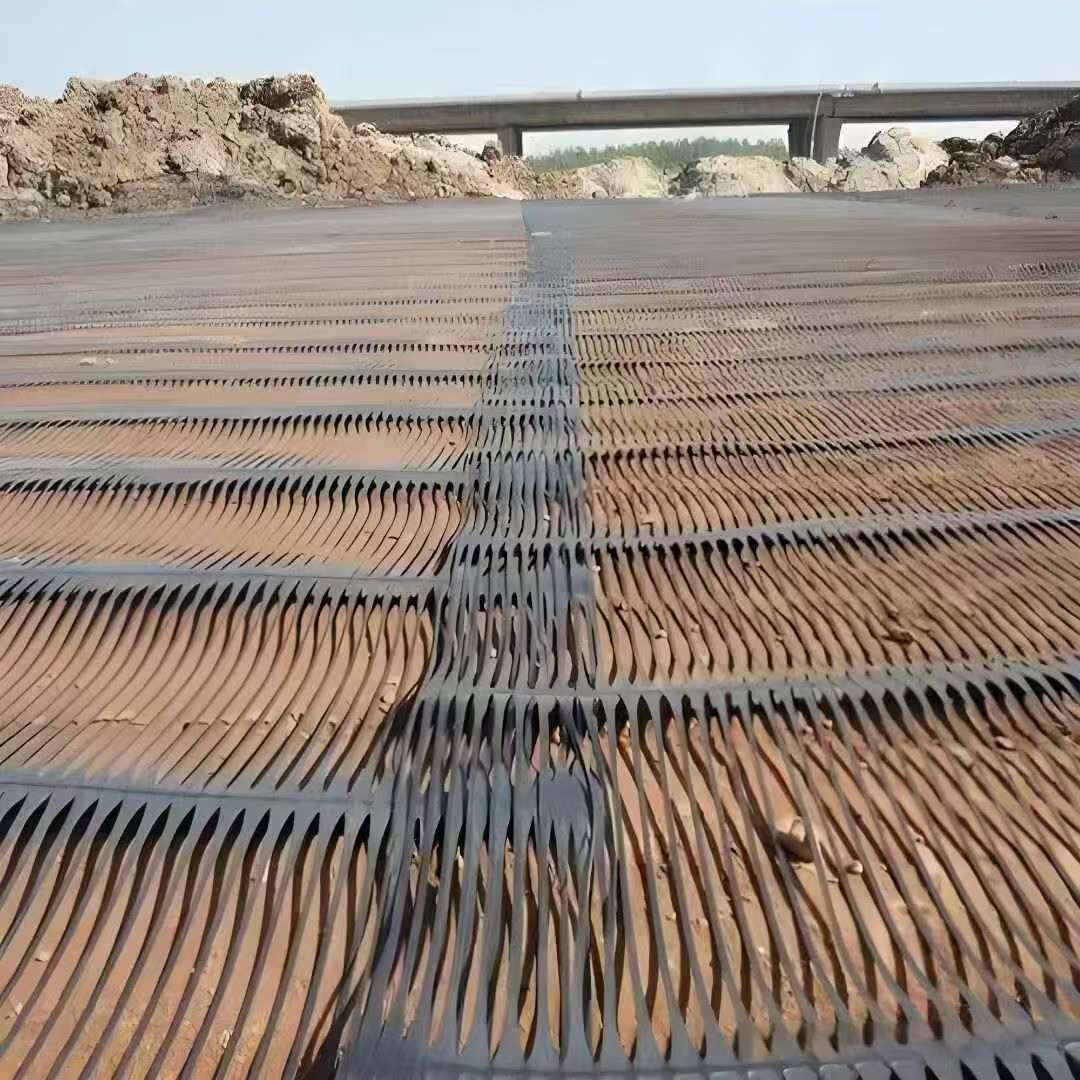
What is a Uniaxial Plastic Geogrid?
Uniaxial plastic geogrid is a polymer-based geosynthetic reinforcement product designed to provide tensile resistance primarily along one principal direction.
It is manufactured through polymer forming and stretching processes that create a directional grid structure. When installed within soil or engineered fill, the geogrid interacts with the surrounding material and transfers tensile forces, limits relative soil movement, and improves the stability of the reinforced structure.
Compared with biaxial geogrid, which is designed to provide reinforcement in two principal directions, uniaxial geogrid is generally selected for structures where reinforcement is primarily required along one main direction.
| Specification | Tensile Strength (KN/m) | Tensile Strength at 2% Elongation (KN/m) |
| TGDG35 | ≥35 | ≥7.5 |
| TGDG50 | ≥50 | ≥12 |
| TGDG80 | ≥80 | ≥21 |
| TGDG120 | ≥120 | ≥33 |
| TGDG160 | ≥160 | ≥47 |
1. Improves Subgrade Stability
Uniaxial plastic geogrid interacts with surrounding soil or fill to provide tensile reinforcement. When incorporated into a properly designed road subgrade, it helps improve the stability of the reinforced soil structure. For highways, municipal roads, and other projects, the geogrid can be installed at designated elevations to meet the engineering design.
2. Supports Load Transfer Within Reinforced Soil
The geogrid develops tensile resistance and interacts with the surrounding fill, transfering forces within the reinforced soil mass. A properly designed reinforcement system can improve structural stability and load-bearing performance.
3. Controls Soil Deformation
Road embankments and engineered fill structures may experience movement under traffic loads or other external forces. Uniaxial geogrid provides reinforcement along its principal design direction, limiting relative soil movement and reducing the risk of excessive deformation when properly designed and installed.
4. Suitable for Reinforced Soil Retaining Walls
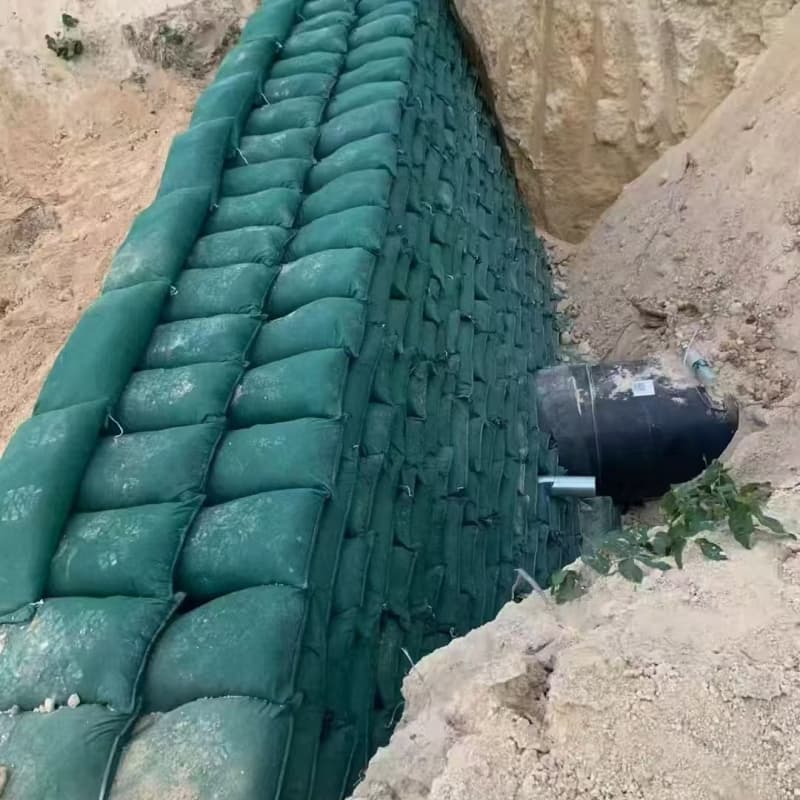
Uniaxial plastic geogrids can be incorporated into reinforced soil retaining wall systems in combination with suitable backfill and a compatible facing system. Many factors should be determined through engineering design to support the stability of the overall wall structure, such as reinforcement length, vertical spacing, tensile capacity, and connection details.
5. Reduces Long-Term Maintenance Requirement
When correctly specified and installed, geogrid reinforcement can contribute to the long-term stability of road subgrades, embankments, and reinforced soil structures. By controlling deformation and improve structural performance, it may reduce certain maintenance requirements.
1. Highway Subgrade Reinforcement
During highway construction and road rehabilitation, subgrade structures may be affected by traffic loading, variable soil conditions, and long-term service requirements. These factors contribute to deformation, settlement, or inadequate soil stability. Uniaxial plastic geogrid can be installed within designated fill layers to provide tensile reinforcement through interaction with the surrounding soil. When properly designed, it improves the overall stability of reinforced soil sections.
2. Municipal Roads and Urban Infrastructure
Municipal road construction, urban road rehabilitation, and road widening projects require careful consideration of foundation conditions, fill stability, and long-term deformation. Uniaxial plastic geogrid can be incorporated into suitable road embankments, engineered fill, and reinforced soil structures where the project design requires reinforcement. Its interaction with the surrounding soil helps reinforce designated layers and contributes to the overall stability of the structure.
3. Railway Subgrade Reinforcement
Railway subgrades must meet demanding requirements for stability and deformation control. Uniaxial plastic geogrid may be used in railway embankments, reinforced fill, and related ground improvement systems where specified by the engineering design. Interaction between the geogrid and surrounding fill provides reinforcement that can improve the stability of the reinforced soil zone.
4. River and Sea Embankment Reinforcement
Uniaxial plastic geogrid can be incorporated into embankment fill and related soil reinforcement systems where required by the engineering design. By interacting with the surrounding fill, the geogrid provides reinforcement that can improve the overall stability of the reinforced soil structure.
5. Riverbank and Slope Reinforcement
Riverbanks, road slopes, and engineered fill slopes can be affected by soil properties, rainfall, groundwater, and external loads. Installed at designated positions, the geogrid interacts with the surrounding soil to provide reinforcement and improve the stability of the reinforced zone. For high slopes or sites with complex ground conditions, stability analysis should consider slope geometry, soil strength, groundwater, and potential failure surfaces.
 |
 |
 |
 |
 |
 |
 |
 |
Q1: What's in it for you when you choose us?
Product Specifications: GB/T17689-2008.
Competitive Prices: Factory Prices, No Middlemen.
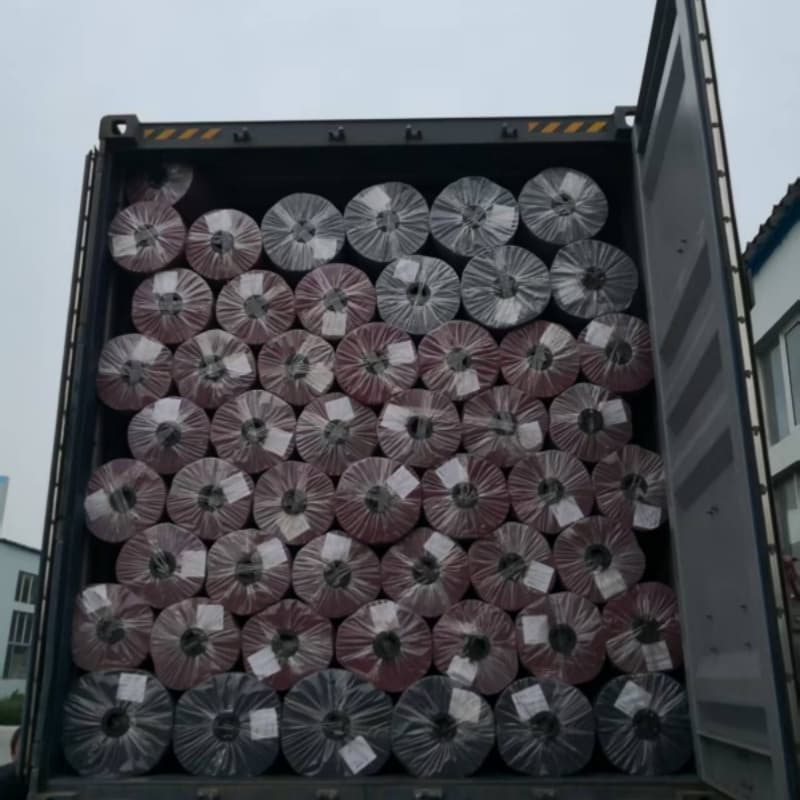
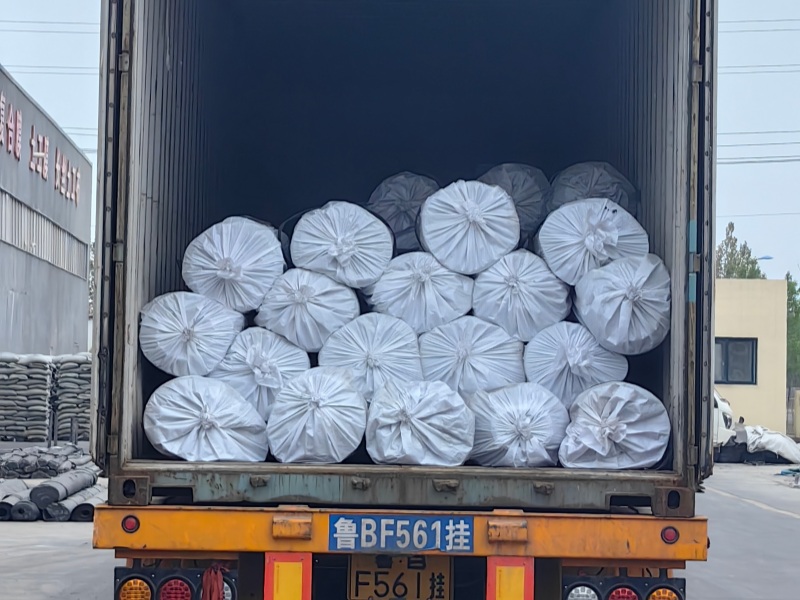
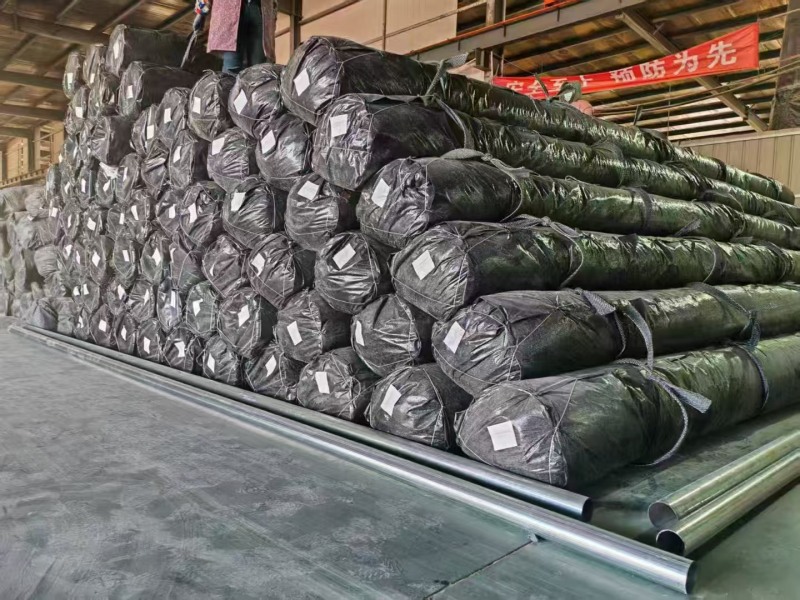
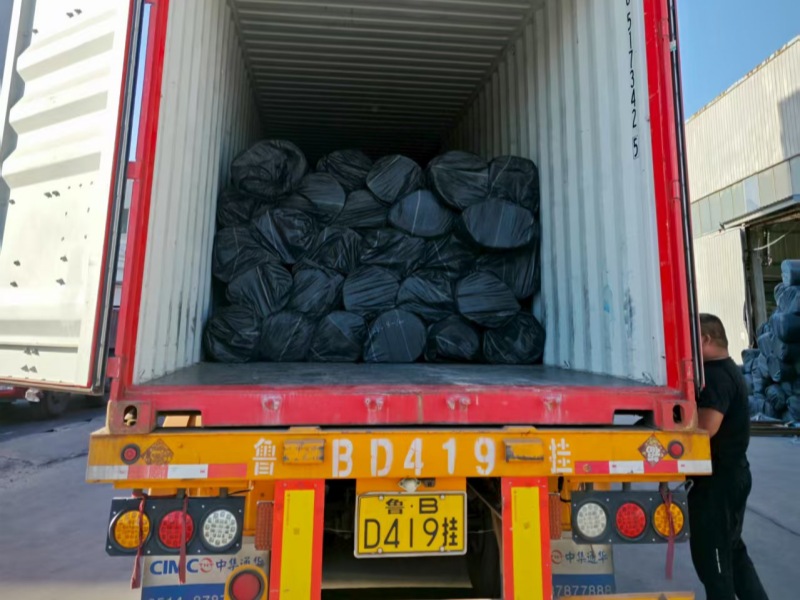
Real-Time Updates: we provide regular updates on production progress and shipment status, along with photos and videos of the production and loading process, so you can stay informed about your order at every stage.
After-Sales Service: provide the required documents, offer professional online engineering and technical support and so on.
Q2: What is the difference between uniaxial and biaxial geogrids?
Uniaxial geogrids are designed primarily to provide tensile reinforcement along one principal direction. They are commonly used in reinforced soil retaining walls and structures with a defined primary reinforcement direction. Biaxial geogrids are designed to provide reinforcement in two principal directions and are used where the engineering design requires it.
Q3: How do I select the right uniaxial geogrid specification?
TGDG35, TGDG50, TGDG80, TGDG120, TGDG160, and TGDG200 series represent different strength grades in the supplied product information.
Q4: Can uniaxial plastic geogrid be used in retaining walls?
Yes. Uniaxial geogrids can reinforce soil retaining wall systems by interacting with the backfill and improving the stability of the reinforced soil mass
leave a message
Scan to Wechat/Whatsapp :



 English
 Français
 Deutsch
 Русский
 Español
 Português
 عربي
 Tiếng Việt
 Indonesia
 हिन्दी




 IPv6 network supported