
leave a message
If you are interested in our products and want to know more details,please leave a message here,we will reply you as soon as we can.

PE Road Mats for Soft Ground, Muddy Sites and Construction Access
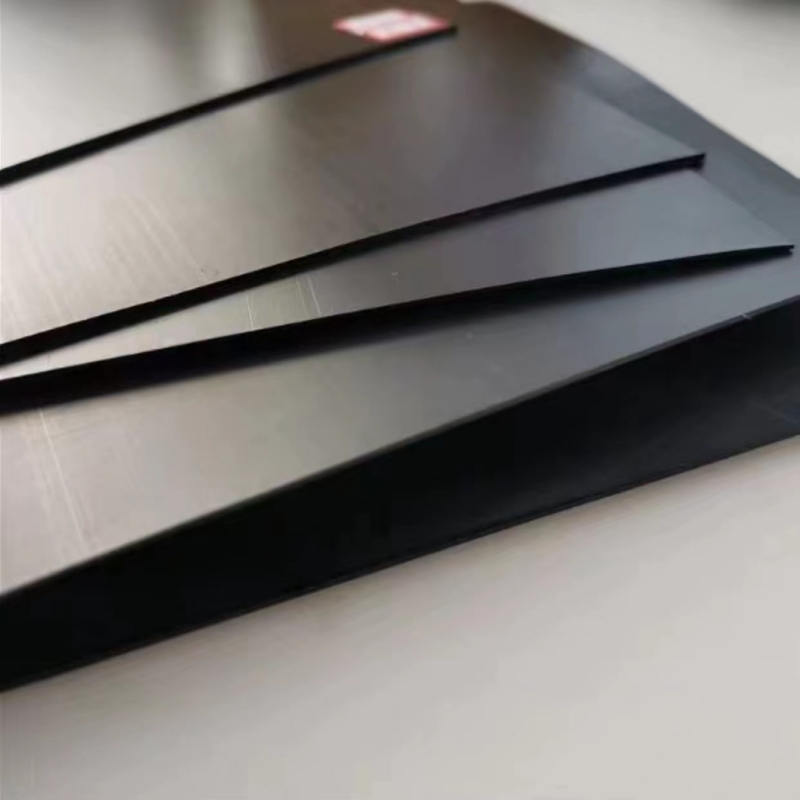
PE Road Mats are modular ground protection panels made primarily from polyethylene (PE). They are designed for temporary roads, vehicle access routes, work platforms, and ground protection. When installed on the ground, the mats create a protective and load-distributing layer between vehicles and the underlying surface, helping reduce rutting, ground deformation, and surface damage caused by trucks, excavators, loaders, and other construction equipment.
PE Road Mats can be used on soft, muddy, wet, and uneven ground. For projects that require temporary access roads, transportation routes, or heavy equipment access, PE road mats can be installed in modular sections and removed, cleaned, and reused after the project is completed. They are particularly suitable for long-term construction, and sites where the original ground needs to be restored after the work is completed.
Specifications :
1.2m×2.4m, 1.5m×3m etc.Thickness :
8-50mmLead Time :
7-14 days after deposit paymentOrder(MOQ) :
2000㎡Payment :
FOB (Can communicate and negotiate)Product Origin :
ChinaShipping Port :
Qingdao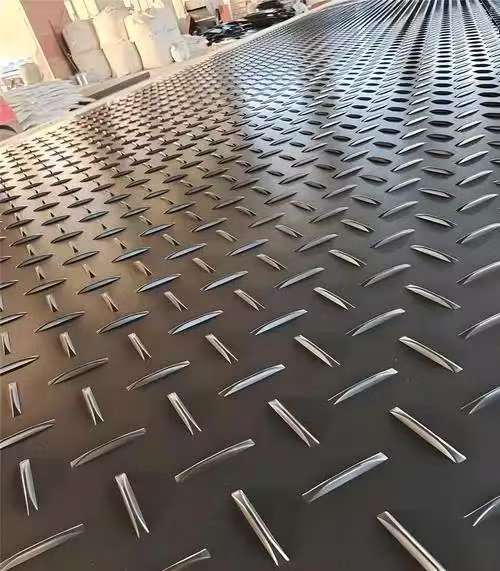
PE Temporary Road Mats are modular ground protection panels made primarily from polyethylene (PE). They are designed for temporary roads, vehicle access routes, work platforms, and ground protection.
When installed on the ground, the mats create a protective and load-distributing layer between vehicles and the underlying surface. This reduces rutting, ground deformation, and surface damage caused by trucks, excavators, loaders, and other construction equipment.
Compared with gravel, concrete, or asphalt, PE road mats offer flexible installation, easy removal, reusability, and convenient handling. They are particularly useful during wet seasons, on soft ground, on grass, on muddy sites, and during the early stages of construction when permanent roads are not yet available.
Key Benefits
1. Suitable for Soft, Muddy and Uneven Ground
PE road mats can be used in a range of ground conditions where surface protection and temporary vehicle access are required, including: Soft Ground → Muddy Ground → Grass → Gravel → Uneven Ground. During wet-season construction, road mats can reduce rutting and localized ground deformation directly caused by vehicles entering muddy areas.
2. Designed for Trucks and Construction Equipment
Depending on the mat thickness, structural design, dimensions, connection system, and underlying ground conditions, PE road mats can be used for different types of vehicles and equipment, such as trucks, excavators, loaders, cranes, forklifts and other construction vehicles. For heavy-duty projects, information such as gross vehicle weight, axle load, or wheel load should be provided for more accurate product selection.
3.Create Temporary Construction Access Quickly
Traditional temporary roads may require: ground grading, aggregate placement, compaction, level adjustment, and removal or ground restoration after the project. PE road mats use a modular installation system and can be arranged along the required vehicle route to create a temporary access surface. This can be particularly useful for long-term projects, changing construction routes, and sites where the ground needs to be restored after construction.
4. Removable and Reusable
PE road mats are not intended to be single-use road materials. After a project is completed, the mats can be removed, cleaned, inspected, and reused depending on their condition. For construction contractors, equipment rental companies, event organizers, and companies working across multiple projects, the same set of road mats can be used at different sites.
| Item | Common Specification |
| Size | 1.2m×2.4m, 1.5m×3m etc. |
| Thickness | Approx. 10–30 mm |
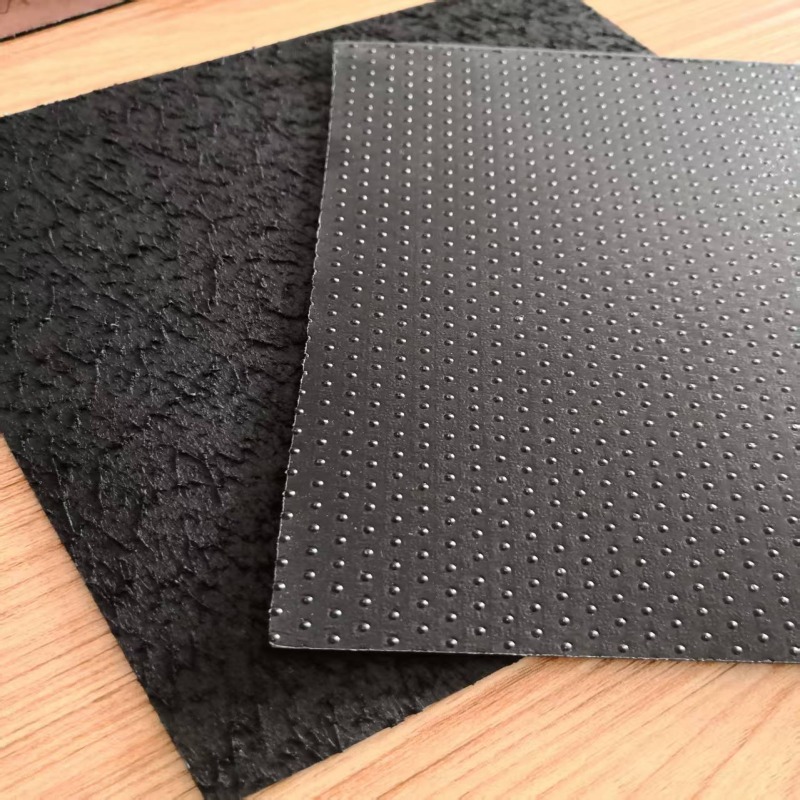
| Surface | Anti-slip pattern / studs / grid texture |
| Applications | Roads, access routes, ground protection |
| Material Features | Water resistance, corrosion resistance, weather resistance |
In 2026, a outdoor event required a clearly defined temporary vehicle route across an open grass site to control vehicle movements during the event in the UK. Since vehicles needed to carry out transportation and operational activities across the grass, direct traffic on the natural ground could create ruts and cause surface disturbance. Therefore, a modular ground protection system was used to create a temporary roadway. The project used 167 TM50 ground protection mats, each measuring approximately 2,410 × 1,200 mm and 20 mm thick. The mats were secured with 334 connectors to form a continuous temporary vehicle route approximately 200 m long and 2.4 m wide.
Installation was carried out on 20 August 2026, with the mats laid progressively along the planned vehicle route and connected together to create a continuous driving surface. A 5 mph speed-limit sign was also installed at the approach, together with route-control instructions to keep vehicles on the designated roadway. During the event, the roadway provided a defined route for vehicle traffic, helping keep vehicles within the planned access area and reducing direct traffic across the surrounding grass.
Step 1: Inspect and Prepare the Ground
Remove large stones, branches, and other objects that could damage the mats or prevent a reasonably even installation surface.
Step 2: Treat Severely Weak Areas
If certain areas of the ground are extremely weak, simply increasing mat thickness may not solve the problem. Depending on site conditions, excavation, aggregate sub-base, ground reinforcement, or other preparation may be required.
Step 3: Install Along the Vehicle Route
Determine the installation direction to meet the movement of trucks, excavators, and other construction equipment. Where possible, minimize unnecessary turning and mat displacement.
Step 4: Connect the Mats
Use the appropriate connectors specified for the product to connect individual mats and create a continuous access surface.
Step 5: Check Connections and Edges
Before vehicles enter the route, inspect the mats for obvious warping, displacement, loose connections, or other abnormal conditions.
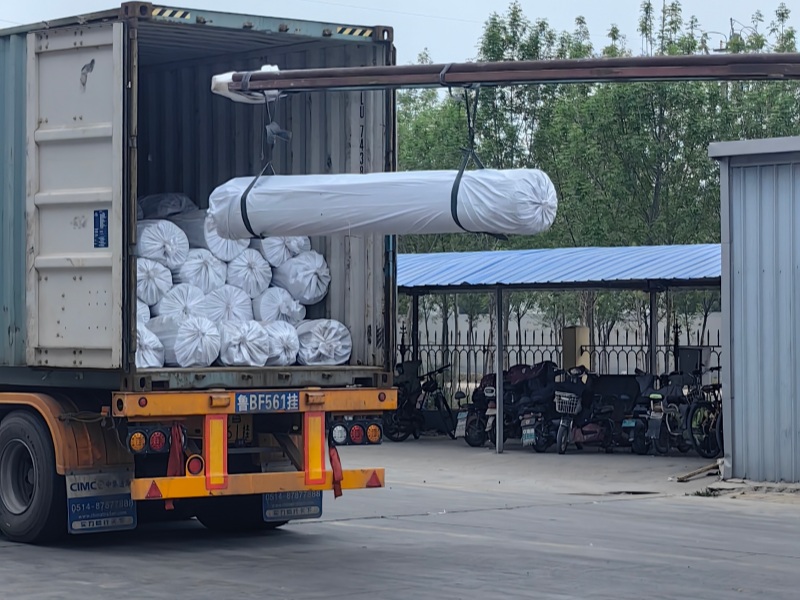
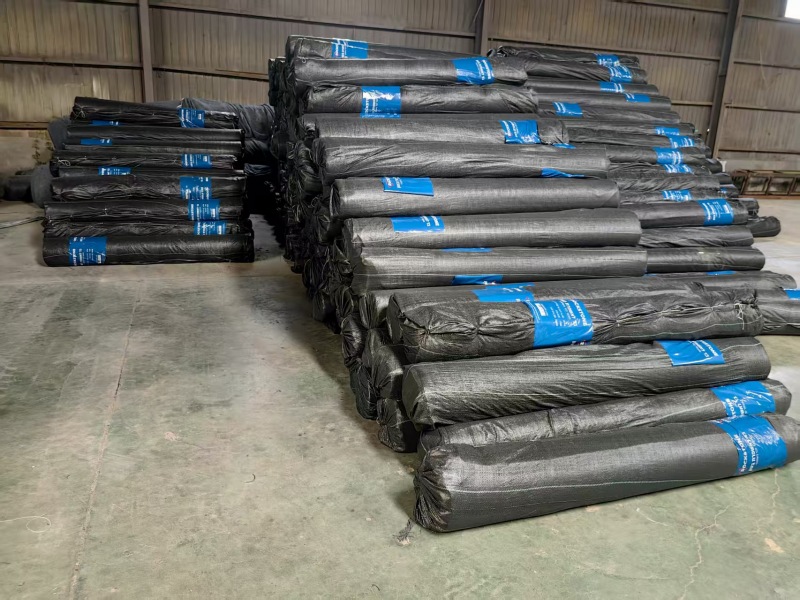
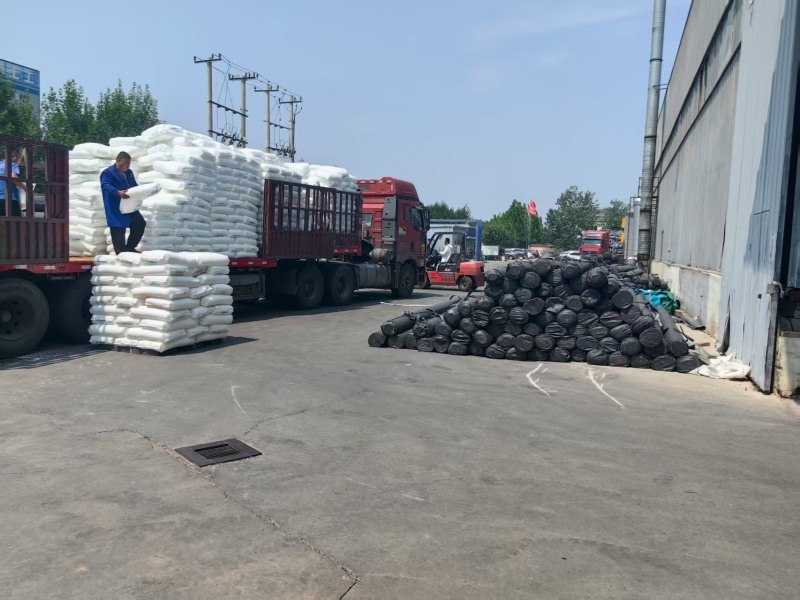
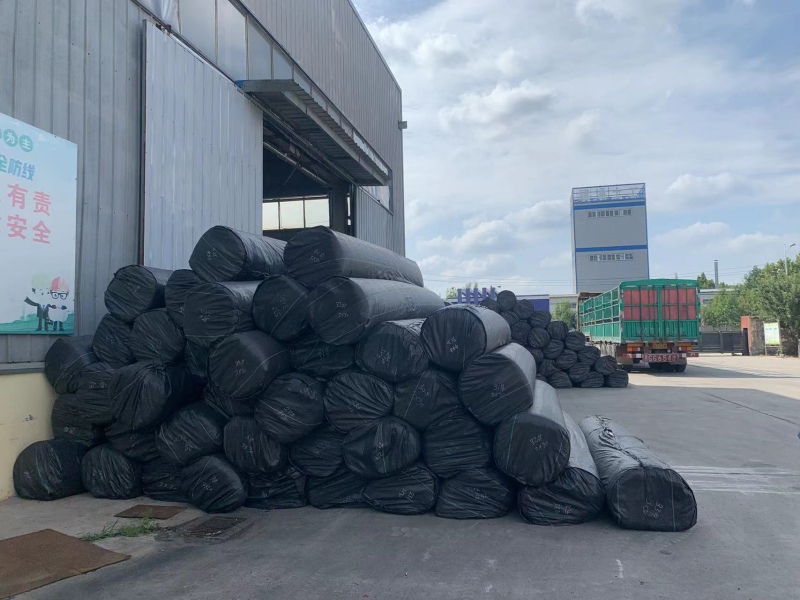
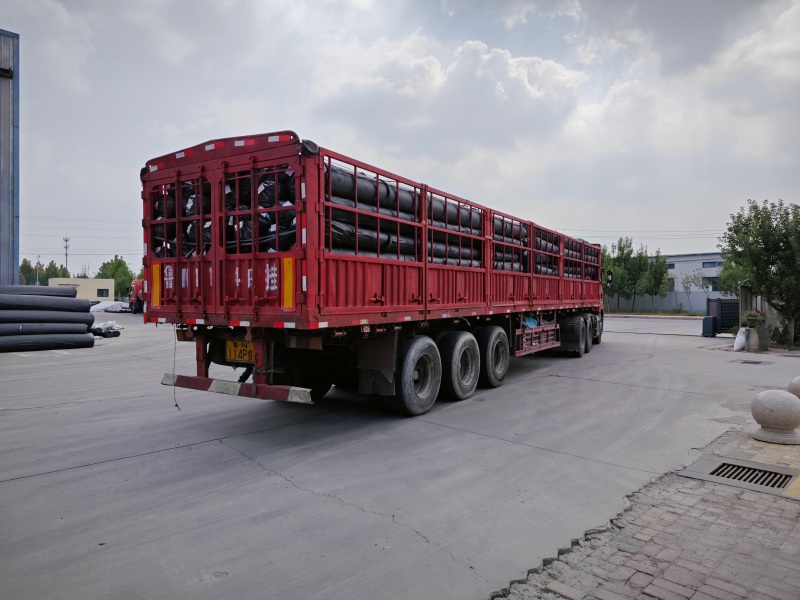
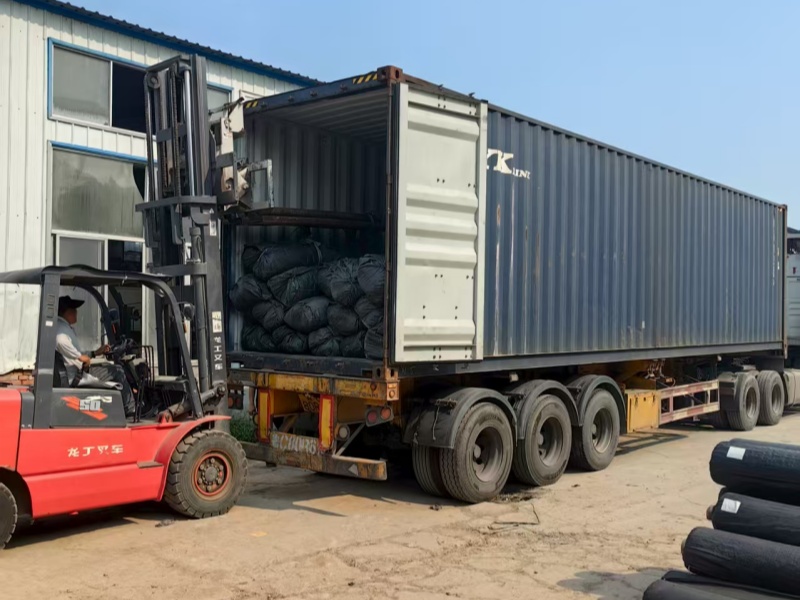
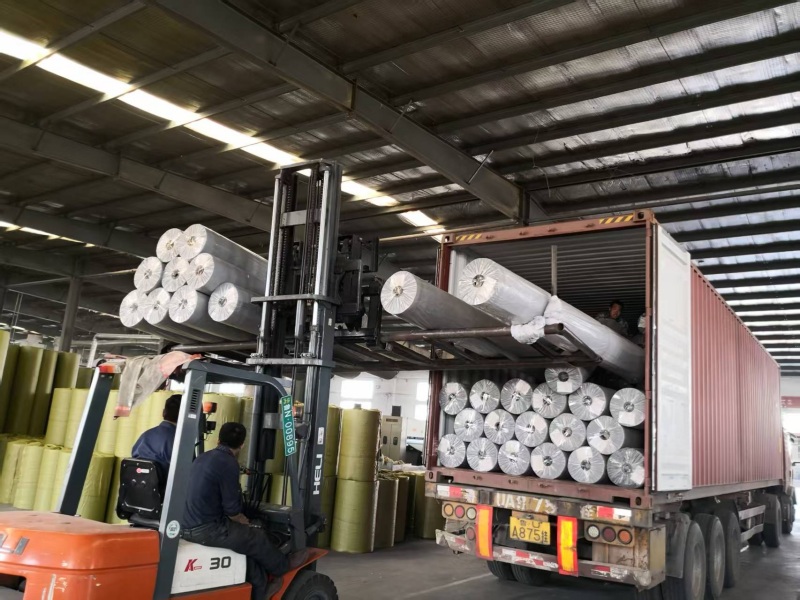
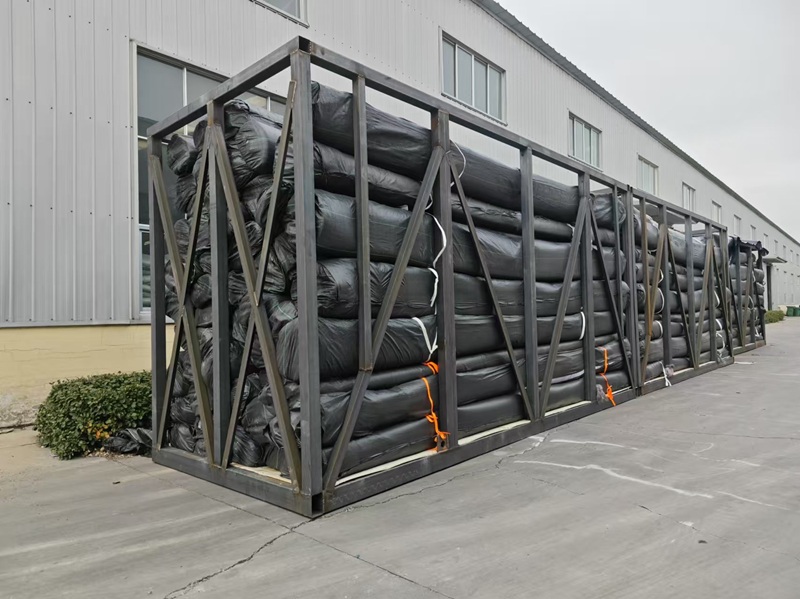
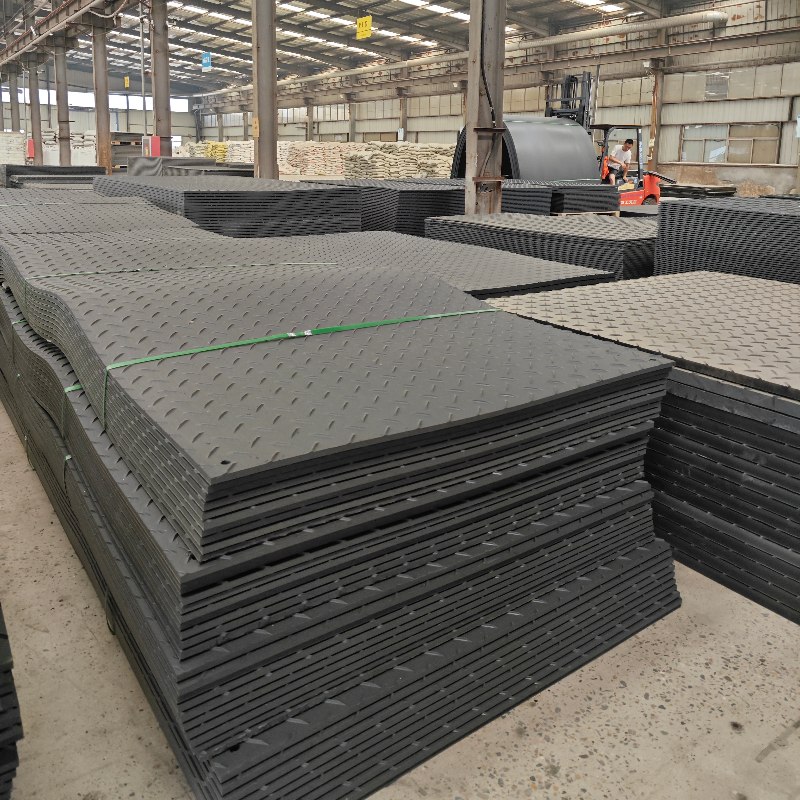
Packing and Delivery
 |
 |
 |
 |
 |
 |
 |
 |
FAQ
Q1. Can PE road mats be used on muddy ground?
Yes. PE Road Mats are commonly used on muddy, wet, and soft ground. However, if the ground has very low bearing capacity, appropriate ground preparation may still be required. Road mats should not be considered a replacement for foundation or ground improvement work.
Q2. What is the difference between PE road mats and temporary gravel roads?
A gravel road is a site-built road structure, while PE road mats form a modular ground protection and access system that can be installed, removed, and reused. This can be advantageous for long-term projects or sites where the ground needs to be restored after construction.
Q3. Can PE road mats be used at event sites?
Yes. Outdoor music festivals, exhibitions, sports events, and other events may require vehicle access routes, parking areas, loading zones, and grass protection.
Q4. Can NUOKUN recommend PE road mat specifications based on a project?
Yes. Customers can provide the project area, ground conditions, vehicle types, expected loads, service period, and destination port. Then, NUOKUN can identify a suitable PE road mat specification and prepare a quotation based on the project requirements.
leave a message
Scan to Wechat/Whatsapp :



 English
 Français
 Deutsch
 Русский
 Español
 Português
 عربي
عربي Tiếng Việt
 Indonesia
 हिन्दी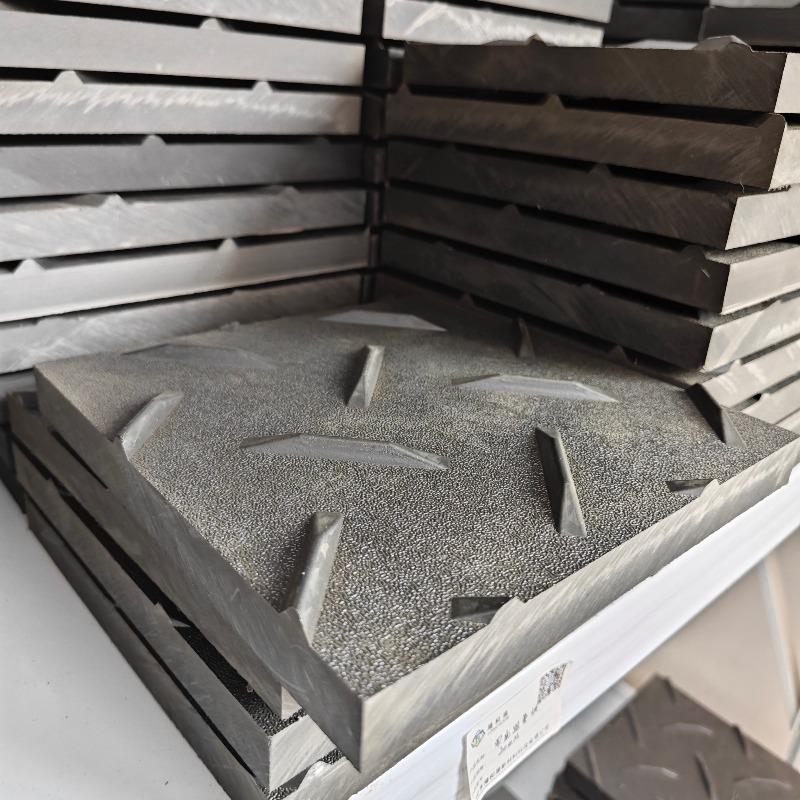



 IPv6 network supported