
 English
 Français
 Deutsch
 Русский
 Español
 Português
 عربي
عربي Tiếng Việt
 Indonesia
 हिन्दी
Serving the world
Phone : +86 -18005440164
Phone : +86 -15621270096
Whatsapp : +86 -18005440164
Whatsapp : +86 -15621270096
Email : luna@nuokungeo.com
Email : jone@nuokungeo.com
Environmental engineering projects such as landfills, mining ponds, and wastewater containment systems all face the same core problem: controlling leakage over long periods of time.
Once leachate or contaminated water enters the soil system, remediation becomes extremely difficult and expensive. In many cases, the damage is irreversible.
This is why most modern projects now rely on geosynthetic systems instead of traditional compacted clay liners alone.
Common systems include:
HDPE geomembrane as the primary barrier
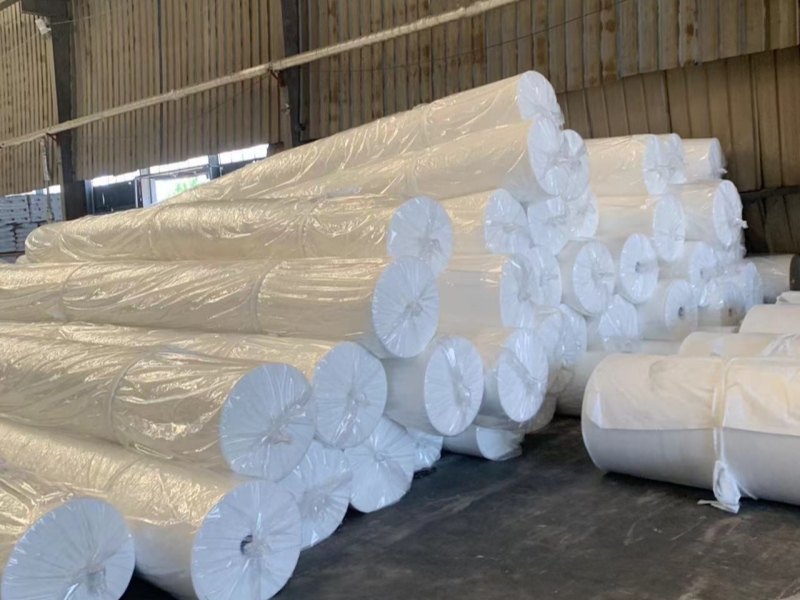
nonwoven geotextile for protection and filtration
GCL (geosynthetic clay liner) for secondary sealing
HDPE Geomembrane Role in Containment Systems
HDPE Geomembrane Performance Beyond Material Properties
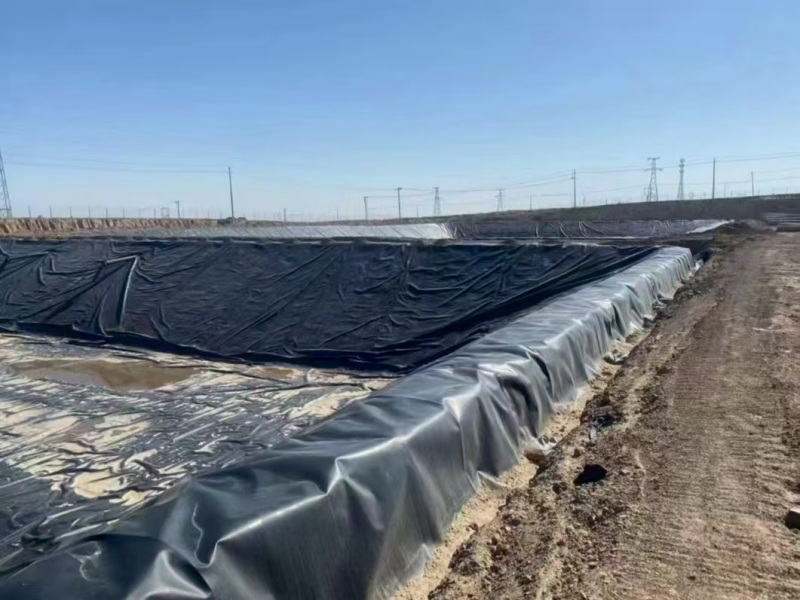
HDPE geomembrane is widely selected for containment applications due to its extremely low permeability, excellent chemical resistance, and long-term durability when properly designed and installed. It is commonly used in landfill liners, wastewater treatment facilities, mining containment systems, and other environmental protection projects.
However, the long-term performance of a geomembrane system depends on more than the material itself. Field conditions, construction quality, and installation practices play an equally important role in ensuring reliable performance.
Key factors affecting system performance include:
Subgrade preparation quality – A properly prepared foundation helps prevent stress concentration, wrinkles, and potential damage during service.
Welding consistency – Reliable seam welding is essential to maintain the overall integrity of the containment system.
Installation temperature conditions – Temperature variations can influence material behavior and welding parameters during installation.
Interface friction performance – Adequate friction between geomembrane and adjacent layers is critical, especially on slopes.
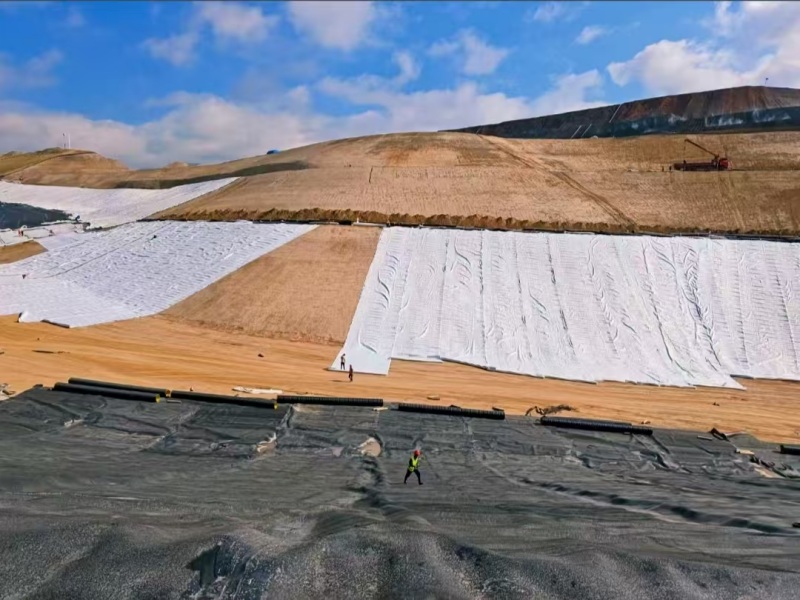
In landfill slope applications, even a high-quality HDPE geomembrane that meets international testing requirements may experience stability issues if the interface friction between layers is insufficient. Under heavy rainfall or long-term loading conditions, poor friction performance can increase the risk of liner movement.
For this reason, textured HDPE geomembrane is often specified for slope areas, as its textured surface improves friction resistance and helps enhance the stability of the overall liner system.
Role of Geotextile in Soil Stabilization and Drainage Control
In road construction, railway foundations, and other civil engineering projects, geotextile plays an essential role in improving ground stability and maintaining effective drainage. Rather than acting as a waterproof barrier, it works by separating soil layers, filtering water, and supporting the long-term performance of the pavement structure.
The primary functions of geotextile include:
Soil separation – Prevents mixing between subgrade and aggregate layers, helping maintain the structural integrity of the pavement.
Filtration – Allows water to pass through while retaining soil particles, reducing the risk of clogging within the drainage system.
Drainage improvement – Promotes the movement of excess groundwater, helping keep the subgrade stable and reducing water accumulation.
Load distribution – Improves stress distribution over weak subgrades, enhancing foundation stability and reducing differential settlement.
In soft soil areas, excessive moisture within the subgrade can gradually reduce soil strength and bearing capacity. Without an effective filtration layer, fine soil particles may migrate into the drainage system, resulting in poor drainage, increased settlement, and surface cracking over time. Properly selected geotextiles help maintain drainage performance and contribute to the long-term stability of the entire pavement structure.
Role of GCL in Environmental Containment Systems
Geosynthetic Clay Liner (GCL) is widely used as a secondary barrier in environmental engineering projects where reliable containment is essential. It consists of a layer of natural sodium bentonite encapsulated between geotextiles, forming a self-sealing barrier with extremely low hydraulic conductivity.
When exposed to water, the bentonite swells to fill small voids and minor punctures, helping maintain the integrity of the lining system. This self-sealing property makes GCL an effective complement to HDPE geomembranes in applications where additional leakage protection is required.
Typical applications include municipal solid waste landfills, hazardous waste containment, mining facilities, wastewater treatment plants, reservoirs, and environmental remediation projects. In composite liner systems, GCL is commonly installed beneath the HDPE geomembrane to provide an additional layer of protection and help reduce the risk of contaminant migration.
Compared with thick compacted clay liners, GCL requires less installation space, simplifies construction, and delivers consistent hydraulic performance. When combined with HDPE geomembrane and nonwoven geotextile, it forms a reliable multi-layer containment system designed for long-term environmental protection.
Conclusion
There is no single geosynthetic material that can meet every engineering requirement. HDPE geomembrane, nonwoven geotextile, and GCL each perform a different function, and they are often used together to achieve reliable, long-term containment.
HDPE geomembrane serves as the primary impermeable barrier, preventing the migration of water, leachate, and contaminants. Nonwoven geotextile protects the geomembrane, separates soil layers, improves filtration, and supports drainage. GCL (Geosynthetic Clay Liner) provides an additional low-permeability sealing layer, helping enhance the overall safety of the containment system.
By combining these materials, engineers can build composite liner systems that offer better environmental protection, improved structural stability, and longer service life than any single material used alone. Selecting the right combination depends on project conditions, environmental requirements, and long-term performance objectives.
Whether the project involves landfills, mining facilities, wastewater treatment plants, reservoirs, or other environmental engineering applications, a well-designed geosynthetic system remains one of the most effective solutions for reliable containment and environmental protection.




S
leave a message
Scan to Wechat/Whatsapp :




 IPv6 network supported