leave a message
If you are interested in our products and want to know more details,please leave a message here,we will reply you as soon as we can.
Technical Summary
| Item | Data |
| Project Location | Lampung, Indonesia |
| Lampung, Indonesia | Commercial Shrimp Aquaculture |
| Pond Type | Rectangular grow-out ponds |
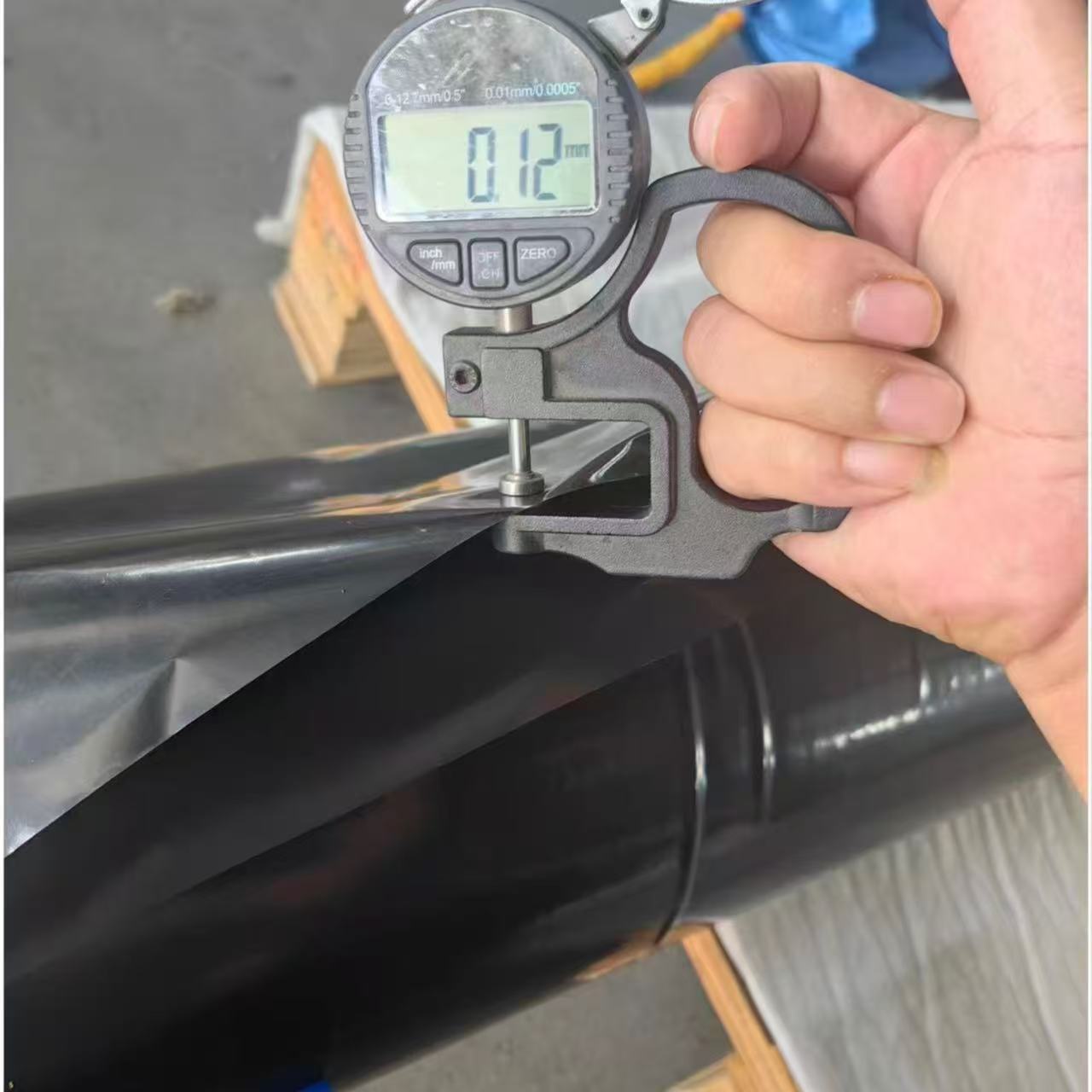
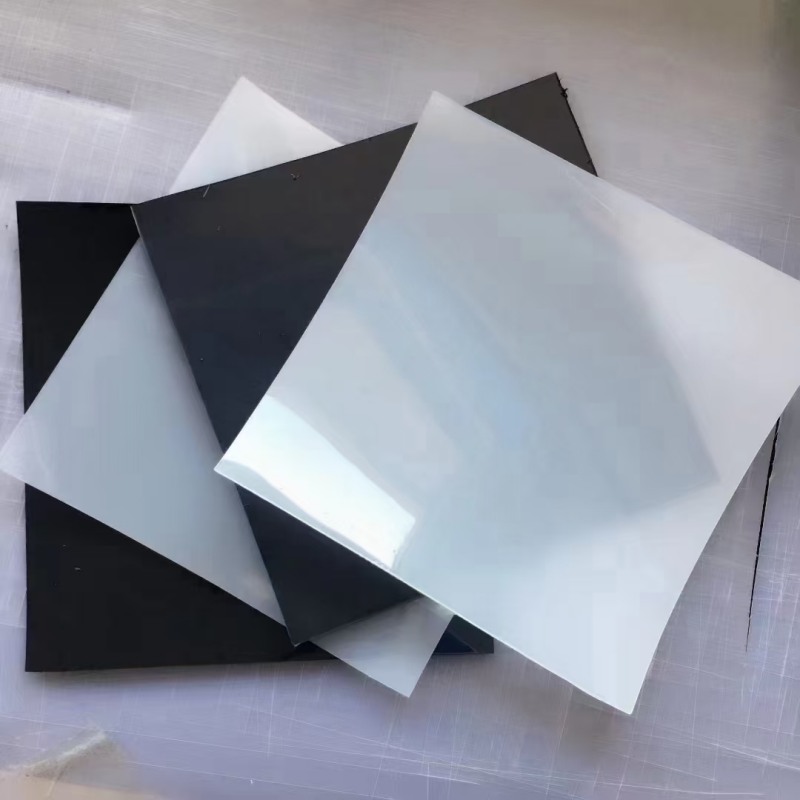
| Original Liner | 0.5mm smooth HDPE geomembrane |
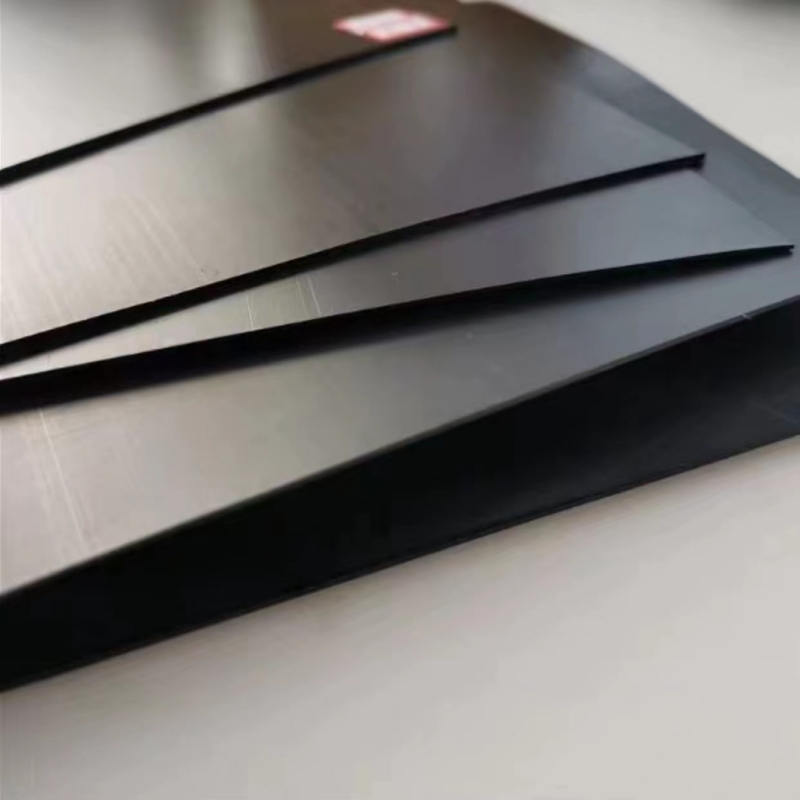
| Upgraded Liner | 0.75mm UV-stabilized HDPE geomembrane |
| Total Installed Area | 12,000 m² |
| Failure Mode | Puncture damage + UV embrittlement |
| Welding Method | Dual-track hot wedge welding |
| Project Year | 2023 |
| Key Engineering Lesson | 0.75mm minimum recommended for long-term tropical shrimp ponds |
Background
A commercial shrimp farm in Lampung, Indonesia had been operating 16 lined ponds for approximately two crop cycles using 0.5mm smooth HDPE geomembrane. After around 18 months of operation, pond 7 and pond 11 began showing abnormal water loss. Daily supplemental pumping volume increased by nearly 40%, creating additional electricity and labor costs.
Once the ponds were drained for inspection, the maintenance crew identified dozens of small punctures across the liner surface. Most damage was concentrated near walking areas and embankment transitions, where crab activity and routine maintenance tools had penetrated the liner. In several exposed sections near the crown, the liner surface had also become noticeably brittle due to continuous tropical UV exposure without shading protection.
Initial Assessment and Engineering Evaluation
The farm owner originally planned to replace only the damaged pond sections using the same 0.5mm liner in order to minimize short-term cost.
Our field engineer visited the site and conducted a basic comparative inspection between aged liner samples and new production material. Tensile retention on the exposed liner edges had visibly declined, especially in areas experiencing direct sunlight and repeated thermal cycling.
We also reviewed the operational cost impact caused by water loss. Daily supplemental pumping had already reached approximately 28–30 m³ per pond during peak periods. When electricity, labor, and downtime risk were considered together, the additional operating expense over several months was already higher than the cost difference between 0.5mm and 0.75mm liner systems.
Engineering Decision
After reviewing pond depth, subgrade conditions, and long-term operating expectations, we proposed the following upgrades:
• Replace existing liners with 0.75mm UV-stabilized HDPE geomembrane
• Use dual-track hot wedge welding with full seam air-pressure testing
• Improve edge protection by burying the exposed top 30 cm of liner beneath a compacted soil berm
• Maintain existing pond geometry without increasing structural load
We did not recommend upgrading to 1.0mm material because pond depth remained below 1.8 meters and the subgrade was relatively soft and uniform. Under these conditions, puncture resistance could already be significantly improved using 0.75mm material combined with better edge protection and installation control.
Installation and Field QA/QC
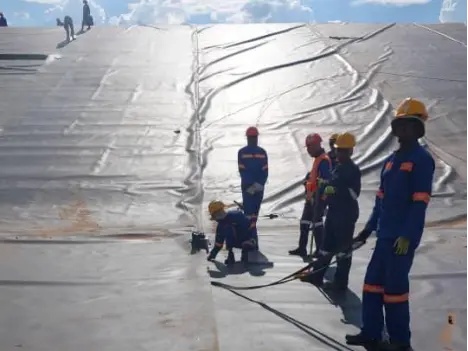
Installation took place during daytime temperatures between 32–34°C.
During the second day of welding, inconsistent bubble pressure readings appeared during seam air-channel testing on several trial sections near the southern pond edge. Inspection showed that excessive heat buildup and slower operator movement under direct sunlight were affecting seam consistency.
To stabilize seam integrity, the welding crew reduced wedge temperature to approximately 410°C and lowered welding speed to 2.0 m/min. After adjustment, seam pressure performance returned to stable levels and all tested sections passed field QA/QC inspection requirements.
These parameter adjustments were documented and shared with the local installation crew for future maintenance and expansion work.
Operational Performance After Two Years
After two full grow-out cycles, the upgraded ponds have maintained stable water levels with no abnormal leakage beyond expected evaporation rates.
Farm maintenance records also indicated improved feeding stability and more consistent aeration performance after the leakage problem was eliminated. Operational management became easier because pond water volume remained significantly more stable throughout each cycle.
No additional puncture repairs have been required since installation.
Engineering Lesson
In tropical Southeast Asian shrimp farming environments, 0.5mm HDPE geomembrane should generally be limited to temporary or short-cycle ponds with shading protection.
For commercial ponds expected to operate continuously beyond 12 months, 0.75mm HDPE is typically the more reliable minimum specification. Even a relatively small increase in liner thickness can significantly improve puncture resistance, seam stability, and long-term UV durability.
Equally important, exposed liner edges should always receive basic UV protection. In this project, a simple compacted soil berm provided effective protection without increasing material cost.
Long-term liner performance depends not only on material thickness, but also on installation quality, edge detailing, UV exposure management, and field welding control.
Have a similar project? Talk to our engineer — send a site photo or soil report.
leave a message
Scan to Wechat/Whatsapp :



 English
 Français
 Deutsch
 Русский
 Español
 Português
 عربي
عربي Tiếng Việt
 Indonesia
 हिन्दी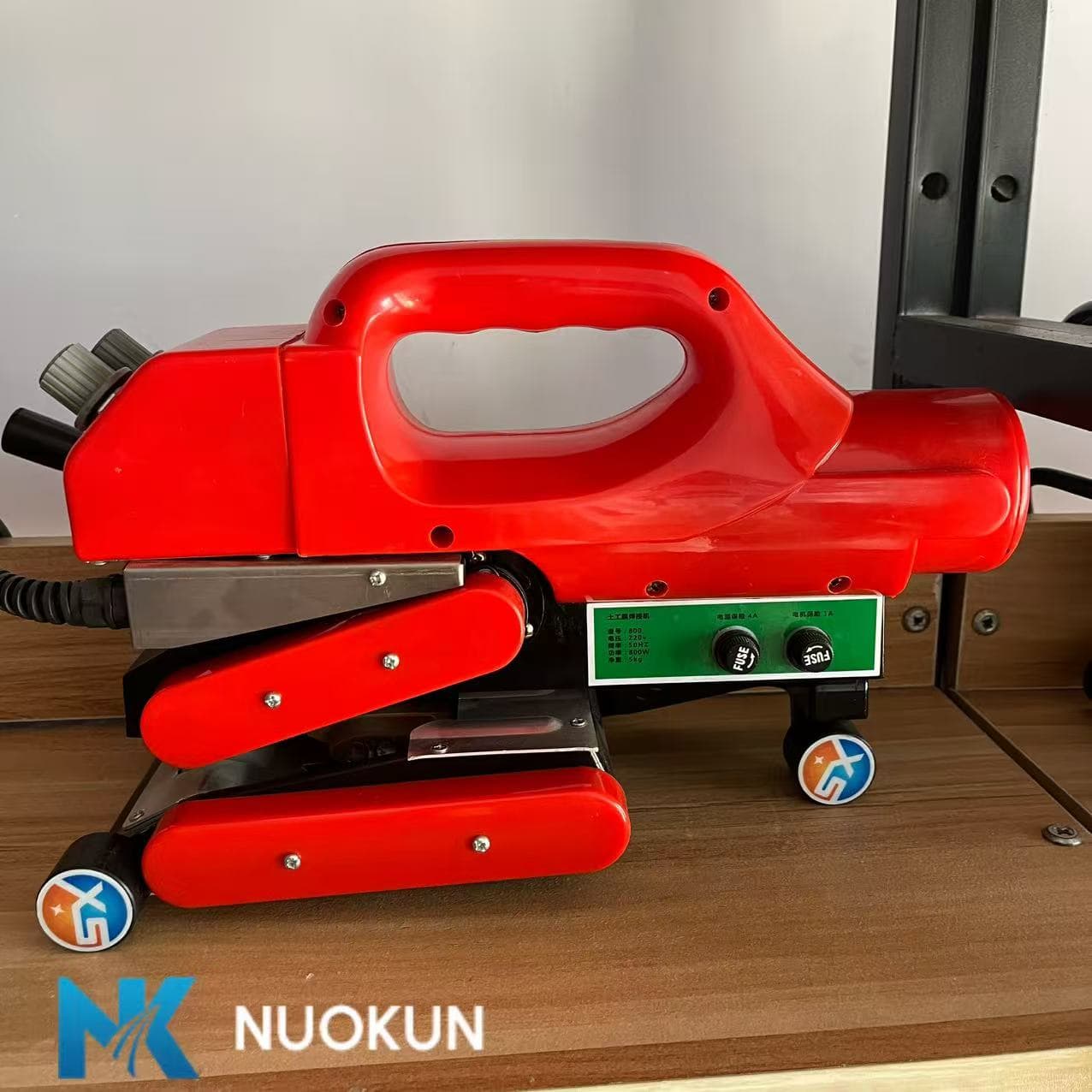


 IPv6 network supported