leave a message
If you are interested in our products and want to know more details,please leave a message here,we will reply you as soon as we can.
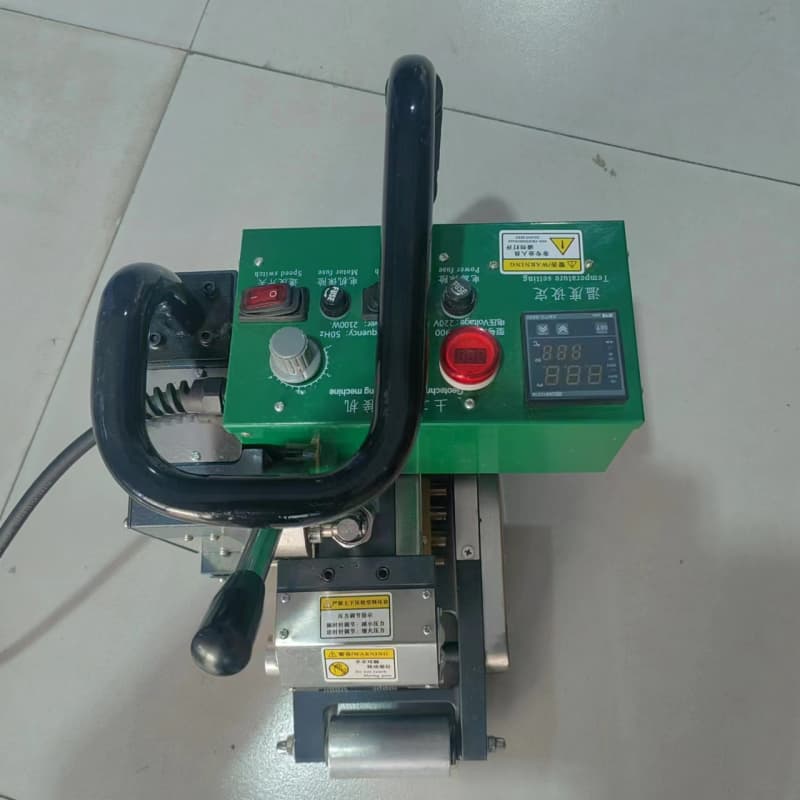
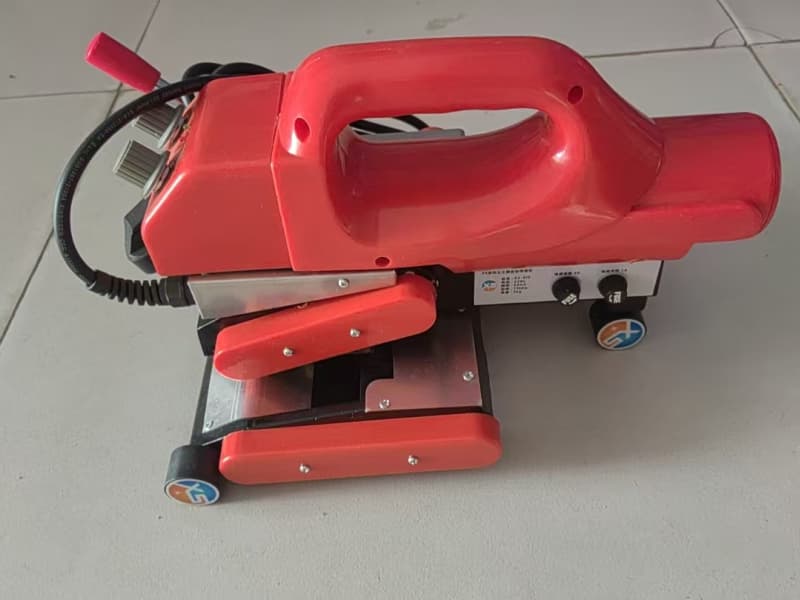
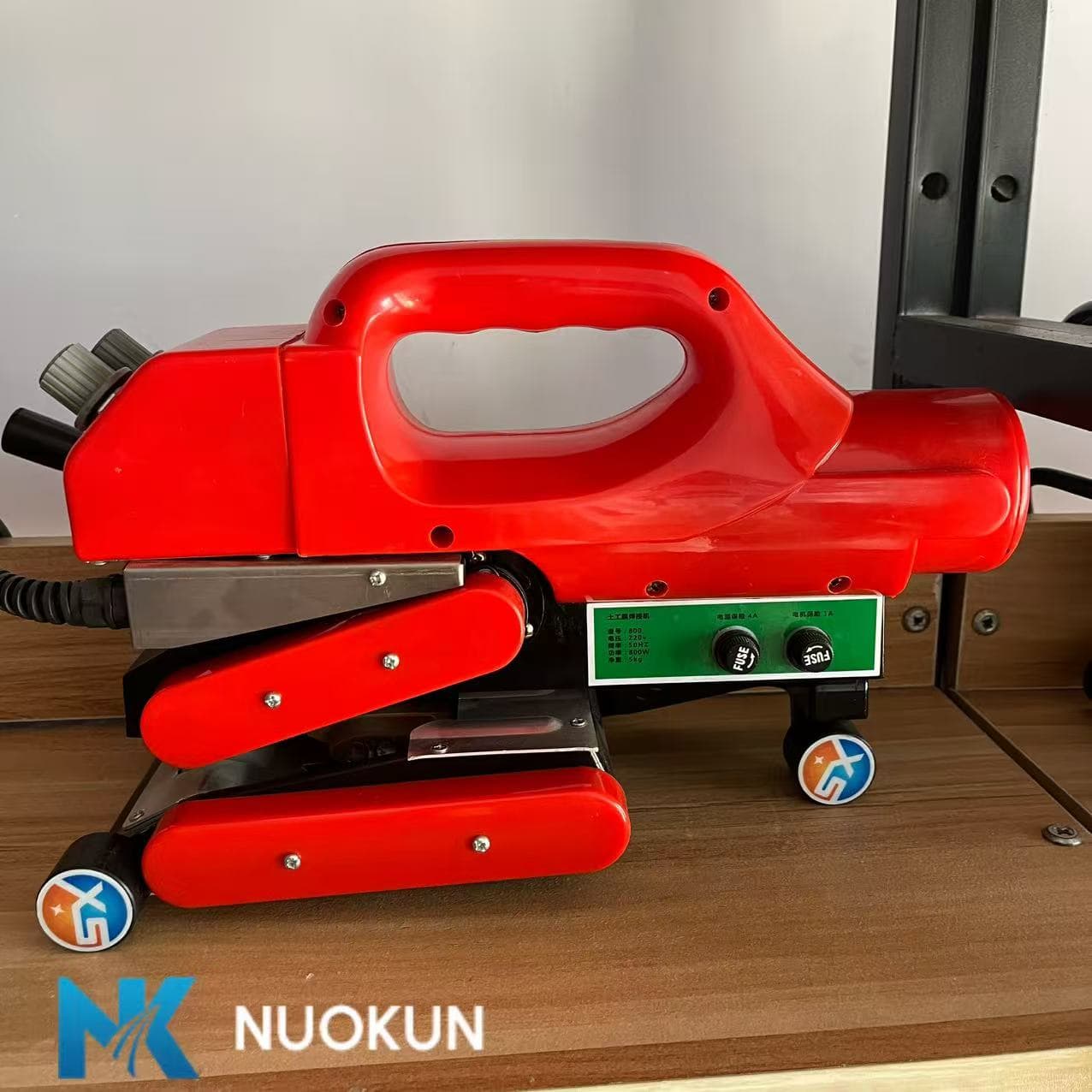
Automatic Geomembrane Welding Machine for HDPE and LLDPE Liner Installation
Anyone who has welded geomembrane manually for a full day knows the problem. It’s slow, tiring, and seam quality depends way too much on the operator.
Most crews switch to automatic welders pretty quickly once the seam lengths start getting serious. Landfills, mining ponds, reservoirs, shrimp farms— if there are long seams involved, automatic wedge welders usually become the better option.
And nobody wants to repair liner seams after the system is already filled.
Payment :
FOB (Can communicate and negotiate)Product Origin :
ChinaShipping Port :
Qingdao
How the machine actually works
The basic idea is simple.
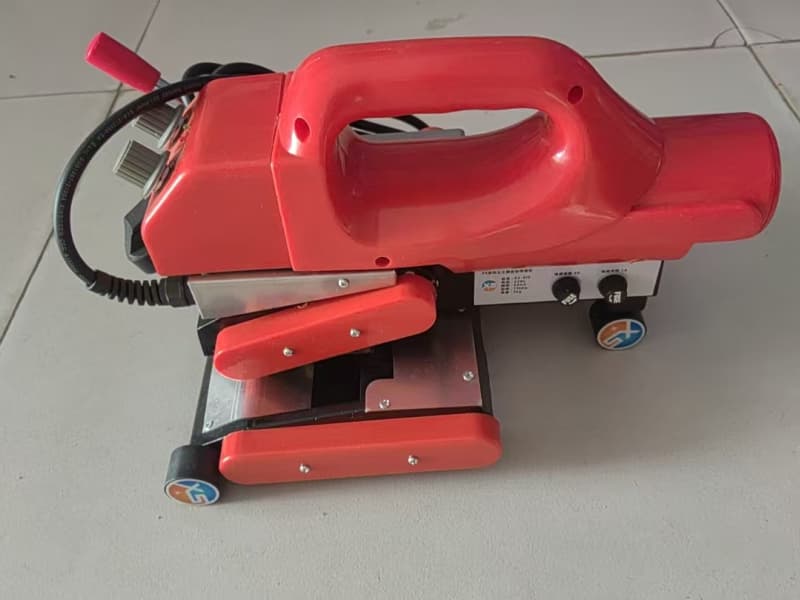
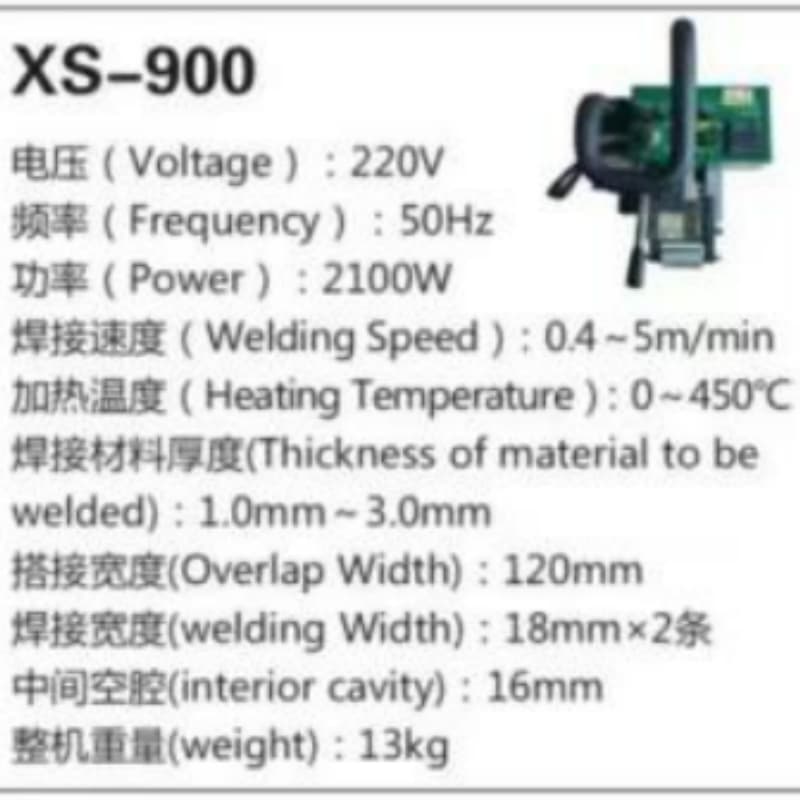
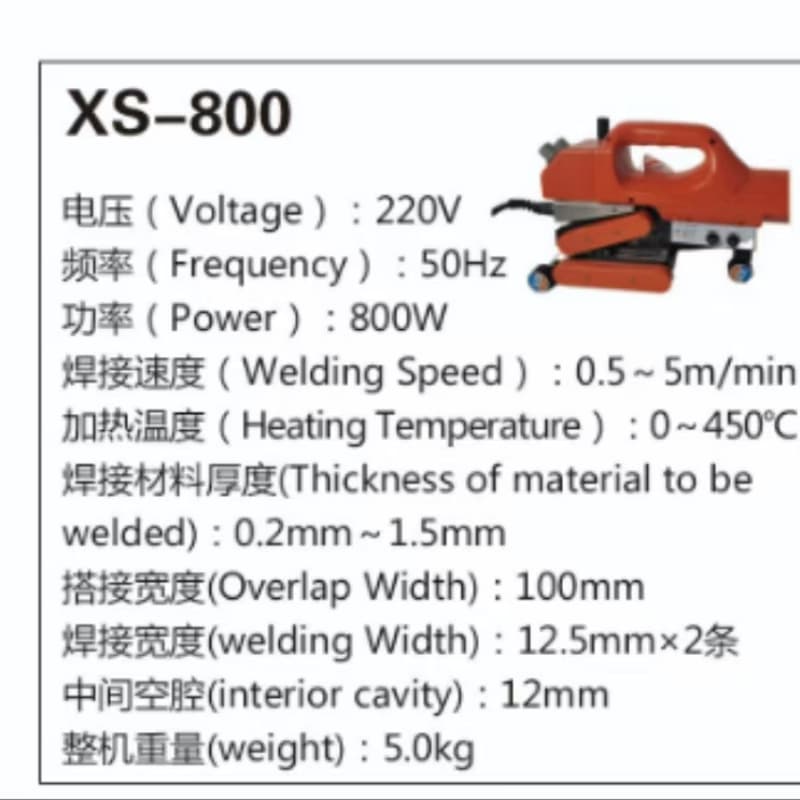
The machine moves along the overlap between two liner sheets. Inside, a heated wedge melts the material while pressure rollers press both sheets together.
Most machines create a dual-track seam with a small air channel in the middle. That allows crews to pressure test the seam immediately after welding. Sounds small, but on large projects it saves a lot of time.
Compared with handheld extrusion welding, automatic welders are usually faster and much more consistent.
Where automatic welders are commonly used
You’ll see them on:
• Landfill liner systems
• Mining tailings ponds
• Aquaculture pond construction
• Reservoir waterproofing projects
• Wastewater lagoons
• Canal lining systems
Some mining projects involve kilometers of welding work. Doing all of that manually gets old very quickly.
Why seam quality matters so much
A lot of liner failures don’t actually start with the geomembrane itself. The weak point is usually the seam.
Too much heat and you burn the liner. Too little and the seam never fully bonds. Wind, dust, moisture, liner temperature — field conditions change constantly, especially outdoors.
You still need experienced operators, but the consistency with automatic welders is usually much better.
Things that affect welding performance
Even good equipment won’t save a bad setup.
The biggest problems are usually:
• Dust or moisture between sheets
• Incorrect welding temperature
• Welding too fast
• Uneven overlap alignment
• Cold weather or sudden temperature drops
Dust is a killer for seam quality. Especially on windy mining sites.
We’ve also seen crews run perfect welds in the morning and fail seam tests later in the afternoon because liner temperatures changed under direct sunlight.
That happens more often than people think.
Real project: copper mine in South America
On a copper mining project in South America, contractors used automatic wedge welders to install textured HDPE liners across a large tailings containment area.
The site had:
• Steep slopes
• Long welding distances
• Large daytime temperature swings
• Strict seam testing requirements
Crews performed continuous test welds throughout the day because welding conditions kept changing with the weather.
After installation, both air pressure testing and vacuum testing were used to verify seam integrity before the containment area went into service.
How to choose the right welding machine
Before buying or renting equipment, most contractors look at:
• Compatible liner thickness range
• Heating stability
• Welding speed
• Generator compatibility
• Ease of repair on site
• Spare parts availability
Fast welding speed sounds great on paper. But on mining and landfill jobs, reliability usually matters more.
Downtime on remote projects gets expensive fast.
FAQs
What materials can automatic welders handle?
Most machines are designed for HDPE, LLDPE, PVC, and other thermoplastic liners.
What’s the difference between wedge welding and extrusion welding?
Wedge welding is mainly used for long straight seams. Extrusion welding is more common for repairs, corners, and detail work.
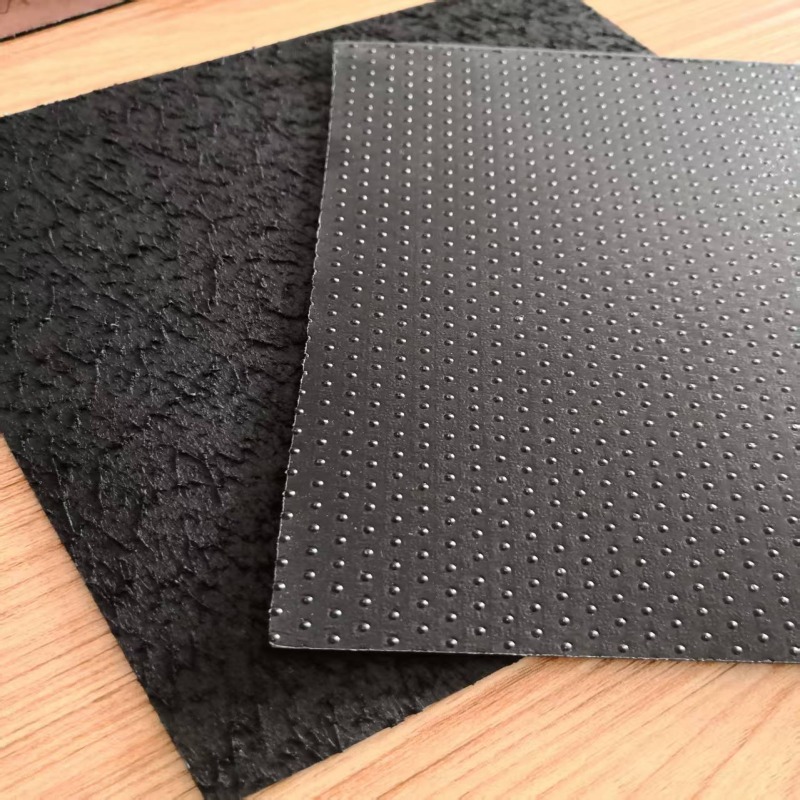
Can textured geomembrane be welded?
Yes. But crews usually adjust heat and pressure settings depending on liner texture and weather conditions.
Why is seam testing important?
Because a liner system is only as good as its seams. Bad seams eventually leak.
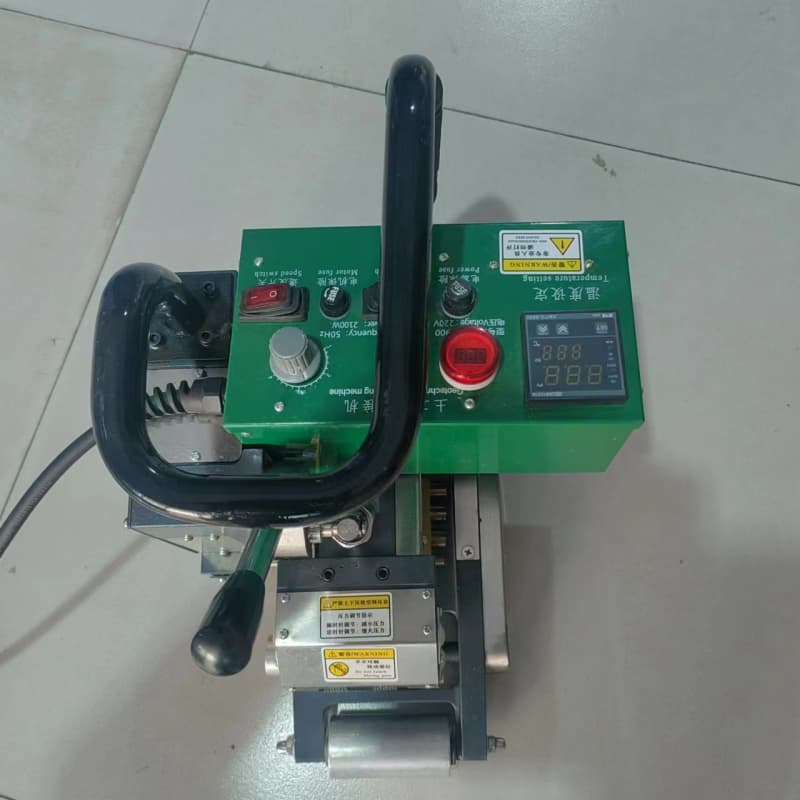
Product display
 |
 |
 |
 |
 |
leave a message
Scan to Wechat/Whatsapp :



 English
 Français
 Deutsch
 Русский
 Español
 Português
 عربي
عربي Tiếng Việt
 Indonesia
 हिन्दी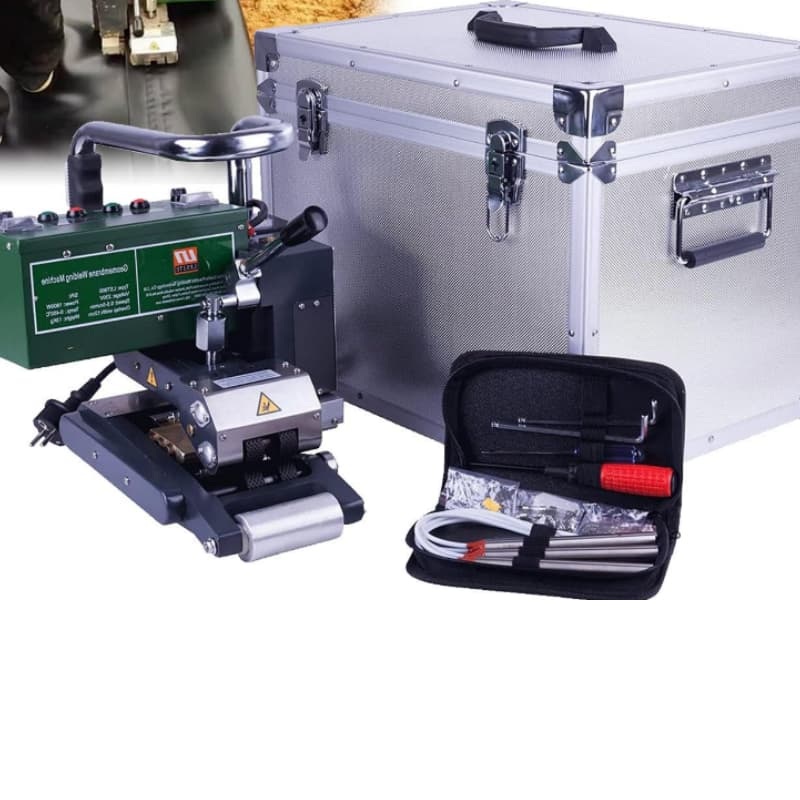


 IPv6 network supported