
leave a message
If you are interested in our products and want to know more details,please leave a message here,we will reply you as soon as we can.

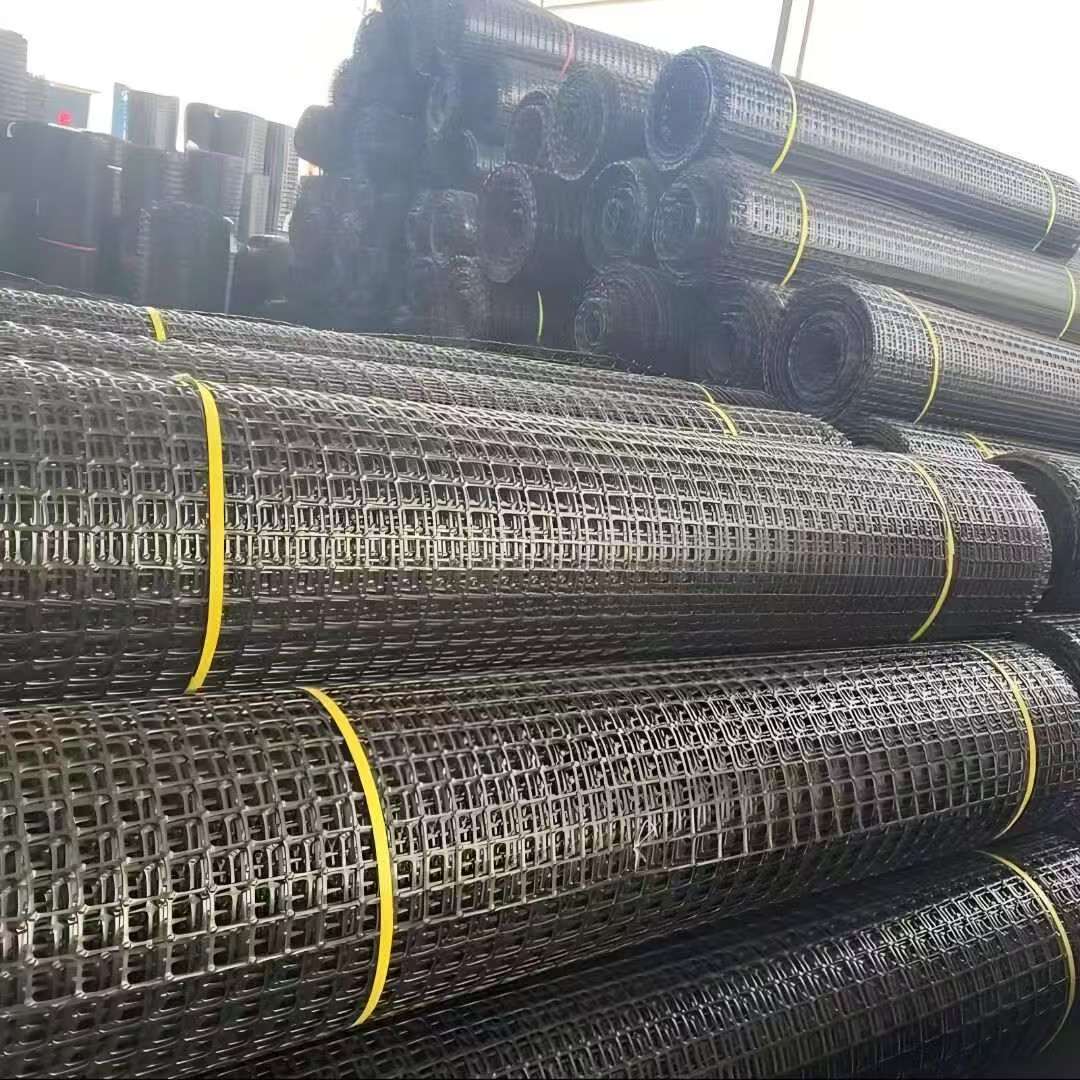
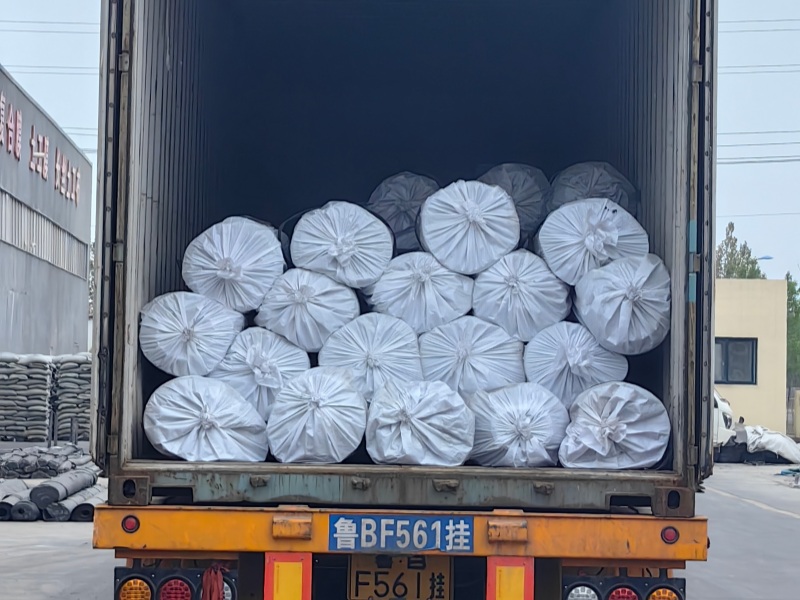
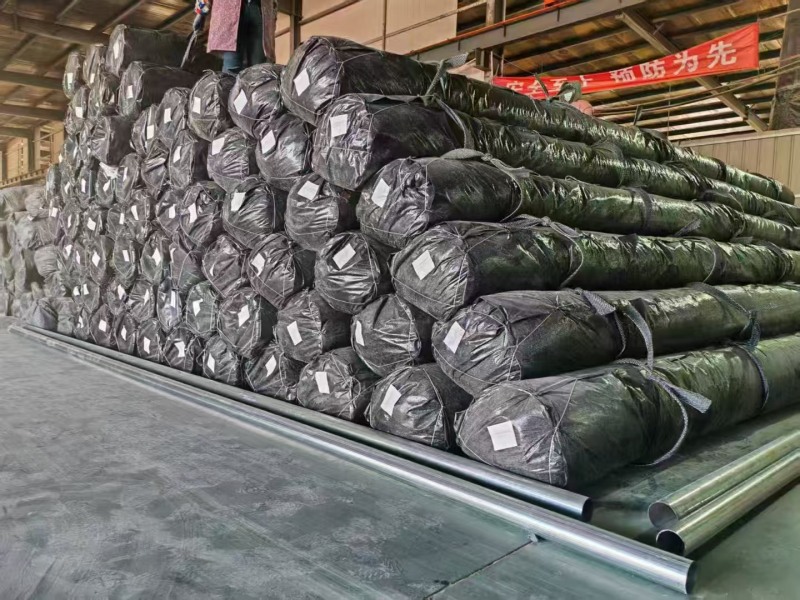
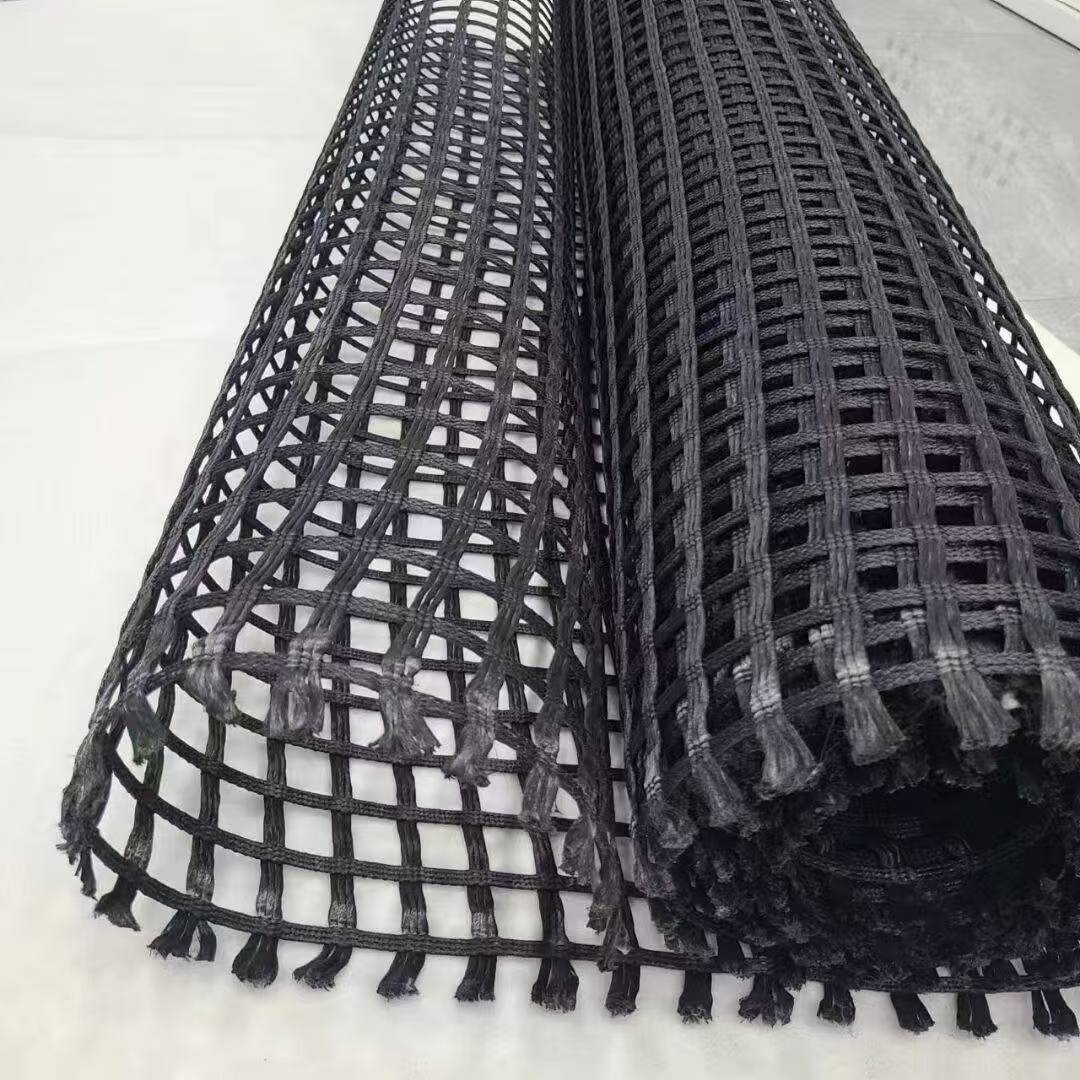
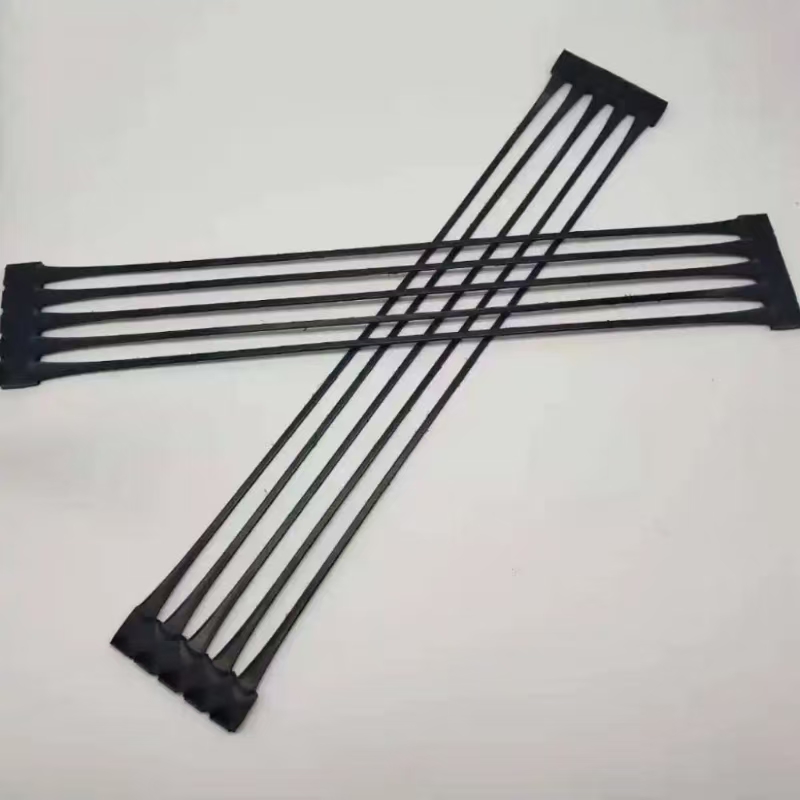
Biaxial Plastic Geogrid for Improved Bearing Capacity and Subgrade Stability
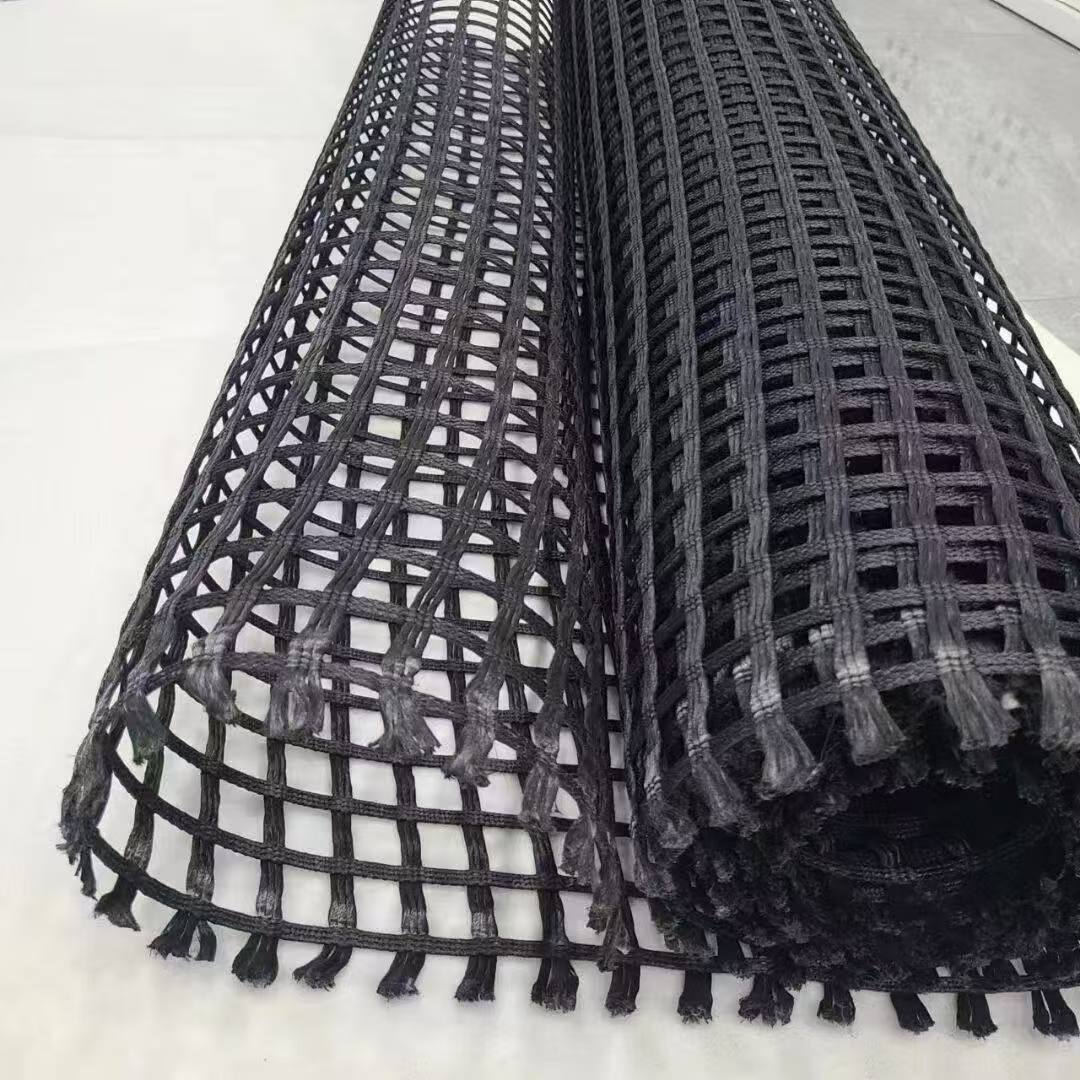
Biaxial Plastic Geogrid is a grid product with uniform longitudinal and transverse mesh sizes producted by extrusion traction process using polymers and nanoscale carbon black as the main raw materials. It is mainly designed for road construction, ground improvement, slope reinforcement, and retaining structures.
In road and ground engineering, subgrade strength, fill stability, and deformation under applied loads all influence the performance of the finished structure. When properly designed and installed, a biaxial geogrid can improve the interaction between the reinforcement and surrounding aggregate, contributing to better load distribution and stability within the reinforced zone.
Color :
Black (Customizable)Specifications :
TGSG1515, TGSG2020, TGSG2525, TGSG3030, and so onWidth :
4m (Customizable)Length :
50-100m (Customizable)Lead Time :
7-14 days after deposit paymentOrder(MOQ) :
2000㎡Payment :
FOB (Can communicate and negotiate)Product Origin :
ChinaShipping Port :
Qingdao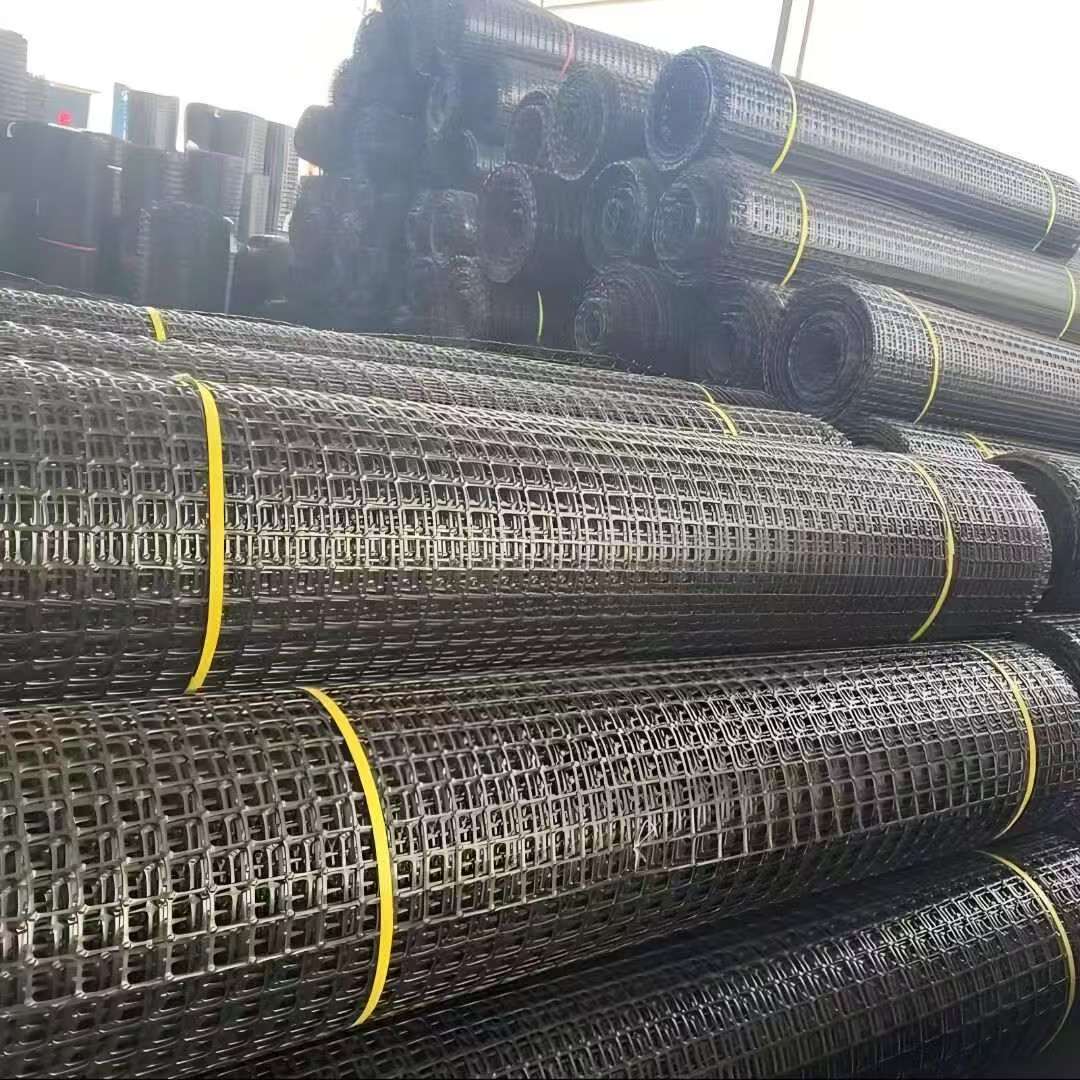
What is Biaxial Plastic Geogrids?
Biaxial plastic geogrid is a geosynthetic reinforcement product with grid structures in two principal directions. It is commonly considered for applications where reinforcement performance in both directions is relevant to the design.
Its function relies primarily on the interaction between the grid structure and the surrounding soil or aggregate.
When traffic, equipment, or other external loads act on a pavement or fill structure, the aggregate may move laterally or undergo localized deformation. A properly positioned biaxial geogrid can interact with the surrounding fill through mechanical interlocking and restraint, limiting aggregate movement and improving the behavior of the reinforced zone.
| Item | Tensile strength (KN/m) |
Tensile strength at 2% elongation (KN/m) |
| TGSG1515 | ≥15 | ≥5 |
| TGSG2020 | ≥20 | ≥7 |
| TGSG2525 | ≥25 | ≥9 |
| TGSG3030 | ≥30 | ≥10.5 |
| TGSG3535 | ≥35 | ≥12 |
1. Improved Subgrade Stability
Road subgrades may experience aggregate movement, localized deformation, and differential settlement under repeated traffic loading. When the product is appropriately selected and incorporated into the design, biaxial geogrid can interact with the surrounding fill to improve the stability of the reinforced zone.
2. Support for Load Distribution
Loads from vehicles and equipment are transferred through the pavement and base layers toward the underlying ground. biaxial geogrid can work with the surrounding aggregate to improve load distribution within the reinforced structure. The actual effect depends on the geogrid properties, aggregate thickness and grading, subgrade conditions, and pavement design. Therefore, the geogrid should be treated as one component of an engineered system rather than as a standalone solution.
3. Ground Reinforcement Applications
Some projects involving soft soils or relatively weak subgrades require a combination of ground treatment, fill improvement, and geosynthetic reinforcement to manage deformation and improve structural performance. Biaxial geogrid may be used in suitable ground reinforcement applications in combination with appropriate fill and other ground treatment measures.
4. Versatility Across Infrastructure Projects
Depending on the design requirements, biaxial geogrids can be considered for highways, railways, airport pavements, parking areas, port yards, embankments, and other soil reinforcement applications.
5. Compatibility with Construction Methods
Biaxial geogrids can be cut, laid, overlapped, or connected to meet the project design and product instructions. During installation, the material should be kept reasonably flat and protected against unnecessary folding, damage, or displacement.
1. Highway and Road Subgrade Reinforcement
Biaxial geogrids can be used in suitable road subgrade and base reinforcement applications. Through interaction with surrounding aggregate, they restrain lateral movement and improve the stability of the reinforced zone. Potential applications include new highways, industrial access roads, construction roads, and other transportation infrastructure.
2. Railway Subgrade Projects
Railway subgrades are subjected to train loads and repeated loading over their service life. Where the engineering design calls for soil reinforcement, a suitable biaxial geogrid may be considered. Railway projects often have defined requirements for deformation control, material properties, and construction quality. Product parameters should be confirmed against the project drawings and applicable standards before procurement.
3. Airport Pavements and Parking Areas
Airport pavements, parking areas, and large paved surfaces require base and foundation systems designed around the anticipated loads and ground conditions. Biaxial geogrid may be incorporated into these systems as a reinforcement component, working with suitable aggregate and pavement layers.
4. Soft Ground and Embankment Construction
In selected soft ground and embankment projects, a biaxial geogrid can restrain fill movement and improve the stability of the reinforced zone.
5. Embankment and Slope Reinforcement
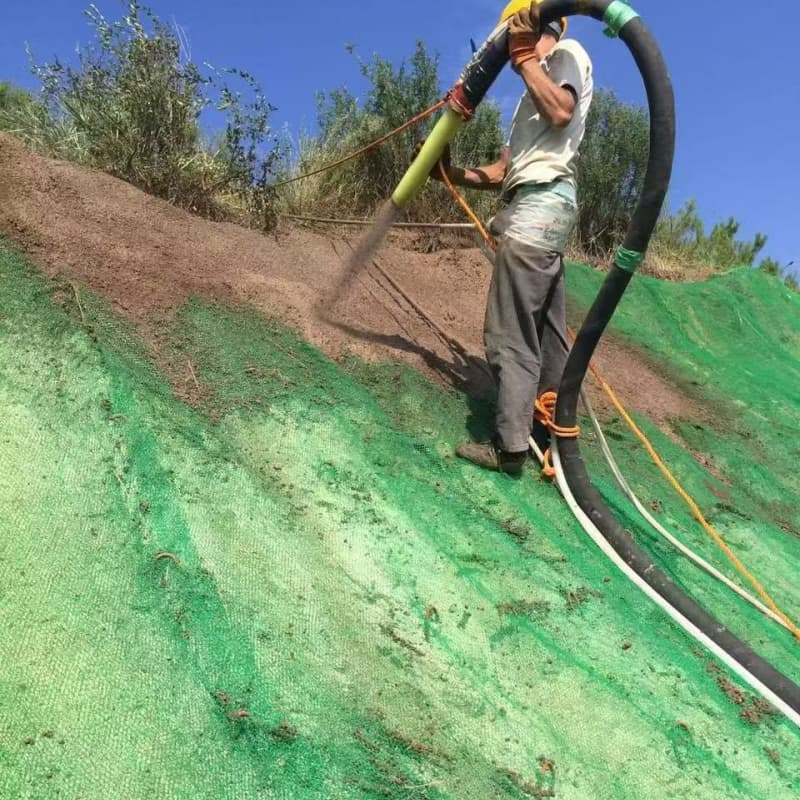
Biaxial geogrids may be used in suitable embankment, fill, and reinforced slope structures when specified by the engineering design. Their interaction with the surrounding soil can contribute to the stability of the reinforced structure. Slope design must consider gradient, soil properties, groundwater, drainage, and external loading. Where the risk of slope failure is significant, an appropriate stability analysis and reinforcement design are required. For slopes requiring vegetation establishment or surface erosion control, a three-dimensional geonet, geotextile, or other erosion control material may also be considered, depending on project requirements.
6. Port Yards and Heavy-Duty Industrial Areas
Port yards, logistics centers, and large freight areas may experience heavy vehicle loading and challenging ground conditions. Biaxial geogrids can be considered for base or ground reinforcement as part of the overall pavement design.
 |
 |
 |
 |
 |
 |
 |
 |
Q1: What guarantees do you get when you choose us?
Certification guarantee: ISO 9001/GRI GT13(17).
Product Specifications: GB/T17689-2008.
Professional Project Support: technical team reviews your project drawings and specifications to develop tailored solutions and customize product specifications to meet your project’s specific requirements.
After-Sales Service: provide the required documents promptly, offer professional online engineering and technical support and so on.
Q2: What is a biaxial geogrid mainly used for?
Biaxial geogrids are commonly suitable for reinforcing dikes and embankment, slope protection, wall reinforcement, foundation reinforcement of large airprot, parking, terminal freight yard.
Q3: Can a biaxial geogrid be used in retaining walls?
Biaxial geogrids may be suitable for certain reinforced soil and ground reinforcement applications. However, retaining wall design must consider the structural system, primary load direction, and design requirements. Suitability should be confirmed against the relevant technical specifications.
leave a message
Scan to Wechat/Whatsapp :



 English
 Français
 Deutsch
 Русский
 Español
 Português
 عربي
 Tiếng Việt
 Indonesia
 हिन्दी










 IPv6 network supported