leave a message
If you are interested in our products and want to know more details,please leave a message here,we will reply you as soon as we can.

Geomembrane Butyl Tapes | Sealing & Repair for HDPE/LLDPE Liner
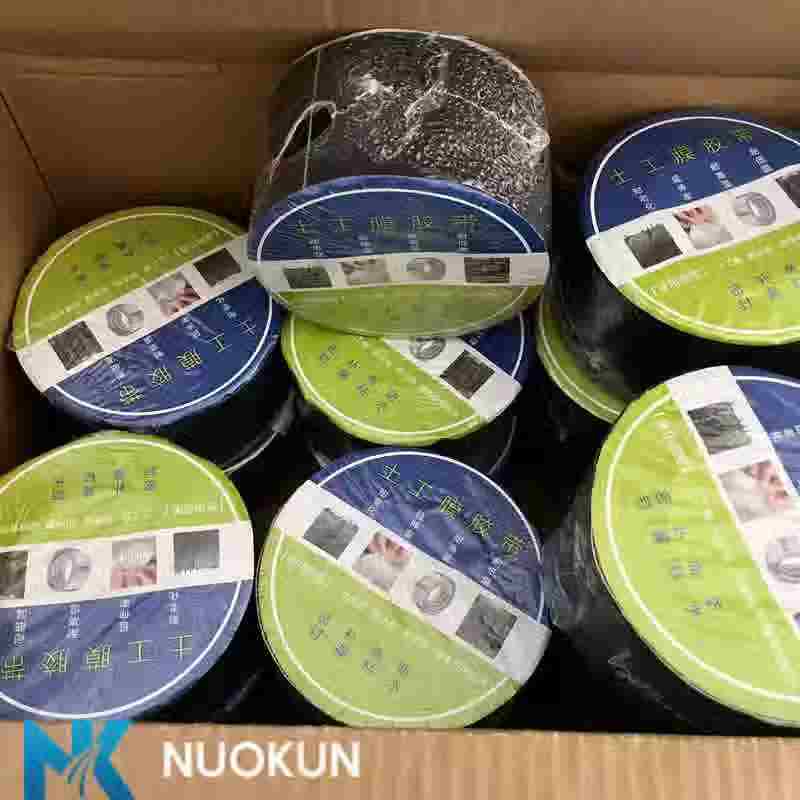
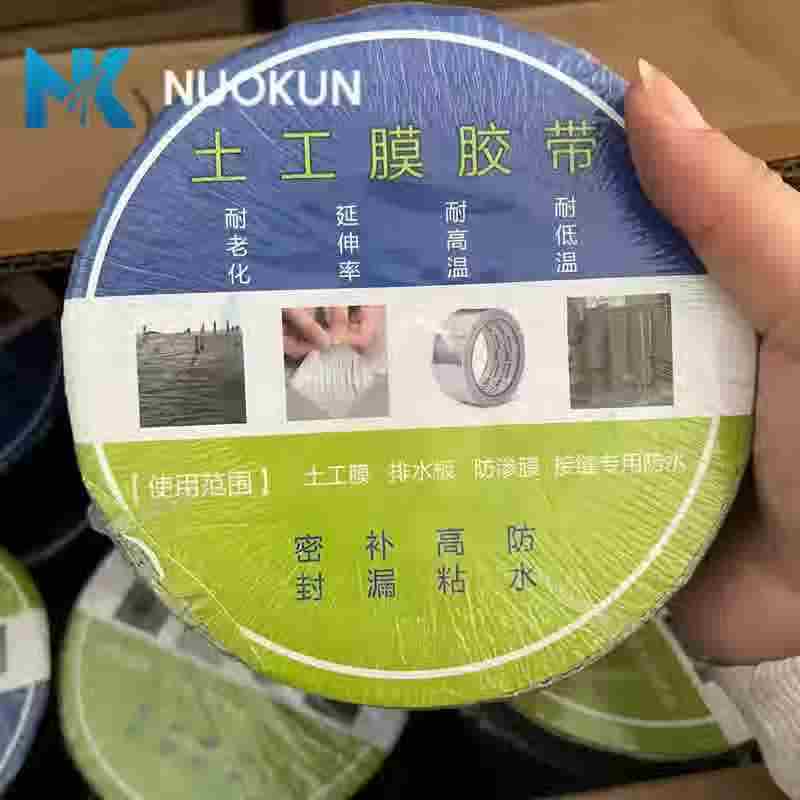
Geomembrane Butyl Tape is a flexible sealing material designed for auxiliary waterproofing, joint sealing, and localized repair in compatible geomembrane systems. It is mainly used around liner edges, pipe connections, overlaps, and other areas where additional sealing is required.
There are different ways to seal and join geomembranes. Geomembrane butyl tape is used mainly for auxiliary sealing, geomembrane welding machines are used to heat-weld liner sheets, and KS Hot Melt Adhesive uses adhesive bonding.
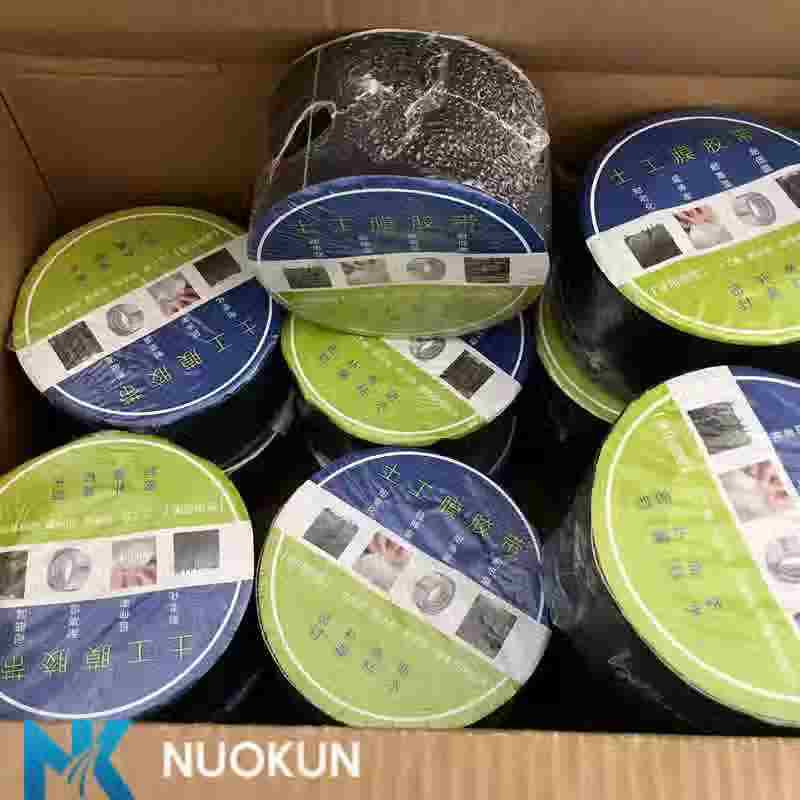
Color :
BlackWeight :
0.8kgLead Time :
7-14 days after deposit paymentOrder(MOQ) :
20Rolls /1BoxPayment :
FOB (Can communicate and negotiate)Product Origin :
ChinaShipping Port :
Qingdao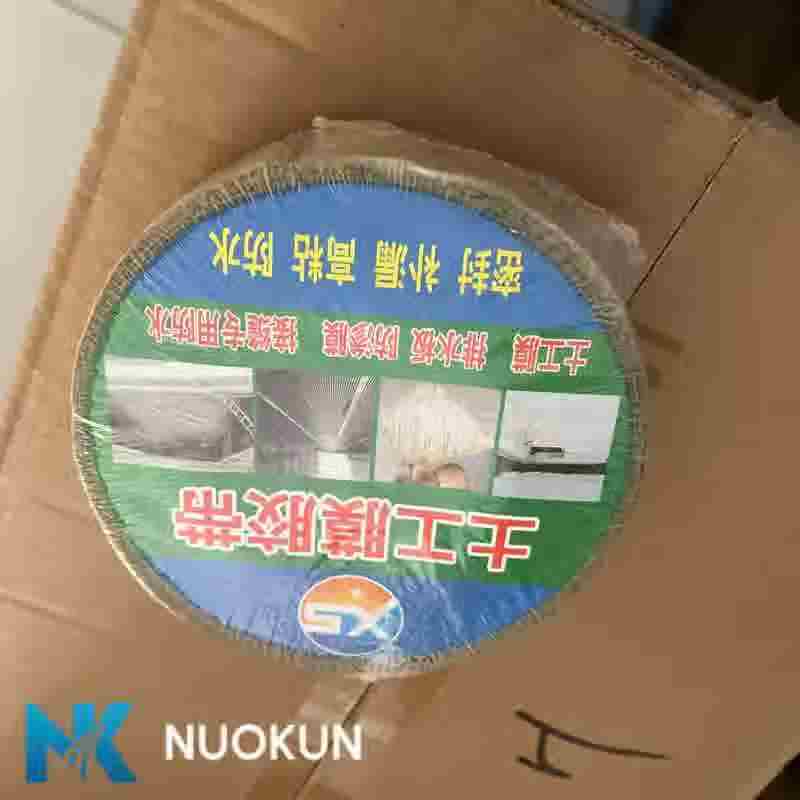
Geomembrane Butyl Tapes
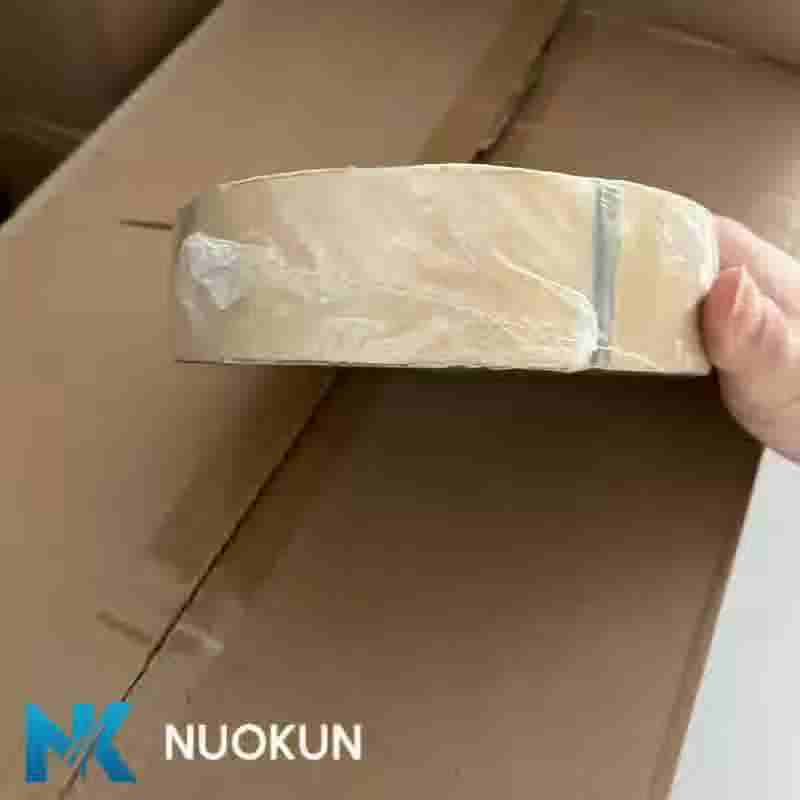
Geomembrane Butyl Tape is a flexible sealing material designed to seal joints, edges, overlaps, and selected repair areas in compatible geomembrane lining systems. It typically uses butyl rubber as its adhesive or sealing layer, combined with a protective release liner that is removed during installation.
In geomembrane applications, sealing quality is an important part of maintaining the overall integrity of a waterproofing system. Small gaps around edges, connection points, penetrations, and accessory components can become potential leakage paths if they are not properly treated.
Geomembrane butyl tape provides a convenient sealing option for suitable connection details and localized repairs, reducing the risk of water leakage when correctly selected and installed.
1. Reduce the Risk of Leakage at Connection Points
During geomembrane installation, certain areas may involve connections between the liner and pipes, concrete structures, metal components, or other waterproofing materials. If these connection details are not properly sealed, water may find a path through small gaps. Compatible butyl sealing tape can close suitable gaps and improve the sealing performance of these connections.
2. Support Localized Repair and Maintenance
Geomembrane liners may experience localized damage during transportation, handling, installation, or long-term operation. Butyl tape may be used as part of an approved repair detail for compatible substrates. It can also provide additional sealing around certain accessories and connection points.
3. Improve Sealing Around Complex Structures
Geomembrane projects often include details that are more complicated than flat liner surfaces, such as:
These locations require careful treatment because they involve different materials and structural interfaces. Butyl tape provides a continuous sealing layer around selected connection details.
4. Simplify Certain Installation and Maintenance Tasks
Butyl tape is generally supplied in convenient rolls and does not require a specialized welding machine for basic application. After the surface has been properly prepared, installers can cut the tape to the required length, remove the release liner, and apply it to the designated area to meet the manufacturer's instructions.
5. Maintain Long-Term Waterproofing Performance
A geomembrane containment system is expected to provide reliable leakage control throughout its service life. Poorly sealed connection points can increase the risk of leakage, maintenance work, and operational interruptions. Using the correct sealing materials for suitable applications maintains the overall integrity of the lining system.
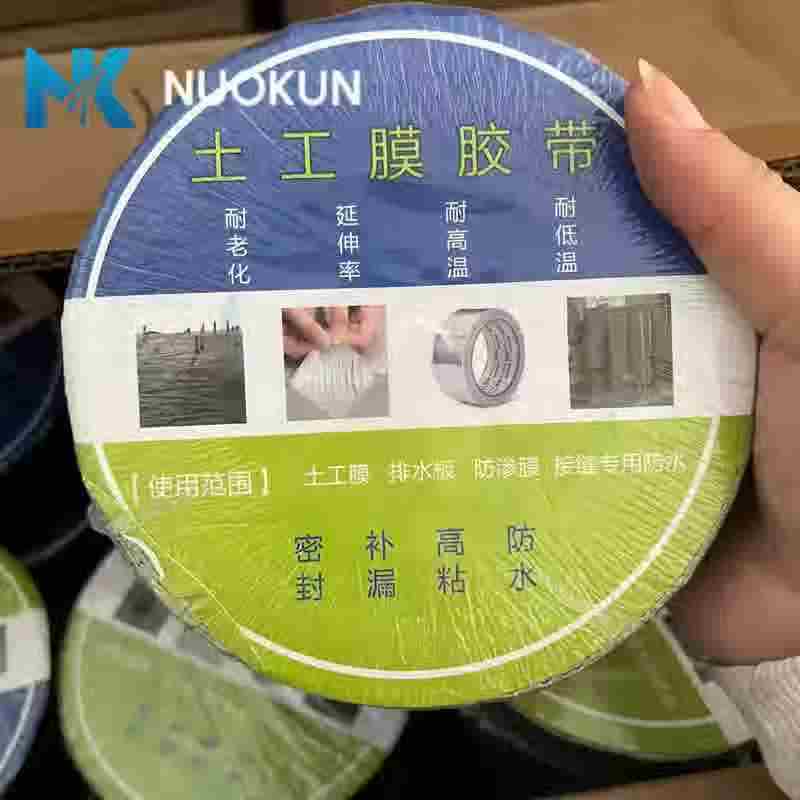
1. Geomembrane Butyl Tape
Geomembrane butyl tape is a flexible sealing material generally made with a butyl rubber-based adhesive layer. It is mainly used for auxiliary waterproofing around selected connections, edges, pipe penetrations, and other compatible structural details. It is convenient to apply and does not normally require a welding machine.
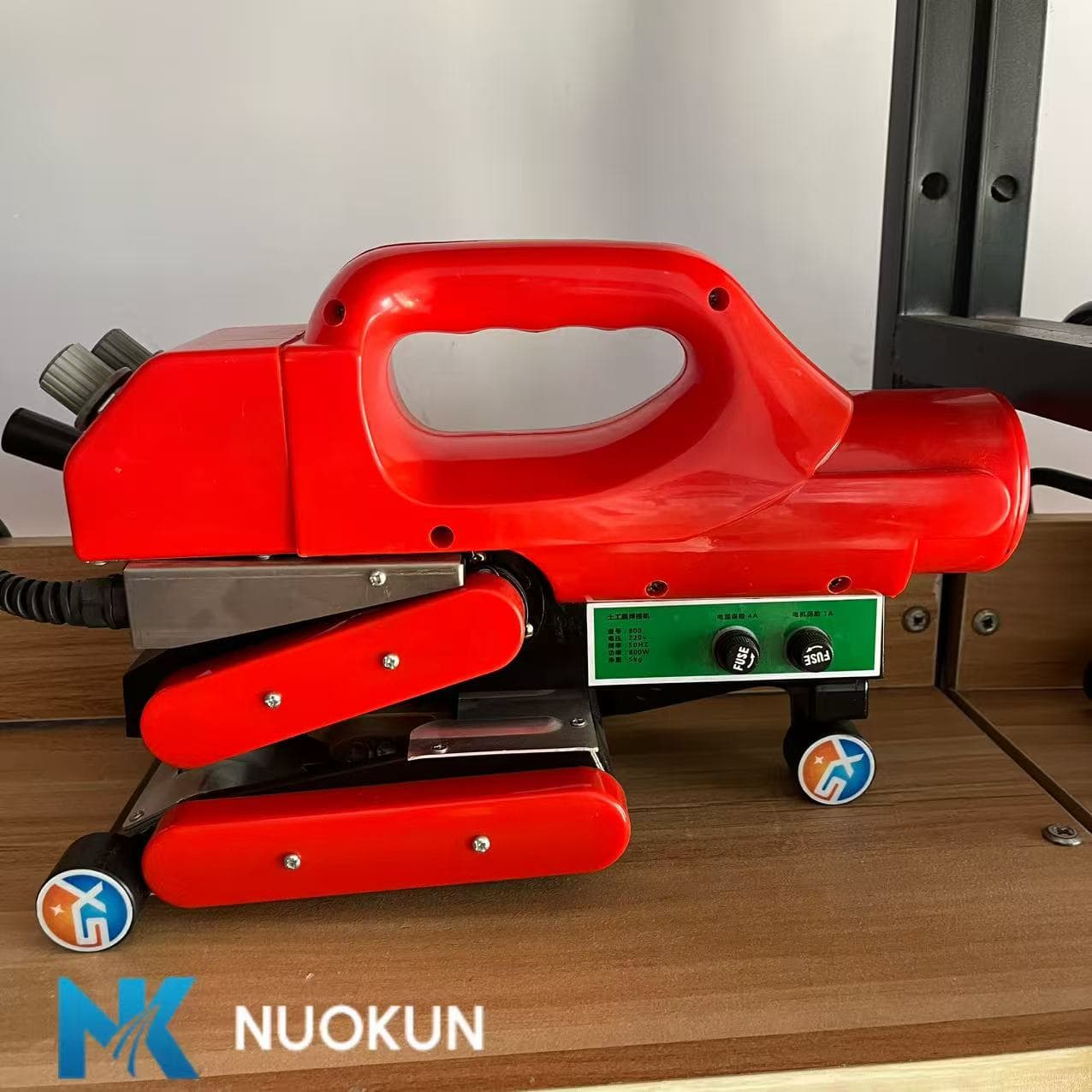
2. Geomembrane Welding Machine
A geomembrane welding machine is professional equipment used to join geomembrane sheets through thermal fusion. Welding is the primary joining method for HDPE geomembrane installation in applications such as landfills, reservoirs, mining facilities, and other projects.
Common equipment includes:
3. Geomembrane KS Hot Melt Adhesive
KS Hot Melt Adhesive is an adhesive material that forms a bond after being heated and applied to suitable surfaces. Unlike geomembrane welding, it relies on adhesive bonding rather than direct thermal fusion between two polymer sheets.
Geomembrane butyl tape can be considered for selected sealing and maintenance details in compatible waterproofing systems.
Common application areas include:
Q1: Can geomembrane butyl tape repair holes or tears?
For small, non-critical defects, a compatible tape may be considered as part of an approved temporary or auxiliary sealing method. For holes, cuts, tears, and damaged areas in HDPE or LLDPE geomembranes, the recommended approach is generally to use a compatible geomembrane patch and extrusion welding, followed by the required inspection and testing. Tape alone should not be assumed to provide a permanent and structurally reliable repair.
Q2: What Is the Difference Between Ordinary Adhesive Tape and Geomembrane Butyl Tape?
Ordinary adhesive tape is generally designed for everyday uses such as packaging, bundling, and temporary fixing. It may lose adhesion when exposed to moisture, temperature changes, or outdoor conditions over time.
Geomembrane butyl tape is designed for specialized sealing applications. It uses a butyl rubber-based sealing layer that provides flexibility, water resistance, and sealing performance when applied to compatible surfaces. It is intended for selected joints, edges, and connection details in waterproofing and geomembrane systems.
Q3: What is geomembrane butyl tape used for?
Geomembrane butyl tape is used for auxiliary sealing in compatible waterproofing systems. Typical applications include liner connections, edge details, pipe penetrations, accessory installations, and localized maintenance work. It reduces the risk of water leakage through suitable gaps and connection areas
leave a message
Scan to Wechat/Whatsapp :



 English
 Français
 Deutsch
 Русский
 Español
 Português
 عربي
 Tiếng Việt
 Indonesia
 हिन्दी



 IPv6 network supported