leave a message
If you are interested in our products and want to know more details,please leave a message here,we will reply you as soon as we can.

High Strength PP Woven Geotextile Fabric is a reliable reinforcement solution designed to improve the stability and durability of modern infrastructure projects. Used beneath highways, dams, ports, and other heavy-duty construction areas, Nuokun Geo’s woven geotextile provides effective separation, reinforcement, and ground stabilization between different soil layers and aggregate materials.
Manufactured from high-tenacity polypropylene yarns, our woven geotextile fabric delivers excellent tensile strength, low elongation, and long-term resistance to demanding site conditions. It helps prevent soil and aggregate mixing, improves load distribution, and reduces issues such as rutting and differential settlement. By creating a stronger foundation layer, it supports longer-lasting roads, stable embankments, and more reliable civil engineering structures.
Weight :
100-800gWidth :
1-6mLength :
100-500mLead Time :
7-14 days after deposit paymentOrder(MOQ) :
2000㎡Payment :
FOB (Can communicate and negotiate)Product Origin :
ChinaShipping Port :
QingDao
What is Woven Geotextile Fabric?
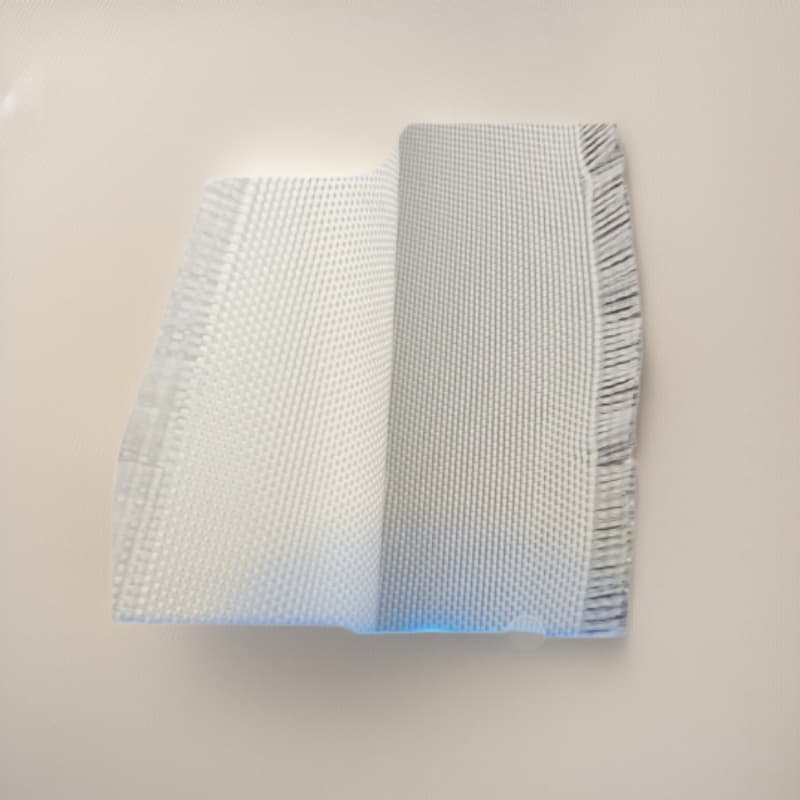
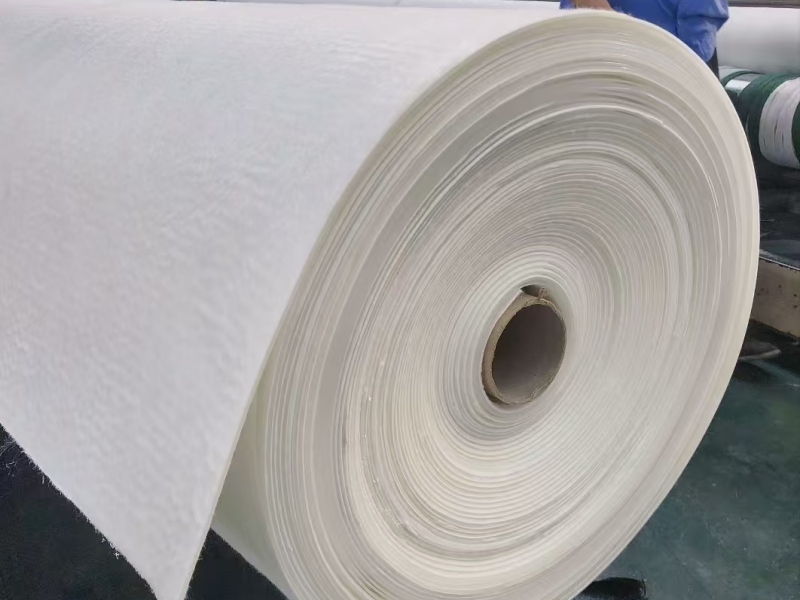
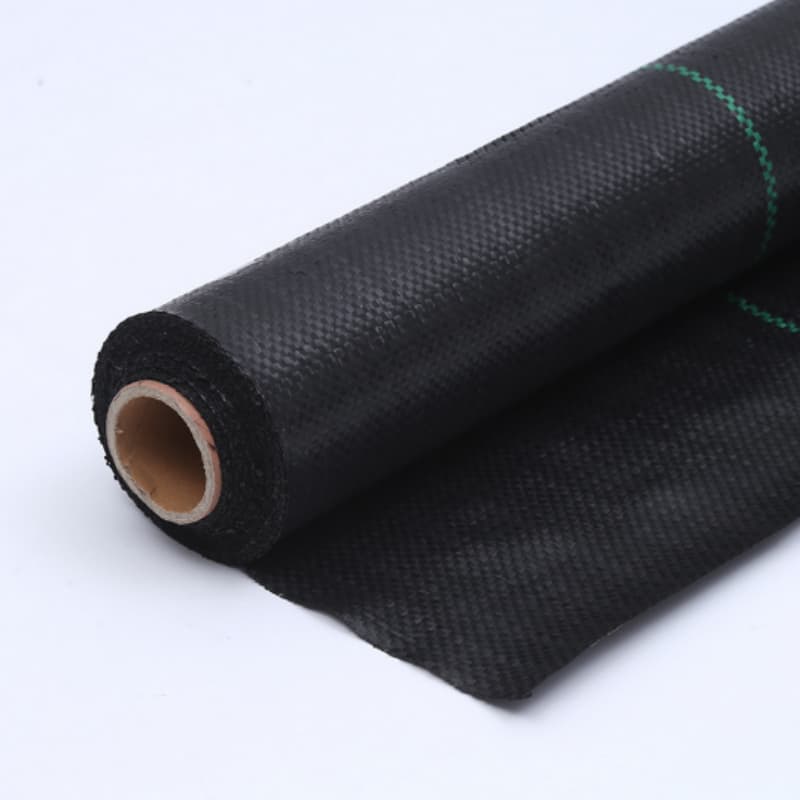
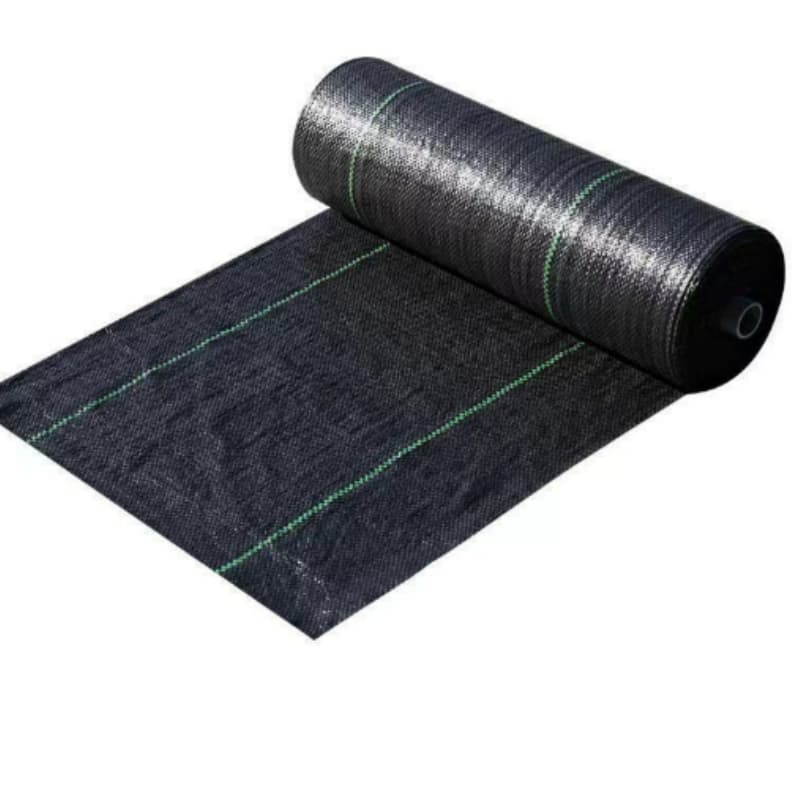
Woven Geotextile Fabric is a planar geosynthetic material made by weaving high-strength synthetic yarns into a stable mesh structure. It is commonly manufactured from polypropylene (PP), polyester (PET), or polyethylene (PE) using specialized industrial weaving equipment.
During production, the warp and weft yarns are interlaced in a controlled pattern to form a strong and uniform fabric structure. This weaving process gives the material excellent tensile strength, dimensional stability, and durability, making it suitable for demanding civil engineering applications.
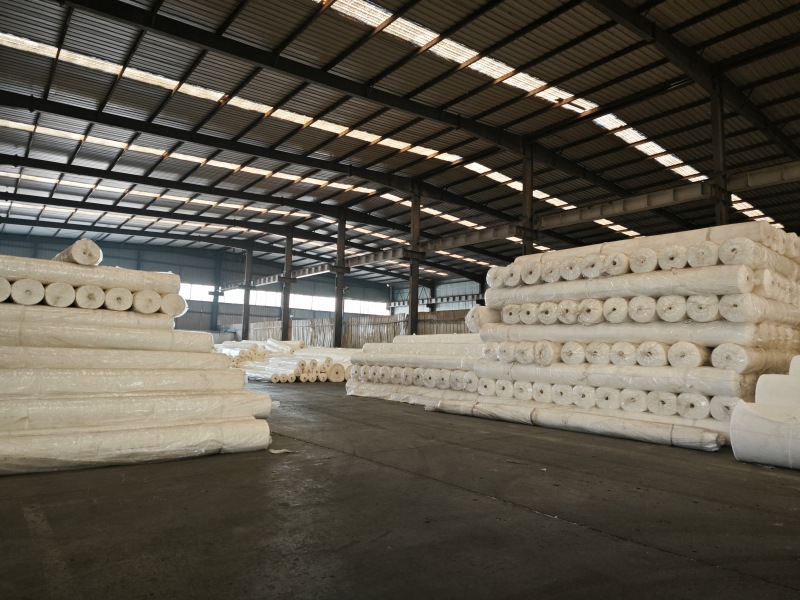
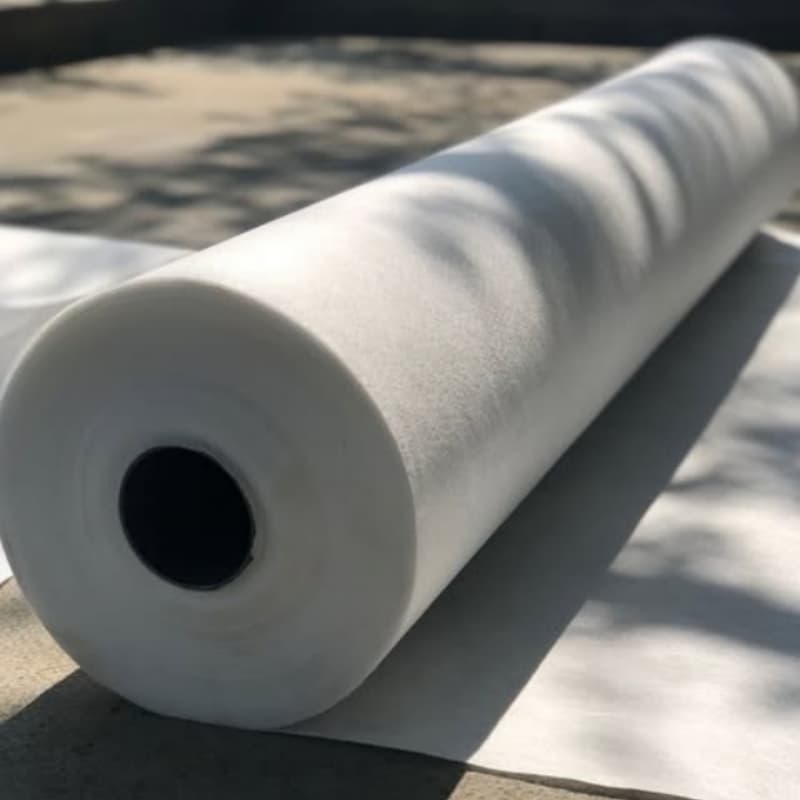
Woven Geotextile Fabric is typically supplied in rolls, with different widths and lengths available to meet specific project requirements. It is widely used as a reinforcement, separation, and stabilization layer in road construction, ground improvement, and other geotechnical engineering projects.
Key Features of Woven Geotextile Fabric
1. High Tensile Strength & Low Elongation
The woven structure of interlocking yarns provides excellent tensile strength, modulus, and tear resistance. With minimal deformation under load, Woven Geotextile Fabric helps distribute stresses more evenly and improves the stability of soil and aggregate structures.
2. Reliable Separation Performance
As an effective geotextile separator, woven geotextile prevents different soil layers, such as soil, sand, and aggregate, from mixing together. This helps maintain the integrity of each layer and ensures long-term performance of the pavement or foundation system.
3. Filtration & Drainage Capability
By controlling yarn arrangement and opening size, Woven Geotextile Fabric allows water to pass through while limiting the migration of fine soil particles. This filtration function helps maintain drainage efficiency and supports stable soil conditions.
4. Reinforcement & Ground Stabilization
Due to its high tensile strength, woven geotextile can work together with surrounding soil to improve structural stability. It helps distribute applied loads, restrict lateral soil movement, and enhance bearing capacity and deformation resistance in soft ground treatment and reinforced earth applications.
5. Long-Term Durability & Chemical Resistance
Made from durable synthetic polymers such as polypropylene (PP), woven geotextile offers good resistance to corrosion, biological degradation, and common soil chemicals. When properly installed, it provides reliable long-term performance in demanding environments.
6. Stable Woven Structure
The tightly woven yarn structure provides consistent performance under different pressure conditions and helps reduce the risk of clogging. This allows the material to maintain its separation and filtration functions throughout its service life.
 |
 |
Primary Applications
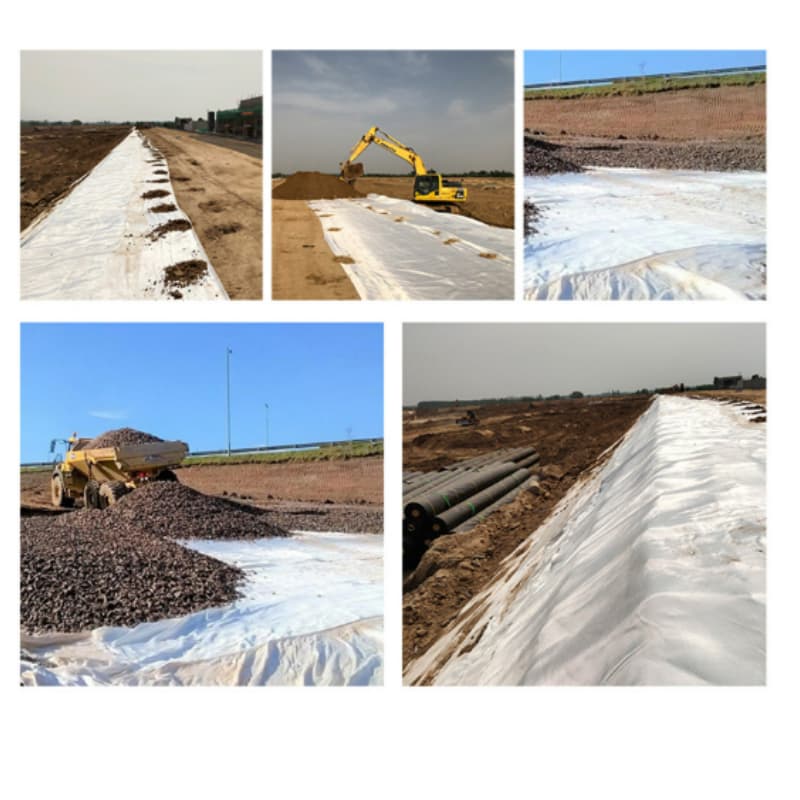
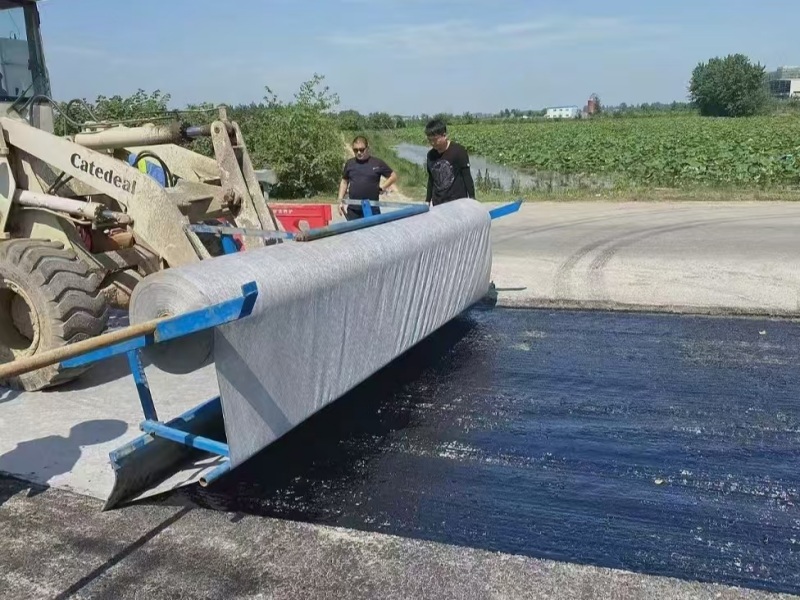
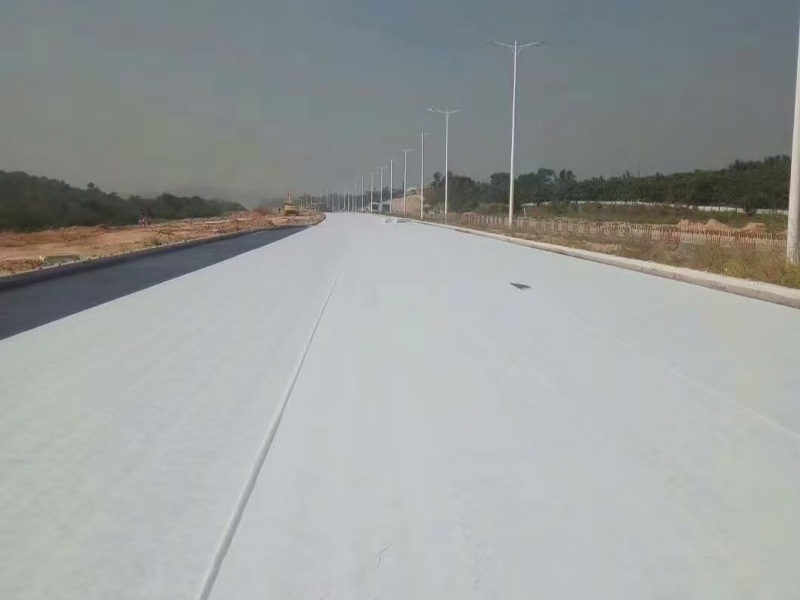
Woven Geotextile Fabric is widely used in road, highway, railway, and airport construction. Installed beneath the aggregate base, it provides separation, reinforcement, and ground stabilization, helping improve load distribution, reduce settlement, and extend pavement service life. It is particularly effective in projects with soft or unstable subgrades.
Water Conservancy & Hydraulic Engineering
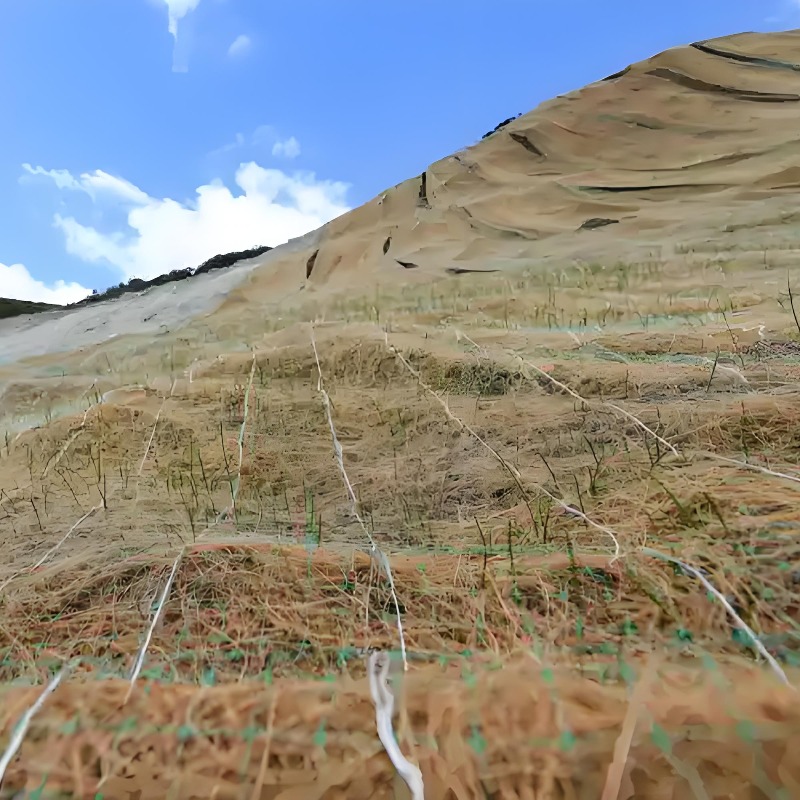
The fabric is commonly used in dams, reservoirs, canals, riverbanks, levees, and seawalls. It provides reinforcement, filtration, and erosion control while protecting embankments and supporting the long-term stability of hydraulic structures.
Landfills & Environmental Engineering
In environmental projects, Woven Geotextile Fabric is used for landfill foundations, tailings storage facilities, drainage systems, and artificial lakes. It helps stabilize the foundation, protects drainage layers, and improves the overall performance of geosynthetic systems.
Ports & Coastal Infrastructure
For port and coastal construction, woven geotextile is used in quay walls, breakwaters, revetments, and other marine structures. It reinforces soft ground, improves foundation stability, and provides reliable filtration in coastal environments.
Temporary Roads & Heavy-Duty Construction
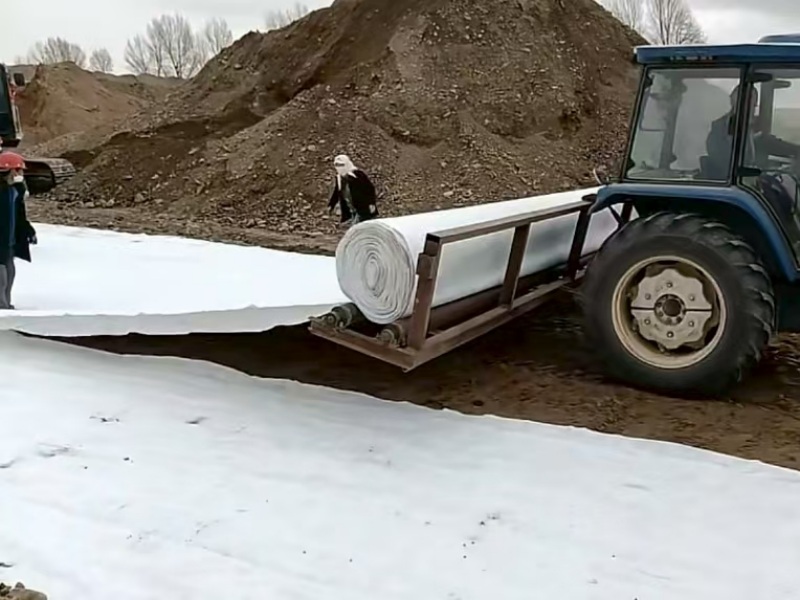
The fabric is also suitable for temporary access roads, construction platforms, industrial sites, and other heavy-load applications. Its high tensile strength and low elongation help create a stable working surface while reducing ground deformation under repeated traffic loads.
Installation Guidelines
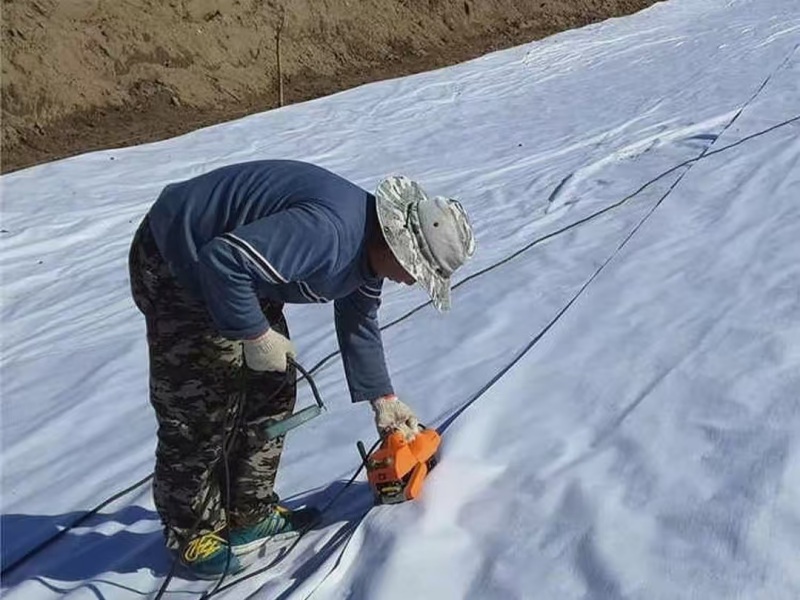
Proper installation helps Woven Geotextile Fabric perform as intended and contributes to the long-term stability of the project. For the best results, follow these basic installation recommendations:
Store the rolls correctly. Keep the fabric in a dry area and protect it from prolonged UV exposure before installation.
Prepare the subgrade. Remove sharp stones, roots, and other debris, and create a smooth, even surface before laying the fabric.
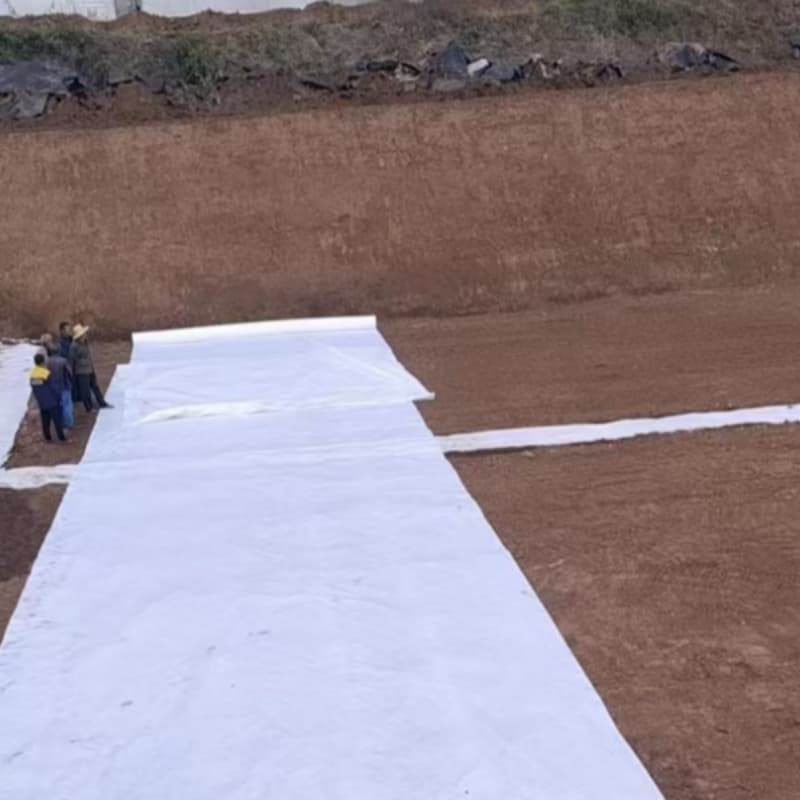
Lay the fabric flat. Unroll the geotextile without wrinkles or folds, and keep it in close contact with the ground surface.
Provide sufficient overlap. Follow the recommended overlap width based on the project requirements and ground conditions to ensure continuous performance.
Cover the fabric as soon as possible. Place the aggregate or fill material promptly after installation to minimize UV exposure. Avoid driving construction equipment directly on exposed geotextile unless required protective measures are in place.
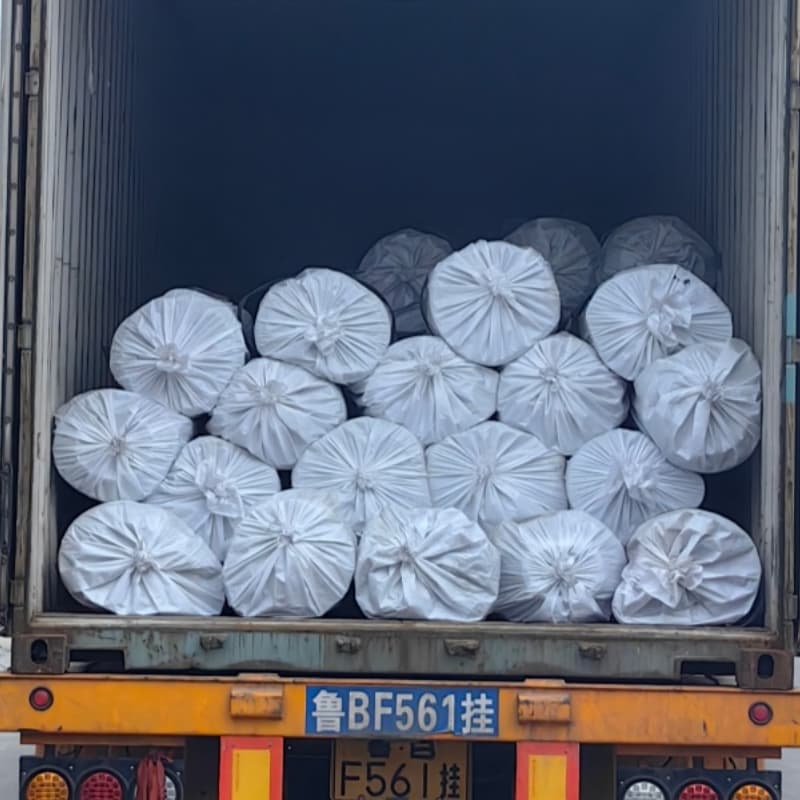
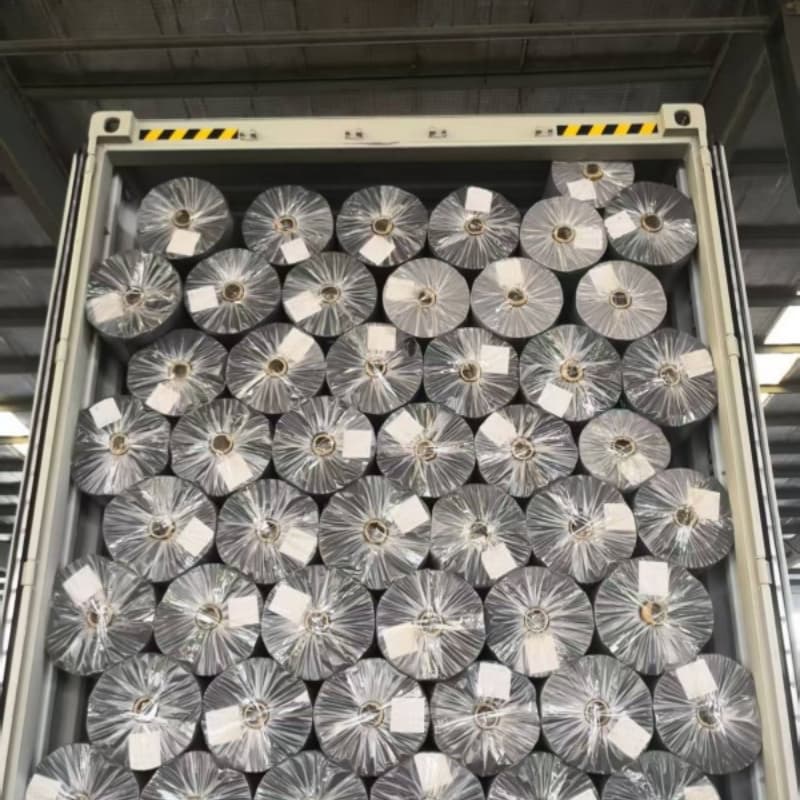
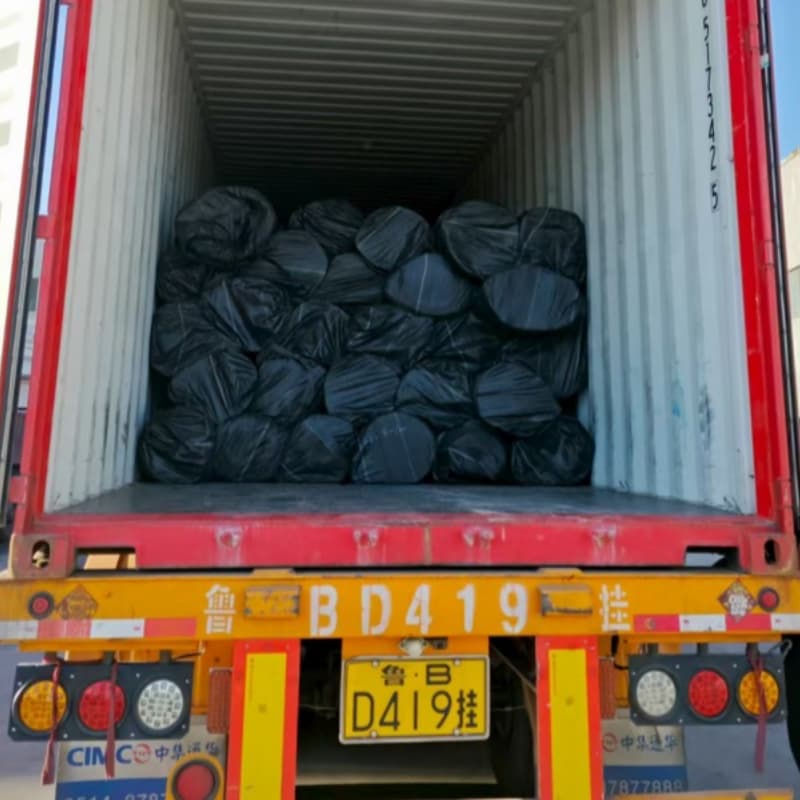
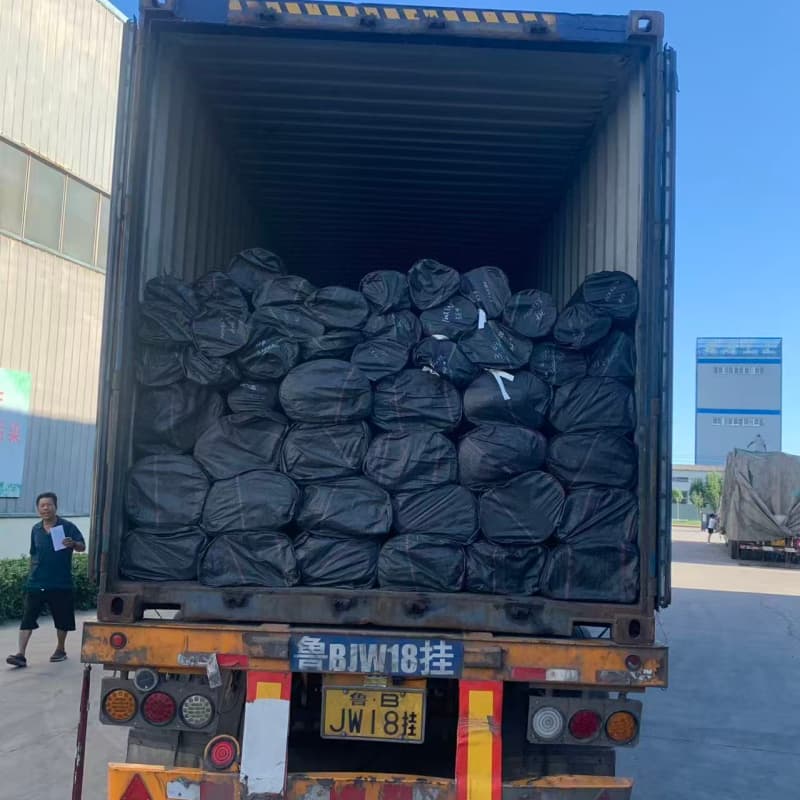
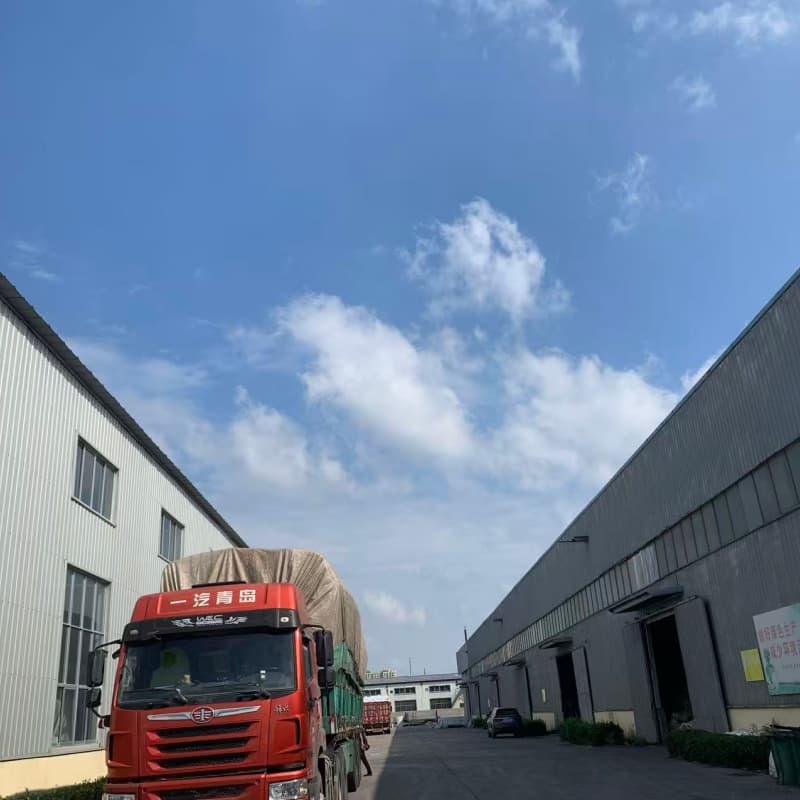
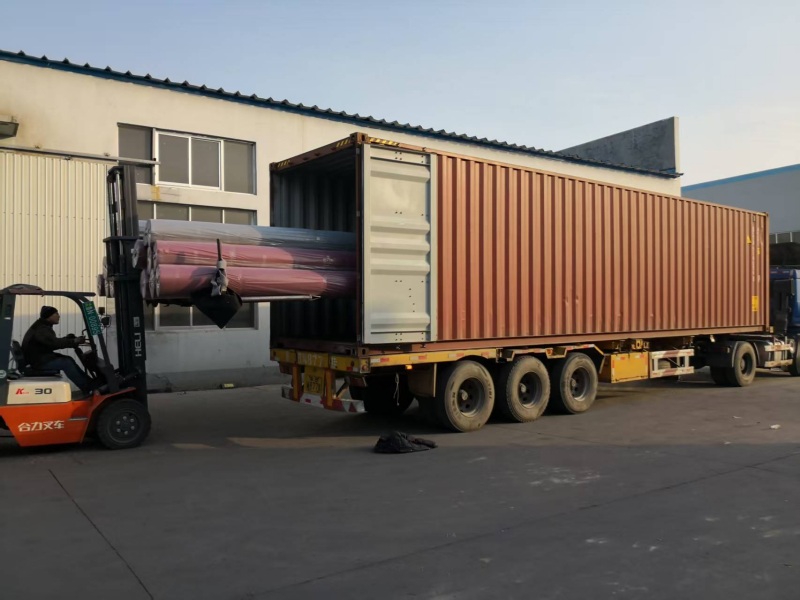
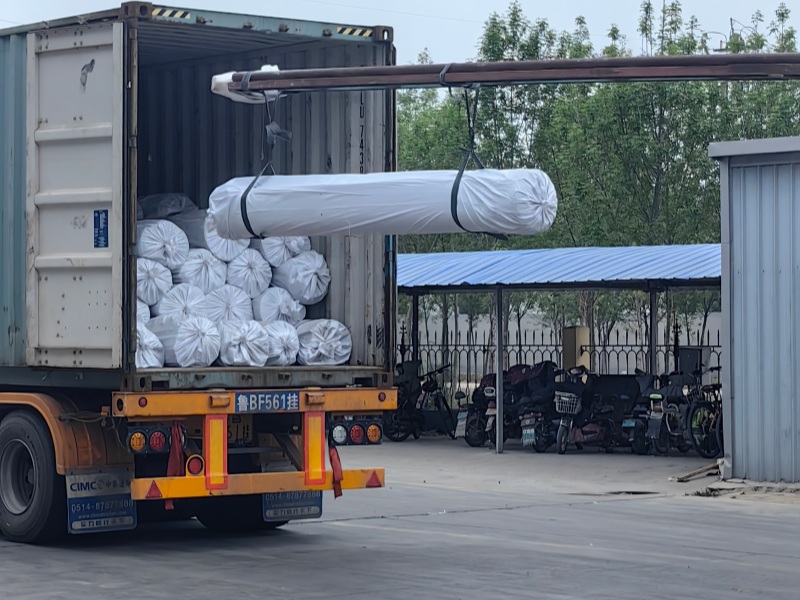
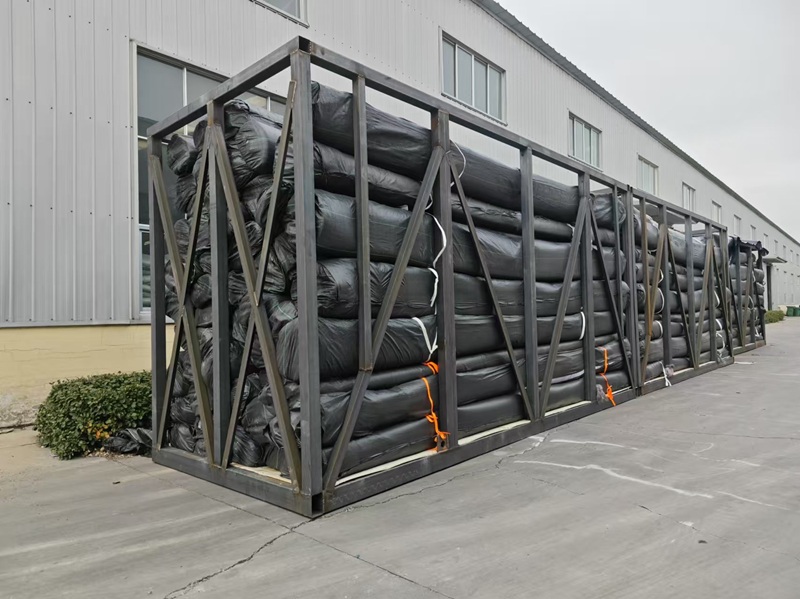
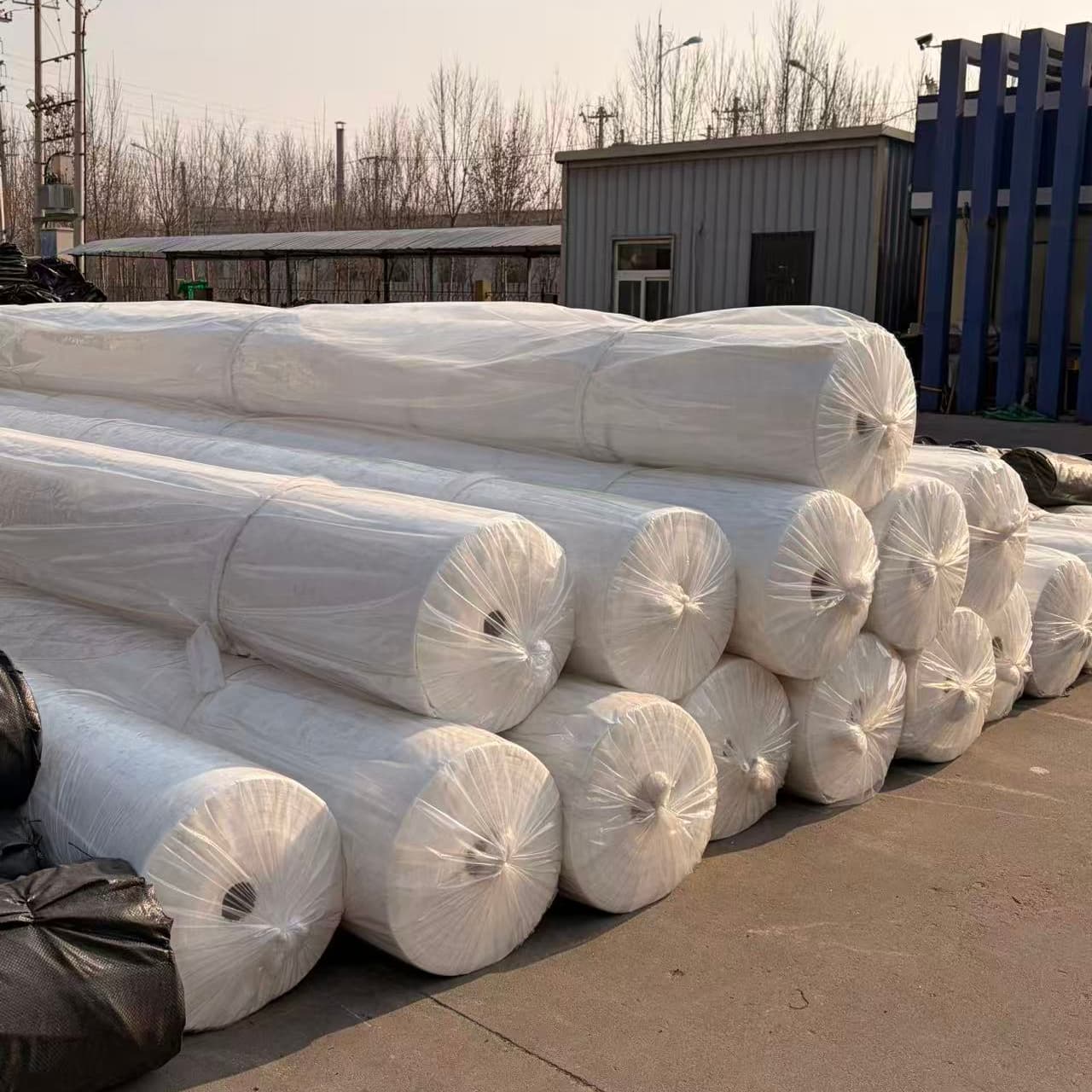
Packing And Delivery
 |
 |
 |
 |
 |
 |
 |
 |
FAQ
1、What's in it for you when you choose us?
Certifications guaranteed: CE/ISO /ASTM
15-day lead time: Directly from our Shandong manufacturing base (F.O.B. Qingdao Port)
We always conduct pre-production samples before mass production;
We always conduct final inspections before shipment;
If you have any questions about us or our products, please feel free to contact us.
2、Can we provide samples? Is there a charge?
Yes, we can provide samples free of charge, but we won't cover the shipping costs.
If you place an order after confirming the sample, we'll refund the shipping costs or deduct them from the order amount.
leave a message
Scan to Wechat/Whatsapp :



 English
 Français
 Deutsch
 Русский
 Español
 Português
 عربي
عربي Tiếng Việt
 Indonesia
 हिन्दी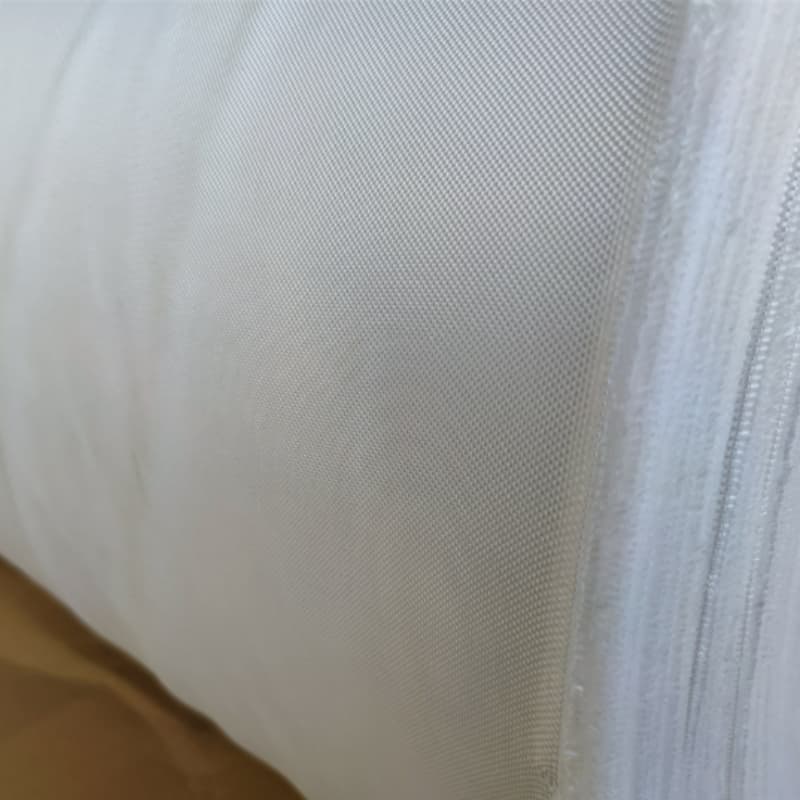


 IPv6 network supported