
leave a message
If you are interested in our products and want to know more details,please leave a message here,we will reply you as soon as we can.

PP Geocell | Polypropylene Plastic Geocell for Soil Stabilization
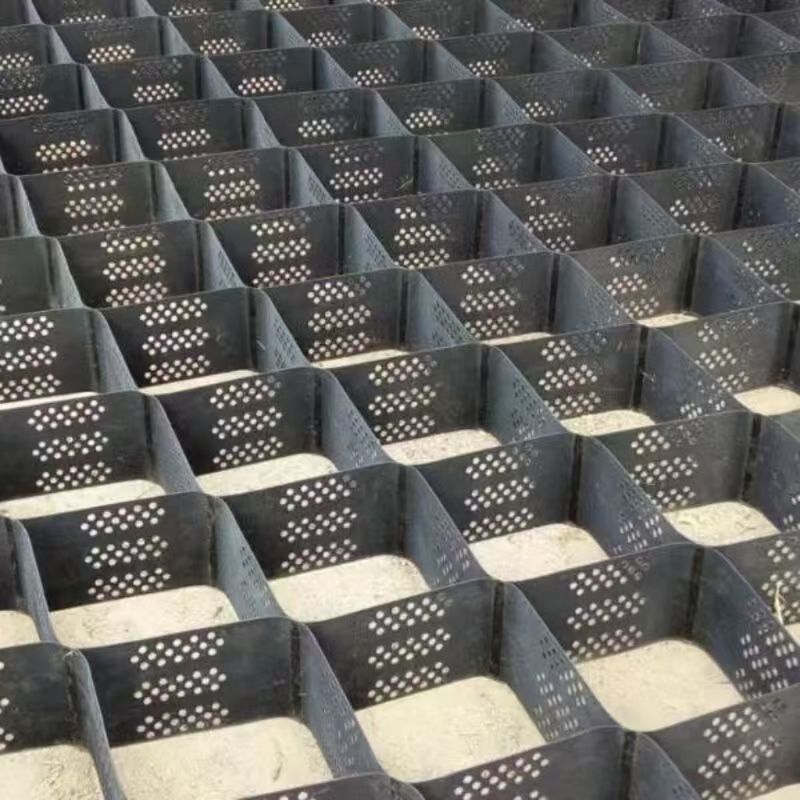
Plastic geocell is a new type geosynthetics material, basic sheet is high-molecular polymer, connected by rivets or ultrasonic welded to three-dimensional network structure, unfold it and fill in sand, gravel and clay etc. when used at construction site. According to customer's requirement, cut holes or carve arabesquitic to increase its lateral permeable ability, also increase the friction and binding force with the foundation material.
Color :
Black (customizable)Specifications :
TGLG5, TGLG8, TGLG10, TGLG15, TGLG20Width :
2-4 mLead Time :
7-14 days after deposit paymentPayment :
FOB (Can communicate and negotiate)Product Origin :
ChinaShipping Port :
Qingdao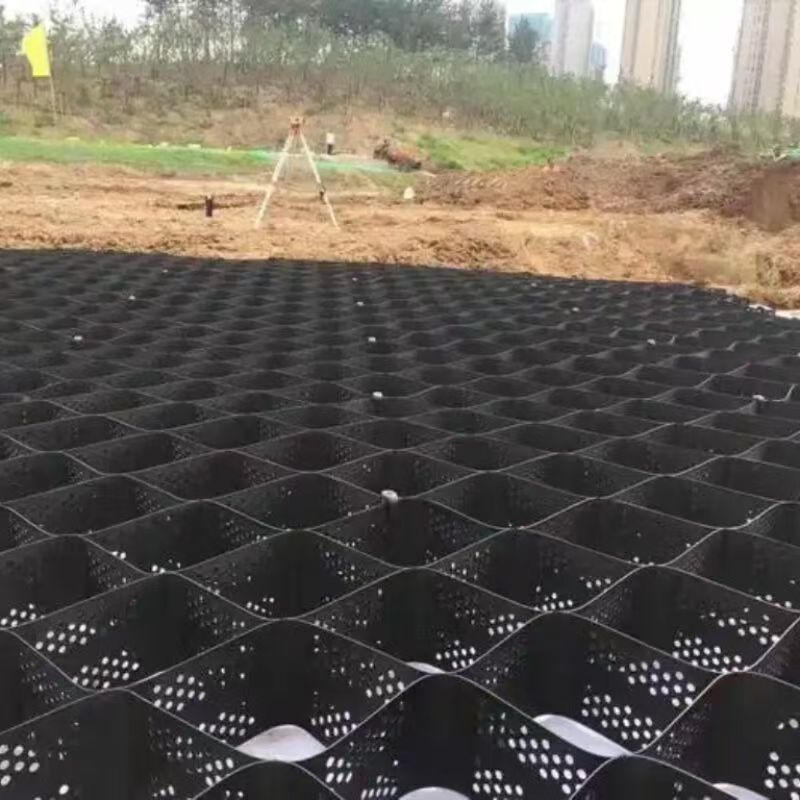
Polypropylene Plastic Geocell
PP Plastic Geocell is a three-dimensional geosynthetic material manufactured from polypropylene (PP) polymer sheets. It is suitable for ground stabilization, road subgrade reinforcement, and infrastructure construction.
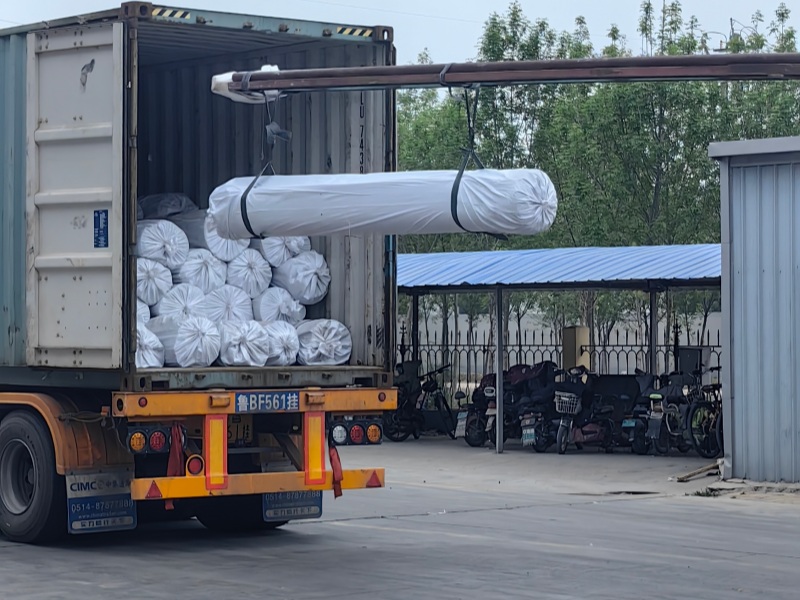
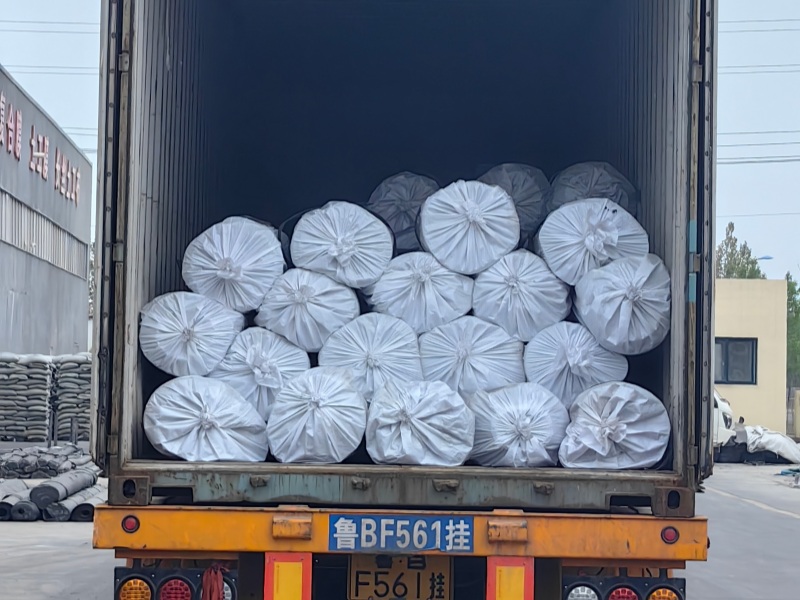
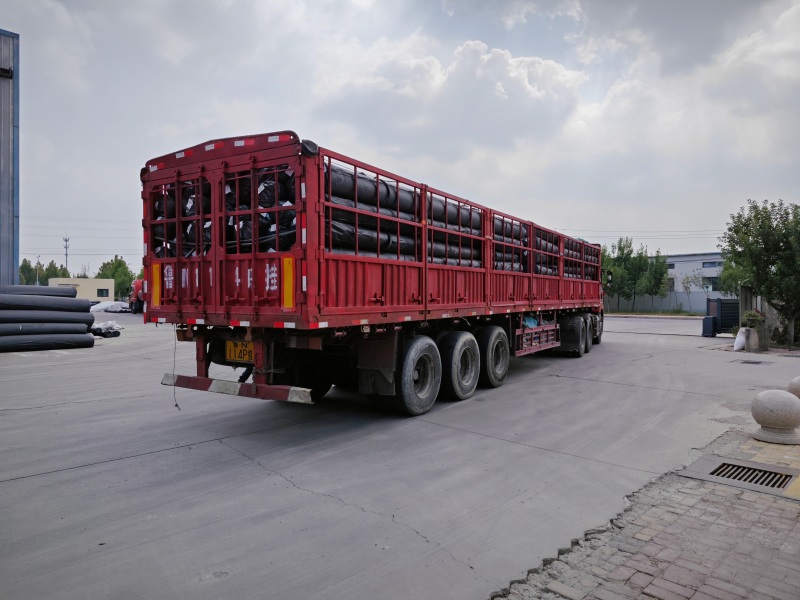
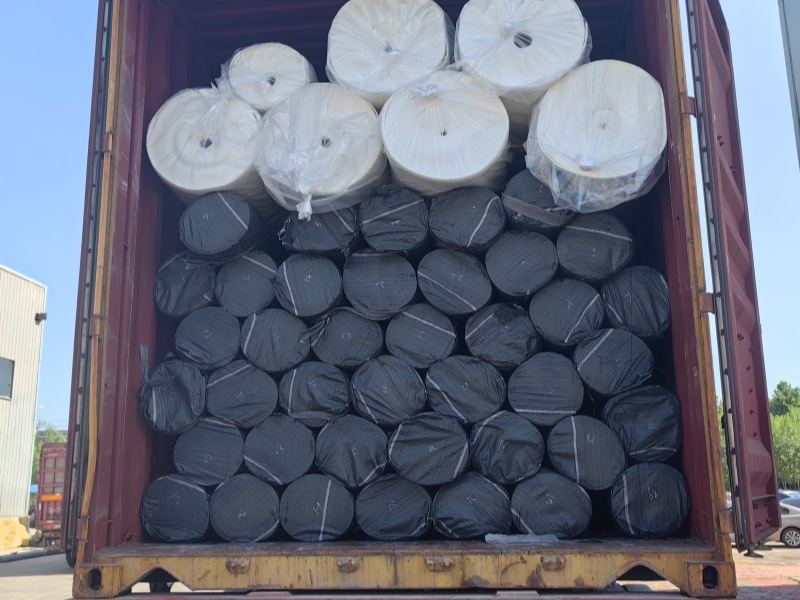
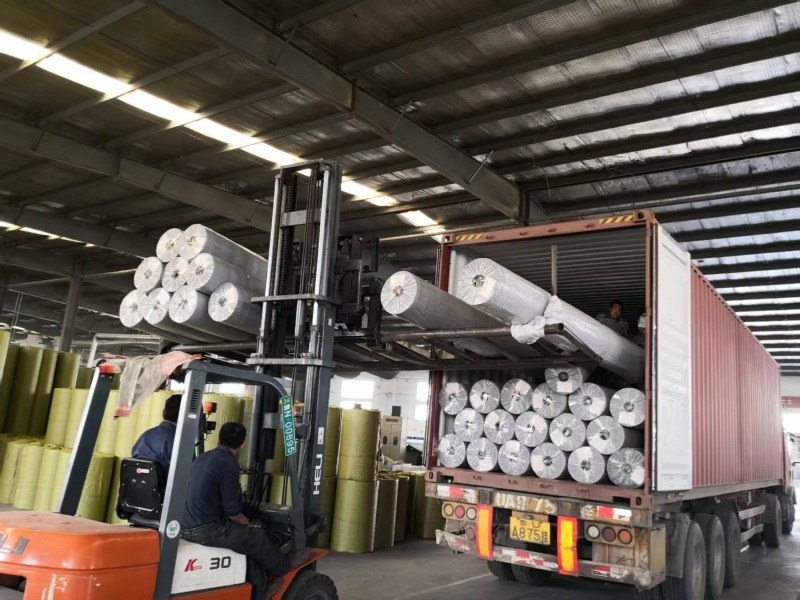
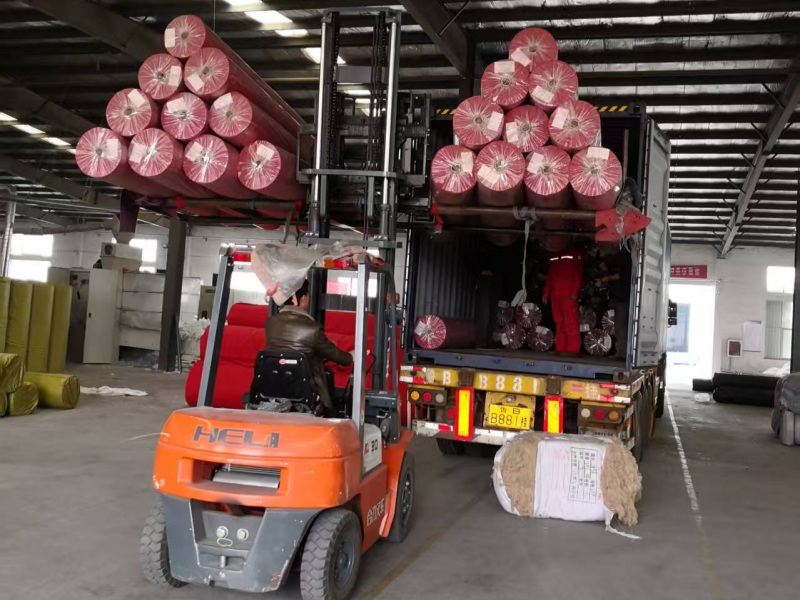
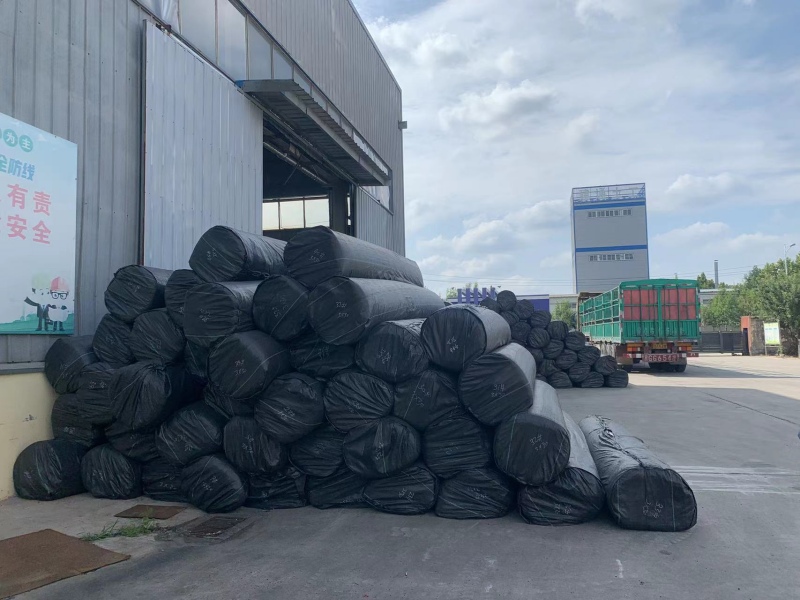
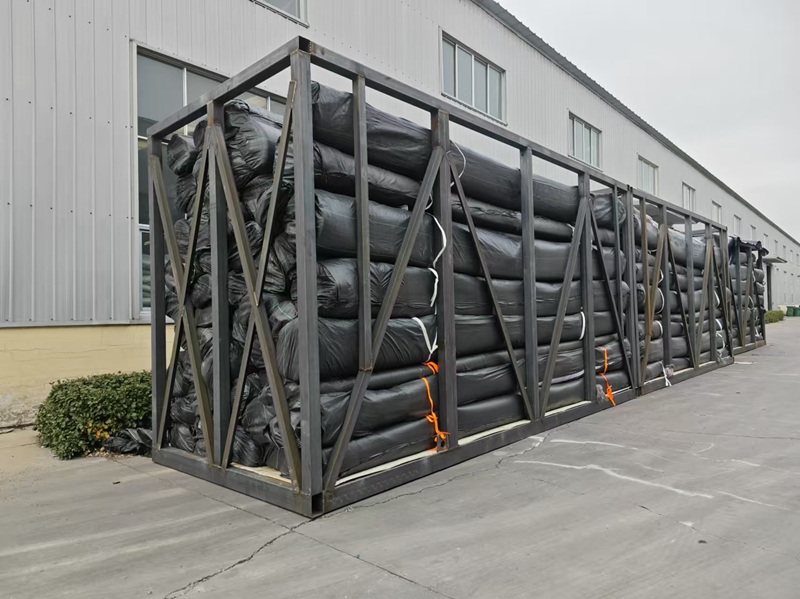
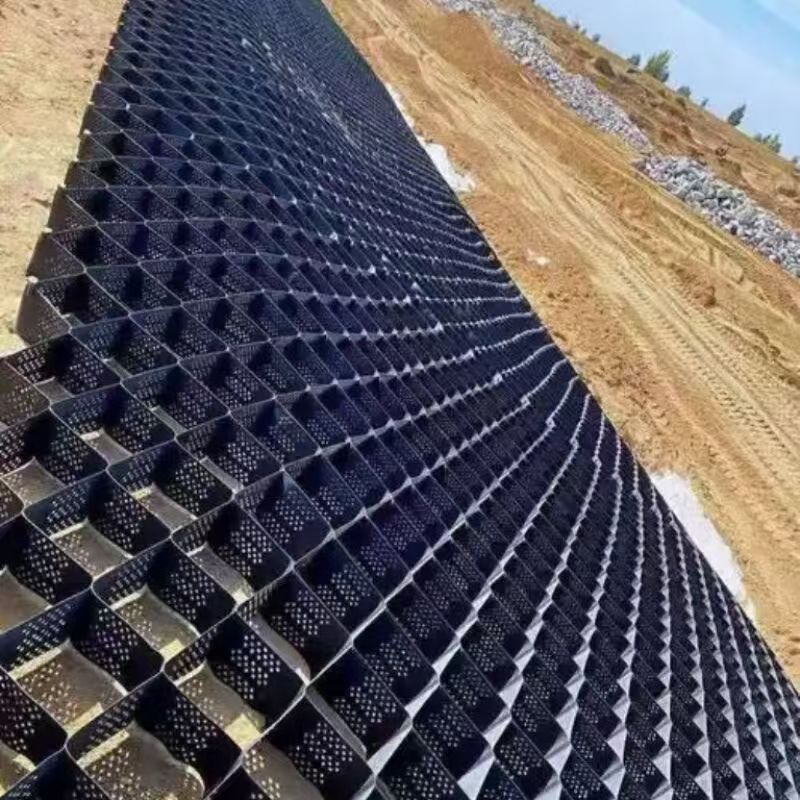
The product is manufactured by connecting polymer strips through riveting or ultrasonic welding to form a continuous honeycomb structure. During transportation, the geocell panels can be folded and compressed to reduce storage and shipping space. At the construction site, they are expanded into cellular sections and filled with soil, sand, gravel, crushed stone or concrete to meet project requirements.
Once filled, the three-dimensional cellular structure provides lateral confinement to the infill material. This restricts horizontal movement, distributes applied loads and improves the overall stability of the reinforced ground.
| Item | Common Specification |
| Tensile strength of sheet material | ≥23Mpa |
| Tensile strength of welding seam | ≥100N/cm |
| Tensile strength of the middle piece between the two group | ≥120N/cm |
| Tensile strength of the edge connection between the two group | ≥200N/cm |
| Raw Material | Polypropylene (PP) |
1. Easily retracted and folded during transportation, and can be tensioned into a mesh during construction. It is filled with loose materials such as soil, gravel, and concrete, forming a structure with strong lateral limitations and high stiffness.
2. Lightweight material, wear-resistant, chemically stable, resistant to light oxygen aging, acid and alkali, suitable for different soil conditions such as deserts.
3. Good lateral restrict and prevent slippery, prevent deformation, effectively enhance the bearing capacity of subgrade and dispersed loads function.
4. The geocell height and welding distance etc. Geometric dimensions are all changeable to meet the requirements of different projects.
5. Capable and easily be expanded or contracted, small size for transportation, easy for connect and construction speed is fast.
1. Road Subgrade Stabilization
Road subgrades are exposed to repeated vehicle loads throughout their service life. On weak foundations, loose fill or road widening projects, granular materials may move laterally and cause localized deformation.
PP geocells can be installed within designated road subgrade layers and filled with gravel, sand or other suitable materials. The cellular structure confines the infill, distributes traffic loads and improves the stability of the reinforced layer. This makes polypropylene geocell that a practical option for selected road reinforcement and ground stabilization projects.
2. Railway Subgrade Stabilization
Railway subgrades must withstand repeated train loads and vibration. The stability of the supporting fill layer is important for maintaining the performance of railway infrastructure. PP Plastic Geocell can be incorporated into designated railway subgrade layers to restrict lateral movement of fill materials and improve the integrity of the reinforced structure.
3. Desert Road Construction
Loose sandy soils are a common challenge in desert road construction. Sand can shift under traffic loads and environmental conditions, making it difficult to maintain a stable road foundation. When expanded and filled with suitable granular materials, PP geocells create interconnected cellular compartments that restrict lateral movement of the sand and improve the stability of the road fill layer.
4. Retaining Wall and Levee Foundation Reinforcement
Retaining walls, levees and wharf structures require stable foundations and properly confined fill materials. PP geocells can be used in designated foundation filling layers to provide lateral confinement and distribute applied loads. This can improve the integrity of the reinforced fill and support the overall stability of selected retaining wall and embankment structures.
5. Riverbank and Shallow Waterway Protection
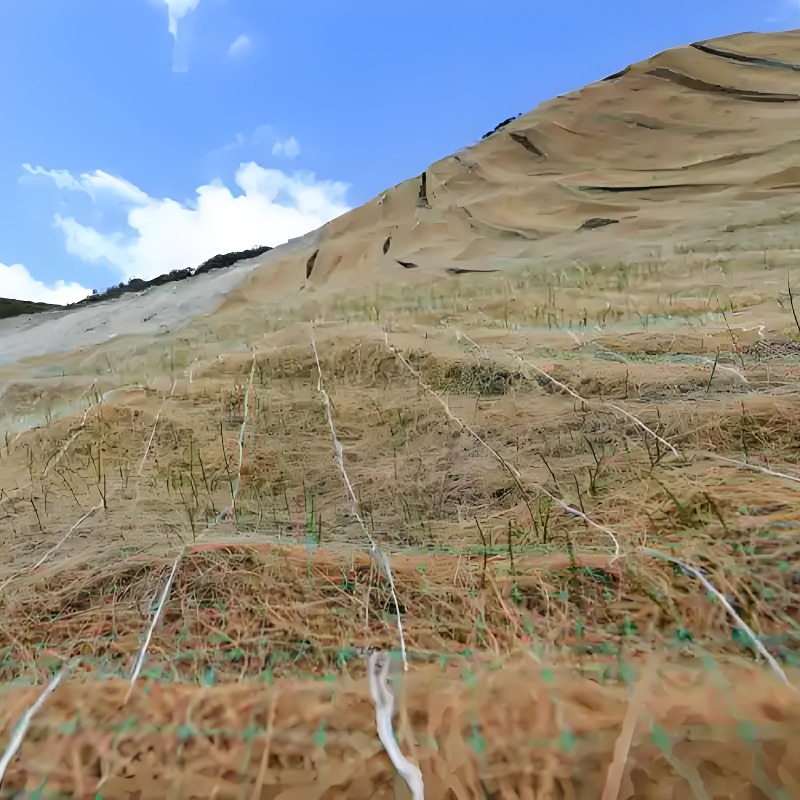
Riverbanks and shallow channels can be affected by water flow, surface erosion and soil loss. PP geocells can be filled with suitable soil, gravel or concrete to form a more stable surface protection layer. For projects exposed to high flow velocities, many factors must be evaluated before selecting the geocell system, such as strong scour or significant water-level changes, hydraulic conditions, slope gradients, anchoring methods and infill materials.
6. Beach and Desert Ground Stabilization
Loose sand on beaches, desert areas and other exposed ground surfaces may shift under wind, water and external loading. PP geocells provide lateral confinement to the infill material, improving the stability of selected filled structures.
 |
 |
 |
 |
 |
 |
 |
 |
Q1: What's in it for you when you choose us?
Certification: CE/ISO 9001/GRI-GM13/ASTM.
Product Specification: GB/T19274-2003.
15-day delivery: Direct from our Shandong manufacturing base (FOB Qingdao).
Q2: Can we provide samples? Is there a charge?
Yes, we can provide samples free of charge, but we won't cover the shipping costs.
If you place an order after confirming the sample, we will refund the shipping fee or a portion of the order value.
Q3: What material is PP Plastic Geocell made?
PP Plastic Geocell is manufactured from polypropylene (PP) polymer sheets. The sheets are connected by riveting or ultrasonic welding to form a three-dimensional honeycomb structure.
Q4: What is the main function of plastic geocell?
A: Its main function is to provide lateral confinement to infill materials, distribute applied loads, reduce lateral deformation and improve the stability of reinforced ground structures.
leave a message
Scan to Wechat/Whatsapp :



 English
 Français
 Deutsch
 Русский
 Español
 Português
 عربي
 Tiếng Việt
 Indonesia
 हिन्दी




 IPv6 network supported