leave a message
If you are interested in our products and want to know more details,please leave a message here,we will reply you as soon as we can.
High-Performance Geosynthetic Clay Liners (GCLs) | Engineered Pond & Reservoir Liners
This article provides a comprehensive overview of Geosynthetic Clay Liners (GCLs) as the cornerstone of modern impermeable lining systems for constructed water bodies. Beyond simply replacing traditional compacted clay, this guide details the unique self-healing mechanism driven by high-swelling bentonite, which ensures long-term hydraulic integrity even under stress. This article highlights a systematic comparison demonstrating GCLs' superior low permeability and installation efficiency. Furthermore, it delivers a standardized workflow—from design and site preparation to installation and quality control—positioning GCLs as the most efficient, reliable, and sustainable containment solution for engineered ponds and lakes.
Specifications :
3-layer (conventional), 4-layer (geomembrane-covered)Weight :
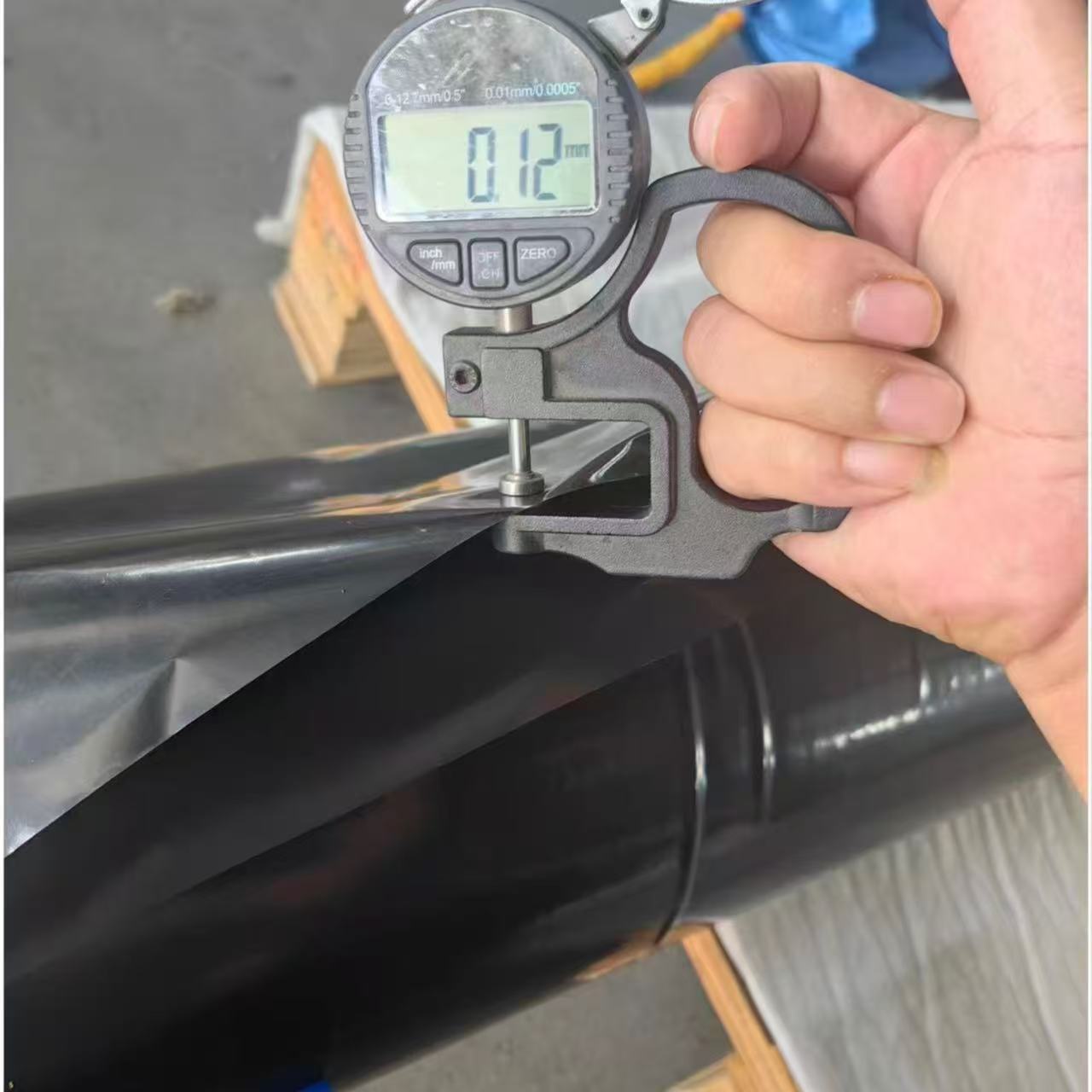
4000-6000g/㎡Thickness :
0.1-3.0mmWidth :
2-6 meters, customizableLength :
1-30 meters, customizableLead Time :
7-14 days after deposit paymentOrder(MOQ) :
2000㎡Payment :
FOB (Can communicate and negotiate)Product Origin :
ChinaShipping Port :
Qingdao
1.1 Product Definition
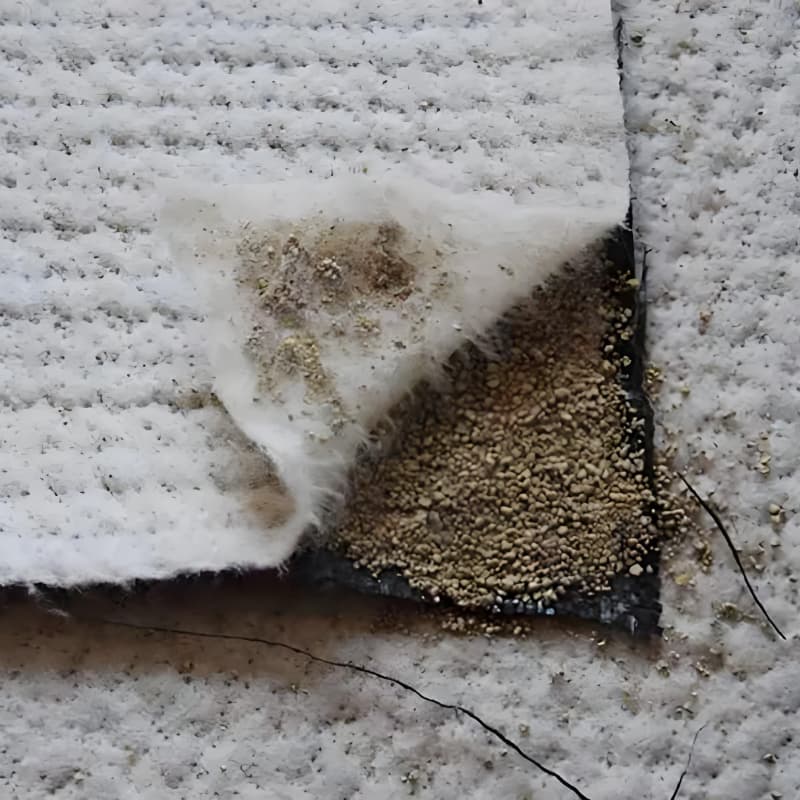
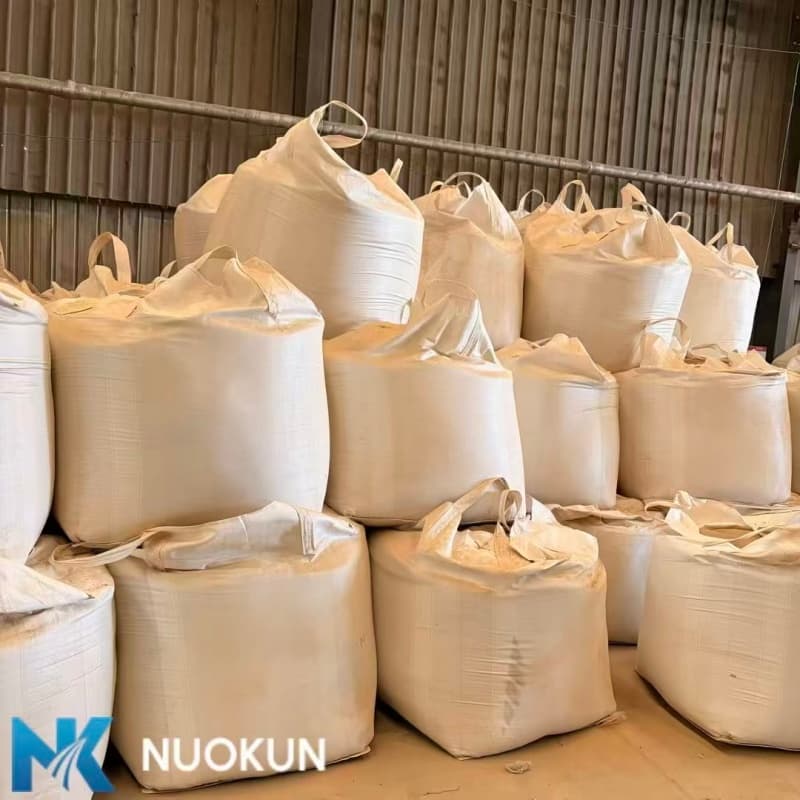
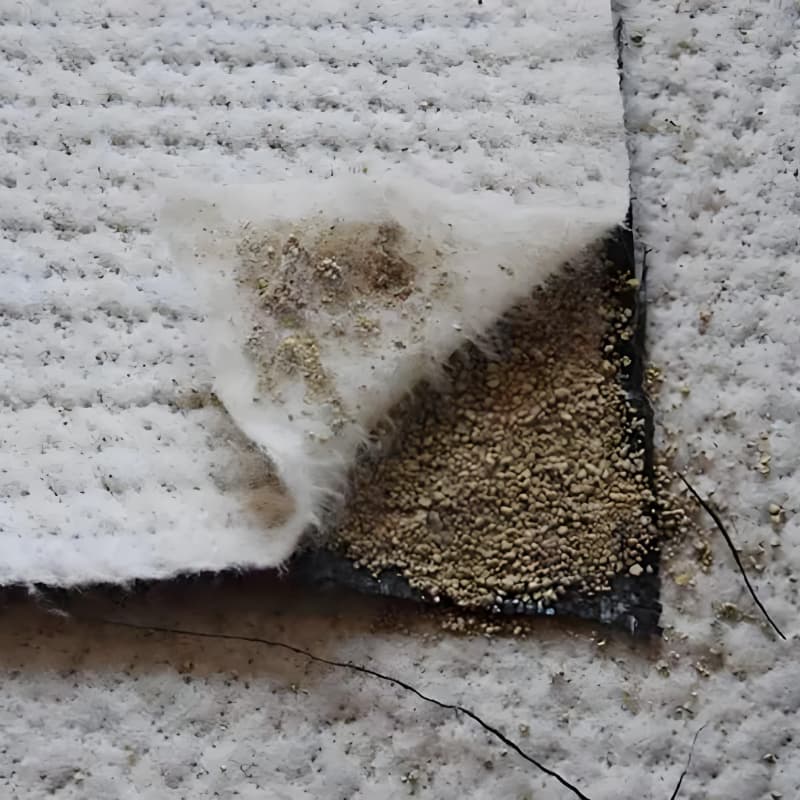
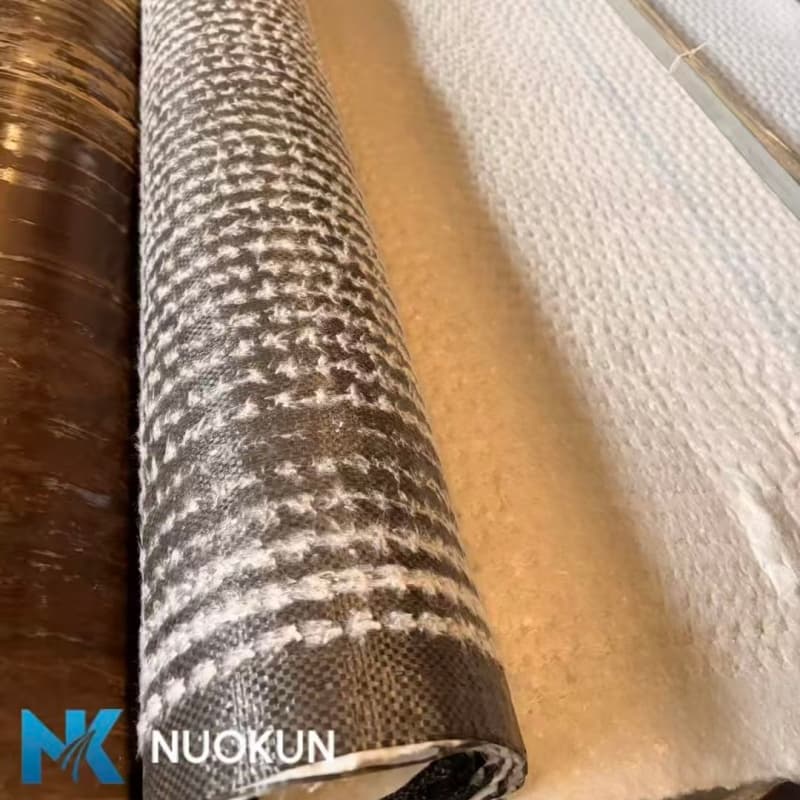
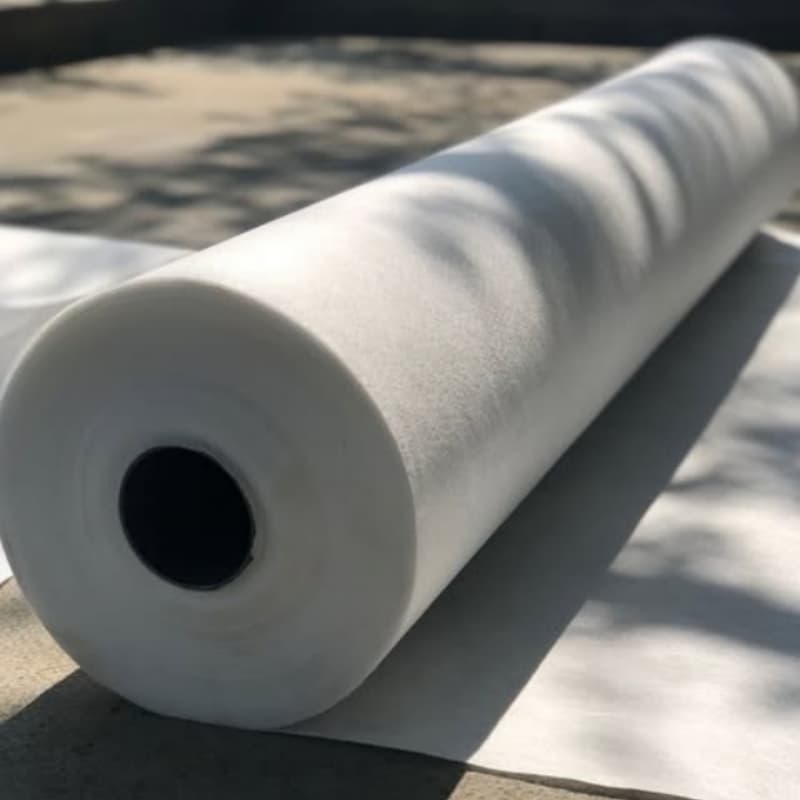
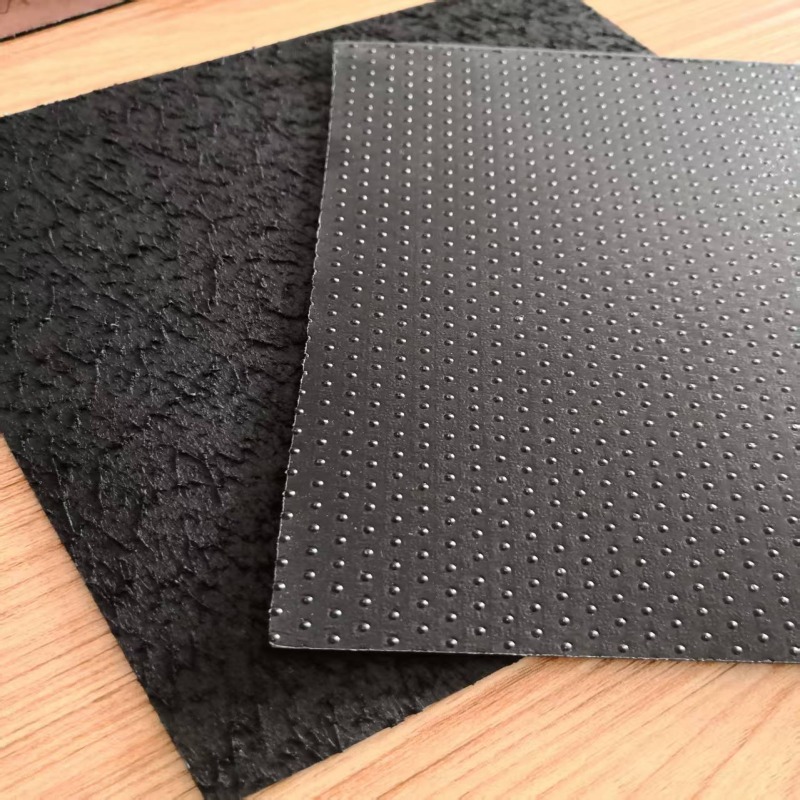
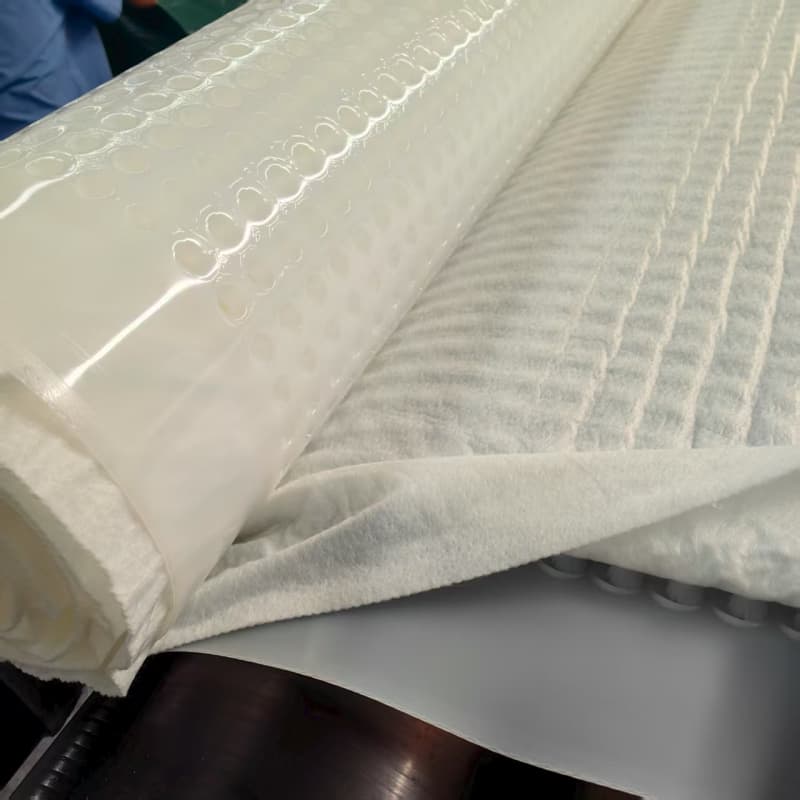
Geosynthetic clay liners (GCLs) are advance geosynthetic materials. The manufactureing process blends graded natural sodium bentonite particles with appropriate additives, and through a special manufacturing process and equipment, the bentonite particles are fixed between two layers of geotextile to form a bentonite waterproofing blanket. This material not only possesses all the characteristics of conventional geosynthetic materials but also exhibits excellent waterproofing (seepage control) performance.
2.0 Systematic Comparison with Traditional Compacted Clay Liners
Choosing GCLs over traditional compacted clay liners for pond and lake projects comes down to a smart techno-economic assessment.
| Evaluation Criteria | Geosynthetic Clay Liner (GCL) | Traditional Compacted Clay Liner |
| Material & Construction |
Factory-manufactured, ensuring consistent quality. Transported in rolls, enabling rapid deployment with minimal reliance on heavy compaction equipment.
|
Requires large volumes of on-site or imported clay, with strict requirements for soil quality and moisture content. Involves labor-intensive layering, spreading, and compaction, highly susceptible to weather delays. |
| Hydraulic Performance |
GCLs achieve an exceptionally low hydraulic conductivity of ≤ 5 × 10⁻¹¹ m/s, which is equivalent to the sealing capacity of a 30 cm thick compacted clay layer, but achieved in just a few millimeters of thickness.
|
Hydraulic conductivity typically ranges from 10-9 to 10-10 m/s. Lacks self-healing capability; prone to cracking from wet-dry or freeze-thaw cycles with no automatic repair mechanism. |
| Engineering Compatibility |
Highly flexible, conforms to complex subgrade contours and accommodates differential settlement without cracking. Low weight minimizes stress on slopes.
|
Massive volume and high self-weight impose significant demands on subgrade bearing capacity. Relatively rigid, susceptible to shrinkage cracking. |
| Sustainability & Ecology |
GCLs utilize natural, non-toxic sodium bentonite. The reduced need for heavy earthmoving equipment and local clay mining significantly lowers the project's carbon footprint and environmental disturbance. |
Traditional compacted clay is highly susceptible to cracking during desiccation-rewetting and freeze-thaw cycles
|
| Overall Cost-Effectiveness |
While the initial material cost per square meter of GCL may be higher than raw clay, the massive savings in transportation, heavy equipment rental, labor, and construction time make GCLs highly cost-competitive over the total project lifecycle.
|
Raw material may be cheaper, but overall lifecycle costs are high due to extensive transportation, heavy equipment rental, and prolonged labor. High carbon footprint from earthmoving and mining. |
3.0 Detailed Implementation Workflow for Pond and Lake Projects
3.1. Subgrade Preparation
Clear & Grade: Remove all debris, vegetation, roots, and sharp rocks (>10mm) from the pond/lake bed.
Compaction: Compact the soil to a minimum density of 85% to prevent future settlement that could stress the liner.
Surface Finish: Ensure the surface is smooth and uniform. Form rounded fillets (radius ≥30cm) at all internal corners and transitions to avoid sharp bends.
Moisture: The subgrade should be essentially dry with no standing water. If the water table is high, install dewatering systems first.
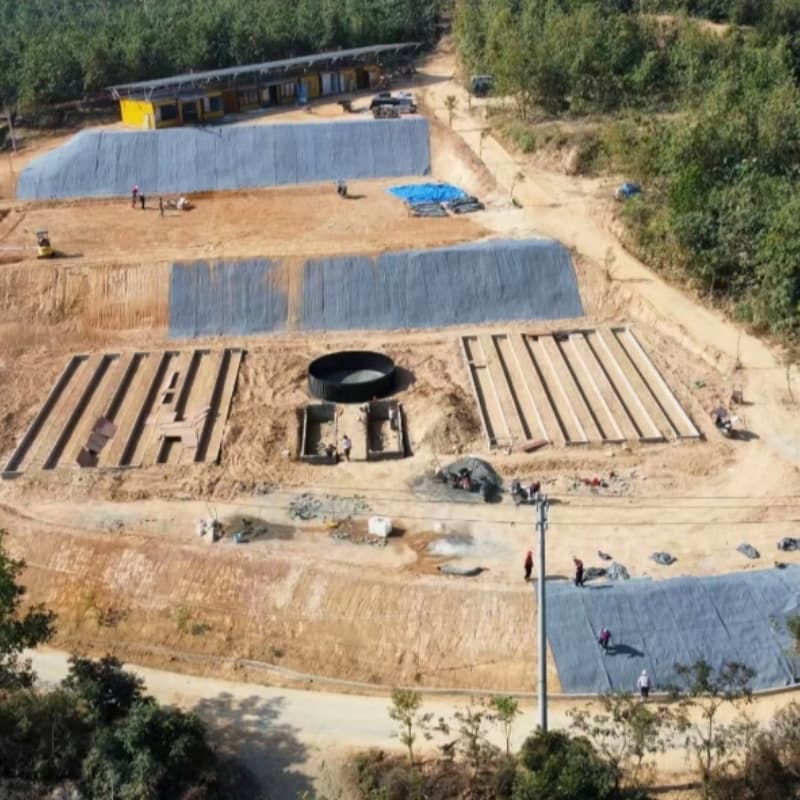
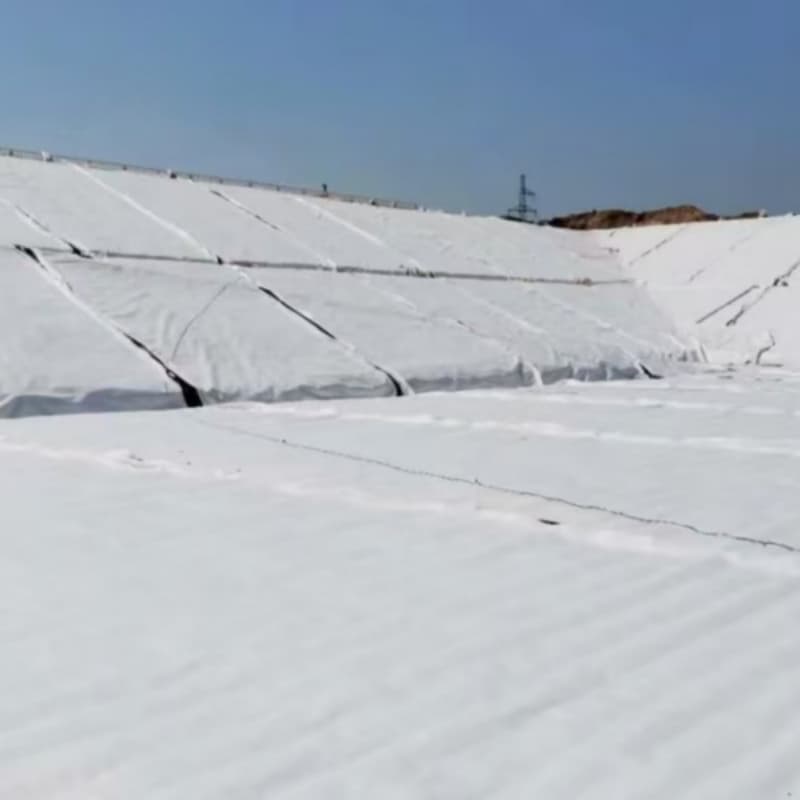
3.2. GCL Deployment
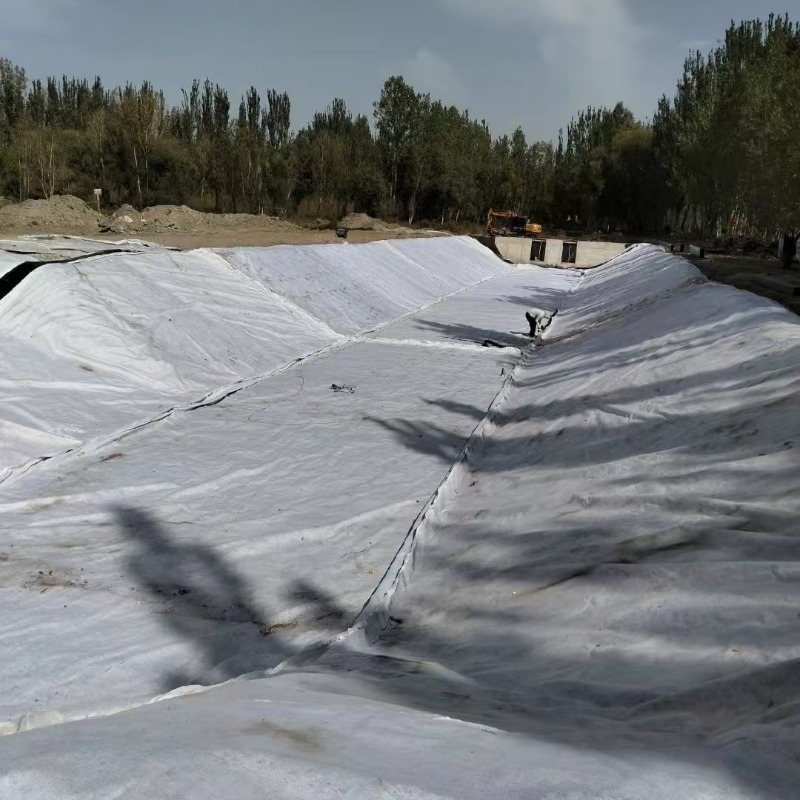
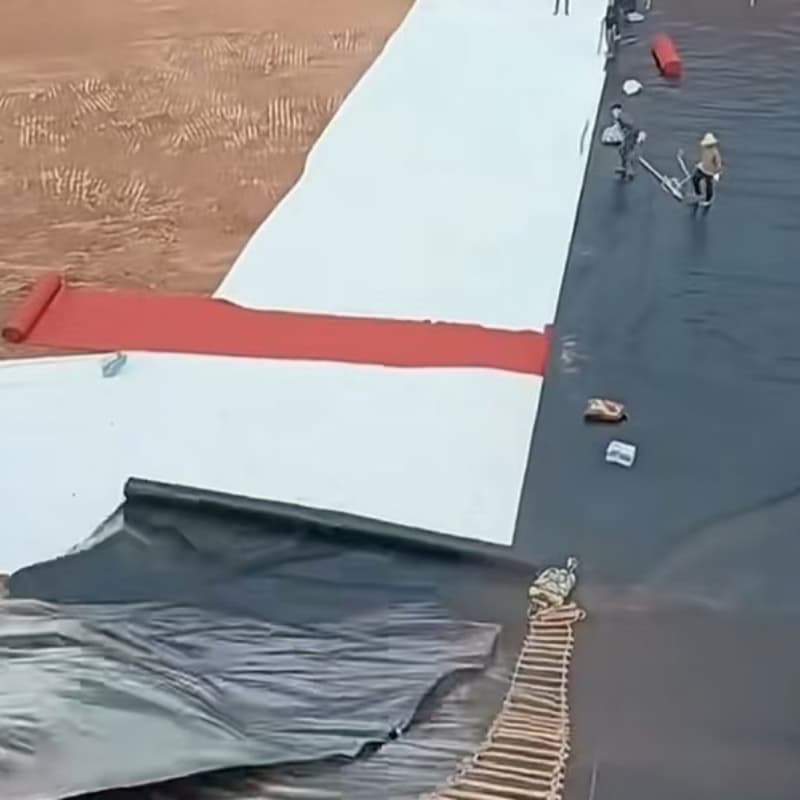
Orientation: Unroll GCL panels with the non-woven geotextile facing up (towards the water side).
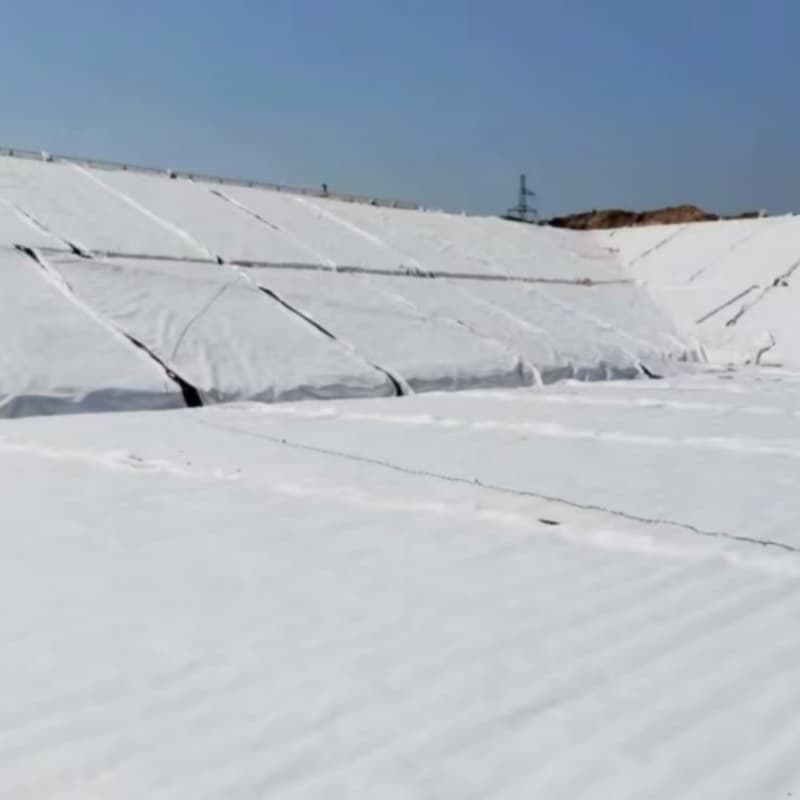
Direction: Install panels parallel to the slope or water flow direction. Always place the upstream panel over the downstream panel (shingle effect) to prevent water from flowing into the seams.
Relaxation: Allow the GCL to lie naturally flat. Do not stretch the material. For large areas, introduce slight wrinkles or folds (1-2 per panel) to accommodate potential subgrade settlement.
Stagger Joints: Offset all transverse seams to avoid creating continuous cross-joints (brick-lay pattern).
3.3 Seaming & Overlapping
Overlap Width: Maintain a minimum overlap of 200–300mm (8–12 inches).
Seam Activation: Apply a continuous strip of powdered bentonite or bentonite paste along the center of the overlap zone before laying the upper panel.
Cleanliness: Ensure the overlap area is free of mud, sand, or standing water. If wet, dry the area or use bentonite paste/adhesive.
3.4. Anchoring & Fixation
Anchor Trench: Excavate an anchor trench at the top of the slope (typically 400mm deep x 400mm wide). Fold the GCL into the trench and backfill with compacted soil to lock it in place.
Slope Fixation: On side slopes, use washers and nails/staples to secure the GCL. Place fasteners in the overlap zone and at the center of the panel if the slope is steep or wind is a factor.
Penetrations: For pipes or drains, wrap the GCL around the pipe and seal the gap with bentonite putty/paste. Reinforce with a circular GCL patch (min. 300mm wider than the pipe) and secure with stainless steel clamps.
3.5. Protection & Backfill (Critical Step)
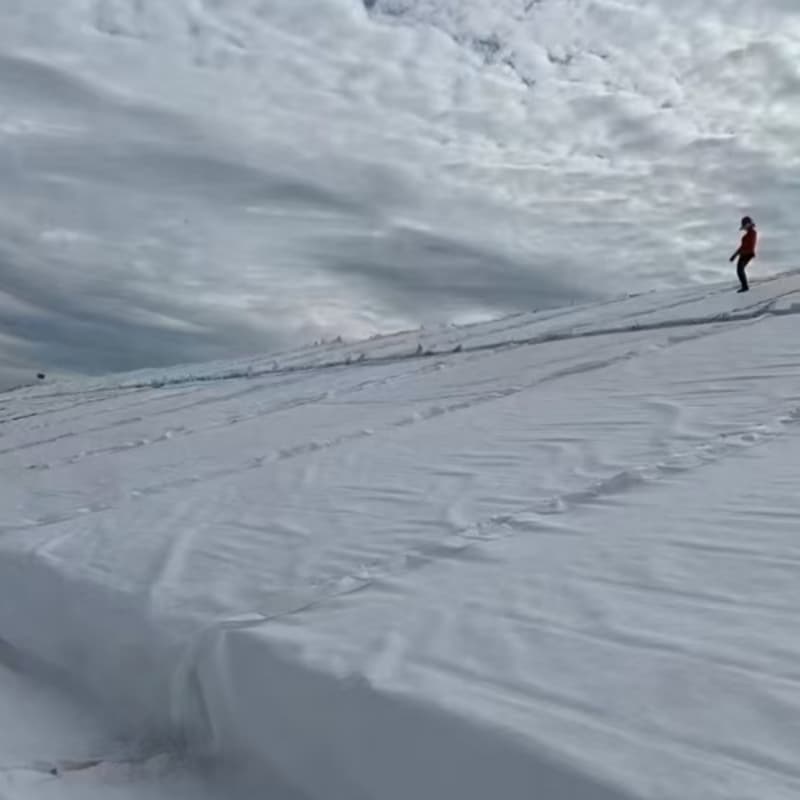
Immediate Cover: GCL must be covered within 24 hours (max 48 hours) to prevent premature hydration from rain/dew or UV degradation.
Backfill Material: Use clean sand or screened soil free of stones >10mm, roots, or debris.
Placement Method:
Flat Areas: Place 300mm of compacted soil or 100mm of concrete.
Slopes: Use a concrete layer (min. 100mm) or a soil layer with a protective geotextile to prevent sliding during backfill.
Compaction: Compact in lifts (max 300mm per lift) to ≥85% density. Never use heavy machinery directly on the exposed GCL.
3.6. Quality Control & Weather Protocols
Weather: Do not install in rain, snow, or high winds. If rain is forecast, cover exposed GCL with plastic sheeting immediately.
Traffic Control: Restrict access. Use designated walkways. No nail shoes or high heels allowed.
Repairs: Mark any damage immediately. Patch with a GCL piece extending 300mm beyond the damage on all sides, sealed with bentonite powder.
 |
 |
4.0 Quality Assurance and Long-Term Performance
Construction Quality Control (CQC): systematic inspections must be conducted and documented to verify subgrade smoothness, seam overlap width, additional bentonite application amount, and anchorage integrity. Photographic documentation of critical stages is highly recommended.
Long-Term Performance Monitoring: Once fully hydrated, the GCL system ensures long-term stability. Maintenance effors should focuses on preserving the protective cover soil against erosion and monitoring water levels. The inherent self-healing capability of the liner accommodates minor stresses and differential settlements over it service life.
5.0 Conclusion
For engineered ponds and lakes, the Geosynthetic Clay Liner (GCL) represents a paradigm shift in containment technology. Rather than merely serving as a substitute for a compacted clay liner, it is a sophisticated engineering system that leverages advanced geosynthetic design to harness the natural properties of bentonite clay, augmented by self-healing functionality. Through the standardized implementation protocol outlined herein, GCL achieves superior and more reliable long-term hydraulic performance compared to traditional methods. It also offers significant advantages in construction speed, whole-life cost efficiency, and environmental sustainability. Therefore, it is the recommended liner material for modern, sustainable water containment projects.
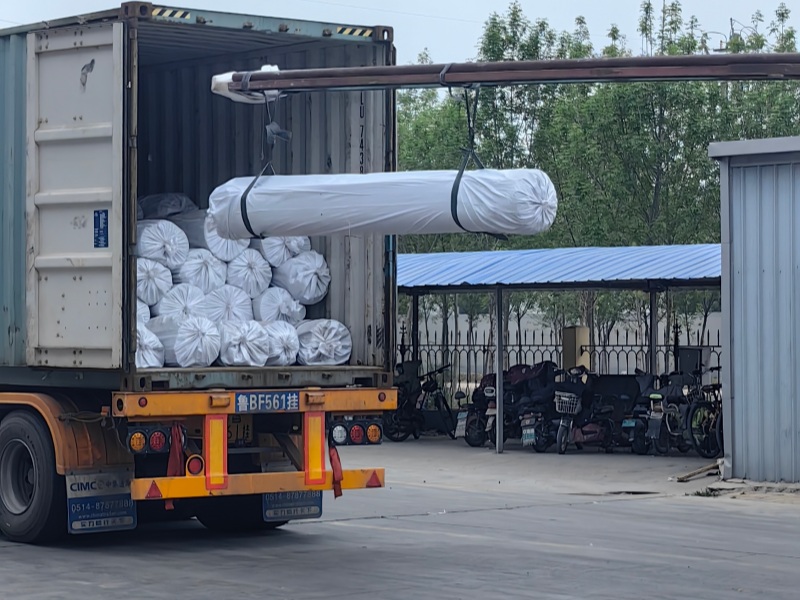
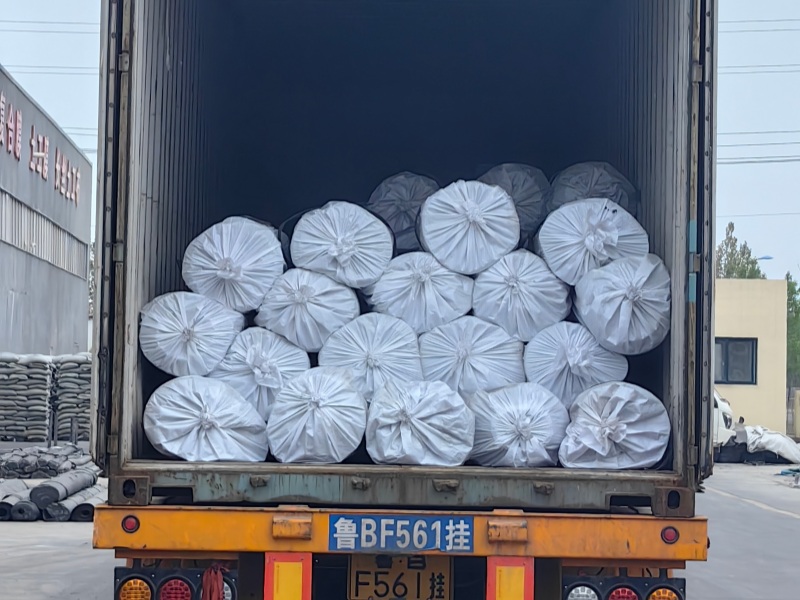
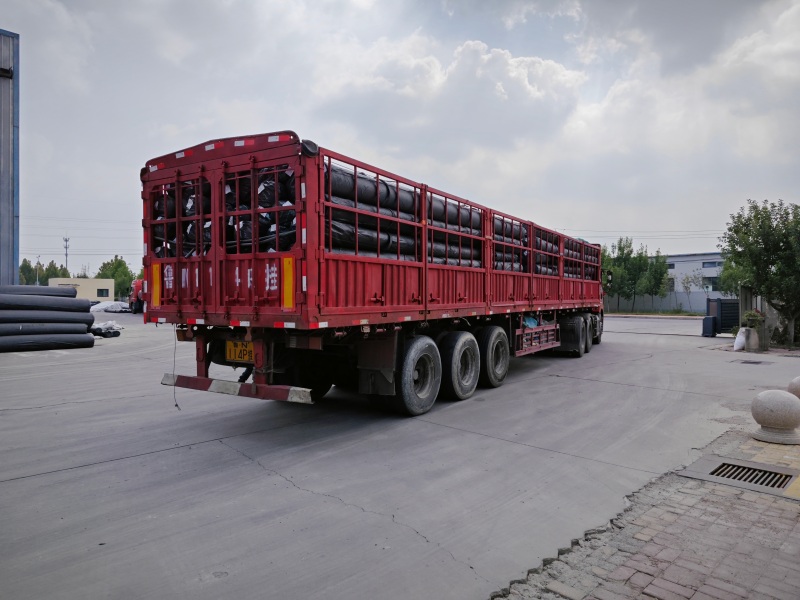
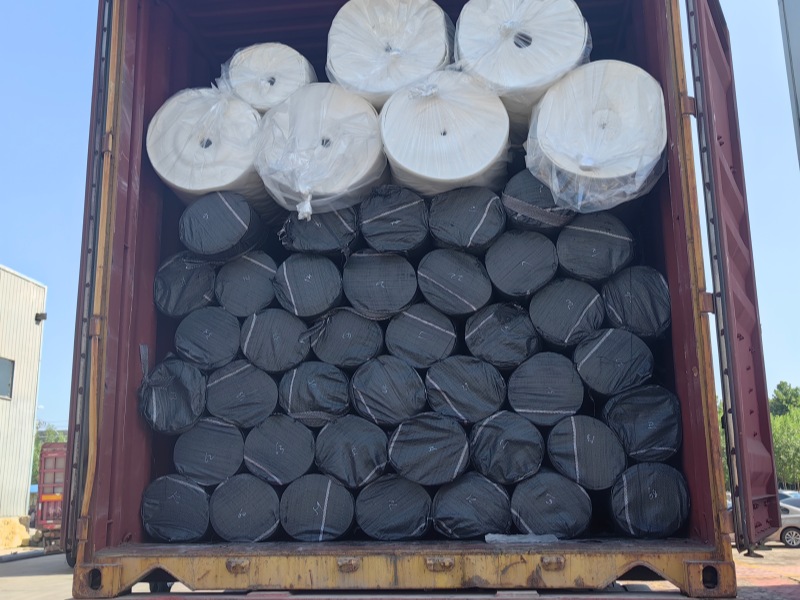
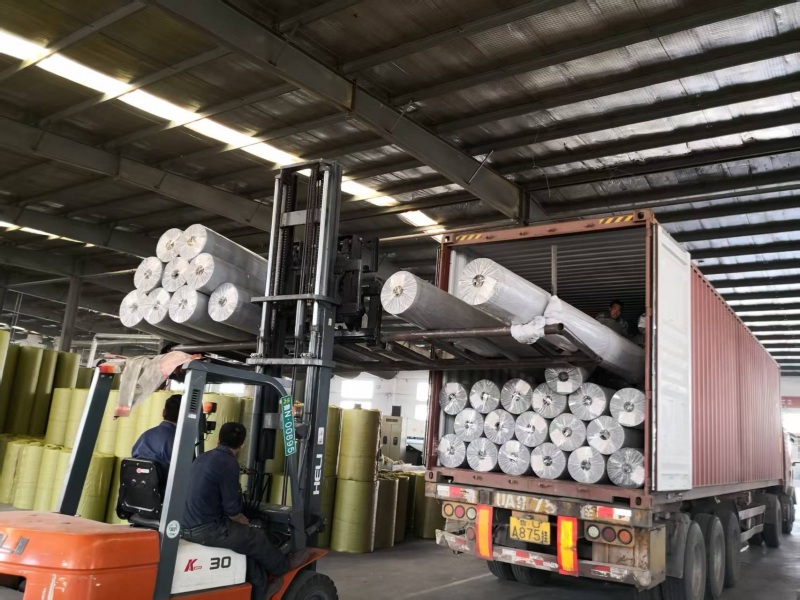
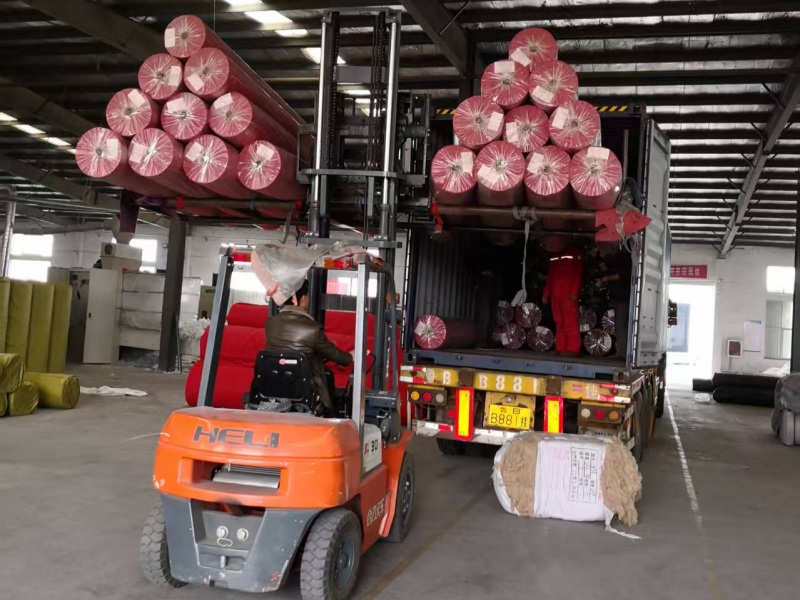
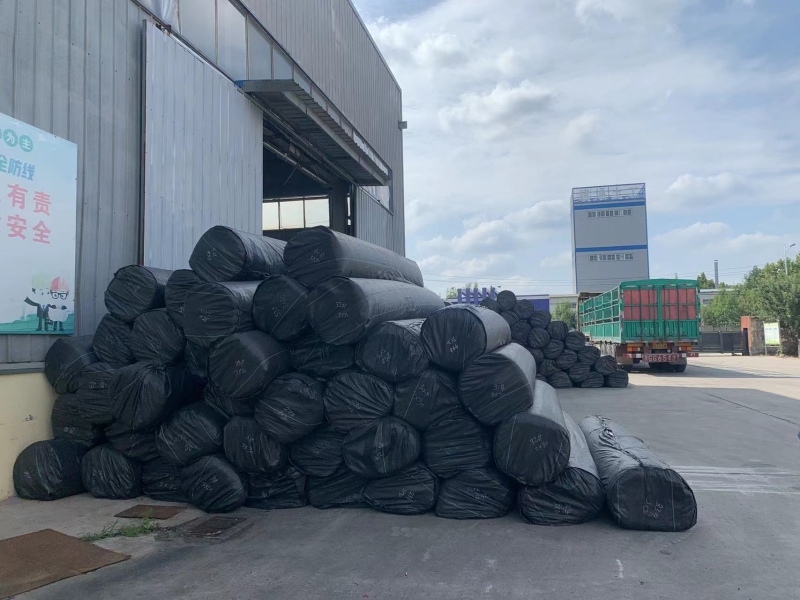
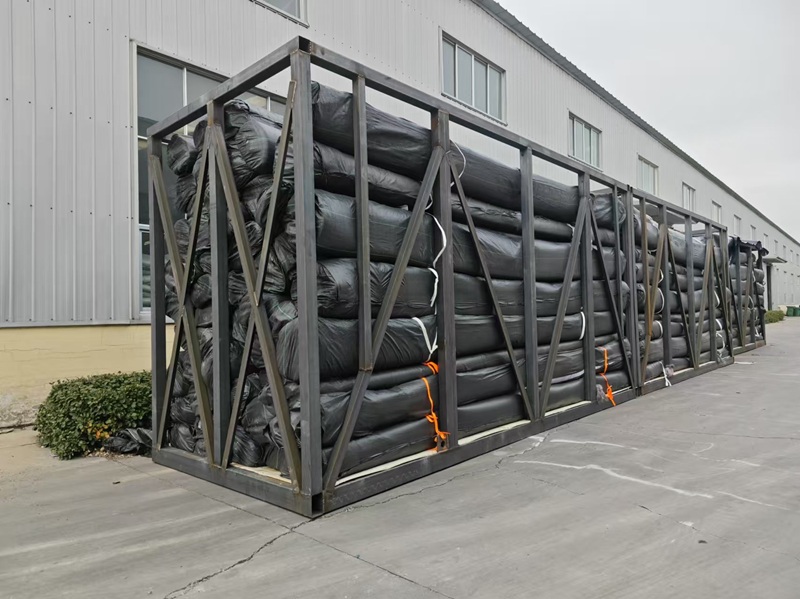
Packing And Delivery
 |
 |
 |
 |
 |
 |
 |
 |
FAQ
1、What's in it for you when you choose us?
Certification: CE/ISO 9001/GRI GT13/ASTM
15-day delivery: Direct from our Shandong manufacturing base (FOB Qingdao Port)
2、Pre-production samples are strictly conducted before mass production;
Final inspections are thoroughly conducted prior to shipment;
If you have any questions about our company or products, please feel free to contact us.
3、Can we provide samples? Is there a charge?
Yes, we can provide complimentary samples, but we are unable to cover the shipping costs.
If you place an order after confirming the sample, we will refund the shipping fee or apply it as a discount to your order value.
leave a message
Scan to Wechat/Whatsapp :



 English
 Français
 Deutsch
 Русский
 Español
 Português
 عربي
عربي Tiếng Việt
 Indonesia
 हिन्दी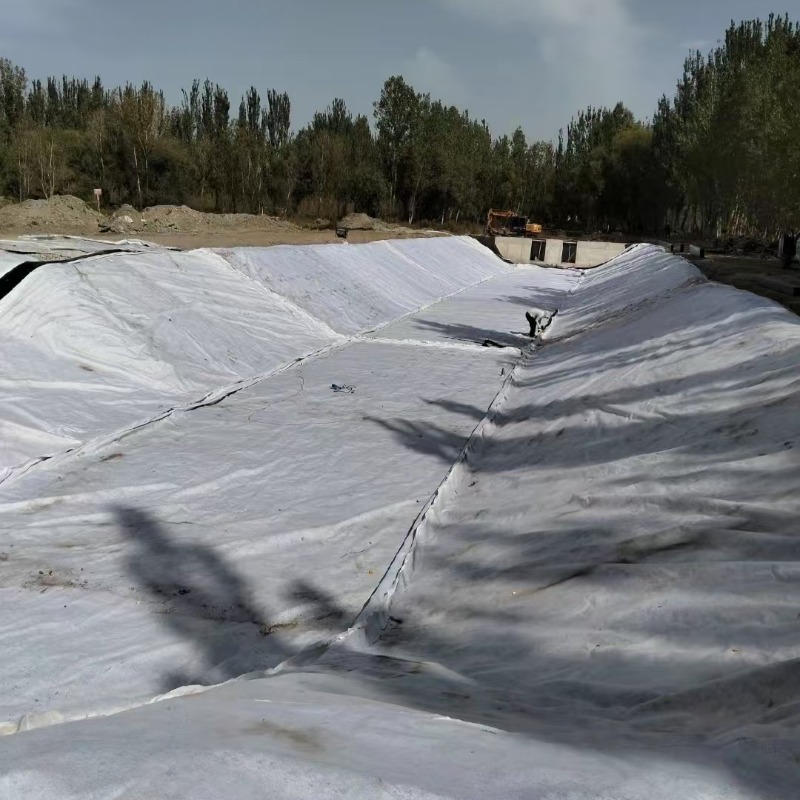


 IPv6 network supported