
leave a message
If you are interested in our products and want to know more details,please leave a message here,we will reply you as soon as we can.

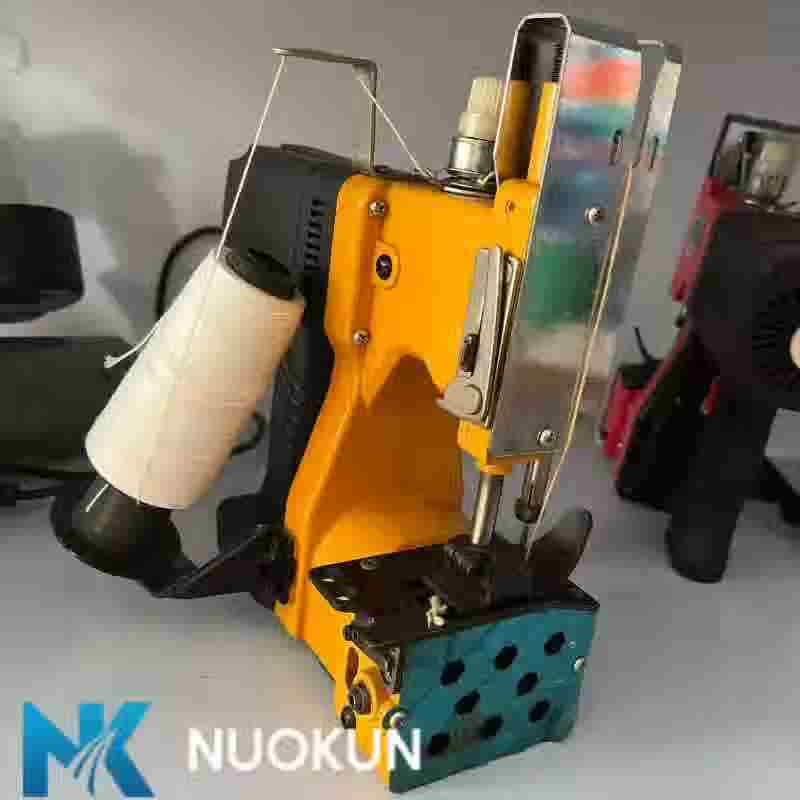
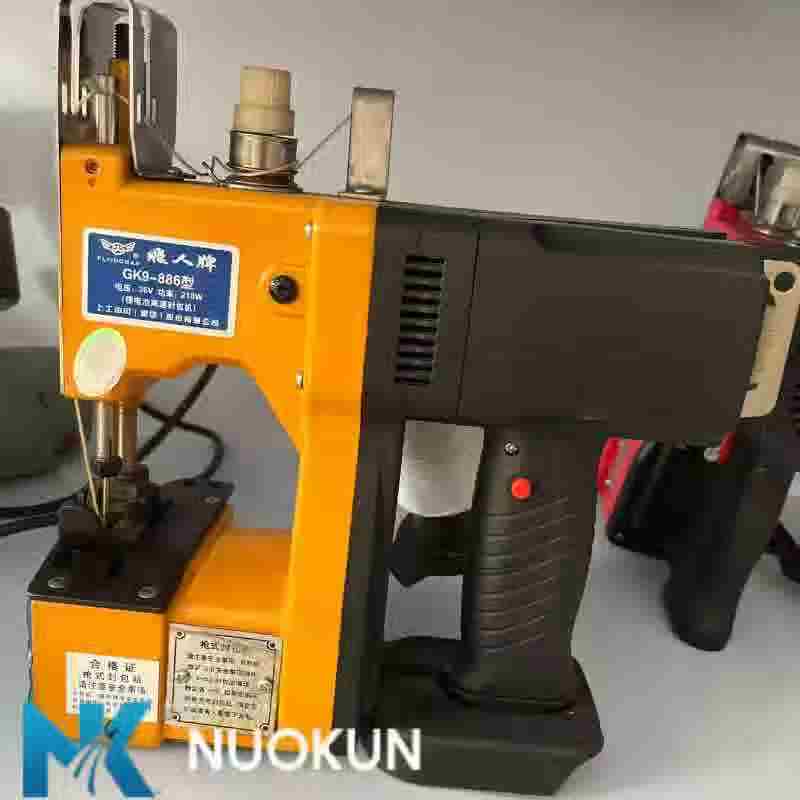
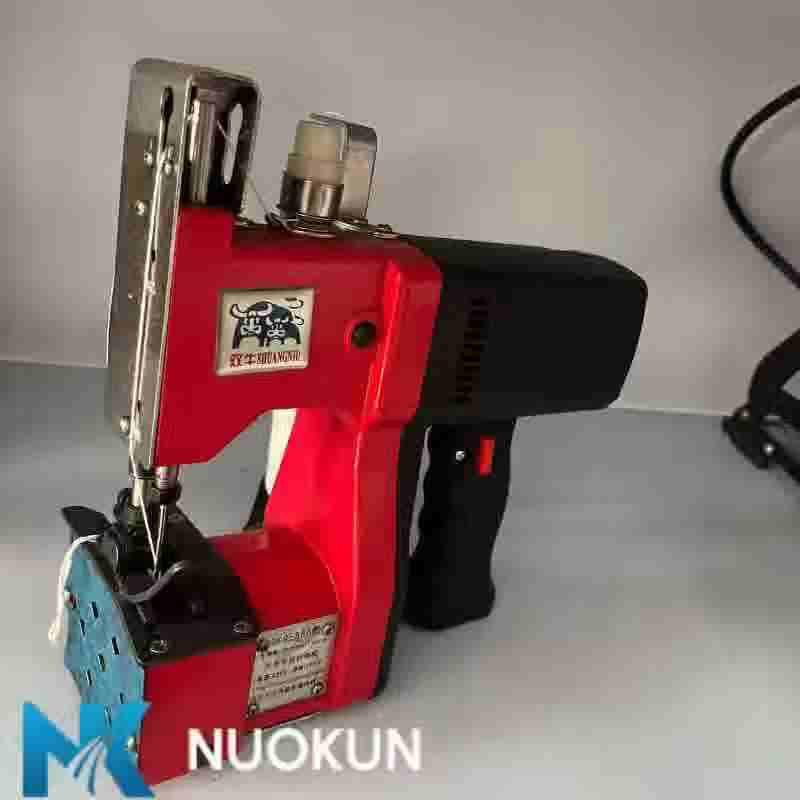
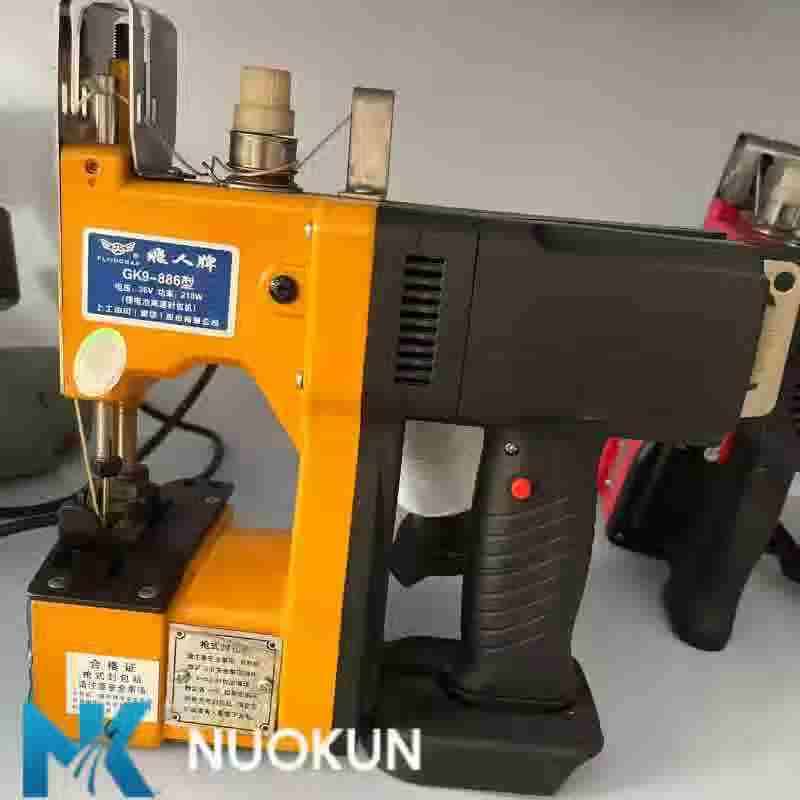
A geotextile sewing machine is specialized industrial sewing equipment used to stitch, join, or close geotextile fabrics during manufacturing, packaging, and construction operations. Depending on its design, it can be used for sewing geotextile bags, joining geotextile fabric panels, or stitching the edges of geotextile rolls.
In geotechnical engineering, geotextiles are widely used for separation, filtration, drainage, reinforcement, and erosion control. During transportation, installation, and fabrication, reliable stitching maintains the integrity of the fabric and makes handling and assembly more convenient.
Color :
Red, YellowSpecifications :
23.5*14*35Weight :
3.5kgLead Time :
7-14 days after deposit paymentOrder(MOQ) :
1 unitPayment :
FOB (Can communicate and negotiate)Product Origin :
ChinaShipping Port :
Qingdao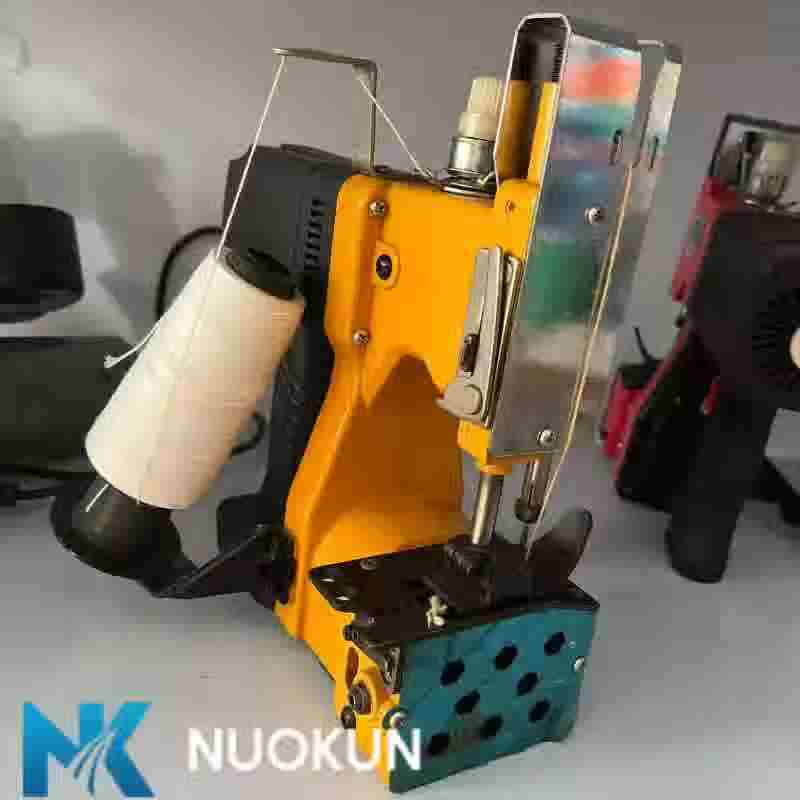
Geotextile Sewing Machine
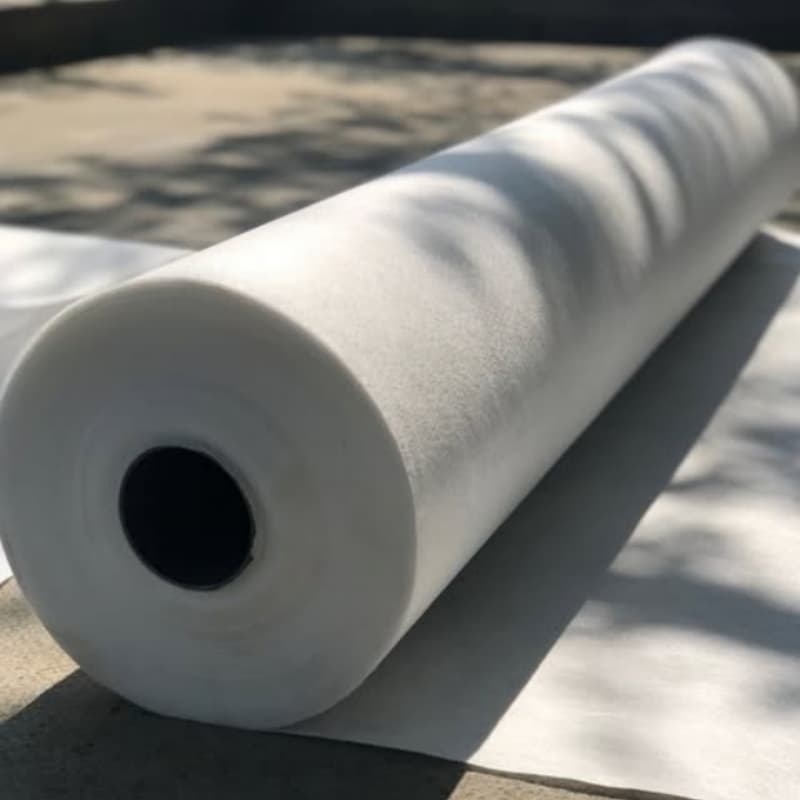
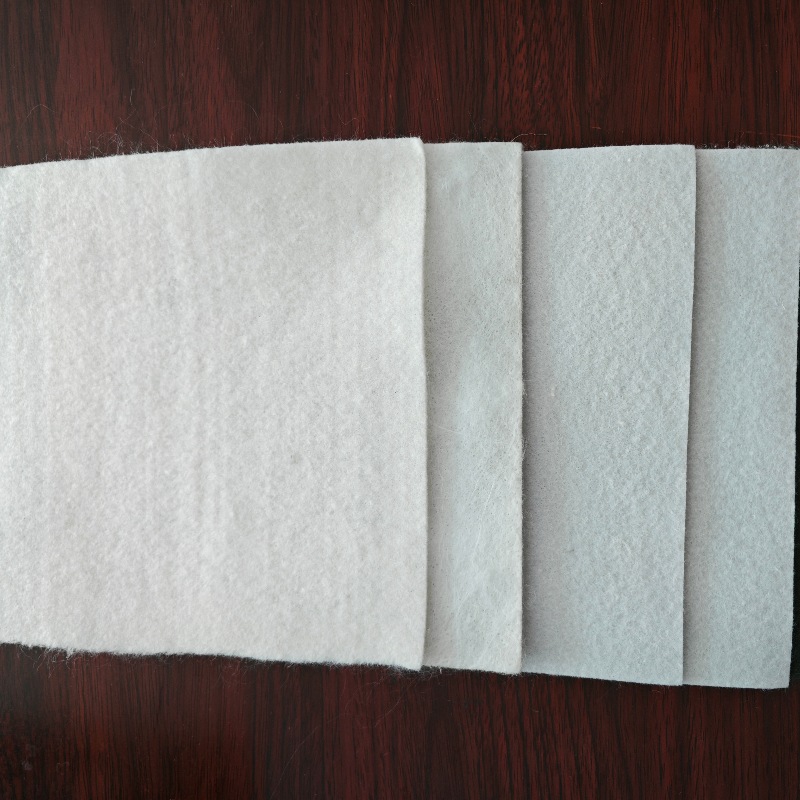
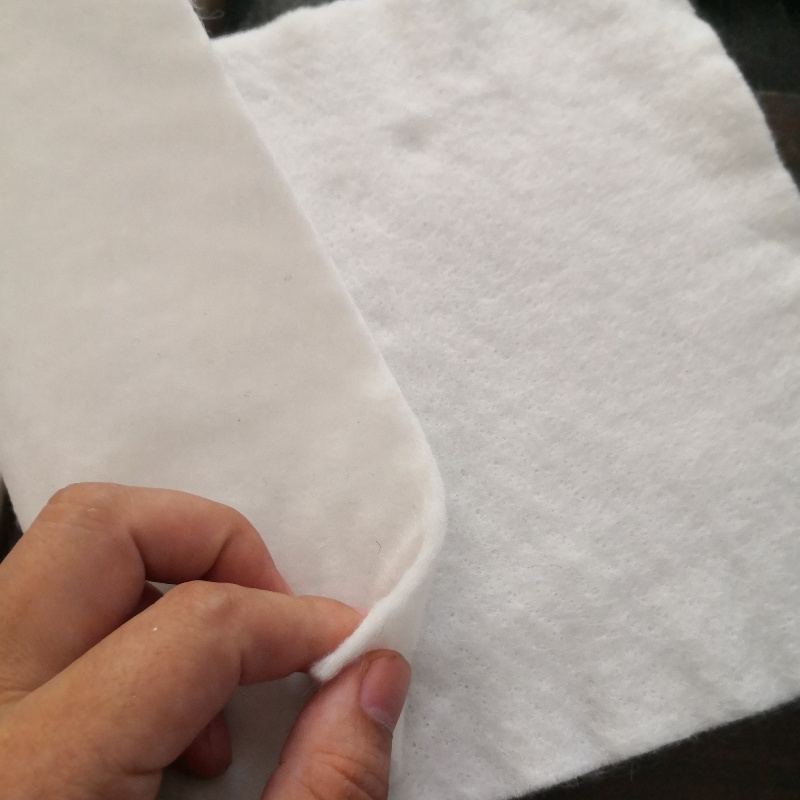
A geotextile sewing machine is an industrial sewing device designed to work with geotextile materials, including PP (polypropylene) woven geotextiles and PET (polyester) nonwoven geotextiles.
Unlike ordinary household sewing machines, industrial models are designed for continuous operation and heavier fabric applications. Depending on the machine configuration, they may feature reinforced feeding systems, adjustable stitching settings, heavy-duty needles, and durable mechanical components.
| Item | Value |
| Net weight | 3.5kg |
| Sewing speed | 1800R.p.m |
| Needle pitch | 6-11mm |
| Sewing Thickness | ≤7mm |
| Specification | 23.5*14*35 |
1. Strong and Reliable Stitching
Geotextile fabrics are often subjected to pulling forces, handling pressure, and repeated movement during transportation and installation. Proper stitching keeps fabric edges connected and reduces the risk of seam separation during handling. For projects requiring multiple fabric panels to be joined, the appropriate stitching method should be selected to meet the engineering specifications and required seam strength.
2. Improved Production Efficiency
Manual sewing can be time-consuming, especially when manufacturers need to process large quantities of geotextile rolls or bags. An industrial geotextile sewing machine streamlines repetitive sewing operations, improves working efficiency, and reduces dependence on manual labor.
3. Consistent Stitch Quality
Consistent stitch spacing and thread tension are important for producing neat and reliable seams. With properly adjusted machine settings, operators can maintain more uniform stitching quality throughout the production process. This is particularly useful for factories handling regular orders and large production volumes.
4. Suitable for Different Geotextile Materials
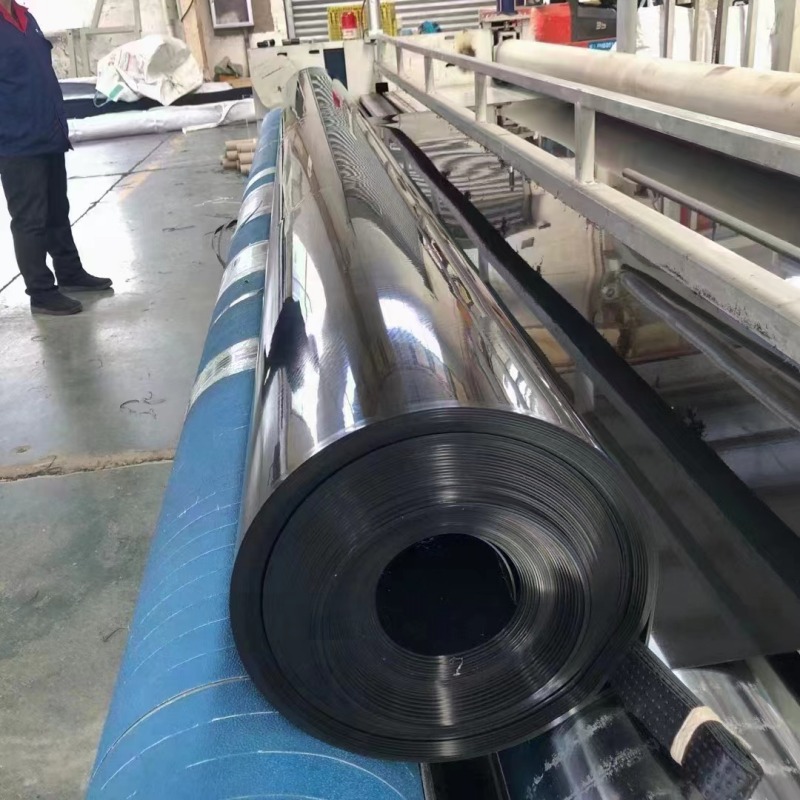
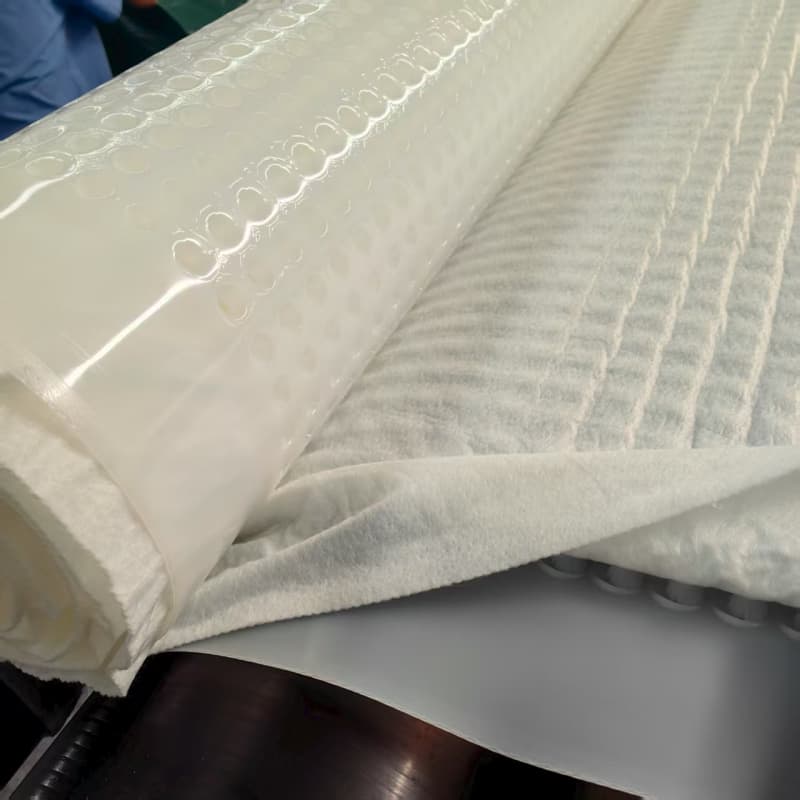
Depending on the machine model and configuration, industrial sewing equipment can be used with different geotextile materials, including:
5. Reduced Labor and Operating Costs
Automating repetitive sewing operations can reduce the amount of manual work required per unit. For geotextile manufacturers, this can improve production organization, shorten processing time, and reduce long-term labor costs.
Step 1. Cleaning the Machine
Before starting the adjustment process, thoroughly clean the geotextile sewing machine. Remove dust, fabric fibers, thread residues, and other debris from the machine surface and internal components. Make sure there are no foreign objects blocking the moving parts or feeding mechanisms.
Step 2. Loosen the Cutter Bracket
Before making adjustments, loosen the cutter bracket completely as required by the machine design. This prevents the cutter bracket from moving together with the sewing head during the adjustment process.
Step 3. Adjust the Thread Spool Position
Position the thread spool correctly to ensure smooth and uninterrupted thread feeding. Check the thread path and make sure the thread does not become twisted, tangled, or obstructed during operation.
Step 4. Select and Install the Appropriate Cutter Disc
Choose a suitable cutter disc to meet the machine's intended application. Make sure the cutter disc is compatible with the gearbox and is properly installed to ensure smooth cutting performance.
Step 5. Adjust the Gearbox
The speed adjustment mechanism can be used to regulate the gearbox operating speed to meet the required sewing performance. Select an appropriate speed based on the material type, fabric thickness, and production requirements.
Step 6. Adjust the Thread Cutter
Position the thread cutter correctly and check that it moves freely and smoothly. Proper adjustment ensures clean thread cutting and reduces the possibility of thread jamming or incomplete cutting.
Step 7. Prepare the Materials
Prepare the geotextile fabric, woven bags, or other materials that need to be sewn. Check the material condition and ensure that the fabric edges or bag openings are properly positioned before feeding them into the machine.
Step 8. Set Up the Threading System
Install the sewing thread and connect it through the designated thread guides to meet the machine's threading diagram. Adjust the thread tension and make sure the thread runs smoothly without twisting, tangling, or knotting.
Step 9. Position the Sewing Machine
Place or position the geotextile sewing machine at the designated working location. Check that the machine is stable, the power supply is suitable, and all operating components are ready. Switch on the power after completing the safety checks.
Step 10. Start Sewing
Once all preparations are complete, start the machine and feed the material through the sewing area at a steady speed. Maintain consistent material feeding and follow the recommended operating procedures to achieve uniform stitches.
Step 11. Finish the Sewing Operation
After completing the sewing process, switch off the machine and disconnect the power supply when required. Remove the finished material and clean away thread waste, fabric fibers, and other debris from the working area. Regular cleaning and maintenance keep the industrial geotextile sewing machine in good working condition and support long-term operational reliability.
 |
 |
 |
 |
 |
FAQ
Q1: What thickness of geotextile can a geotextile sewing machine sew?
The applicable thickness depends on the equipment model. Some machines may cover approximately 0.8–7.0 mm, but the exact range should be confirmed to meet the selected model and geotextile material.
Q2: What is a geotextile sewing machine used for?
A geotextile sewing machine is used for stitching geotextile materials, closing geotextile bags, sewing fabric edges, or joining fabric panels.
Q3: How can I improve the stitching quality of geotextile fabric?
Choose the correct needle and thread, adjust thread tension and stitch length, maintain consistent feeding speed, and conduct trial sewing before production. Regular machine maintenance is also important.
leave a message
Scan to Wechat/Whatsapp :



 English
 Français
 Deutsch
 Русский
 Español
 Português
 عربي
 Tiếng Việt
 Indonesia
 हिन्दी




 IPv6 network supported