
leave a message
If you are interested in our products and want to know more details,please leave a message here,we will reply you as soon as we can.
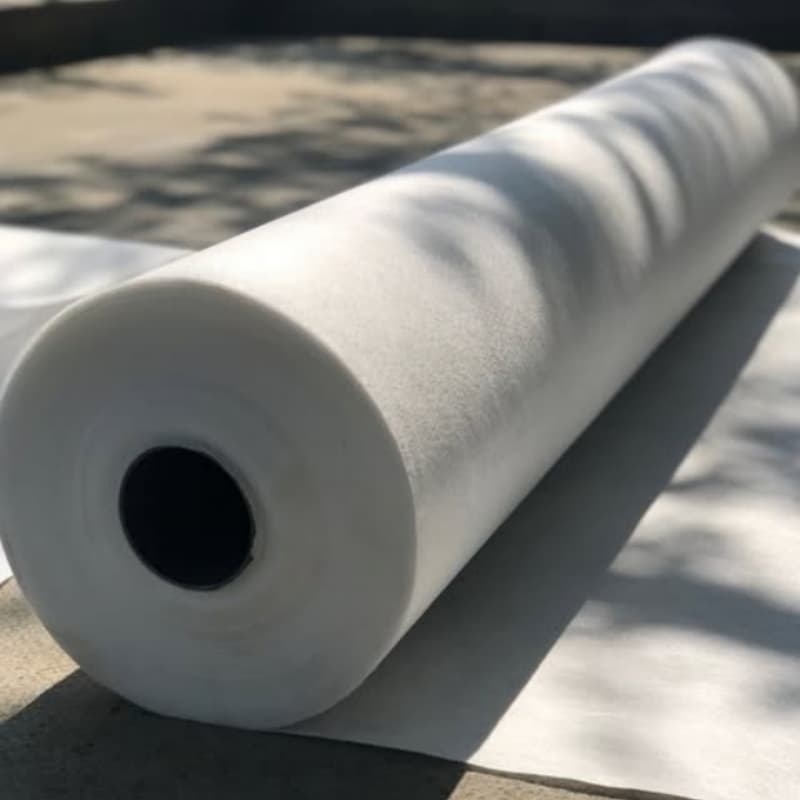
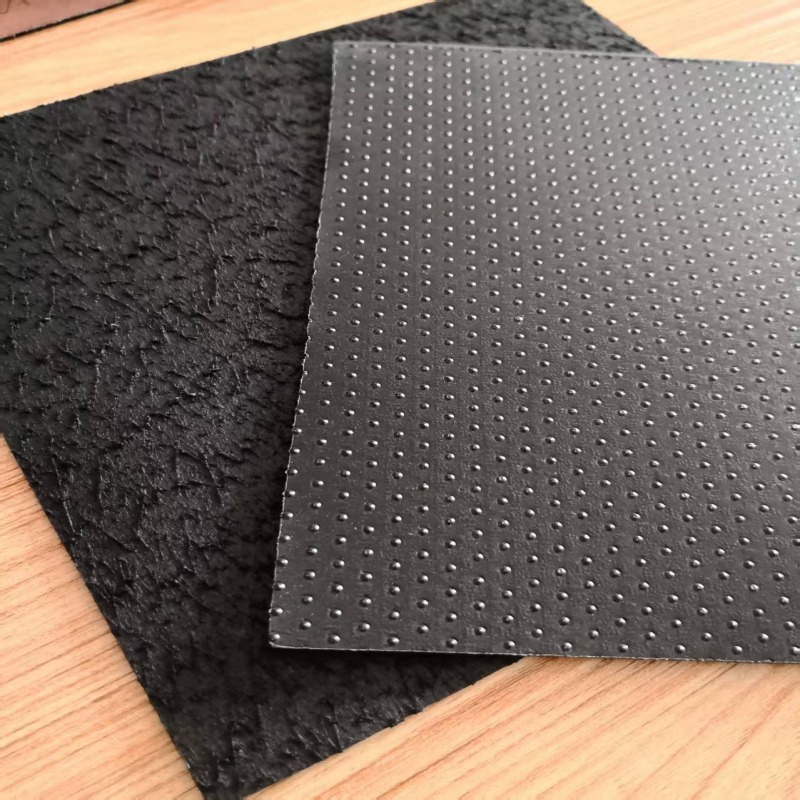
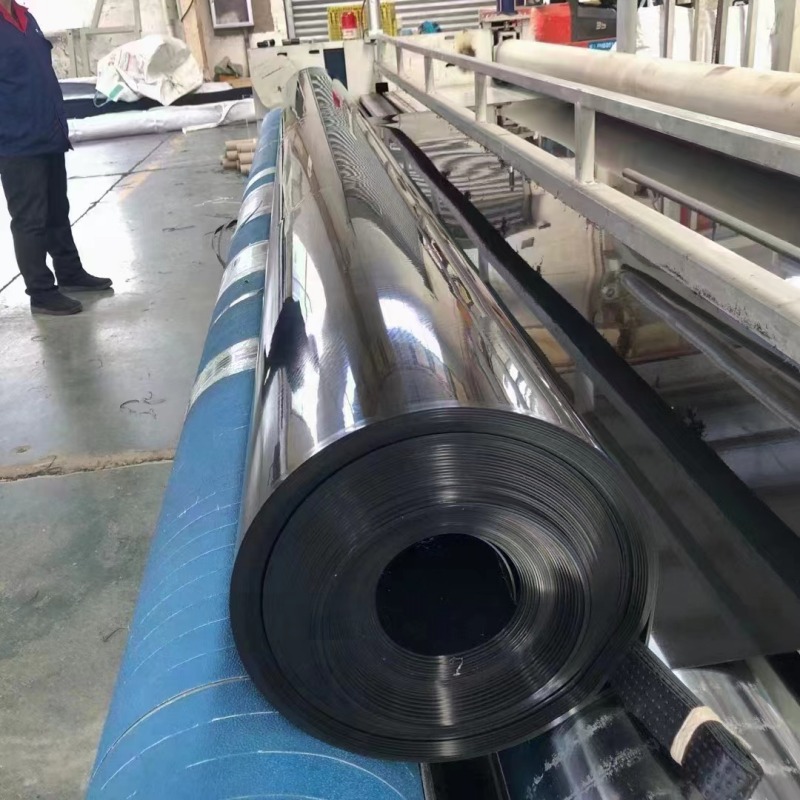
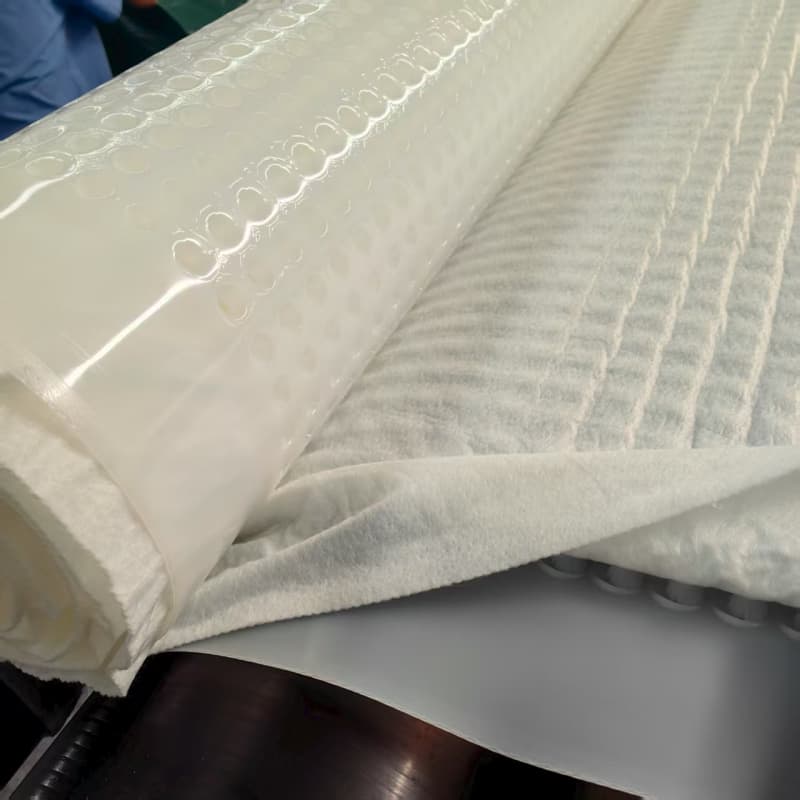
Geosynthetic Clay Liner is a new type of geosynthetic material. Using natural sodium based bentonite as the material, bentonite particles are fixed between two layers of geotextile through a special process to produce a bentonite waterproof blanket, which not only has all the characteristics of geotextile, but has excellent waterproof (permeability) performance.
NuoKun manufactures geosynthetic clay liners with unit masses ranging from 3000 to 8000 g/m². For contaminated site remediation, 6500 g/m² is a recommended specification to consider. Compared with other specifications of geosynthetic clay liner, 6500 g/m² GCL generally provides a greater material basis for swelling, filling small gaps, and forming a continuous low-permeability barrier. When properly selected and installed, it reduces the risk of water and contaminant-bearing liquid seepage, providing more reliable protection for soil and groundwater.
| Item | Common Specification |
| Bentonite swell index (ml/2g) | ≥24 |
| Fluid loss / mL | ≤18 |
| Permeability coefficient (m/s) | ≤5.0x10⁻¹² |
| Tensile strength | ≥600 (N/100mm) |
| Elongation at max load (%) | ≥10 |
1. Reduce Contaminant Migration Through Seepage
When properly hydrated and confined, bentonite forms a low-permeability barrier that reduces water flow through the liner. This reduces the risk of contaminants migrating with seepage water.
2. Create a Barrier Around Contaminated Soil
Where excavation is impractical or in-situ containment is part of the remediation strategy, GCL can be installed above, beneath, or around contaminated areas as specified by the engineering design. It may be combined with protective soil layers and other barrier materials to limit contaminant migration.
3. Combine GCL with HDPE Geomembrane
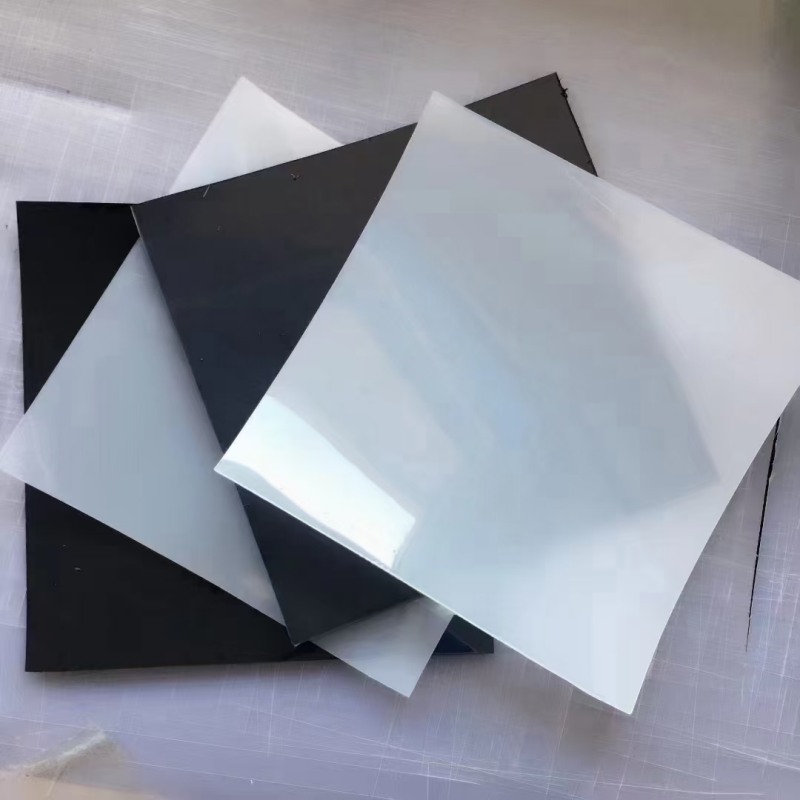
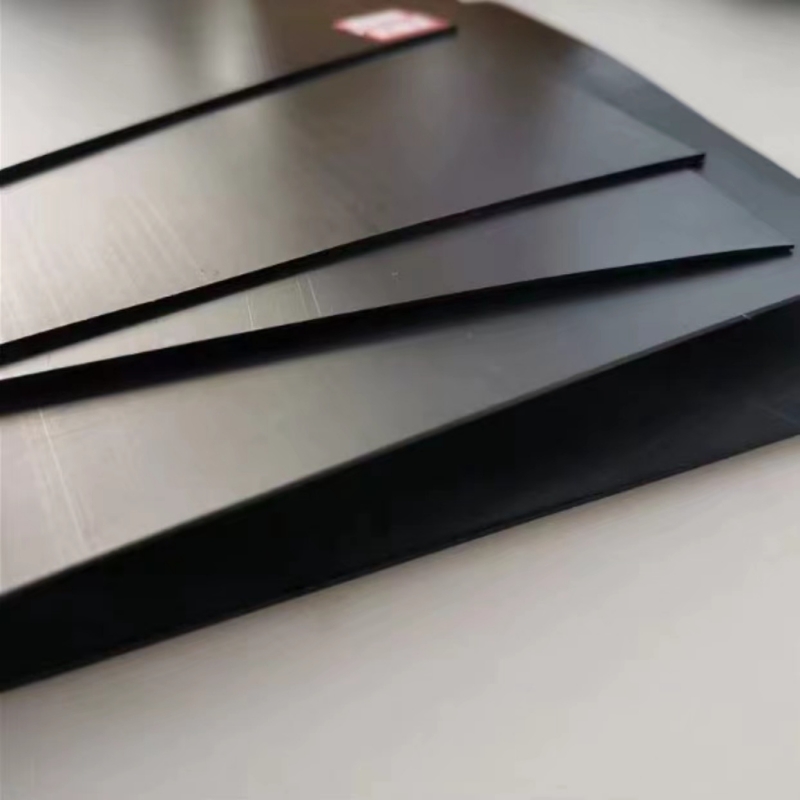
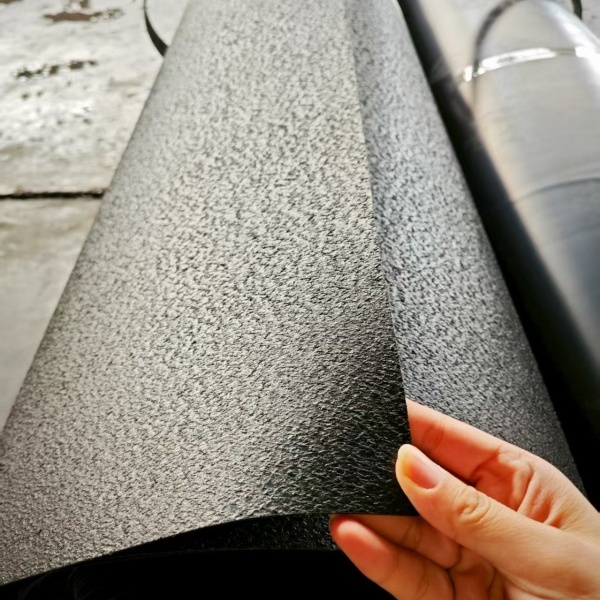
For highly contaminated sites, projects with strict groundwater protection requirements, or applications involving chemically aggressive liquids, a composite barrier incorporating GCL and HDPE geomembrane may be considered. The HDPE geomembrane provides a continuous barrier, while the GCL contributes a low-permeability clay layer. Their combination improve overall containment reliability when properly installed.
4. Accommodate Certain Subgrade Variations
Compared with field-compacted clay liners, factory-manufactured GCLs offer relatively uniform construction and convenient installation. Some needle-punched reinforced products also provide useful internal and interface shear resistance.
A former chemical recycling facility in New Zealand, required contaminated site remediation. The soil was heavily contaminated, and excavating and transporting all contaminated soil for off-site disposal would have been expensive. High winds and very cold weather also created additional challenges during installation of the containment system. The main engineering priorities were to isolate contaminated soil, control contaminant migration, and protect surrounding soil and groundwater.
In order to solve these problems, NuoKun recommends 6500g/m² geosynthetic clay liner. When exposed to water, the natural sodium bentonite swells and forms a dense, low-permeability barrier, providing effective seepage control and preventing contaminants from migrating into surrounding soil and groundwater. Three months after installation, seepage concerns of contaminated site have been resolved.
Q1: What guarantees can we provide?
Product Specification: JC/T193-2006.
15-day delivery: Direct from our Shandong manufacturing base (FOB Qingdao)
Competitive Prices: Factory-Direct Prices, No Middlemen.
Q2: Why is 6500 g/m² GCL recommended for contaminated site remediation?
A 6500 g/m² product can be considered as a starting specification where a relatively high unit mass is required. However, it is not a universal standard for all contaminated sites. Selection should consider many factors, such as bentonite mass, finished product structure, hydraulic conductivity, chemical compatibility, and project requirements.
Q3: Can GCL be installed in direct contact with contaminated soil?
It depends on the type, concentration, and chemical properties of the contaminants. Many factors may affect bentonite swelling or hydraulic performance, such as certain salts, strong acids, strong alkalis, and organic chemicals. Therefore, compatibility testing is recommended where chemical exposure may be significant.
Q4: Can GCL completely prevent contaminant migration?
GCL alone cannot guarantee the complete prevention of all contaminant migration. Performance depends on material properties, chemical compatibility, panel overlaps, subgrade conditions, construction quality, and the design of the overall containment system.
leave a message
Scan to Wechat/Whatsapp :



 English
 Français
 Deutsch
 Русский
 Español
 Português
 عربي
 Tiếng Việt
 Indonesia
 हिन्दी




 IPv6 network supported