
leave a message
If you are interested in our products and want to know more details,please leave a message here,we will reply you as soon as we can.
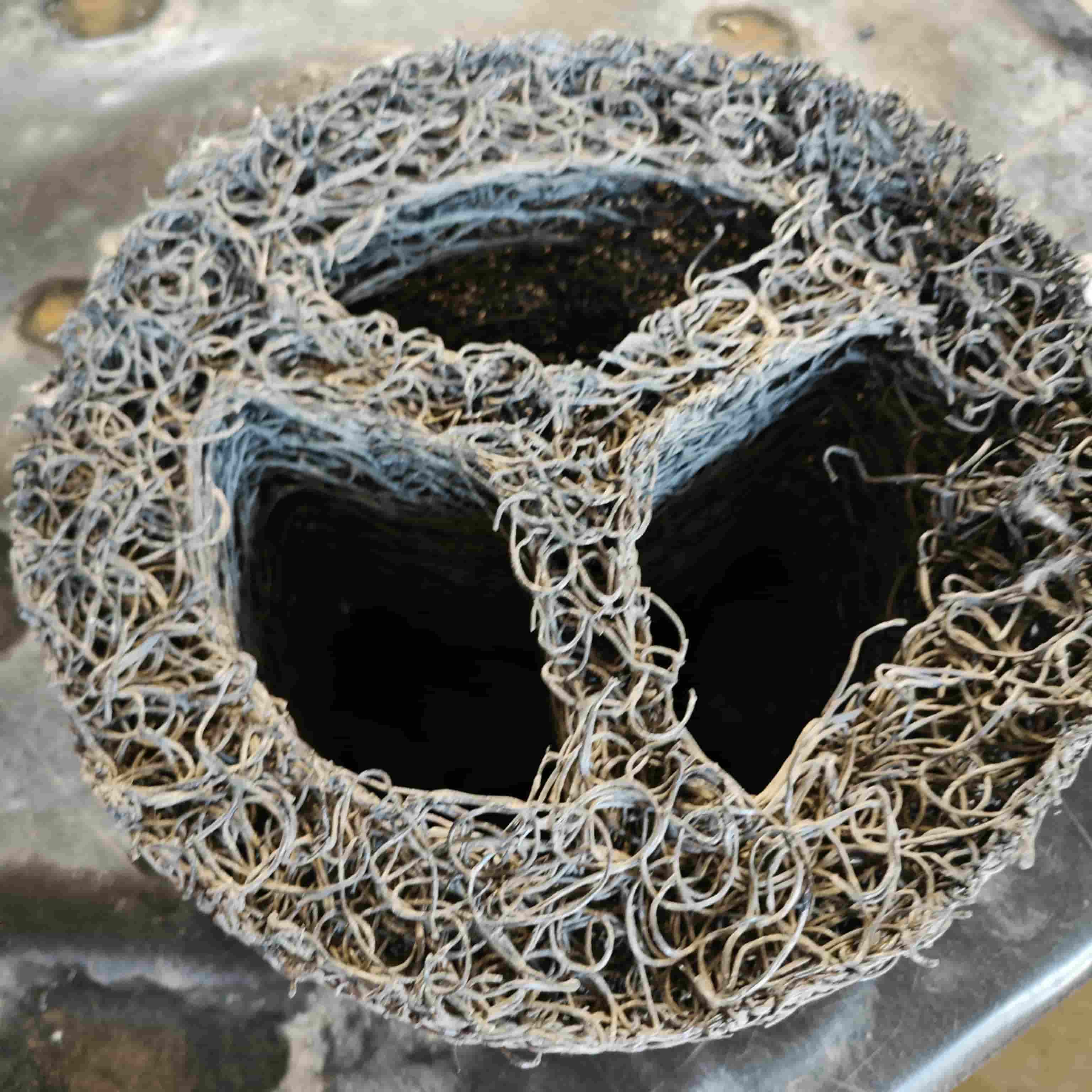
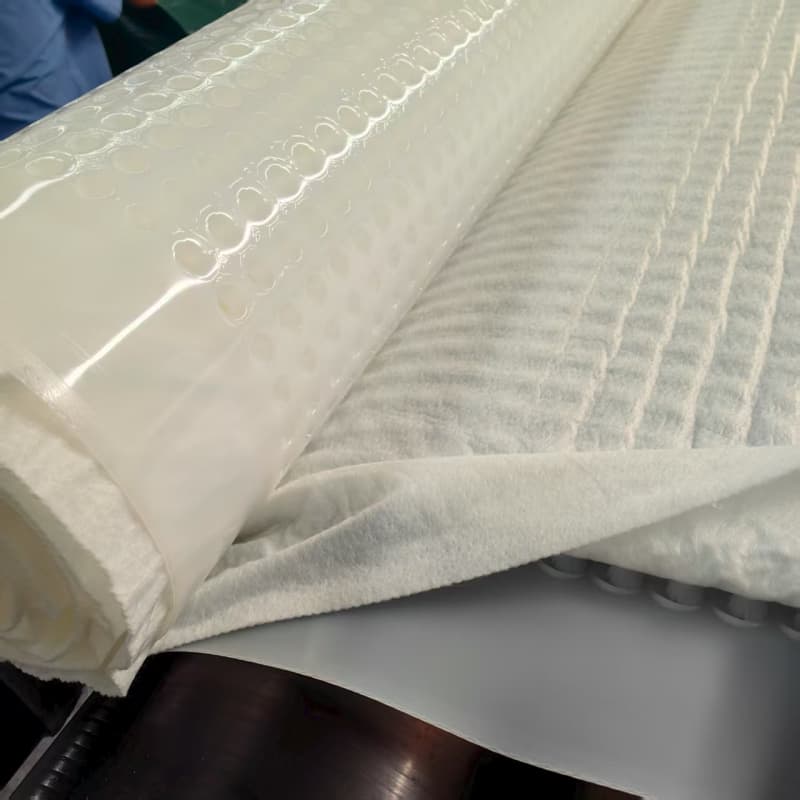
Plastic Blind Drain is a composite drainage product that combines a three-dimensional polymer drainage core with a geotextile filter fabric. The drainage core is commonly manufactured from polystyrene (PS) or polyethylene (PE), forming an open-channel structure that provides continuous water flow while maintaining high compressive strength.
The PS or PE polymer material accounts for approximately 95% of the main product structure. The specially formed plastic core creates a continuous internal drainage path, while the geotextile acts as a filter. Water enters the drainage core while soil particles are retained outside the drainage channel.
The basic working process is: Groundwater enters the filter layer → the geotextile filters soil particles → water enters the plastic drainage core → water flows through the drainage channel → water is discharged to a collection well, drainage pipe or other outlet system.
| Item | Specification | Engineering Importance |
| Polymer Content | Approxiately 95% | Main structural material |
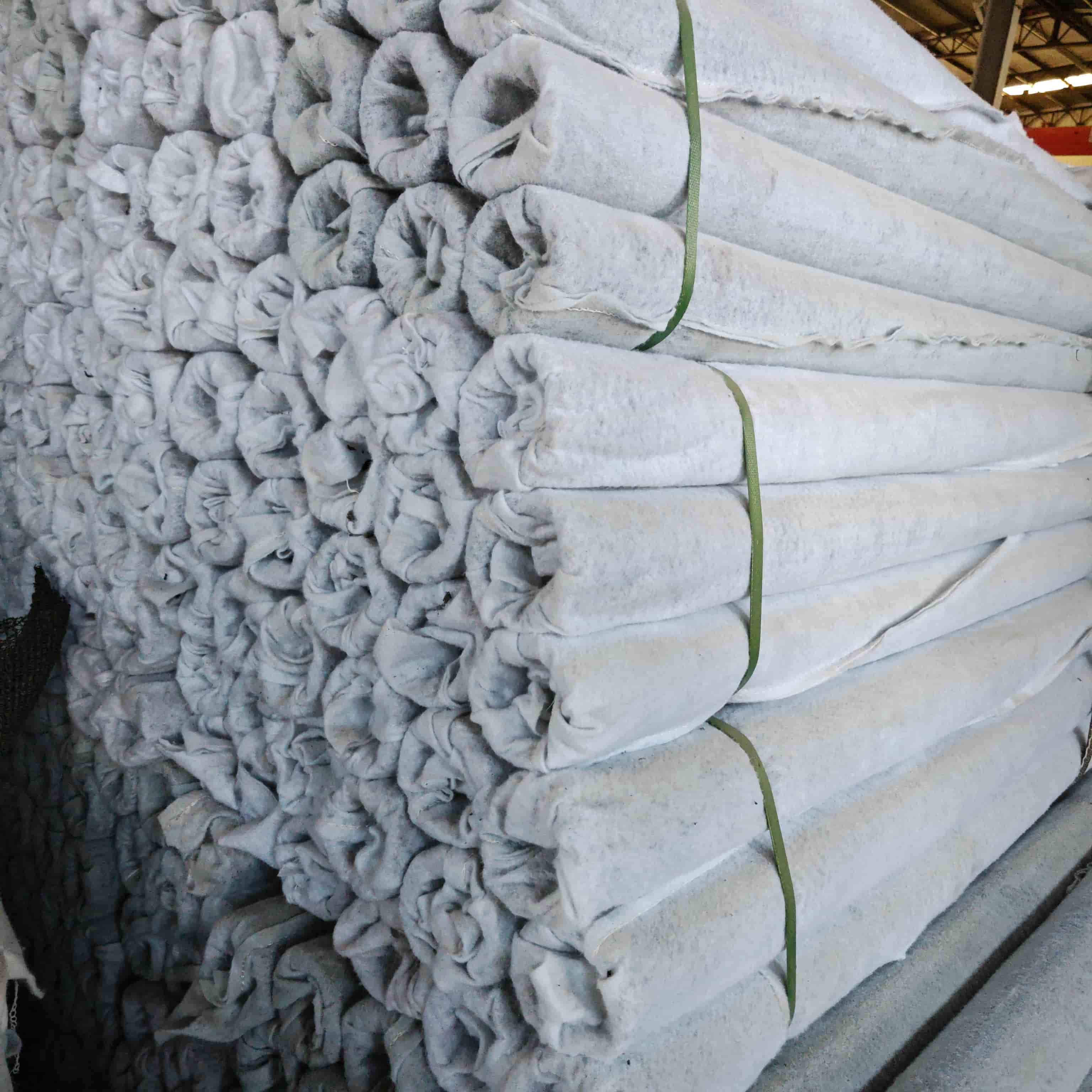
| Filter Layer | Woven / Nonwoven Geotextile | Soil-water separation and filtration |
| Core Structure | Circular/Rectangular/Sheet-type | Selected to meet installation space |
| Drainage Structure | 3D plastic structure | Provides internal water-flow space |
| Composite Structure | Thermal or mechanical bonding | Depands on product design |
Plastic Blind Drain can be understood as an underground water collection and conveyance channel. When rainfall, groundwater or water within the surrounding soil reaches the drainage area, it first comes into contact with the geotextile filter layer.
Step 1: Water Enters the Filter Layer
Water passes through the geotextile into the drainage core. At the same time, the geotextile limits the movement of soil particles into the internal drainage channel.
Step 2: Water Enters the Plastic Drainage Core
After passing through the filter layer, water enters the PS or PE drainage core. The three-dimensional structure provides an open pathway for water flow.
Step 3: Water Moves Along the Drainage Core
Water is conveyed along the length of the drainage product toward the downstream side. For gravity drainage systems, the drainage route normally needs an appropriate design gradient.
Step 4: Water Is Connected to the Final Outlet
The Plastic Blind Drain normally needs to connect to another drainage facility, such as:
The Plastic Blind Drain is one component of a complete subsurface drainage system. A complete system can generally be understood as: Collection → Filtration → Conveyance → Flow Collection → Discharge.
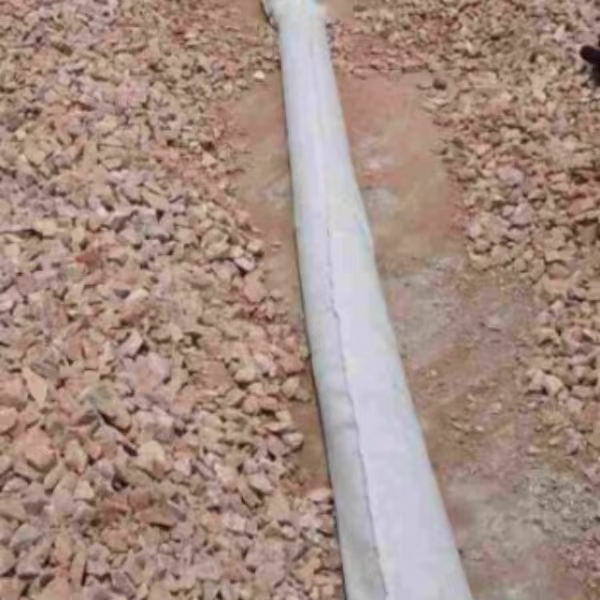
The study was conducted on State Route 16 near Granville, Ohio. Four independent longitudinal edge-drain systems were installed. Three systems used polyethylene (PE) drainage cores surrounded by geotextile filter fabric. The conventional comparison system used a 4-inch (approximately 102 mm) perforated polyethylene drain pipe installed in a trench about 10 inches (254 mm) wide and backfilled with pea gravel. The drainage systems were installed within 36 inches (approximately 0.91 m) of the highway surface and connected to outlet pipes.
The study focused on excessive water accumulation within the highway subbase. Previous monitoring showed that piezometric water levels could rise above the roadway surface, indicating that excess water was not being removed effectively. To improve subsurface drainage, longitudinal edge-drain systems were installed between the shoulder and traffic lane to collect and convey water toward dedicated outlets. Monitoring was conducted from April 1991 to November 1993. The results showed different hydraulic responses among the drainage configurations; the conventional pipe and Oblong-Pipe systems generally produced some of the highest maximum discharges and largest discharge volumes. The case demonstrates how a PE drainage core combined with a geotextile filter layer can collect and convey subsurface water beneath highways, while the final drainage capacity, filtration properties, dimensions, and installation details should be selected to meet actual site conditions.
Q1: What Guarantees Do You Provide When Choosing us?
Our products are manufactured to meet universally recognized standards, with available certifications and test reports, including ASTM D4716 and GRI GC8.
Q2: Why does a Plastic Blind Drain need a geotextile filter layer?
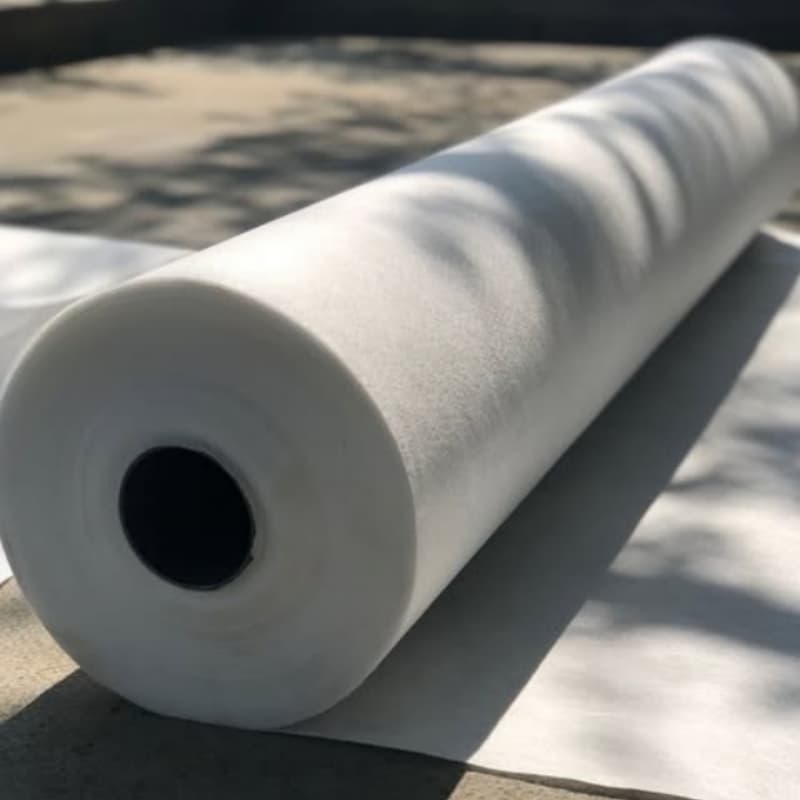
The geotextile is not simply an outer covering. Its main function is soil-water separation. It allows groundwater to enter the drainage core while limiting the migration of fine soil particles into the internal channels. This reduces the risk of clogging during long-term operation. Geotextile selection should consider soil type, particle-size distribution, groundwater conditions, and the required drainage flow.
Q3: Where can Plastic Blind Drain be used?
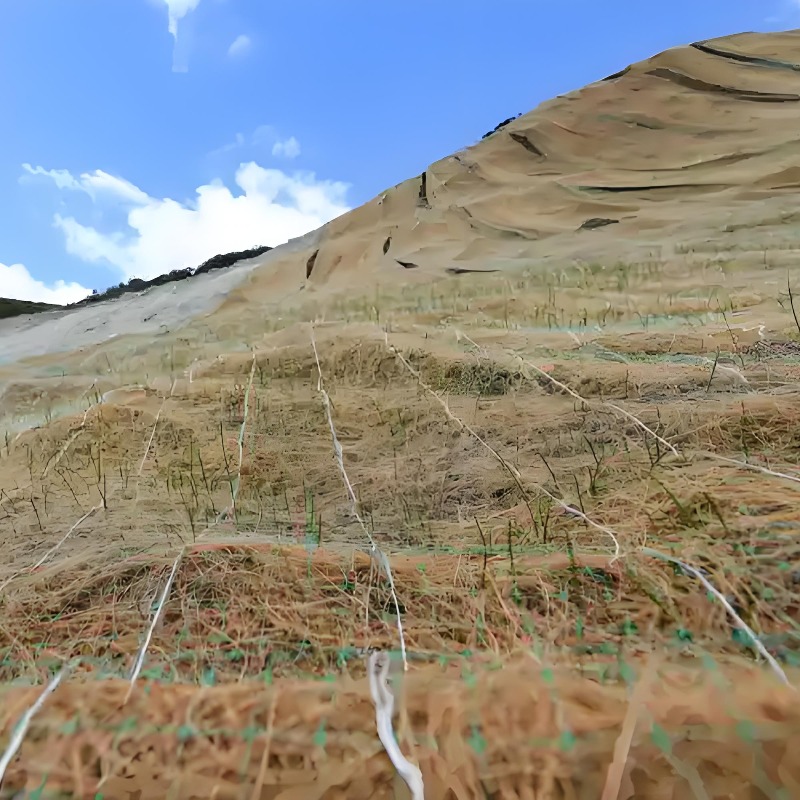
Plastic Blind Drain can be used for road subgrade drainage, slope drainage, retaining-wall drainage, underground structure drainage, tunnel drainage, green-roof drainage, and other subsurface drainage applications. The appropriate product should be selected to meet the required flow, soil conditions, and final discharge arrangement.
leave a message
Scan to Wechat/Whatsapp :



 English
 Français
 Deutsch
 Русский
 Español
 Português
 عربي
عربي Tiếng Việt
 Indonesia
 हिन्दी




 IPv6 network supported