leave a message
If you are interested in our products and want to know more details,please leave a message here,we will reply you as soon as we can.

Why is Global Demand for Geosynthetics Increasing?
Global demand for geosynthetics is closely linked to the way infrastructure is being built today. Roads, railways, reservoirs, wastewater facilities, landfills, mining sites, agricultural ponds, and other civil engineering projects all have different ground and water-control requirements. In many of these projects, engineers need to manage leakage, soil movement, drainage, settlement, and erosion over many years rather than simply complete the initial construction.
Traditional materials such as concrete, compacted clay, sand, and aggregate still have an important role in construction. However, large projects can make their limitations more obvious. Moving large volumes of soil or aggregate requires more trucks, more site space, and more time. On difficult sites, achieving consistent compaction or maintaining a stable drainage layer can also be challenging.
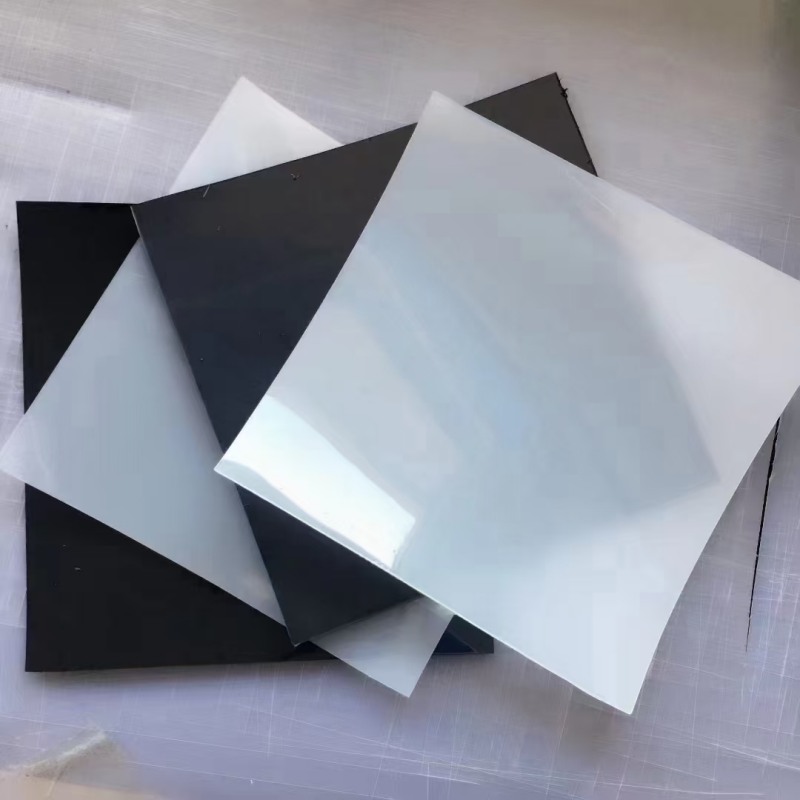
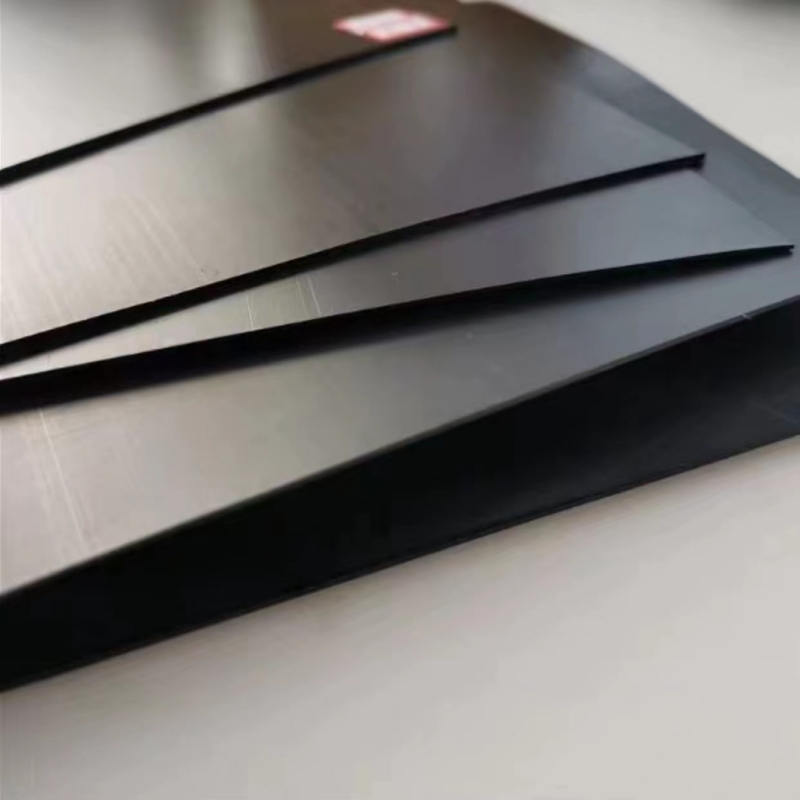
Geosynthetics offer another way to approach these problems. Instead of relying on one material to do everything, engineers can select different products according to the function required. HDPE geomembranes provide a low-permeability barrier for water and contaminated liquids. Geotextiles are used for separation, filtration, drainage, and protection. Geogrids provide reinforcement by improving interaction between soil and aggregate.
It comes from a wider need for materials that are easier to transport, faster to install, suitable for difficult site conditions, and capable of delivering predictable performance over the service life of a project.
Infrastructure Development and Ground Improvement
Infrastructure development remains one of the largest application areas for geosynthetics. New roads, railways, airports, ports, industrial parks, and logistics facilities are being built in areas where ground conditions are not always ideal. Soft soil, high groundwater levels, uneven subgrade conditions, and long-term settlement can all affect the performance of the finished structure.
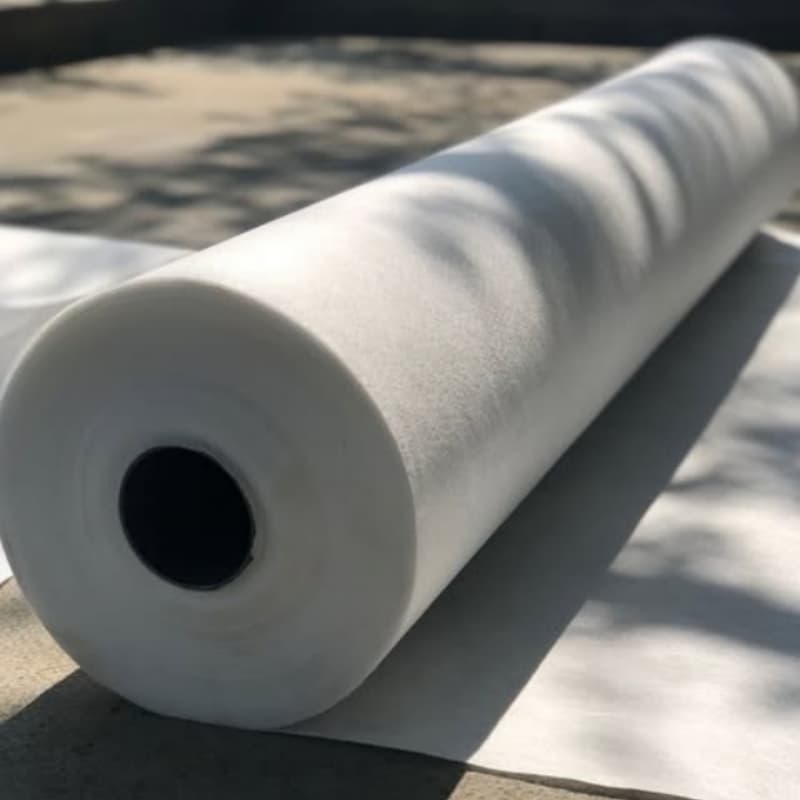
Geotextiles are often used where different soil or aggregate layers need to remain separated. A geotextile layer can prevent fine soil from migrating into a drainage or aggregate layer while still allowing water to pass through. This is particularly useful in road construction, where uncontrolled mixing between the subgrade and aggregate can reduce the performance of the pavement structure.
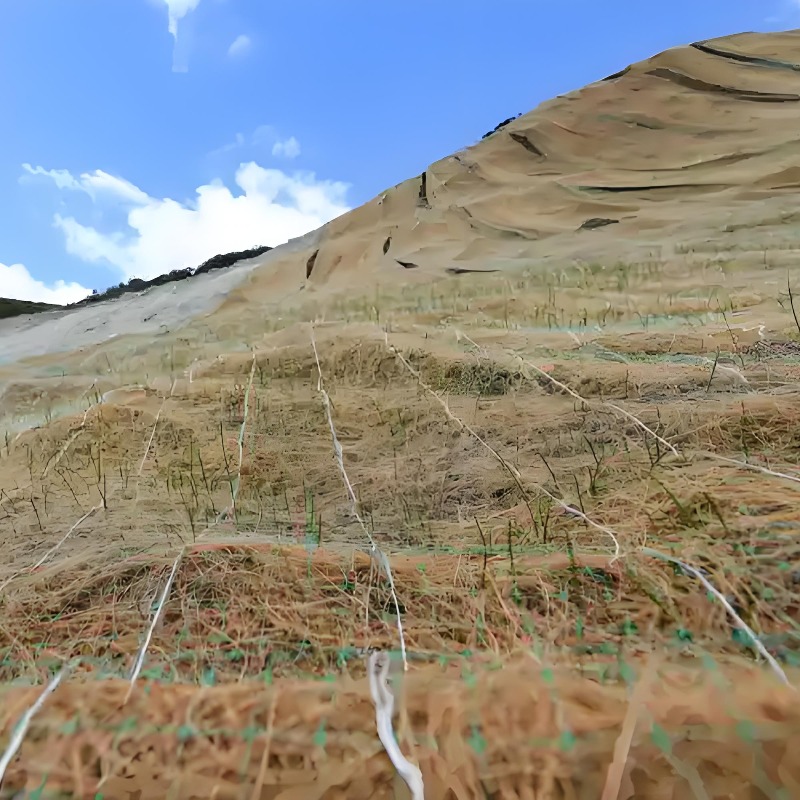
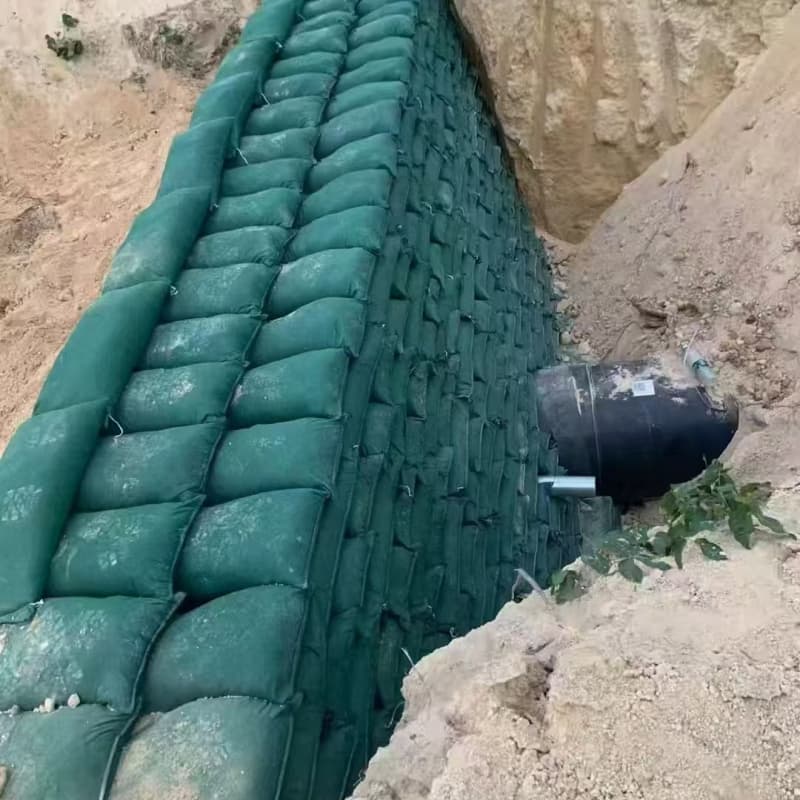
Geogrids solve a different problem. They are placed within soil or aggregate layers to create mechanical interaction with the surrounding material. This reinforcement helps distribute loads, limits lateral movement of aggregate, and improves the stability of the reinforced layer. Geogrids are commonly considered for roads over soft ground, working platforms, storage yards, reinforced soil structures, and slope reinforcement.
For infrastructure contractors, the benefit is not simply the reinforcement itself. A well-designed geosynthetic system can reduce the amount of imported aggregate or soil required and make construction more manageable on difficult sites. It can also help reduce the risk of excessive deformation and maintenance problems later in the project.
As infrastructure projects become larger and more demanding, engineers are paying closer attention to the entire ground structure rather than only the surface layer. That creates continued opportunities for geotextiles and geogrids.
Water Management and Environmental Protection
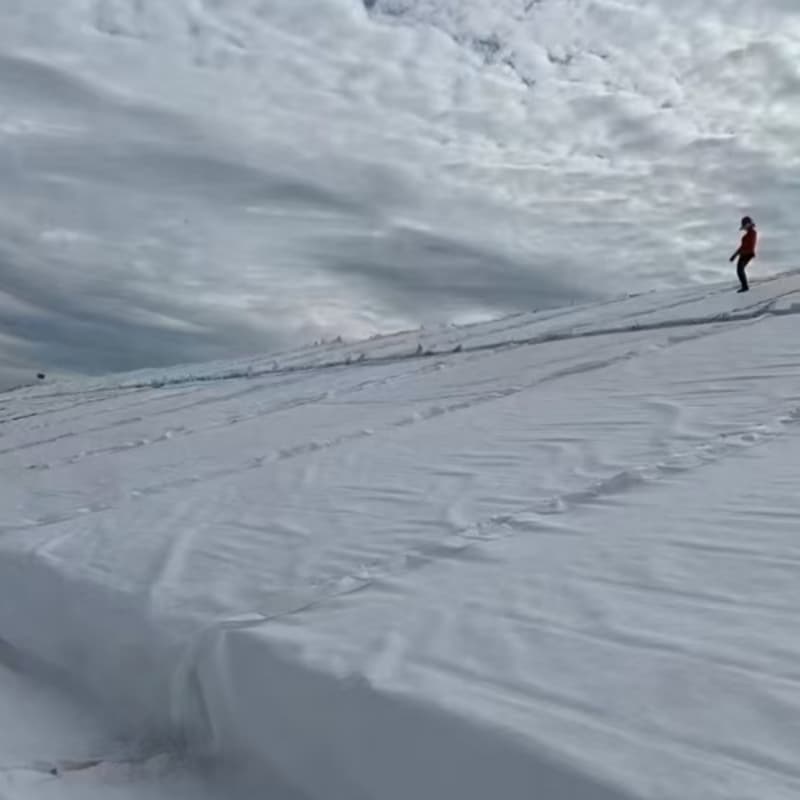
In regions where water is limited, losing water through soil infiltration can become a serious operating cost. Reservoirs, irrigation ponds, agricultural water storage facilities, artificial lakes, and aquaculture ponds therefore need lining systems that can provide reliable leakage control.
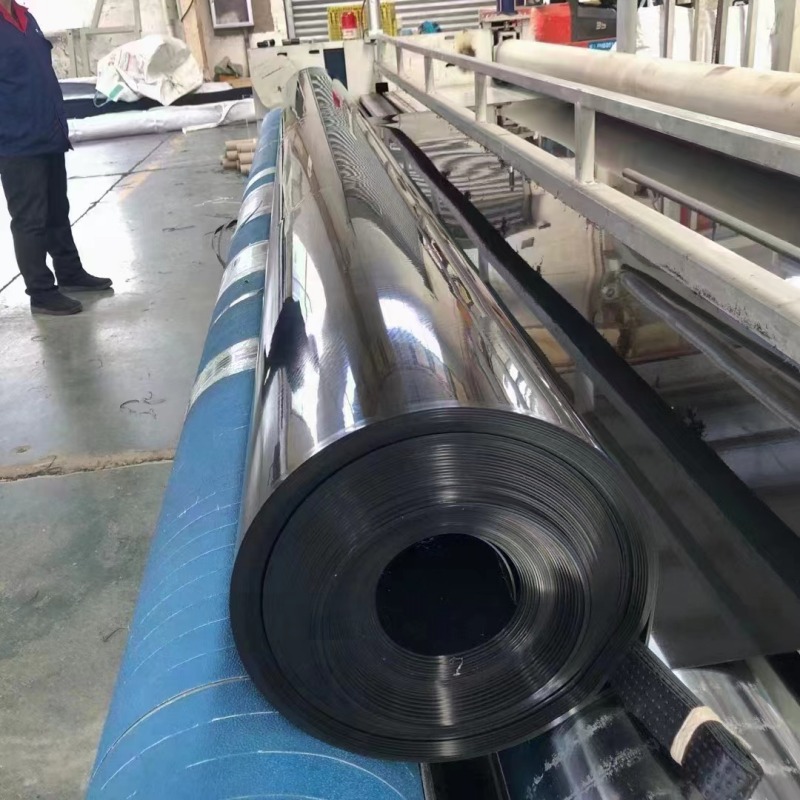
HDPE geomembranes are widely used for these applications because they can form a continuous low-permeability barrier across the base and side slopes of a pond or reservoir. The material thickness can be selected according to the project conditions, while the panels can be welded together to create a continuous lining system.
The same principle applies to environmental containment. Landfills, wastewater treatment facilities, industrial wastewater ponds, and other containment projects need to prevent contaminated liquids from entering the surrounding soil and groundwater.
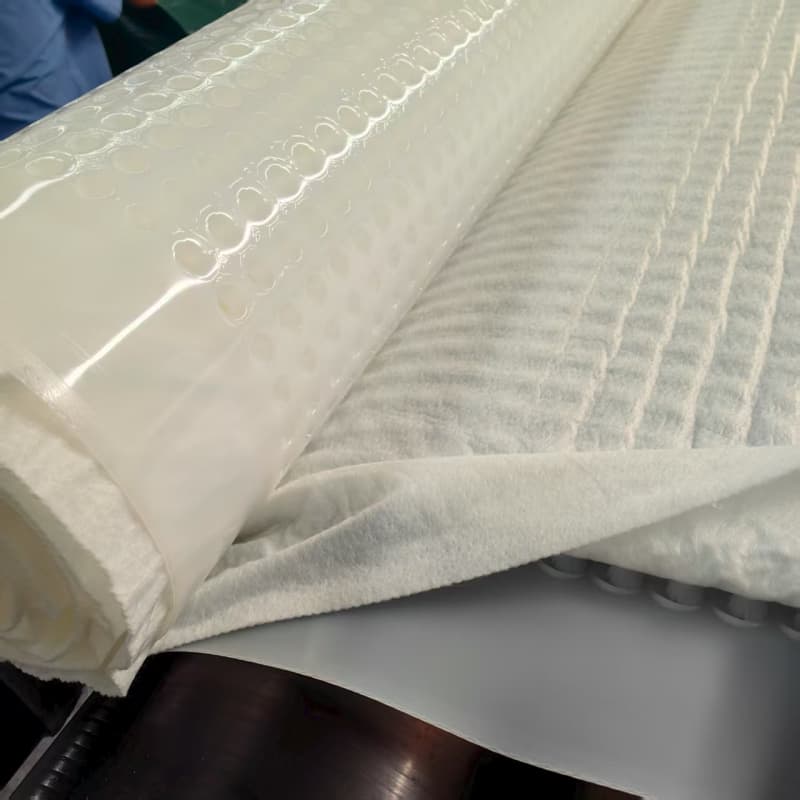
A modern landfill liner system may use several geosynthetic products together. The geomembrane provides the main barrier. A geotextile may be used as a protection or filtration layer, while a GCL can provide an additional low-permeability barrier. Drainage geocomposites can then be used to collect and convey liquids within the system.
Each layer has a specific function, andtheir combined performance determines the reliability of the overall containment system.
The growing focus on water conservation, pollution prevention, and environmental compliance is therefore creating demand not only for geomembranes, but also for complete geosynthetic containment systems.
Expanding Applications: Mining, Agriculture and Aquaculture
Geosynthetics are also finding wider use in industries where water, soil, and chemical control are part of daily operations.
Mining is a good example. Mining ponds, tailings facilities, heap leach areas, and industrial containment systems can expose lining materials to large areas, heavy loads, sharp subgrade materials, and chemical solutions. These projects often place greater emphasis on chemical resistance, puncture resistance, weld quality, and long-term durability.
HDPE geomembranes are commonly used as containment liners in these conditions. Depending on the site, they may be combined with geotextile protection layers or drainage products to create a more complete system. The design has to consider the liquid being contained, the subgrade, slope conditions, temperature, and expected service period rather than selecting a membrane based only on price.
Agriculture and aquaculture represent another growing market. Fish ponds, shrimp ponds, irrigation ponds, and farm reservoirs are increasingly using geomembranes to reduce water loss and make pond management more predictable.
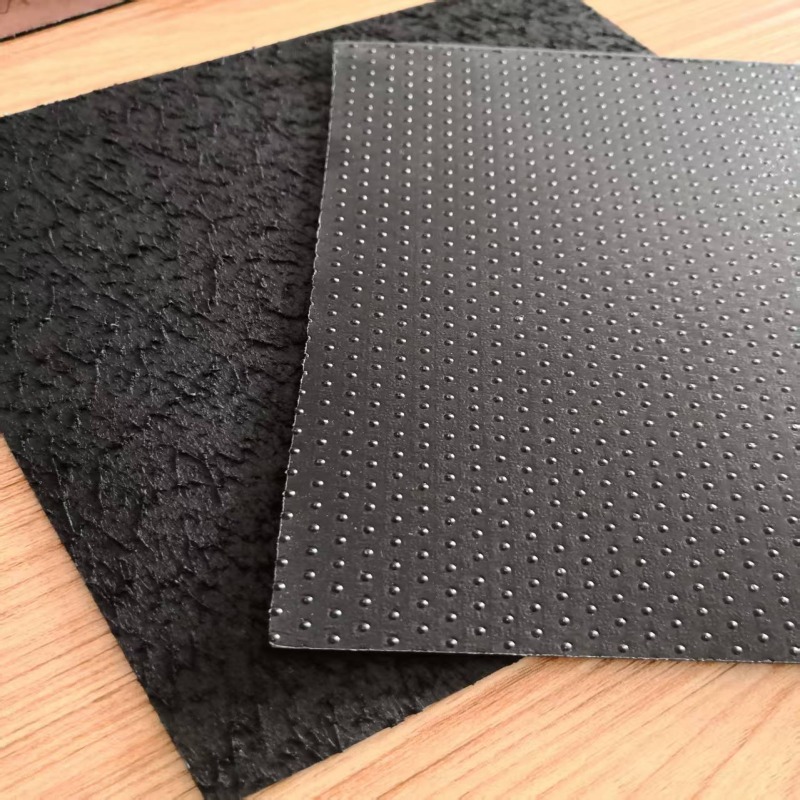
The requirements are not exactly the same as those of a landfill or mining project. Pond geometry, soil conditions, installation method, membrane thickness, and exposure to sunlight all need to be considered. On sloped pond areas, textured geomembranes may be selected where additional interface friction is needed to help keep the liner stable.
Geosynthetics are no longer limited to major civil engineering projects. They are also being used in agricultural and industrial applications where controlling water, soil, or liquids has a direct effect on operating costs.
From Individual Products to Complete Geosynthetic Systems
One of the more important changes in the market is the way geosynthetics are being specified. Projects increasingly use several products together rather than treating each material as a separate purchase.
A landfill is a straightforward example. A geomembrane may provide the primary containment layer, while a geotextile protects the membrane from damage. A GCL can add another sealing layer, and a drainage geocomposite can help collect and move leachate. The materials are different, but they are designed to work as one system.
The same idea can be applied to other projects:
Geomembrane + Geotextile can provide containment and protection.
Geotextile + Geogrid can combine separation with soil or aggregate reinforcement.
Geomembrane + GCL + Geotextile can create a multilayer containment system for demanding environmental applications.
Geomembrane + Drainage Geocomposite can combine leakage control with drainage management.
This is changing the way buyers evaluate suppliers. A contractor working on a large project may not want to source every material from a different manufacturer. Many factors can all influence the final decision, such as product compatibility, consistent quality, production capacity, delivery schedules, technical support, and experience with similar projects.
For manufacturers, this creates an opportunity as well as a challenge. Supplying a single product is one thing. Understanding how geomembranes, geotextiles, GCL, geogrids, and drainage products work together is much more useful to a project team.
The market is gradually moving toward suppliers that can support the whole material system rather than simply quote the lowest price for one product.
What is Driving Future Demand?
Several factors are likely to keep demand for geosynthetics strong.
Infrastructure investment remains a major one. Roads, railways, ports, industrial facilities, and urban development all require solutions for weak soil, drainage, settlement, and structural stability.
Water conservation is another. In areas facing water shortages, reducing leakage from reservoirs, irrigation ponds, and aquaculture facilities has a direct economic benefit.
Environmental regulations are also shaping material selection. Landfills, wastewater facilities, mining operations, and industrial sites need reliable containment systems to reduce the risk of soil and groundwater contamination.
At the same time, many project owners are looking beyond the initial material price. A cheaper material does not necessarily mean a cheaper project if it creates installation problems, higher maintenance costs, or a shorter service life.
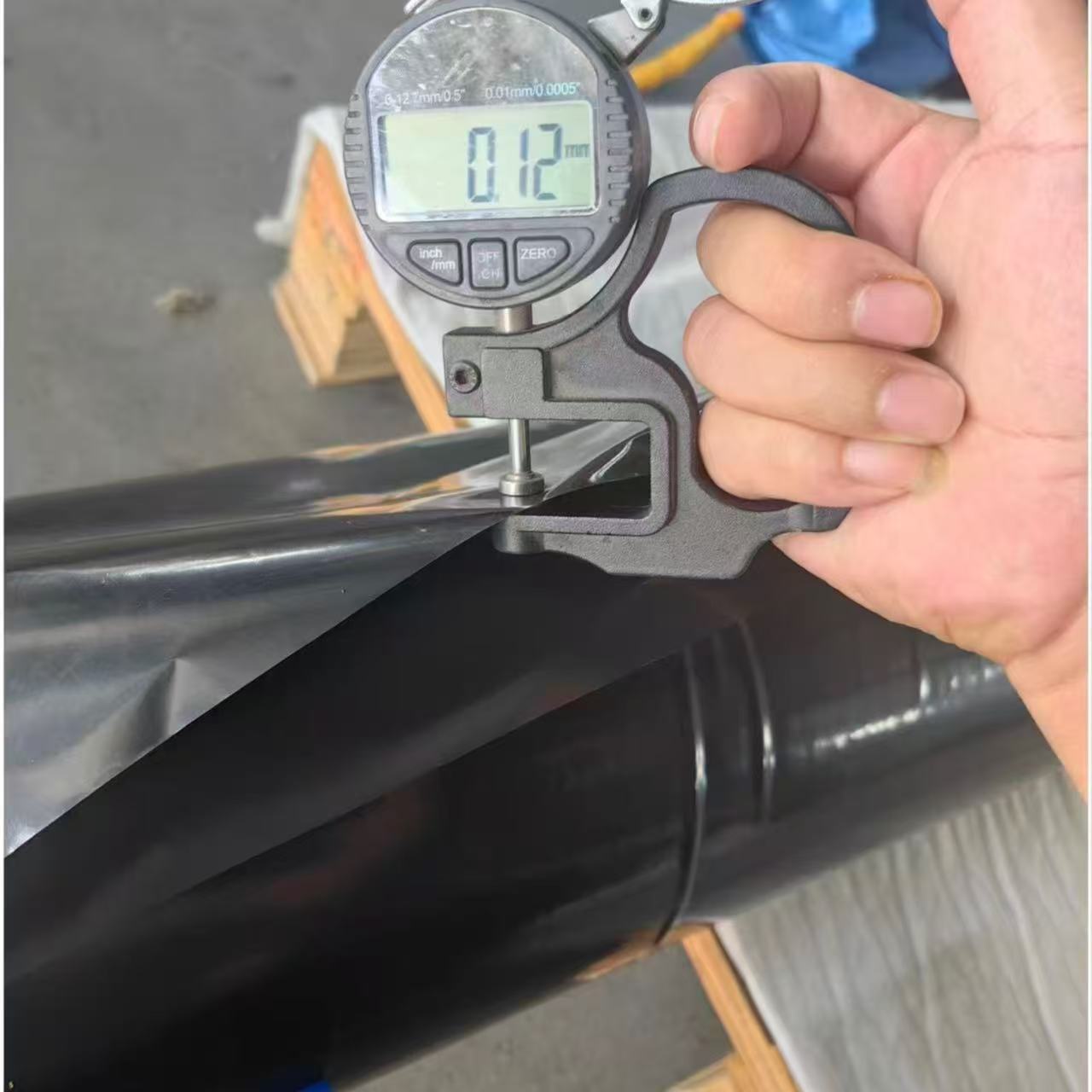
This is why product consistency is becoming more important. Buyers increasingly want stable thickness, reliable mechanical properties, consistent raw materials, good weldability, and quality control from batch to batch. For international projects, export experience and the ability to provide technical documents and support can also make a difference.
Sustainability is another factor, although it needs to be viewed realistically. Using geosynthetics can reduce the need for large volumes of natural aggregate or compacted clay in some applications, which may reduce excavation and transportation. Longer service life can also help reduce replacement and maintenance requirements.
The future market will therefore be shaped by more than construction volume. Performance, project efficiency, environmental requirements, lifecycle cost, and supplier reliability will all play a role in how geosynthetics are selected.
Conclusion
The growth of the geosynthetics market is closely tied to practical problems faced by modern construction: weak ground, water loss, leakage, drainage, contamination, slope stability, and long-term maintenance.
Geomembranes, geotextiles, and geogrids each solve different problems, but their value becomes greater when they are designed as part of a complete system. This is why demand is expanding across infrastructure, water management, environmental protection, mining, agriculture, and aquaculture.
For buyers, the decision is also becoming less about finding the lowest unit price and more about finding a material and supplier that can perform consistently throughout the project.
That shift will continue to shape the global geosynthetics market: better performance, practical installation, reliable quality, and long-term project value are becoming just as important as price.
leave a message
Scan to Wechat/Whatsapp :



 English
 Français
 Deutsch
 Русский
 Español
 Português
 عربي
عربي Tiếng Việt
 Indonesia
 हिन्दी


 IPv6 network supported